
Pompeii
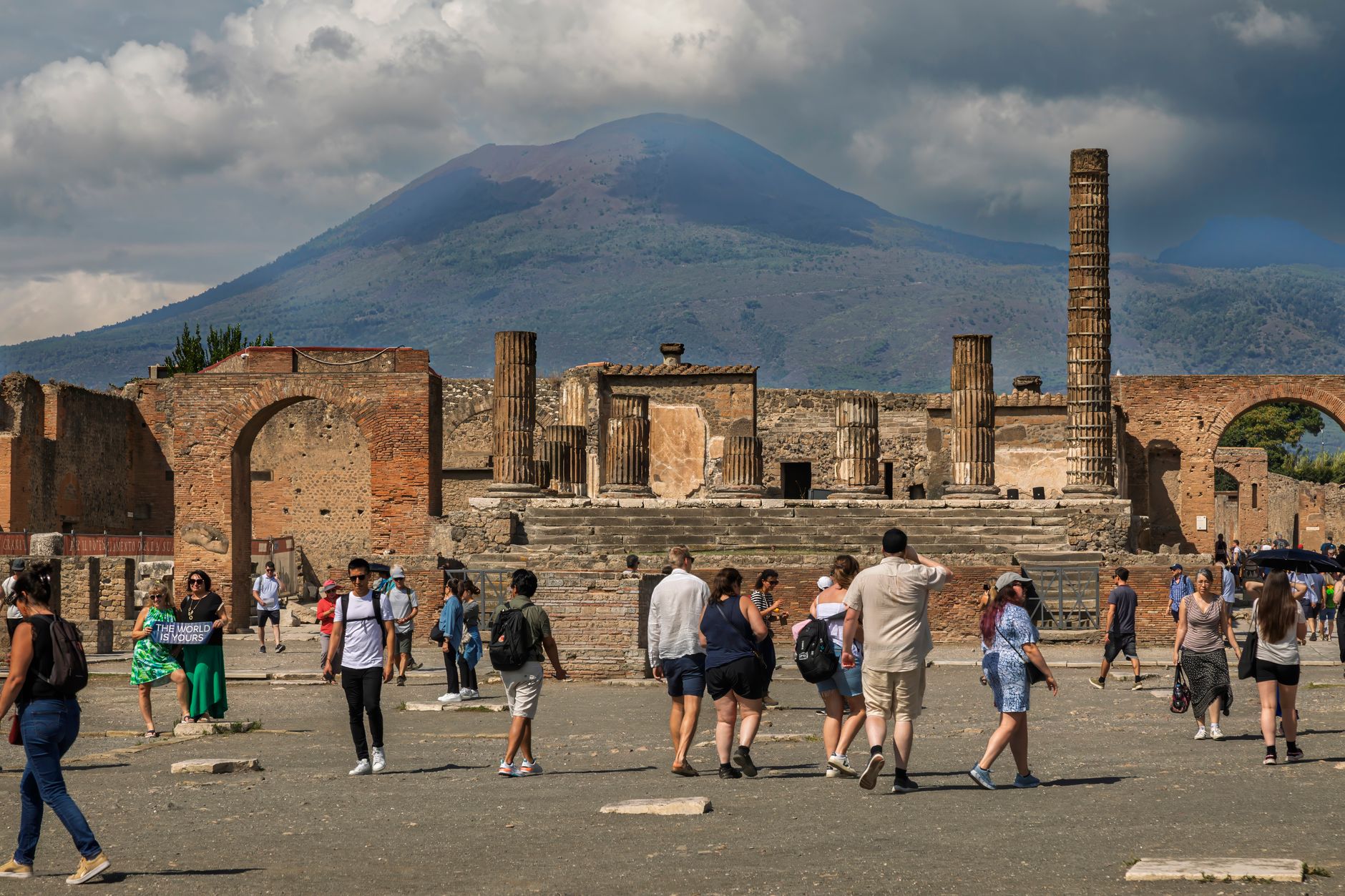
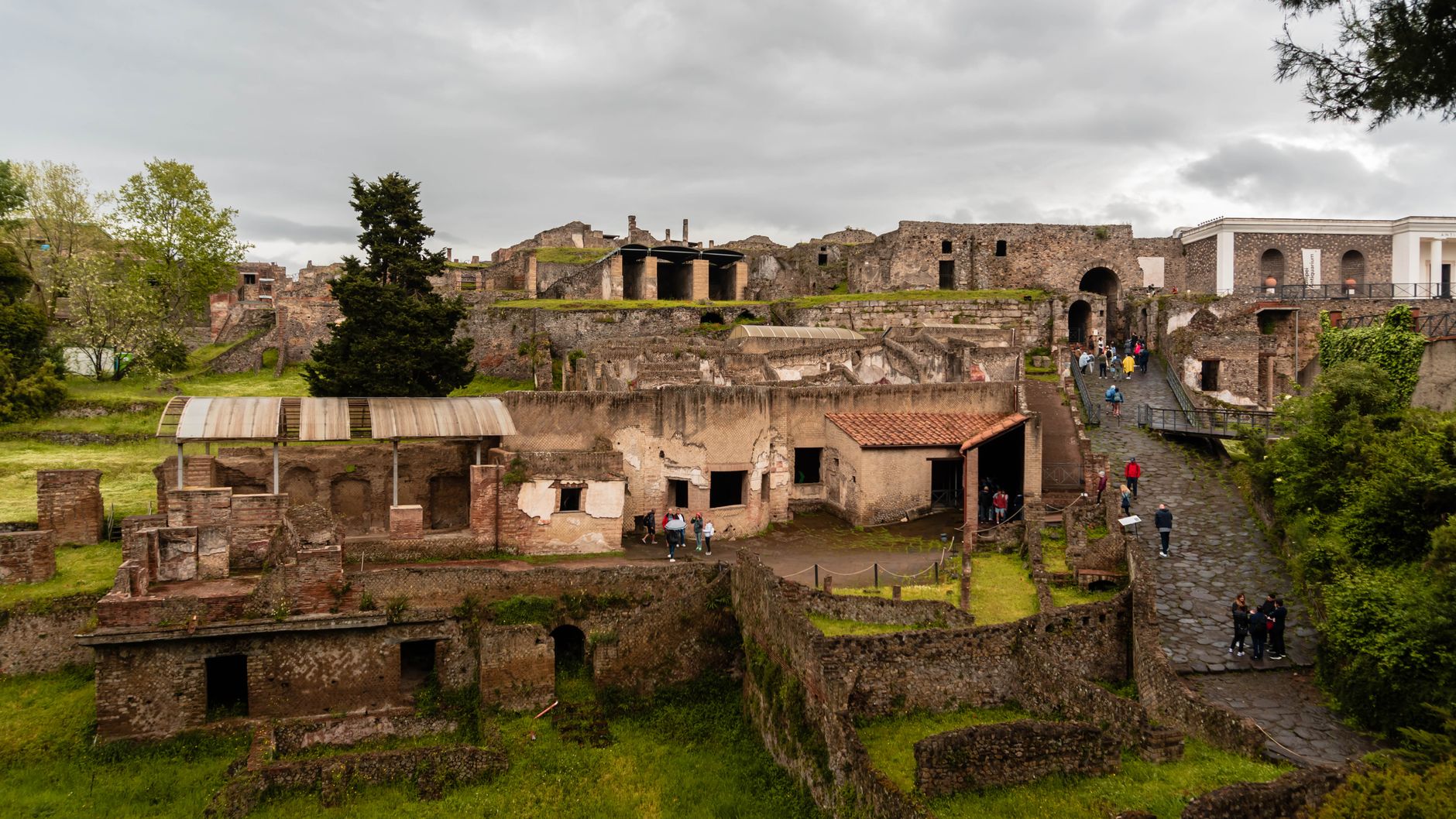
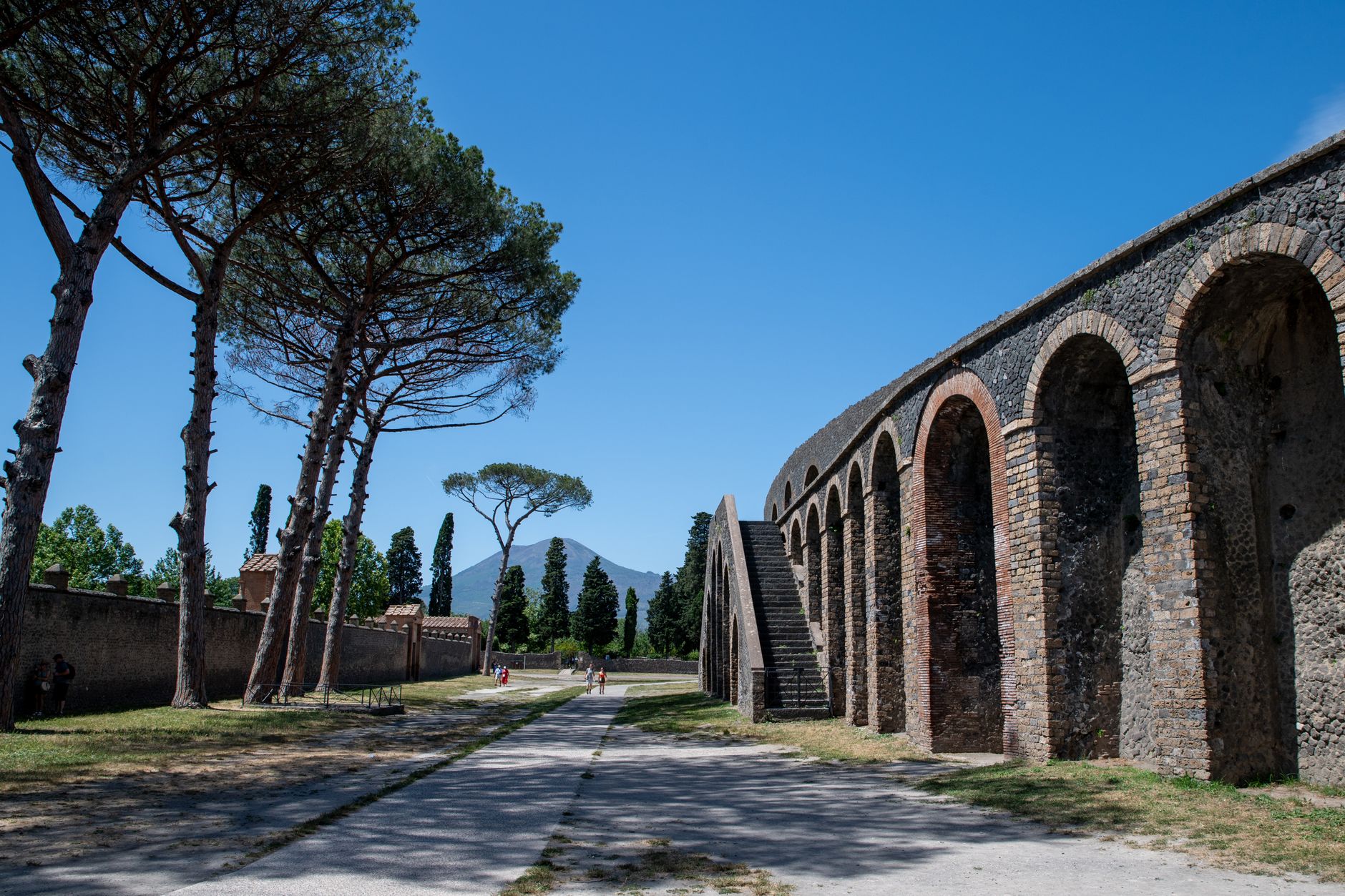
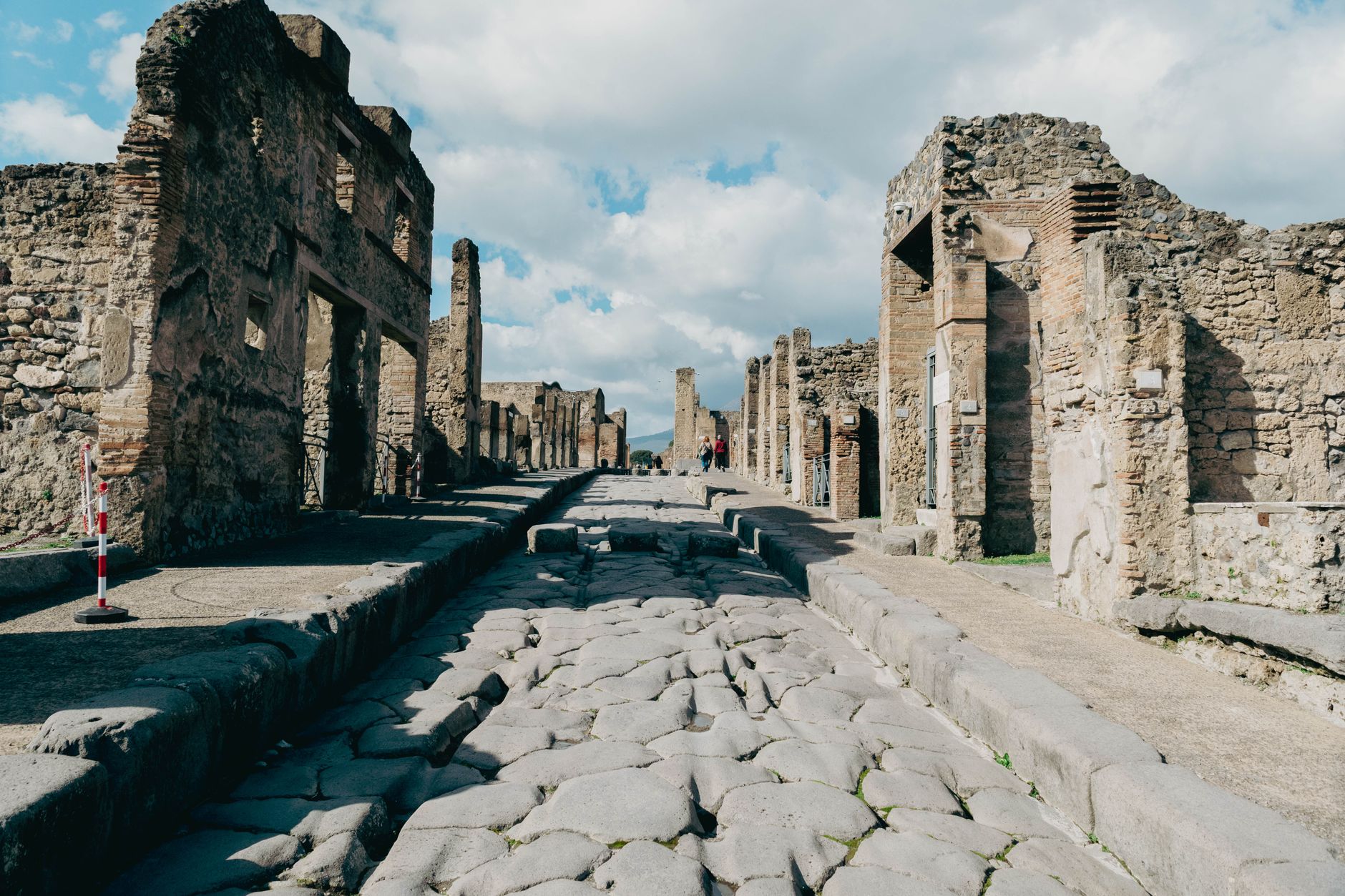
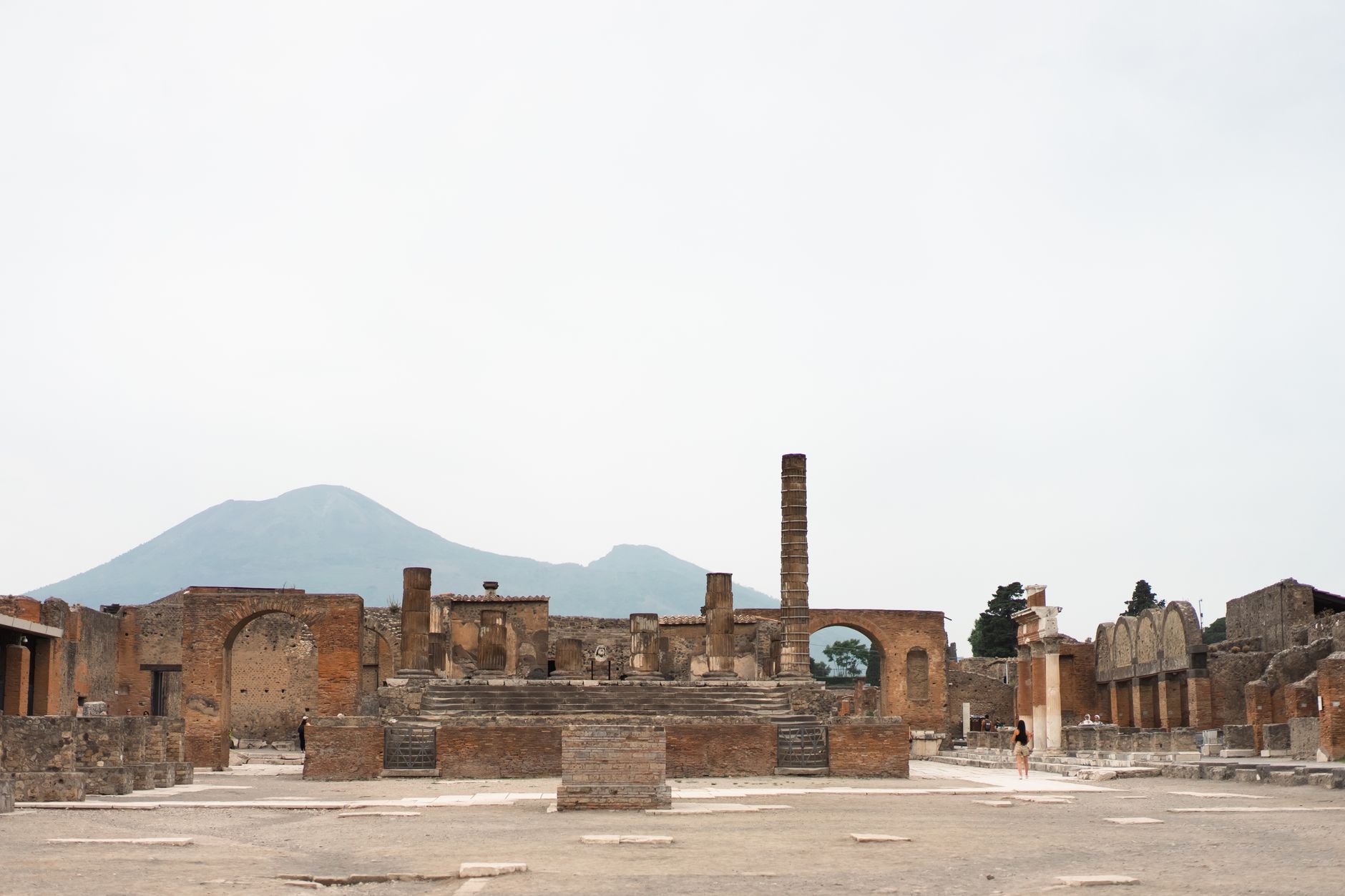
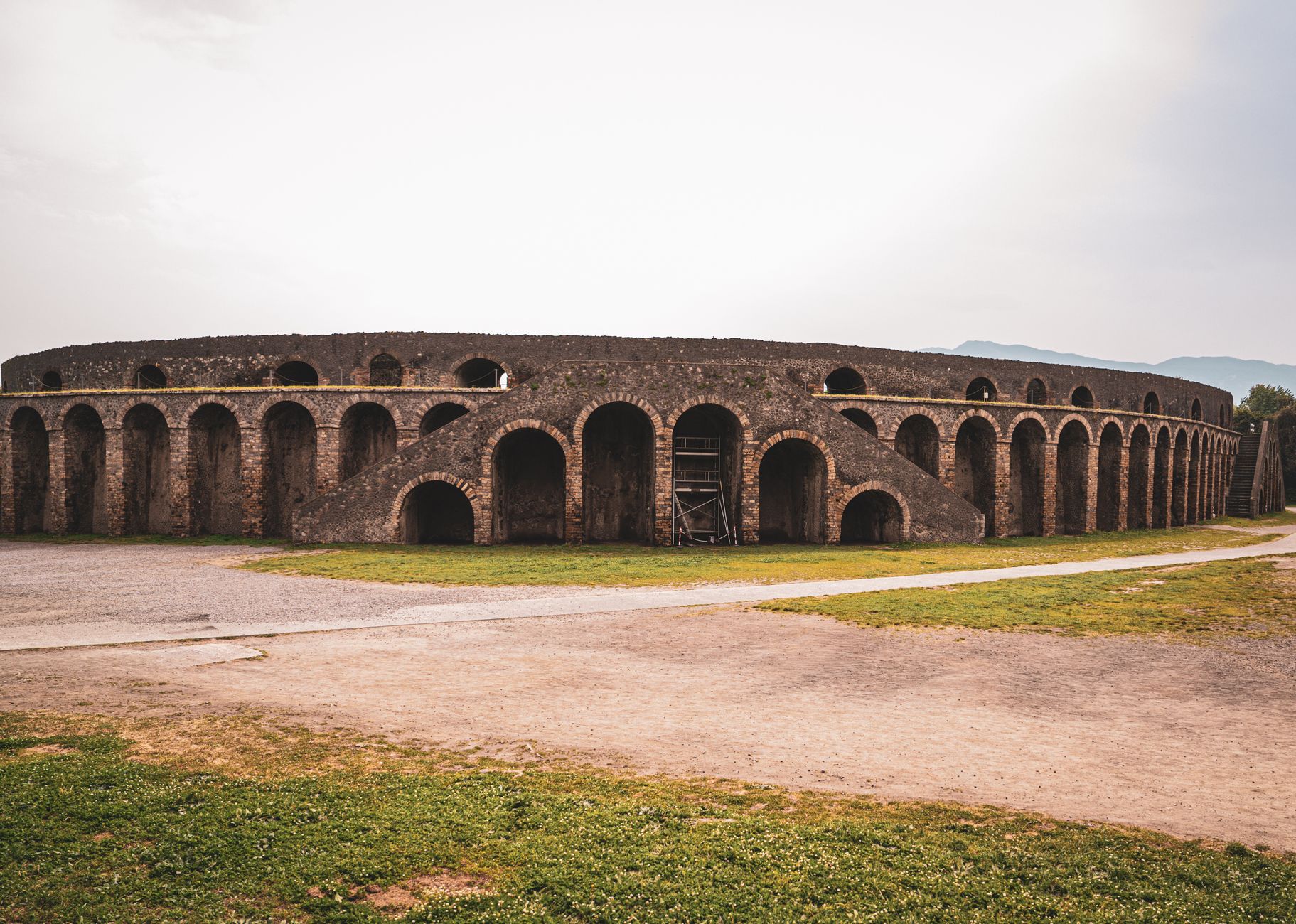
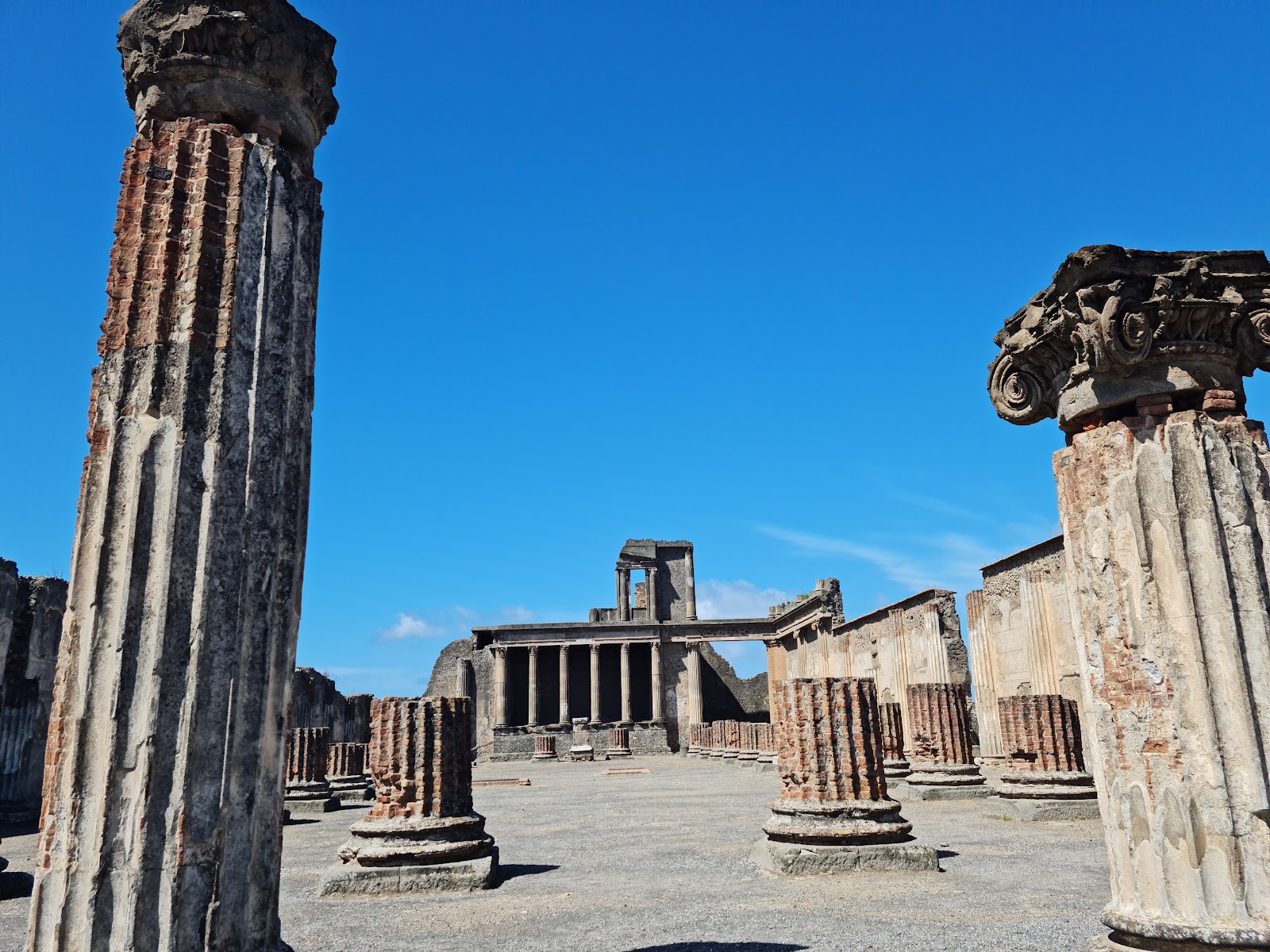
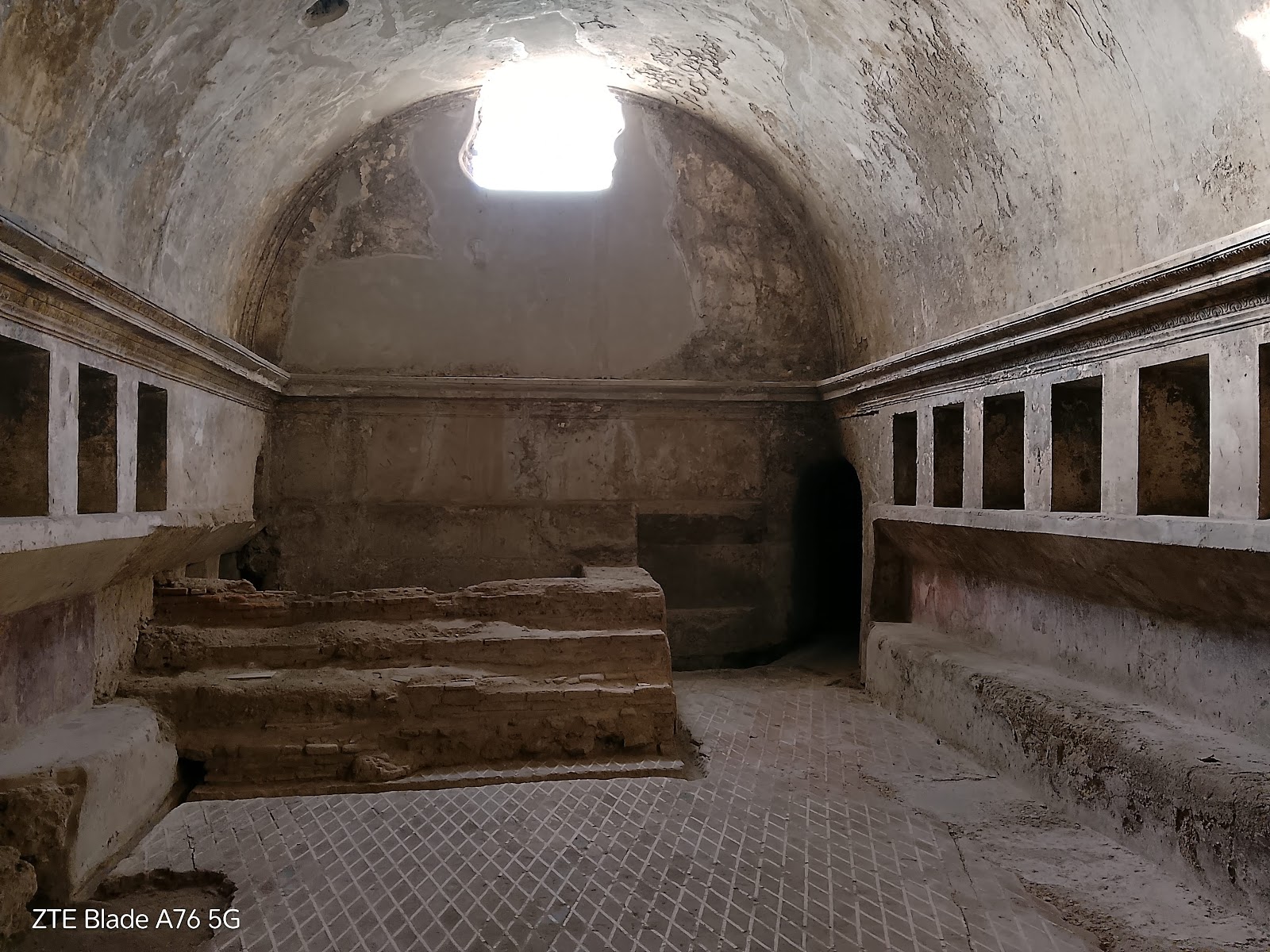
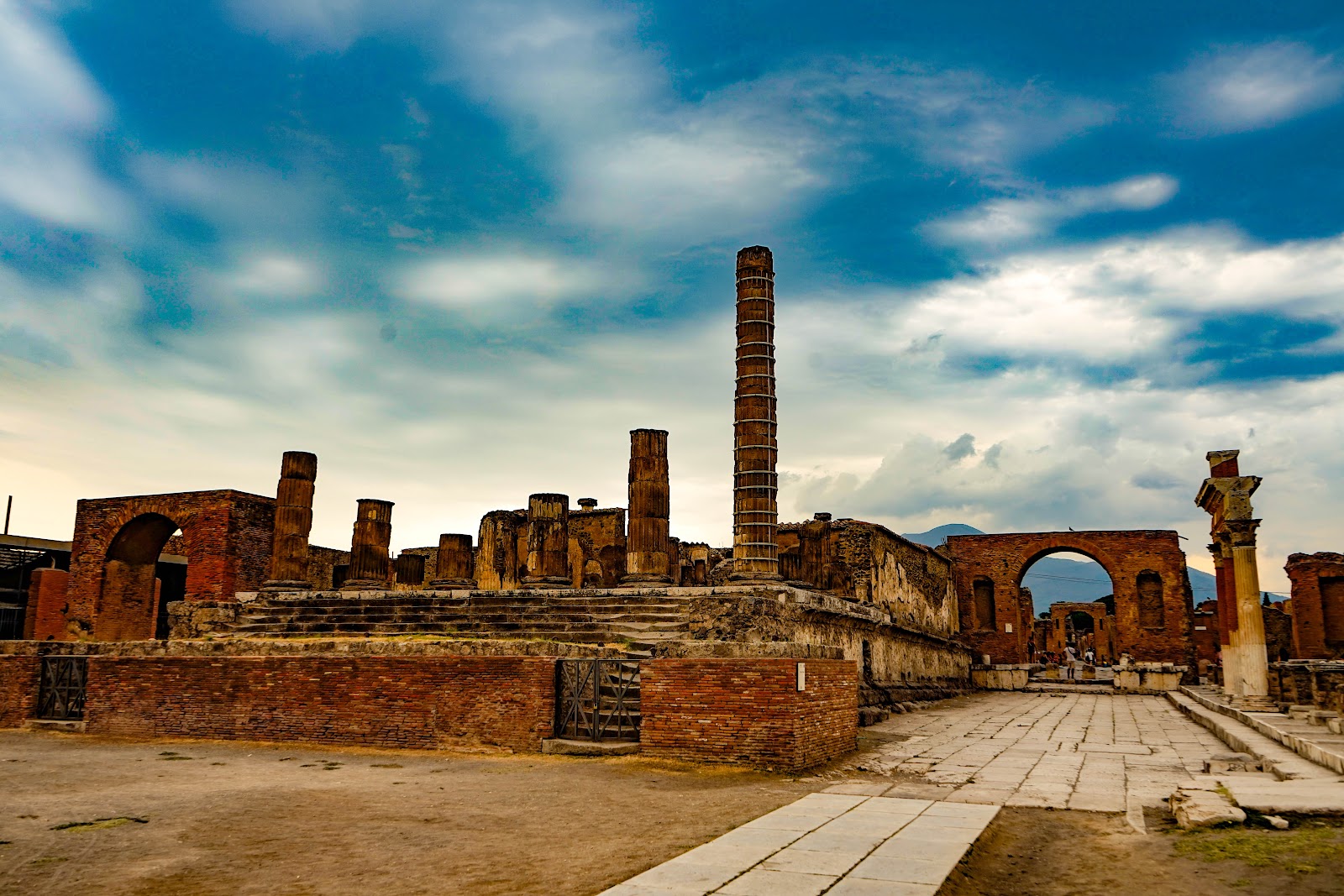
The streets of Pompeii still have their original stepping stones, raised so Roman pedestrians could cross above the runoff without getting wet. You walk the same basalt surface, step over the same worn grooves cut by cart wheels, and somewhere between the Stabian Baths and the House of the Faun the abstraction collapses — this was a city of roughly 11,000 people going about ordinary lives until the morning of August 24, 79 AD, when Vesuvius ended all of it in hours.
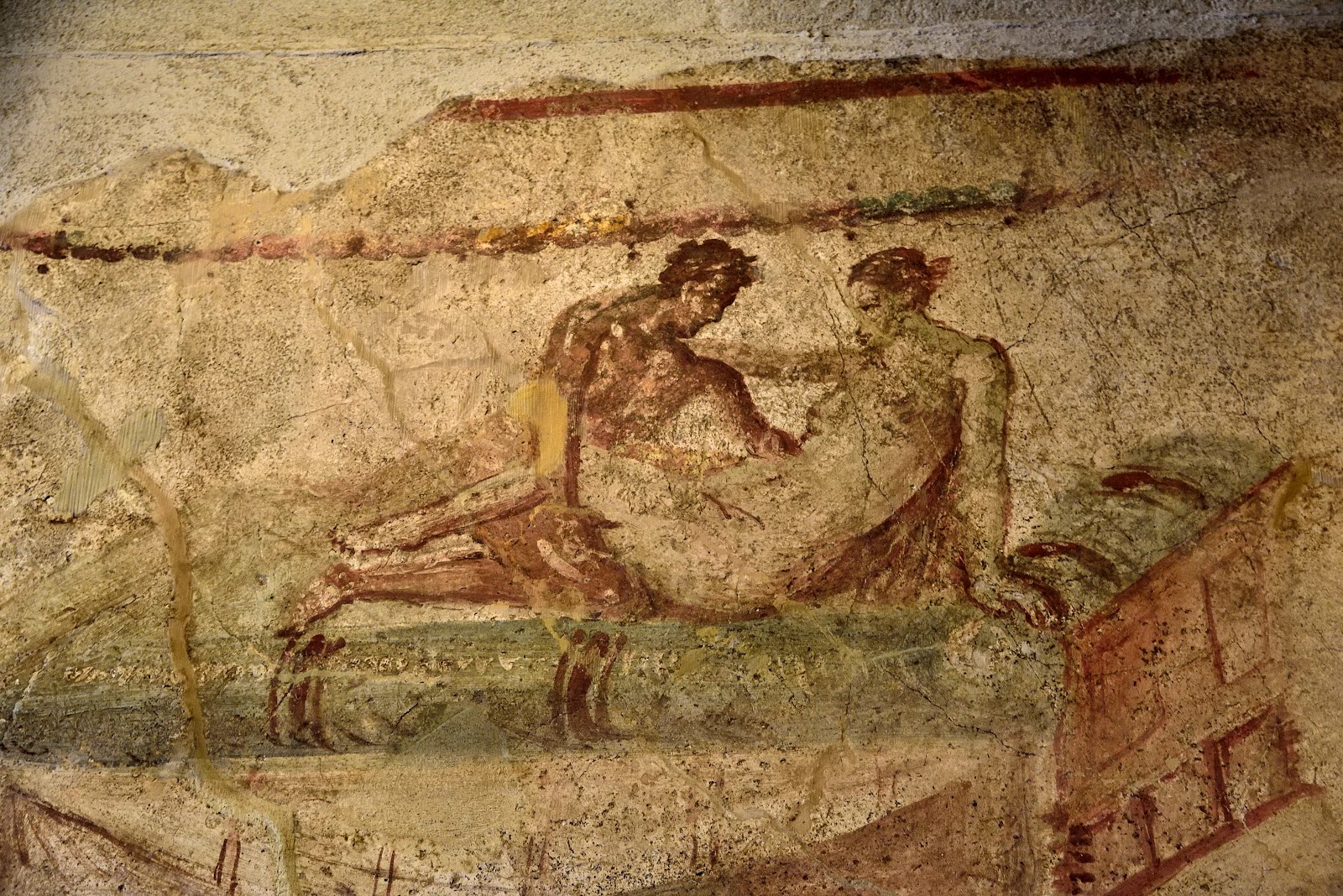
What the volcanic ash preserved is almost unreasonably complete: electoral slogans still legible on walls, loaves of bread carbonised in bakery ovens, the Lupanar's stone beds with their stone pillows. The scale of what survives is the thing no photograph quite prepares you for.
💛 What travellers fall for
People who come back tend to say the same thing: go straight to the Villa dei Misteri first, before the crowds settle in. The Dionysian fresco cycle there — painted across three walls of a single room in the 2nd century BC — deserves quiet. Save Via dell'Abbondanza for the return leg, when the light is lower and the street empties out.
Deals in Pompeii
Book directly at the provider


How Pompeii came to be
The Oscans settled the Sarno Valley somewhere around the 9th or 8th century BC, drawn by soil made unusually fertile by centuries of volcanic ash from the mountain looming to the north. The Samnites absorbed the town in the late 5th century BC, and Rome took it by force after the Social War — Lucius Cornelius Sulla besieged it in 89 BC, and by 80 BC it had been refounded as the Roman colony Colonia Cornelia Veneria Pompei. A serious earthquake in 62 AD was still being repaired when Vesuvius erupted seventeen years later.
Systematic excavation began in 1748 under Rocque Joaquin de Alcubierre, commissioned by King Charles III of Naples. The work was transformed in 1860 when Giuseppe Fiorelli took over: he introduced the region and insula numbering system that archaeologists still use, and devised the plaster-casting technique that fills the voids left by decomposed bodies with liquid plaster — producing the frozen figures that have defined how the world pictures Pompeii ever since.
Who and what shaped it
People who shaped it
Landmark buildings
See Pompeii in motion
Plan your visit
On the map
When to go
Spring (April–May) and autumn (September–October) give you the most manageable conditions — mild temperatures and thinner crowds. July and August are genuinely hot on the exposed site, with little shade over the main streets; bring water and start early.
Right now
↡ Attractions




Background & history adapted from Wikipedia (CC BY-SA) · specs from Wikidata (CC0) · weather from Open-Meteo · map data © OpenStreetMap contributors · photos from Wikimedia Commons / Unsplash with per-image credit. No third-party reviews or social posts reproduced.