
Los Angeles, USA
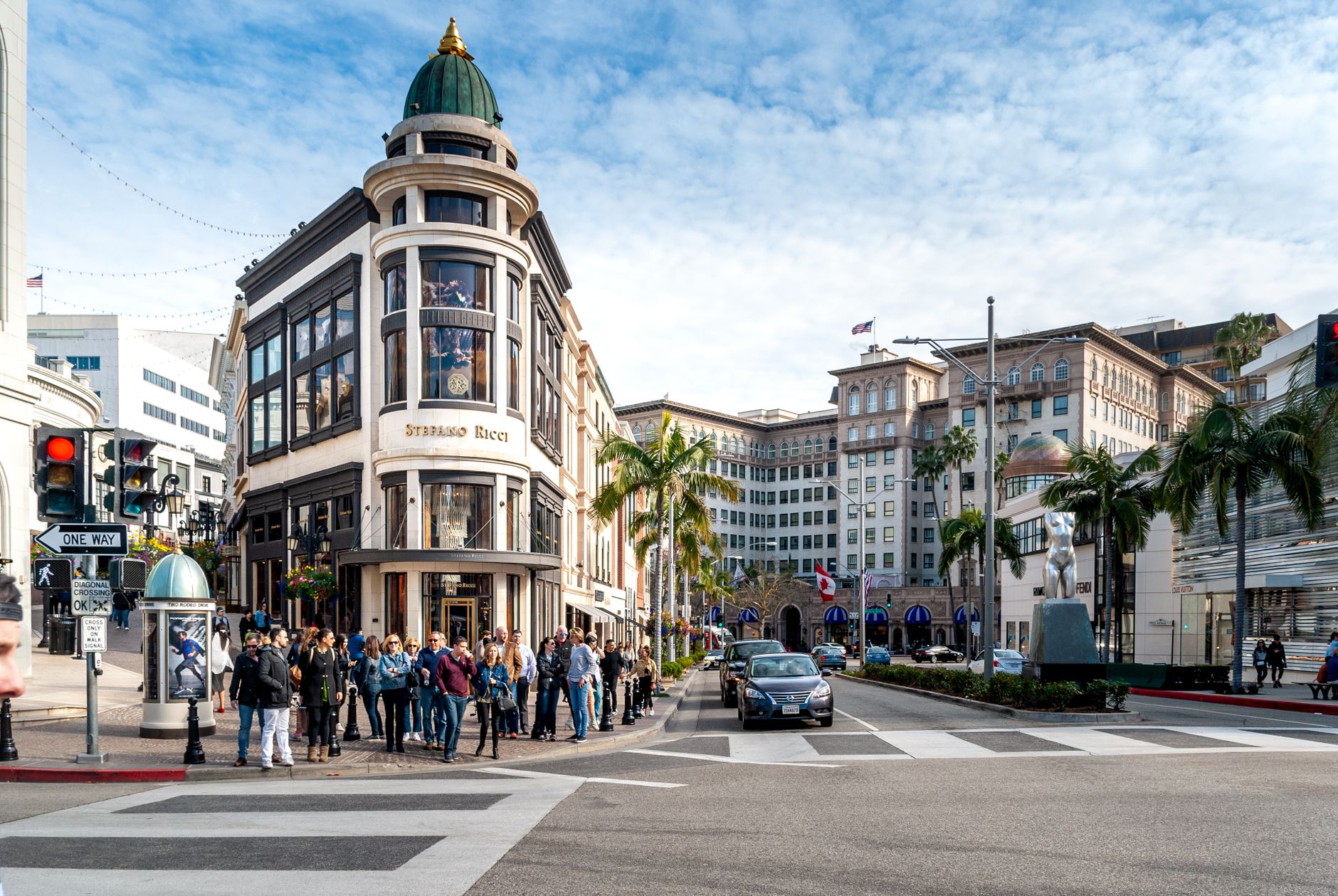
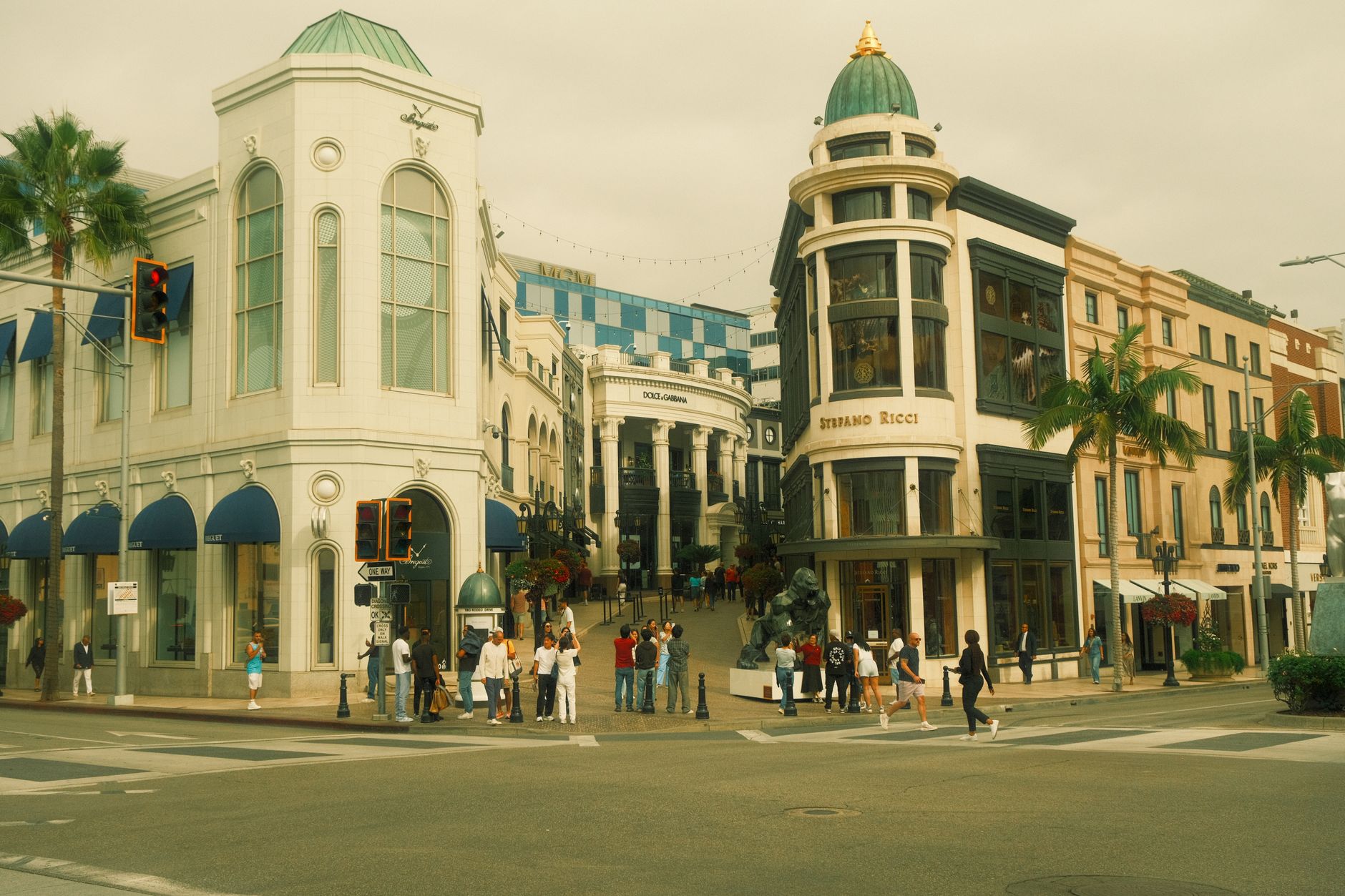
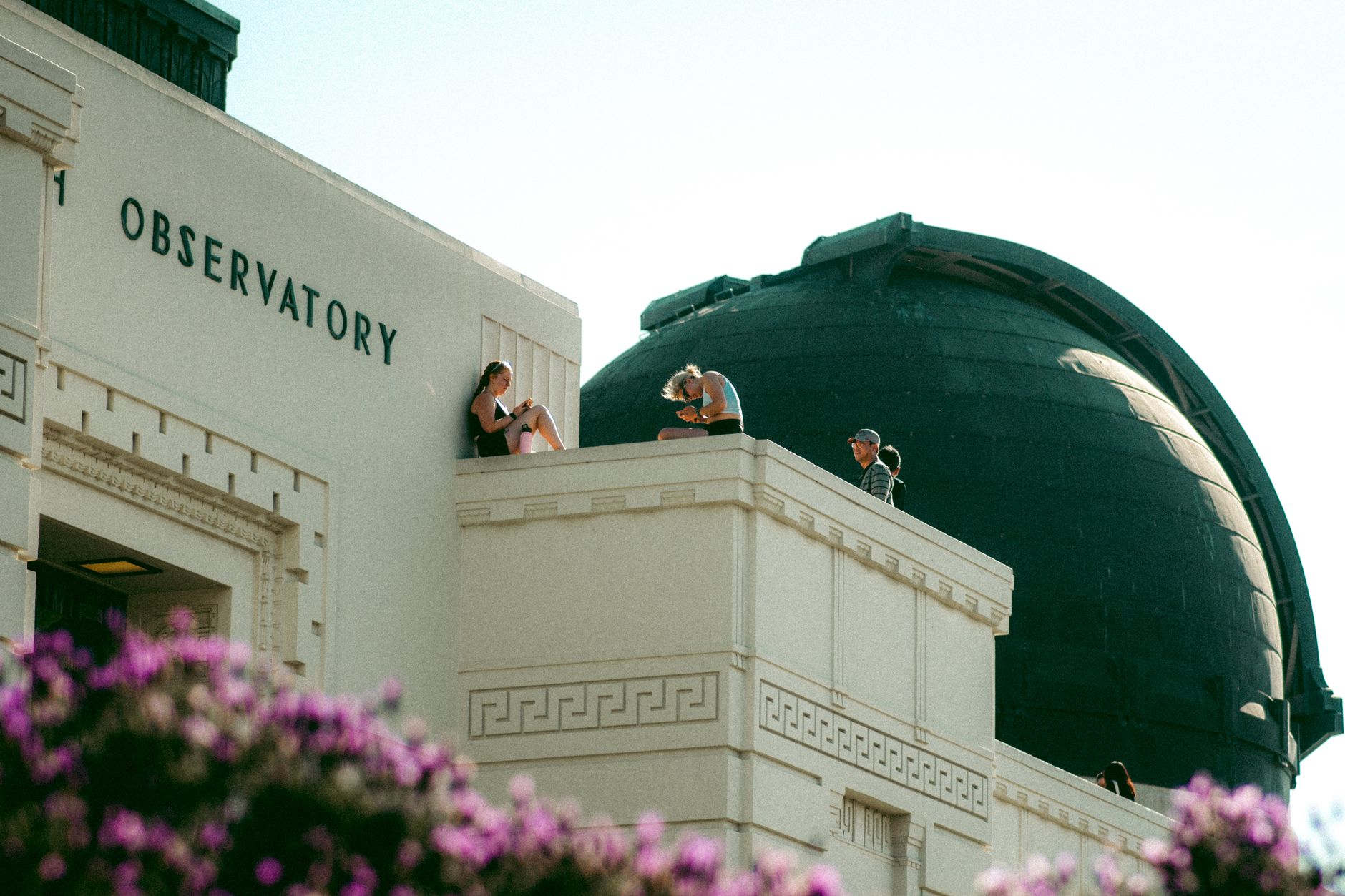
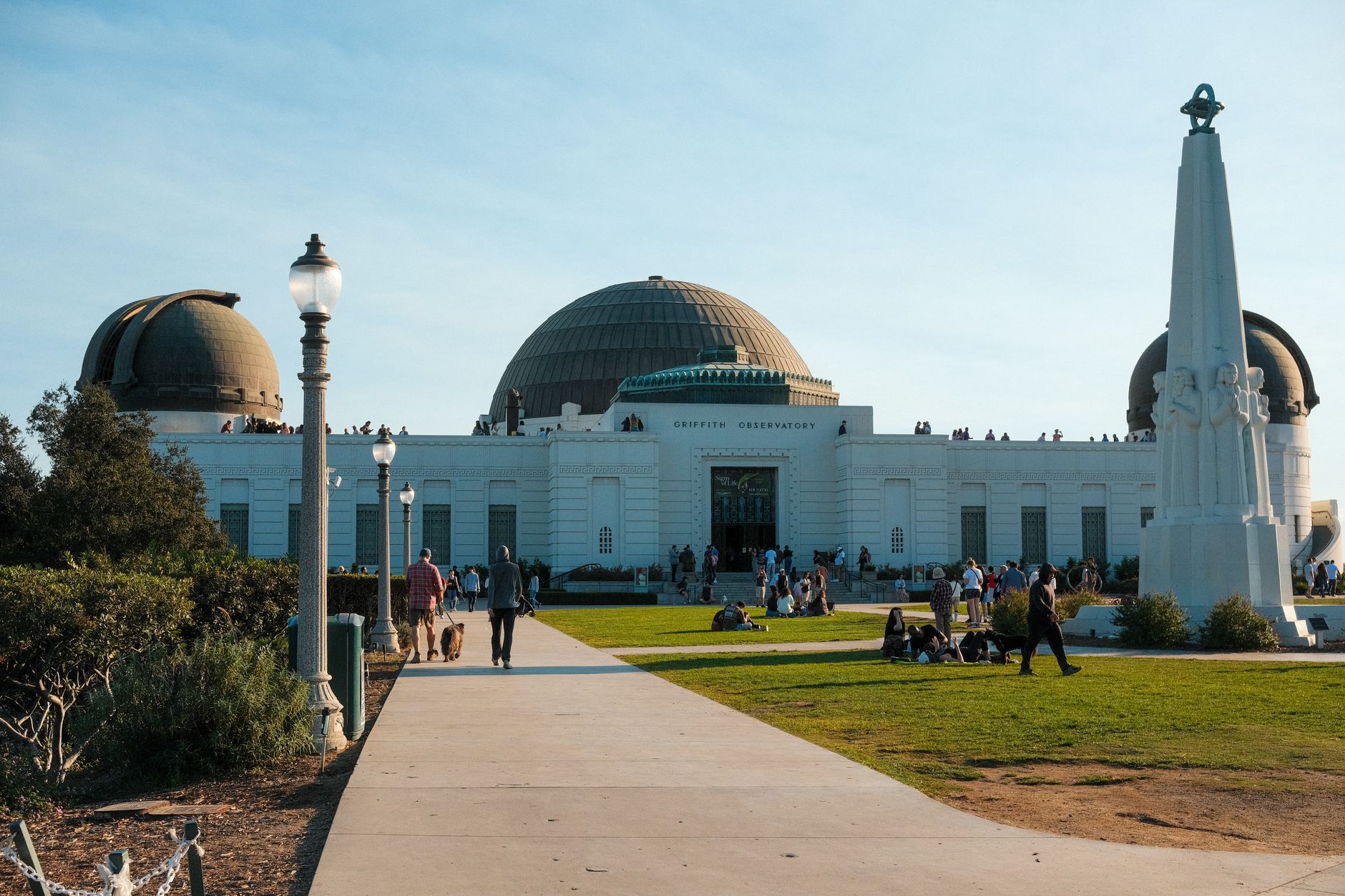

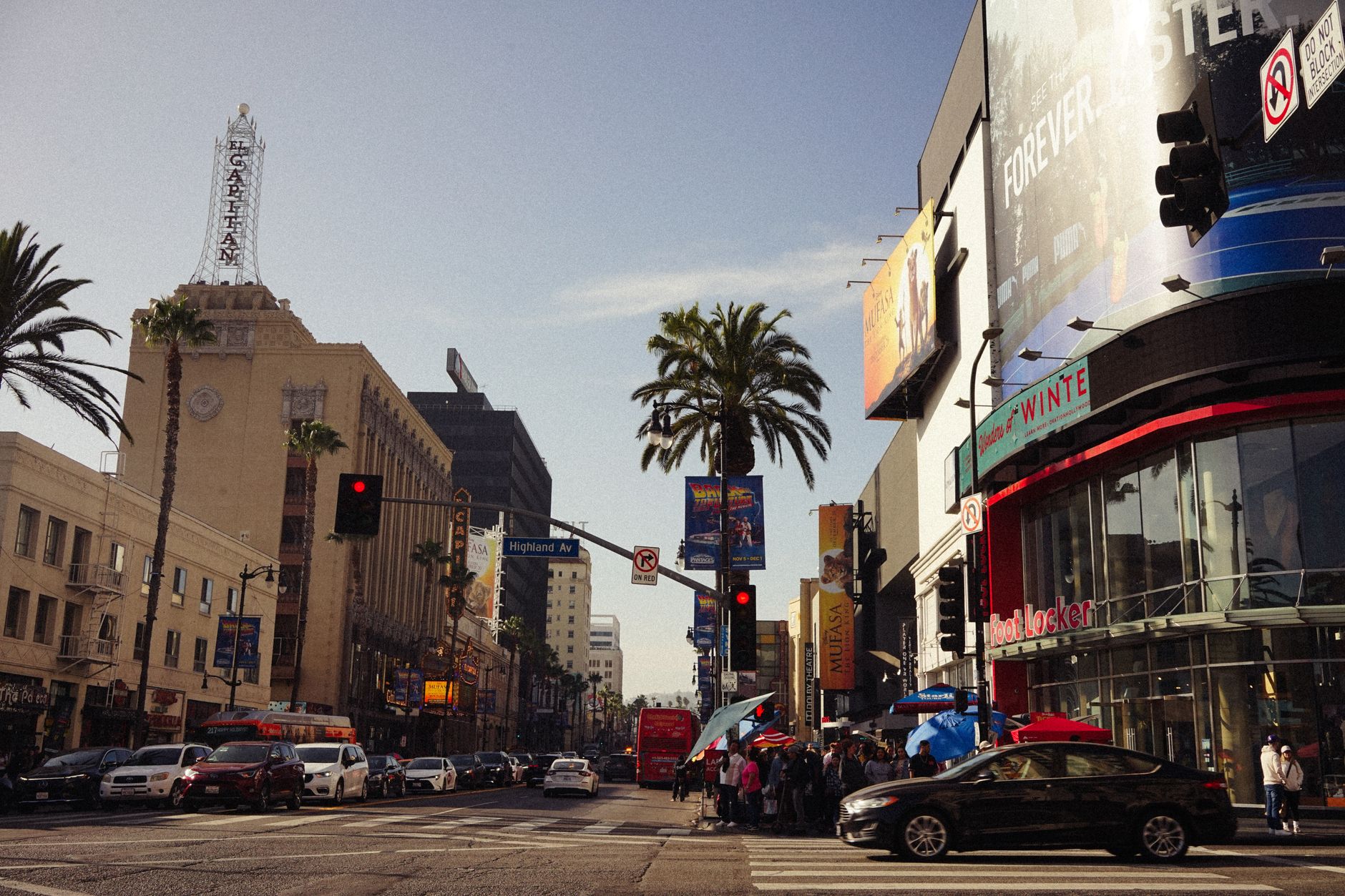
Los Angeles is a city that resists summary, which is partly why it keeps drawing people back. It runs fifty miles from the San Gabriel Mountains to the Pacific, and the distance between its neighborhoods — Koreatown, Pasadena, Long Beach, Santa Monica — is as much cultural as geographic. The Metro Rail system, six lines and 110 stations strong, threads some of it together, but the city rewards the kind of slow, lateral attention that no itinerary quite captures.
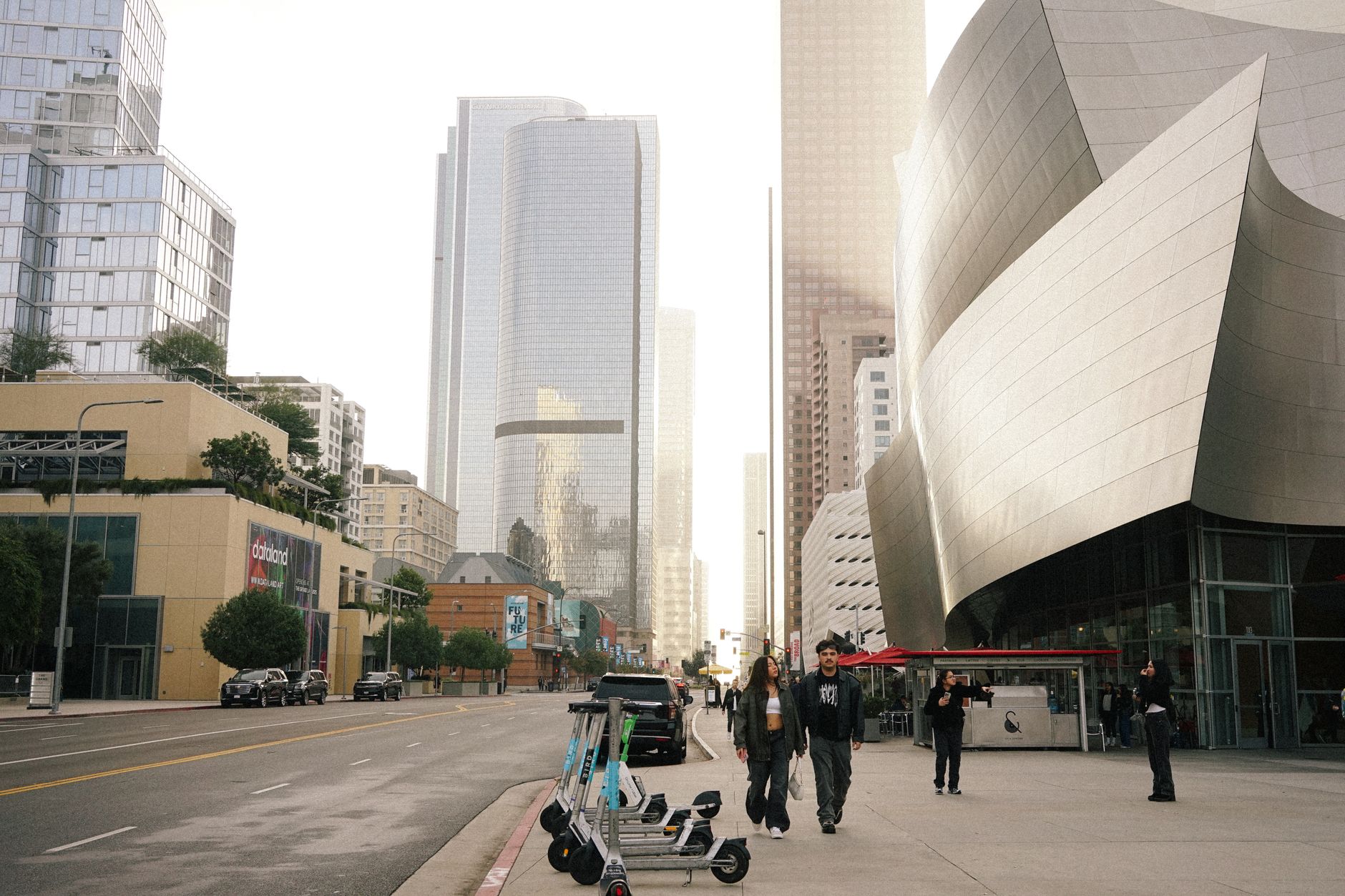
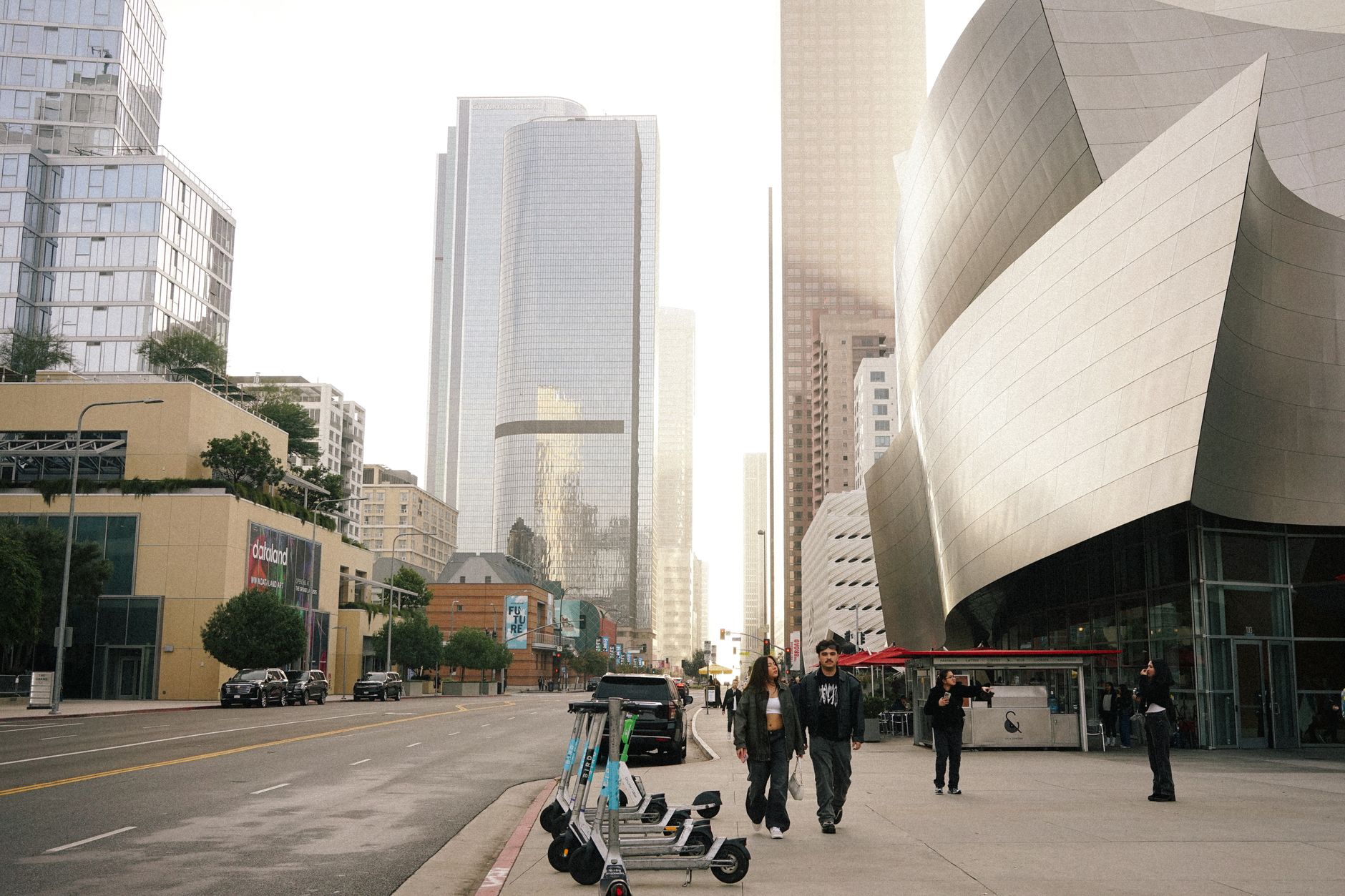
The architecture alone spans a century of ambition: Frank Gehry's stainless-steel Walt Disney Concert Hall, Richard Meier's hilltop Getty Center, the 1893 Bradbury Building with its cast-iron balconies, and Union Station's 1939 fusion of Art Deco and Mission Revival. Each one is a different argument about what this place is.
Popular cities in Los Angeles, USA
💛 What travellers fall for
Regulars tend to anchor their visits to one neighborhood at a time rather than trying to cross the basin in a day. The E Line from Santa Monica into Culver City and on toward Exposition Park is the commute worth taking at least once — it gives the sprawl a legible spine. Book Getty Center tickets before you arrive; the tram ride up alone reframes the city below.
How Los Angeles, USA came to be
On September 4, 1781, the Spanish Governor of the Californias, Felipe de Neve, established El Pueblo de Nuestra Señora La Reina de Los Angeles de Portiuncula with 44 settlers — men, women and children drawn from Sonora and Sinaloa, known as Los Pobladores. Twenty-six of those founders were of Black and mulatto descent, a fact the city's mythology long underplayed. By 1800 the pueblo held 315 people in 30 adobe dwellings.
Mexican governance gave way to American in 1846, and incorporation as a US city followed in 1850. The Santa Fe railroad arrived from Chicago in 1885, and the Los Angeles Aqueduct — completed in 1913 — made the growth that followed possible. Each infrastructure project rewrote who the city could become.
Who and what shaped it
People who shaped it
Landmark buildings
See Los Angeles, USA in motion
Plan your visit
On the map
When to go
Summers are dry and reliably sunny, with highs around 27°C and cool nights. Winter brings the region's rain, mostly between November and March, but the city still averages 3,250 hours of sunshine a year — shoulder seasons in spring and autumn are often the most comfortable time to move around on foot.
Right now
↡ Cities
Background & history adapted from Wikipedia (CC BY-SA) · specs from Wikidata (CC0) · weather from Open-Meteo · map data © OpenStreetMap contributors · photos from Wikimedia Commons / Unsplash with per-image credit. No third-party reviews or social posts reproduced.