
Griffith Park
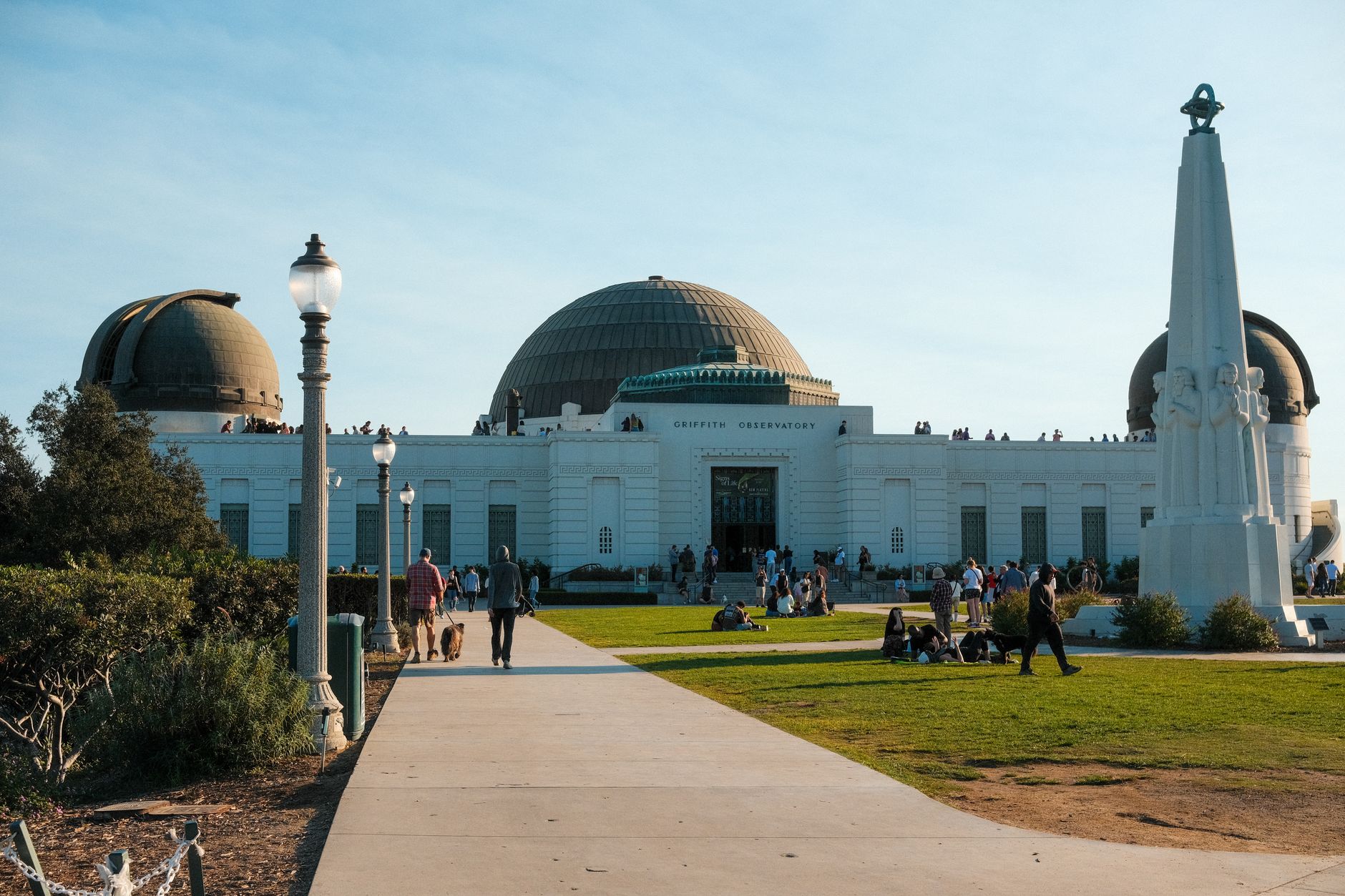
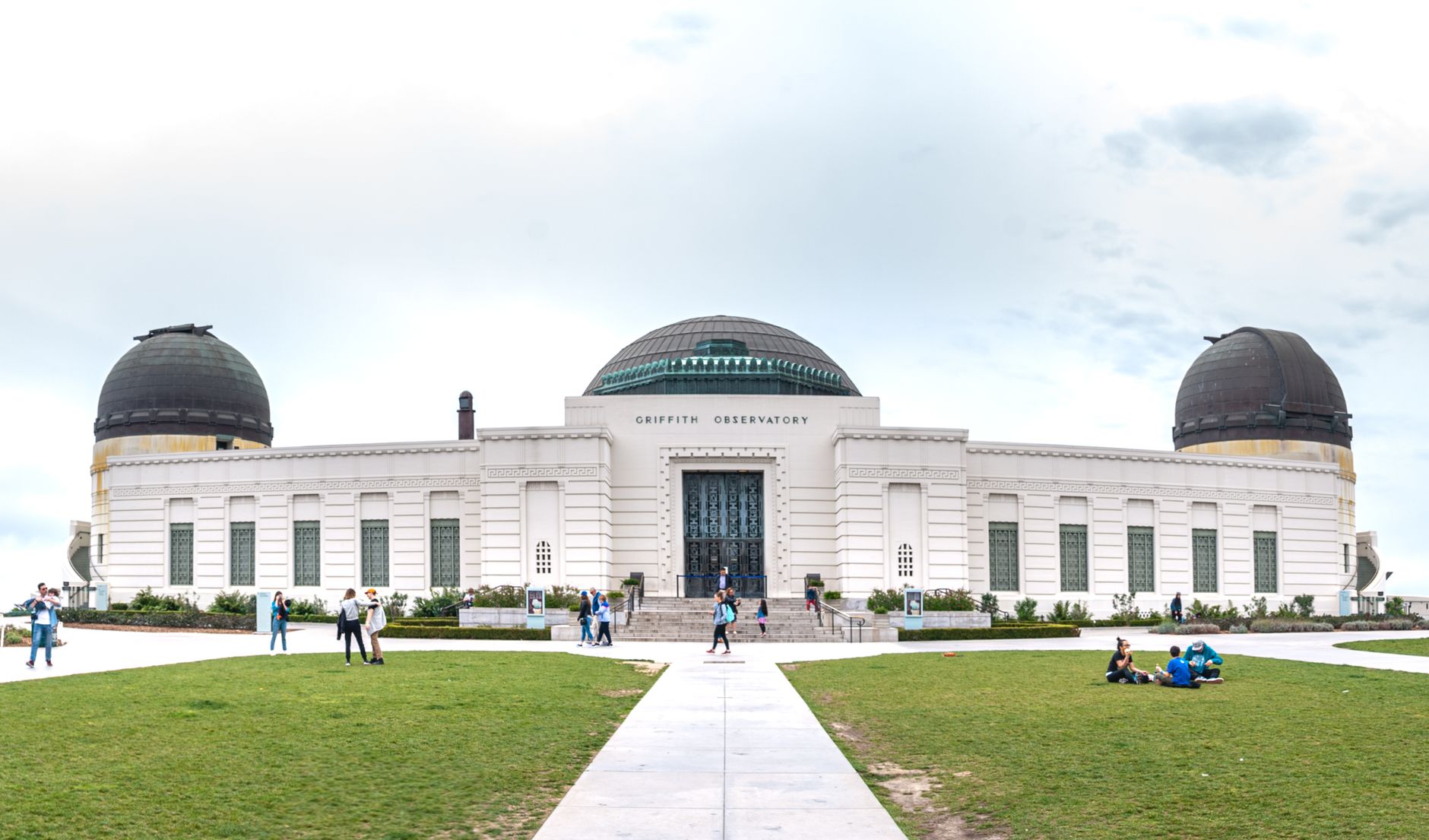
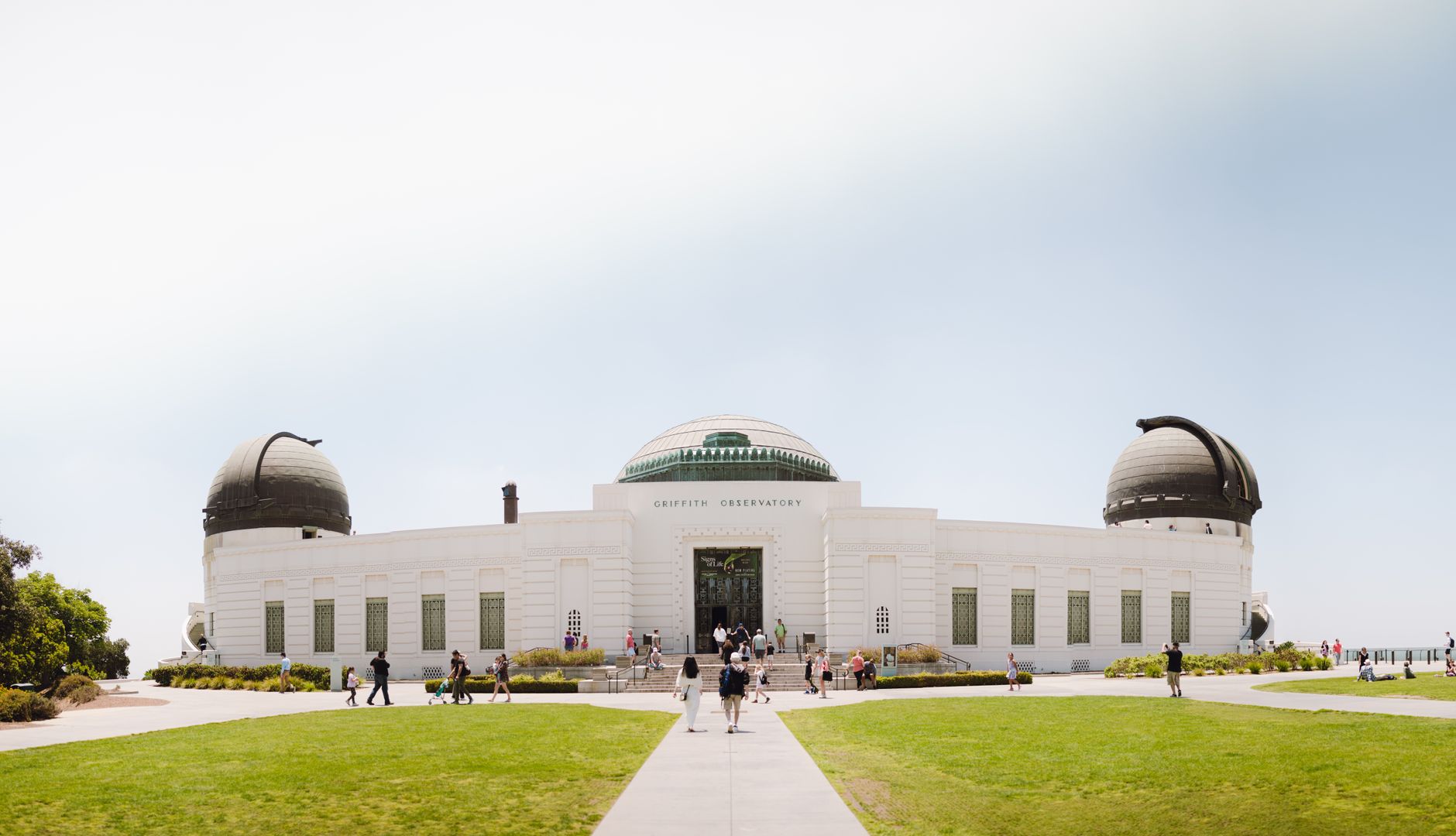
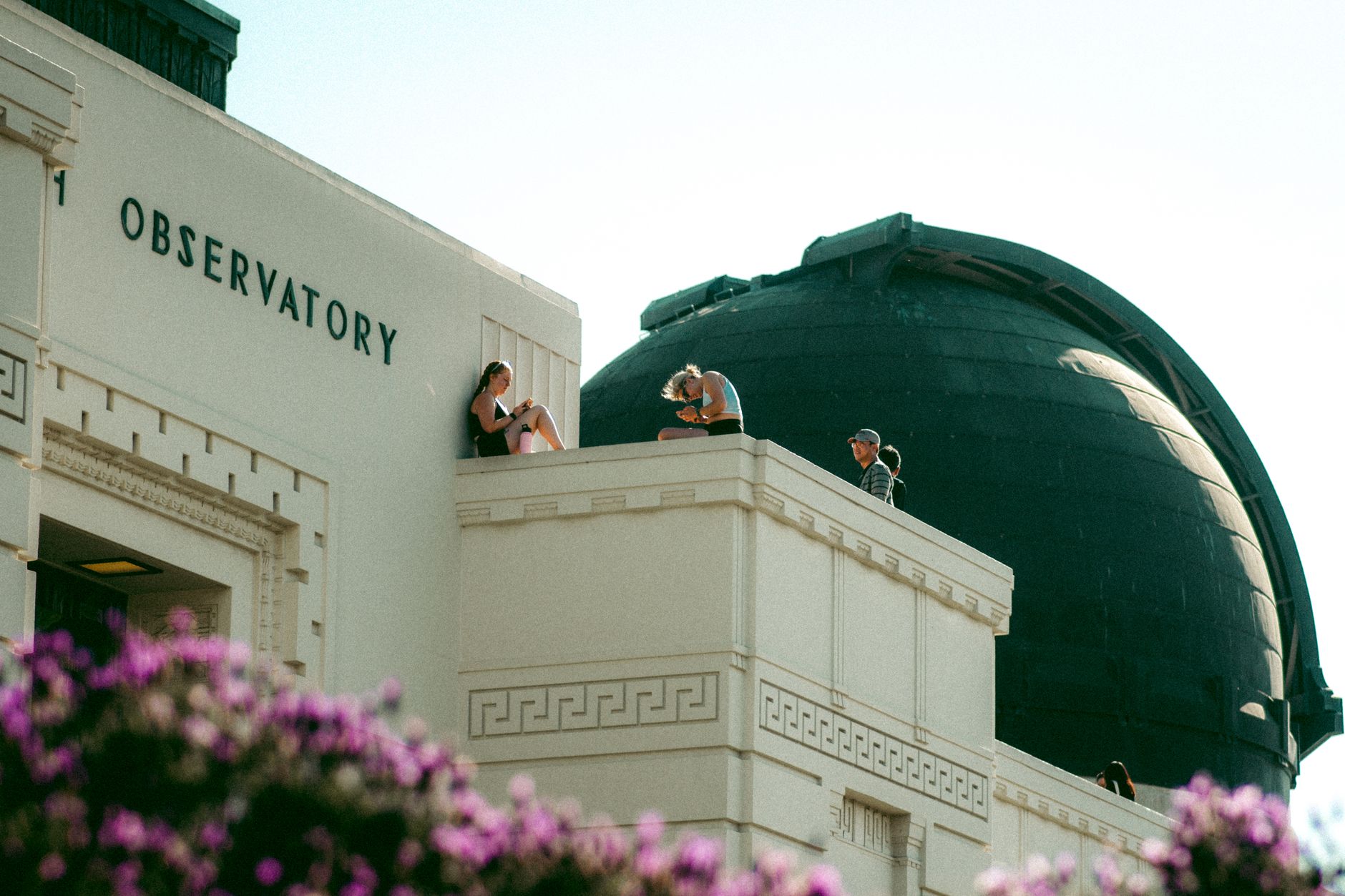
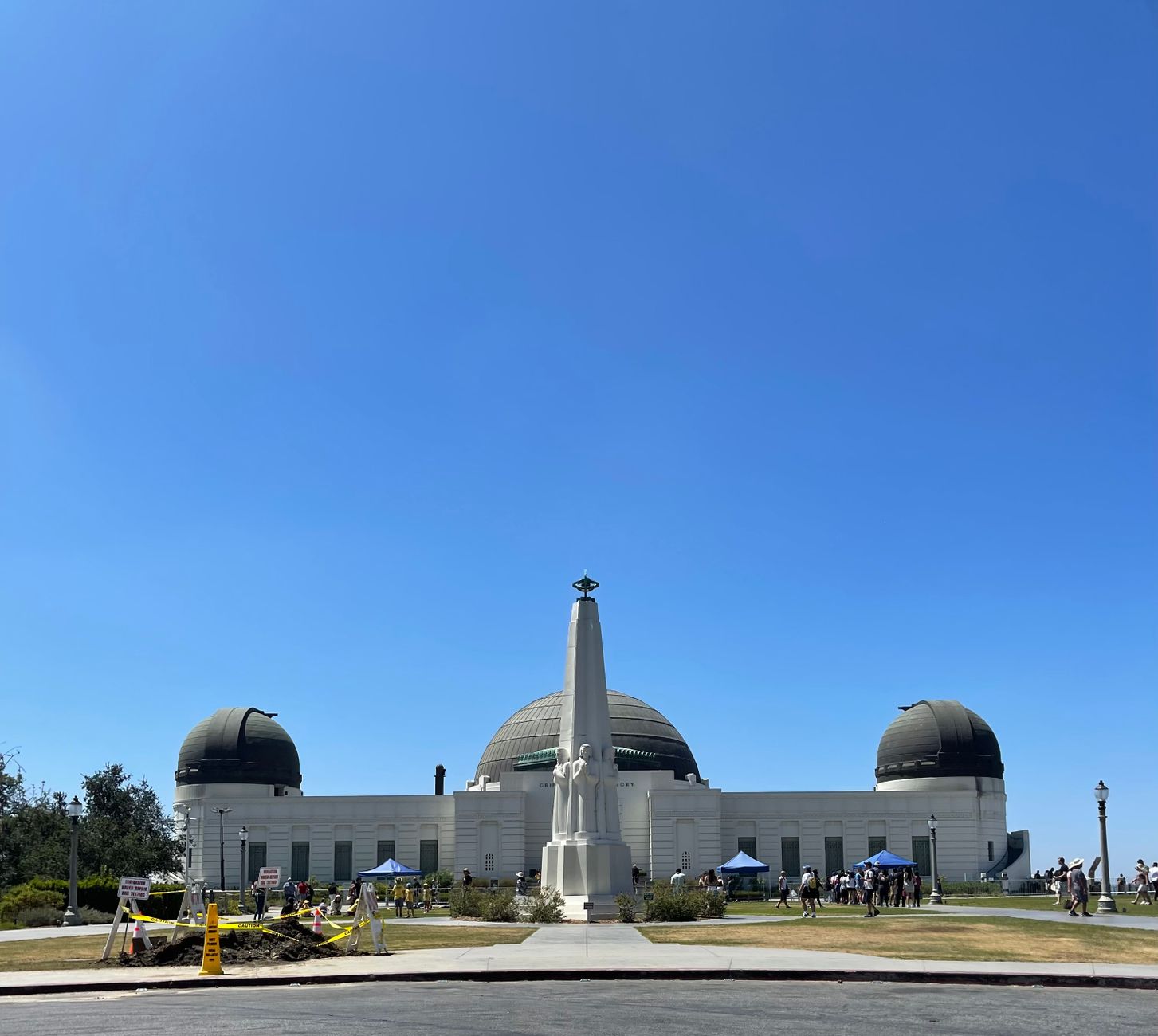
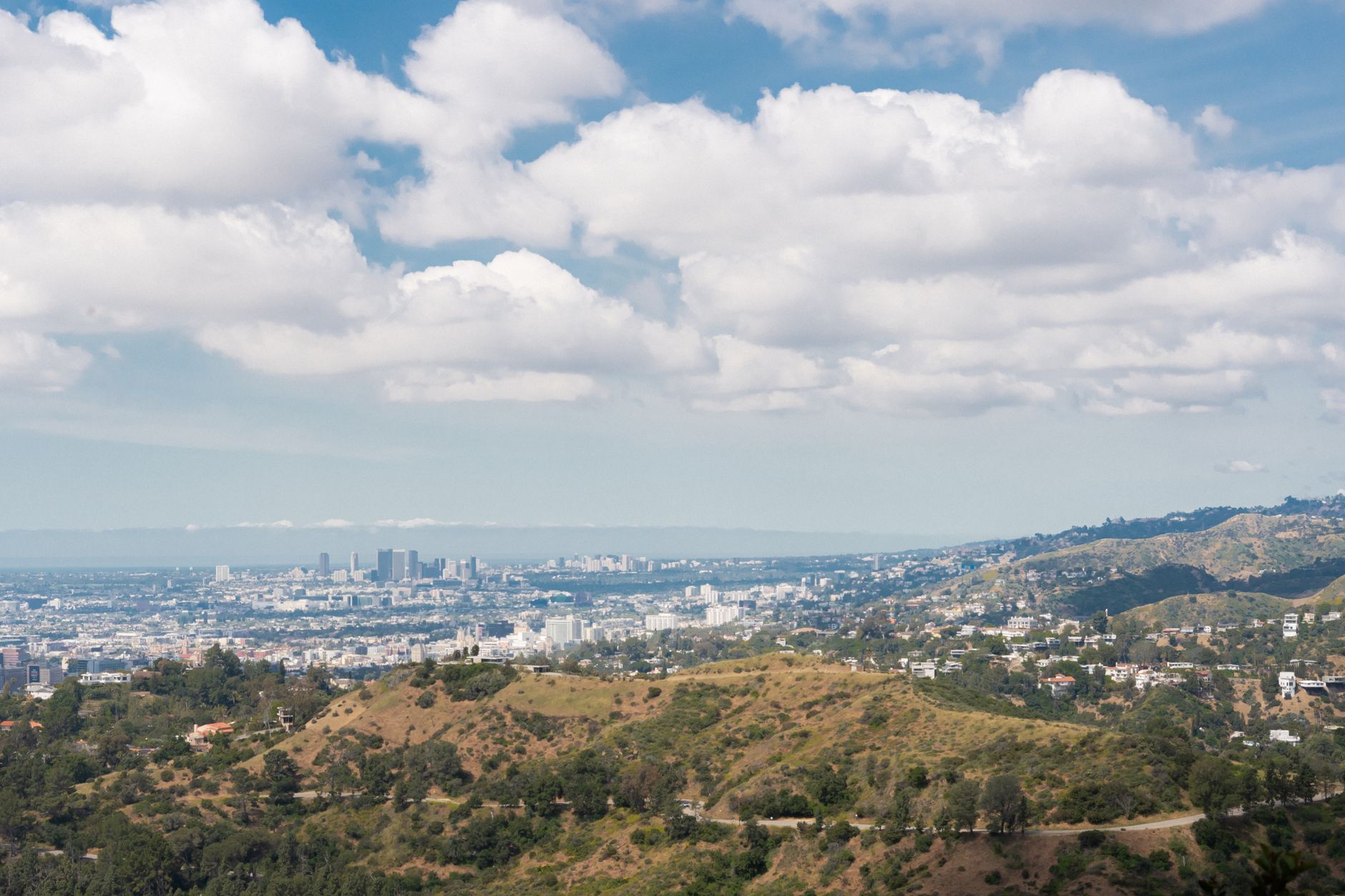
At 4,310 acres, Griffith Park is one of the largest urban parks in the United States, and it earns that scale. The Griffith Observatory sits on the south slope of Mount Hollywood with its copper domes catching the last light over the basin, and on a clear evening the view stretches from downtown's glass towers to the Pacific. Below it, trails branch through chaparral, a 1930 Greek Theatre settles into a canyon, and a carousel built in 1924 still turns at Crystal Springs.
The park holds more of Los Angeles's actual history than most of the city bothers to remember — aviation pioneers, old zoo cages left to weather in the hills, the Hollywood Sign's original real-estate hustle — all within a few miles of each other.
💛 What travellers fall for
People who come back tend to time the Observatory visit carefully: Tuesday through Friday, just after noon, before the school groups arrive. The DASH shuttle from the Vermont/Sunset Metro stop costs fifty cents and saves a genuine headache. Ferndell, the woodland garden on the southern edge, is quieter than the main trails and worth the detour.
Deals in Griffith Park
Book directly at the provider

How Griffith Park came to be
On December 16, 1896, a Welsh immigrant named Griffith J. Griffith handed the City of Los Angeles 3,015 acres as a Christmas gift. He had bought 4,071 acres of the old Rancho Los Feliz in 1882, made his money speculating on California gold mines, and apparently decided the land should belong to the public. His wife Mary Agnes co-signed the donation. Griffith died in 1919, leaving a trust to develop the park further.
What followed was decades of incremental institution-building: the Ferndell garden in 1910, the Greek Theatre completed in 1930, the Observatory finished in 1935. A short-lived aviation field hosted Glenn L. Martin and a young Bill Boeing before closing in 1939. The original zoo ran from 1912 to 1966, when it was replaced by the current Los Angeles Zoo. The Autry Museum of the American West opened in 1988. The park was designated a Historic-Cultural Monument in 2009.
Who and what shaped it
People who shaped it
Landmark buildings
See Griffith Park in motion
Plan your visit
On the map
When to go
Most of the year runs warm and dry, with average highs near 75°F — comfortable for hiking in the morning, punishing on exposed trails like the Hollywood Sign route by midday. Bring water and sun protection regardless of season; the chaparral offers almost no shade, and the park recorded a high of 114°F in September 2020.
Right now
Background & history adapted from Wikipedia (CC BY-SA) · specs from Wikidata (CC0) · weather from Open-Meteo · map data © OpenStreetMap contributors · photos from Wikimedia Commons / Unsplash with per-image credit. No third-party reviews or social posts reproduced.