
West Hollywood
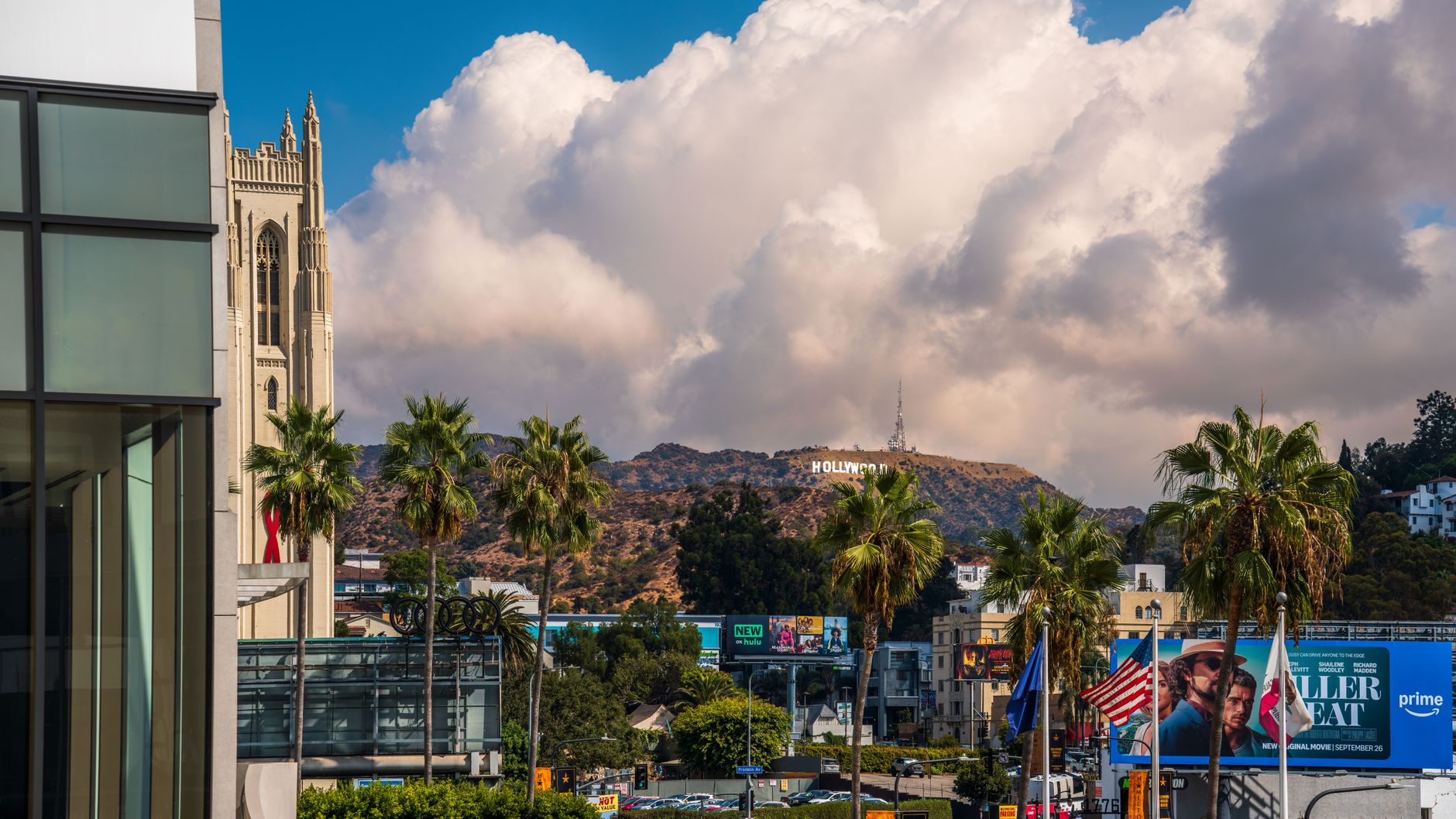
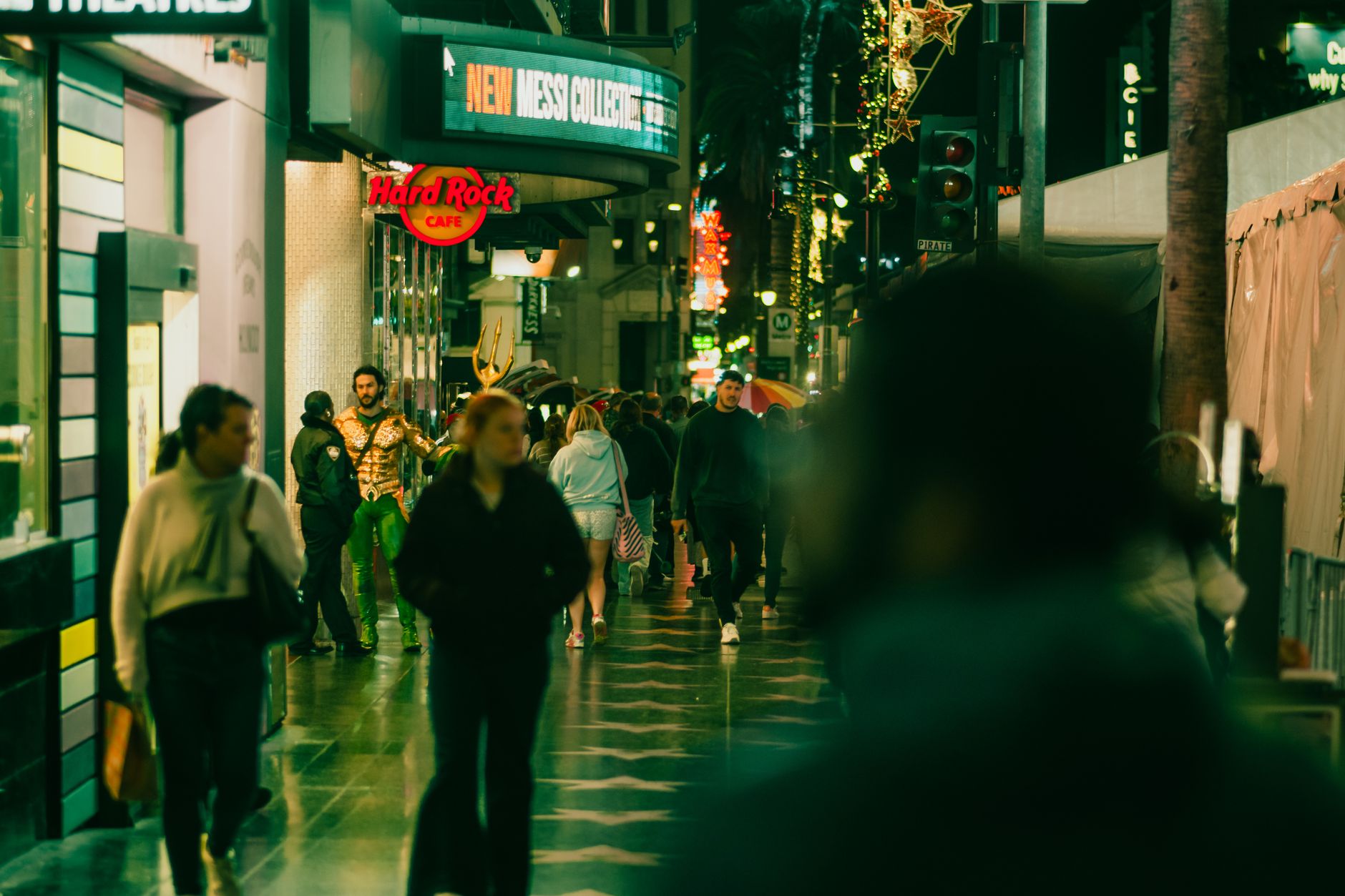
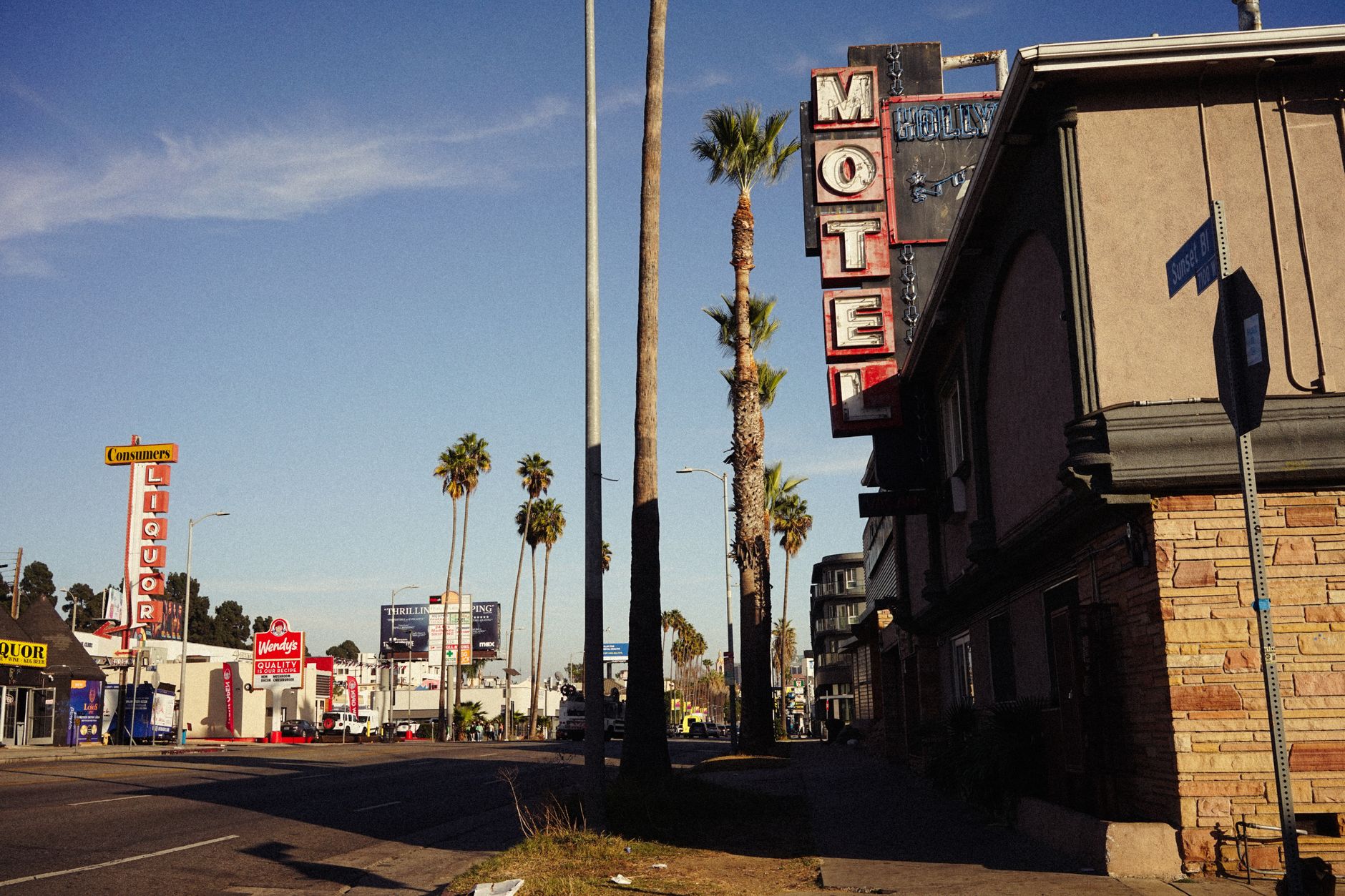
West Hollywood sits on 1.9 square miles between Beverly Hills and Hollywood proper, and it punches well above that modest footprint. The Sunset Strip alone — 1.7 miles of Sunset Boulevard between Crescent Heights and Doheny — has hosted more mythologies per block than most cities manage in their entirety: the Whisky a Go Go opened here in 1965, the Pacific Design Center's blue-glass bulk (locals call it the Blue Whale) anchors the design district, and the Harper District's Spanish courtyard apartments still stand, terracotta tiles and all, from the 1920s.
What makes WeHo distinct from its neighbors is the story of how it became a city at all: a coalition of seniors and gay activists, bound by renters' rights, pushed through incorporation in 1984. That civic origin shapes the place still — in its politics, its Pride celebrations, and the particular density of life along Santa Monica Boulevard.
💛 What travellers fall for
People who keep coming back tend to walk the Harper District early, before the heat settles in — the Spanish courtyard complexes on those residential blocks north of Santa Monica are worth the detour. They also know that the free PickUp shuttle on Friday and Saturday nights, running until 3 a.m., is the sensible way to move between the Strip and the boulevard.
Deals in West Hollywood
Book directly at the provider

How West Hollywood came to be
The land that became West Hollywood started as a railroad worker's settlement called Sherman, named for Moses Hazeltine Sherman, who in 1886 bought a section of Rancho La Brea to lay track for electric railways connecting Los Angeles to Santa Monica. A water system followed in 1896, and by 1925 the residents had voted to rename the place West Hollywood — though it remained unincorporated county territory for another six decades.
That unincorporated status mattered. Without city oversight, the Strip became a zone of relative permissiveness, drawing clubs, billboards, and, eventually, the music industry. Meanwhile, a large population of renters — many of them elderly, many of them gay — organized around shared vulnerabilities. On November 29, 1984, West Hollywood voted itself into existence as one of the first cities in the United States with an openly gay majority on its city council.
Who and what shaped it
People who shaped it
Landmark buildings
See West Hollywood in motion
Plan your visit
On the map
When to go
West Hollywood runs warm and dry most of the year — summers are reliably sunny and can push into the high 80s Fahrenheit, while winters are mild enough for a light jacket at most. The Santa Ana winds arrive in fall and can spike temperatures unexpectedly; spring is generally the most temperate season for walking the streets.
Right now
Background & history adapted from Wikipedia (CC BY-SA) · specs from Wikidata (CC0) · weather from Open-Meteo · map data © OpenStreetMap contributors · photos from Wikimedia Commons / Unsplash with per-image credit. No third-party reviews or social posts reproduced.