
Westwood
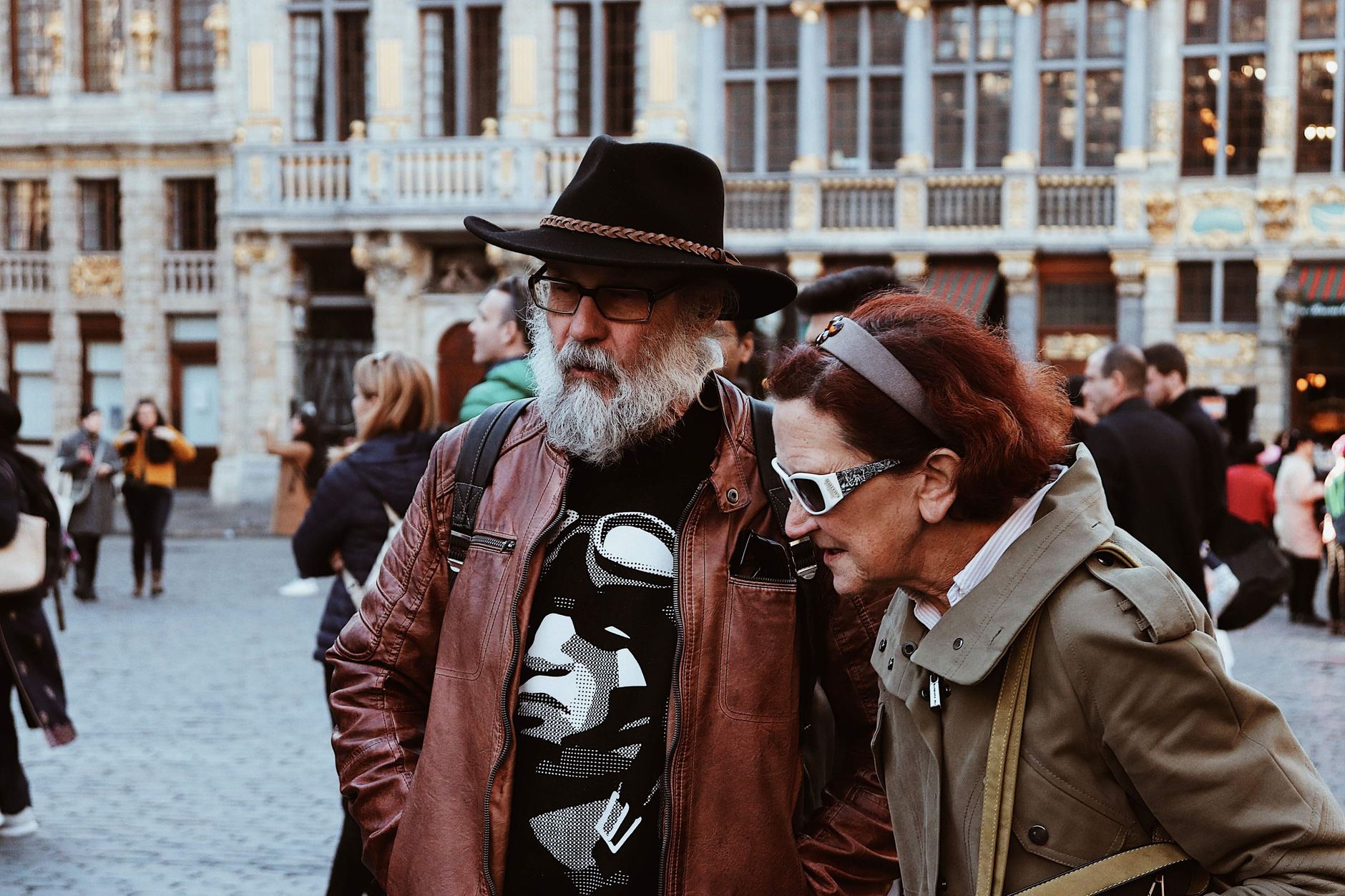

The 170-foot tower of the Mann Village Theater still anchors Broxton Avenue the way it did in 1931, a terracotta landmark that once drew Angelenos out to the western edge of the city for a night at the movies. Westwood grew up fast and with intention — a planned village laid over ranchland, its Mediterranean clay roofs and tiled paseos designed to feel like somewhere that had been there for centuries.
Today it runs on two rhythms: the UCLA campus pulling students and academics through its gates, and Westwood Boulevard south of Wilshire quietly holding one of the country's most significant Persian commercial corridors — restaurants, bookshops, rug dealers and grocers that took root after 1979 and never left.
💛 What travellers fall for
People who come back tend to anchor their afternoons at the Hammer Museum — free admission, serious programming, a courtyard that earns a longer sit than you planned. Then they walk south on Westwood Boulevard for dinner somewhere along the Tehrangeles strip, where the menus reward the curious rather than the cautious.
Deals in Westwood
Book directly at the provider

How Westwood came to be
Arthur Letts, who built his fortune on the Broadway and Bullock's department stores, paid $2 million cash in 1919 for 3,296 acres of ranchland. He died before much was done with it, and his son-in-law Harold Janss took over, advertising new homes from 1922. The Village itself was planned in the 1920s — only the second planned commercial district of its kind in the country — with businesses opening in 1929, the same year UCLA welcomed its first students on the new Westwood campus.
The 405 Freeway arrived in 1962 and the Wilshire corridor began its vertical climb. Then, after the 1979 Iranian Revolution, a wave of Iranian immigrants settled here, and the stretch of Westwood Boulevard south of Wilshire gradually became what locals call Tehrangeles — a corridor that has outlasted every prediction of its impermanence.
Who and what shaped it
People who shaped it
Landmark buildings
See Westwood in motion
Plan your visit
On the map
When to go
Summers are mild and dry, with highs nudging the upper 70s into early fall — Westwood's Indian summer runs longer than you'd expect. After mid-October temperatures drop more sharply than in most of LA, and the neighborhood sees slightly more annual rainfall than the county average, so a layer and an umbrella earn their keep from November through March.
Right now
Background & history adapted from Wikipedia (CC BY-SA) · specs from Wikidata (CC0) · weather from Open-Meteo · map data © OpenStreetMap contributors · photos from Wikimedia Commons / Unsplash with per-image credit. No third-party reviews or social posts reproduced.