
Downtown Los Angeles
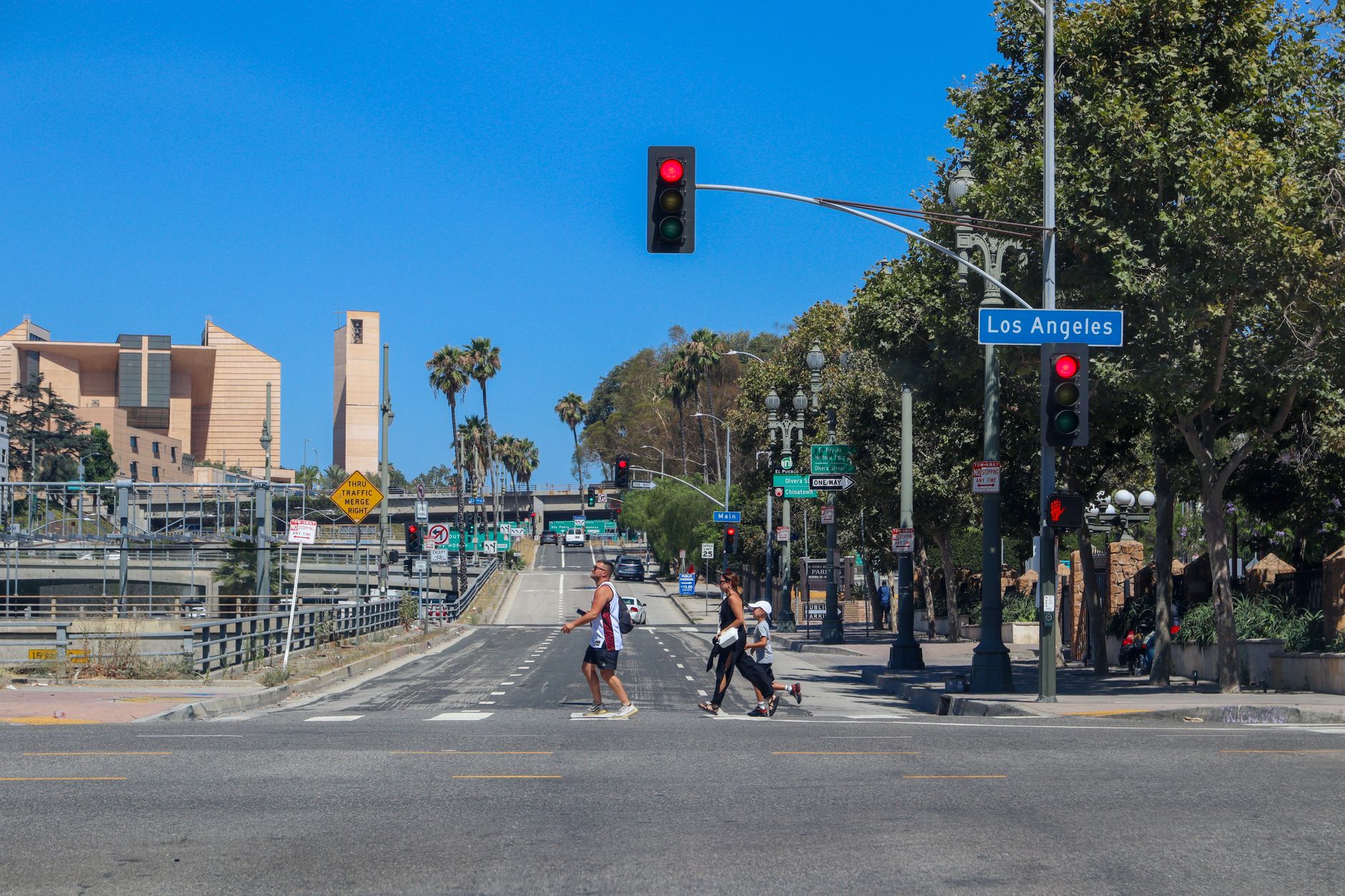
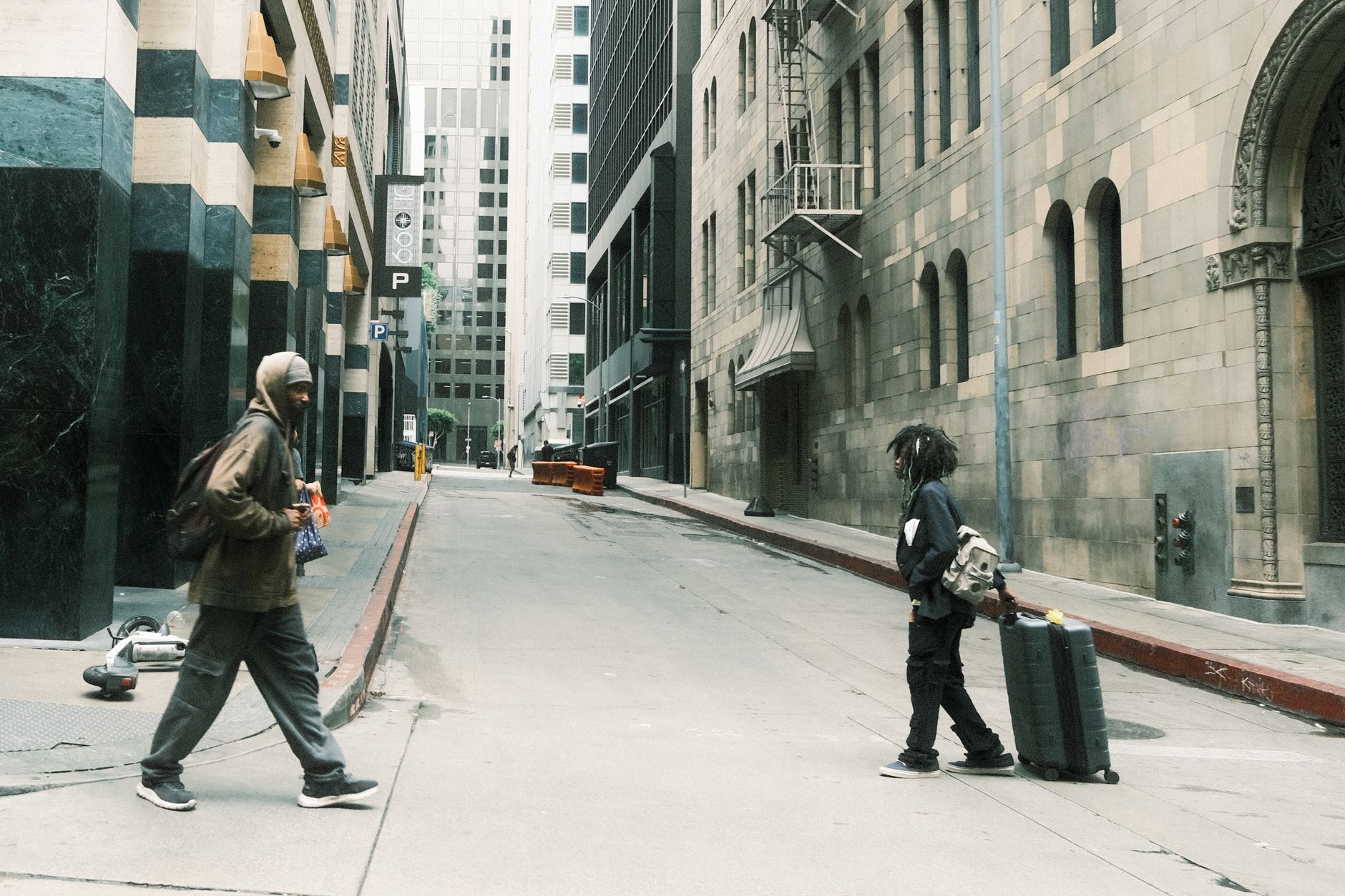
Stand inside the Bradbury Building on South Broadway and look up: a glass ceiling floods a Victorian atrium with light, iron railings curl in art nouveau loops, and two hydraulic elevators still run with human conductors. That one building tells you everything about Downtown Los Angeles — layers of ambition, neglect, and revival stacked so close together you can almost see the seams.
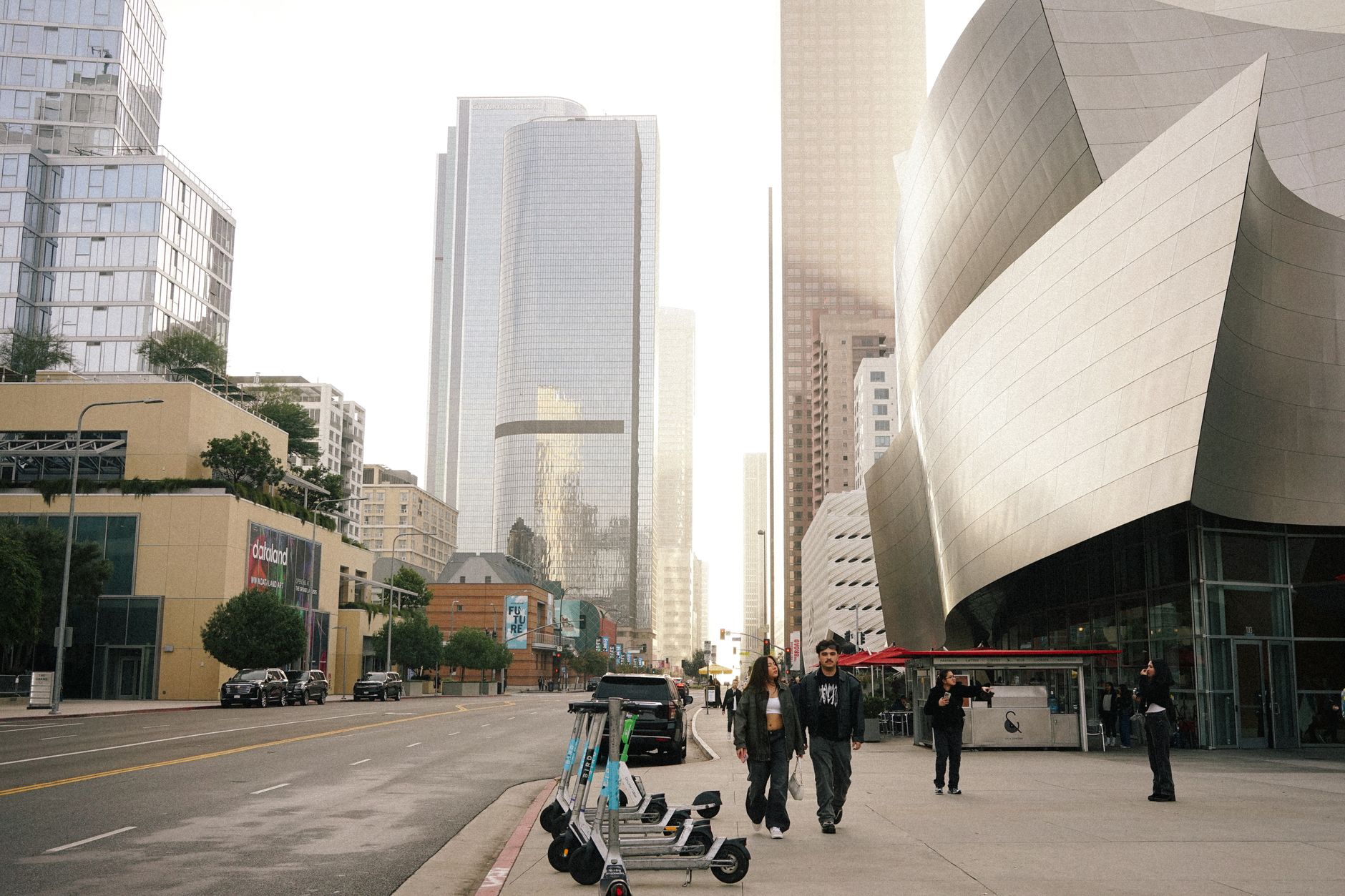
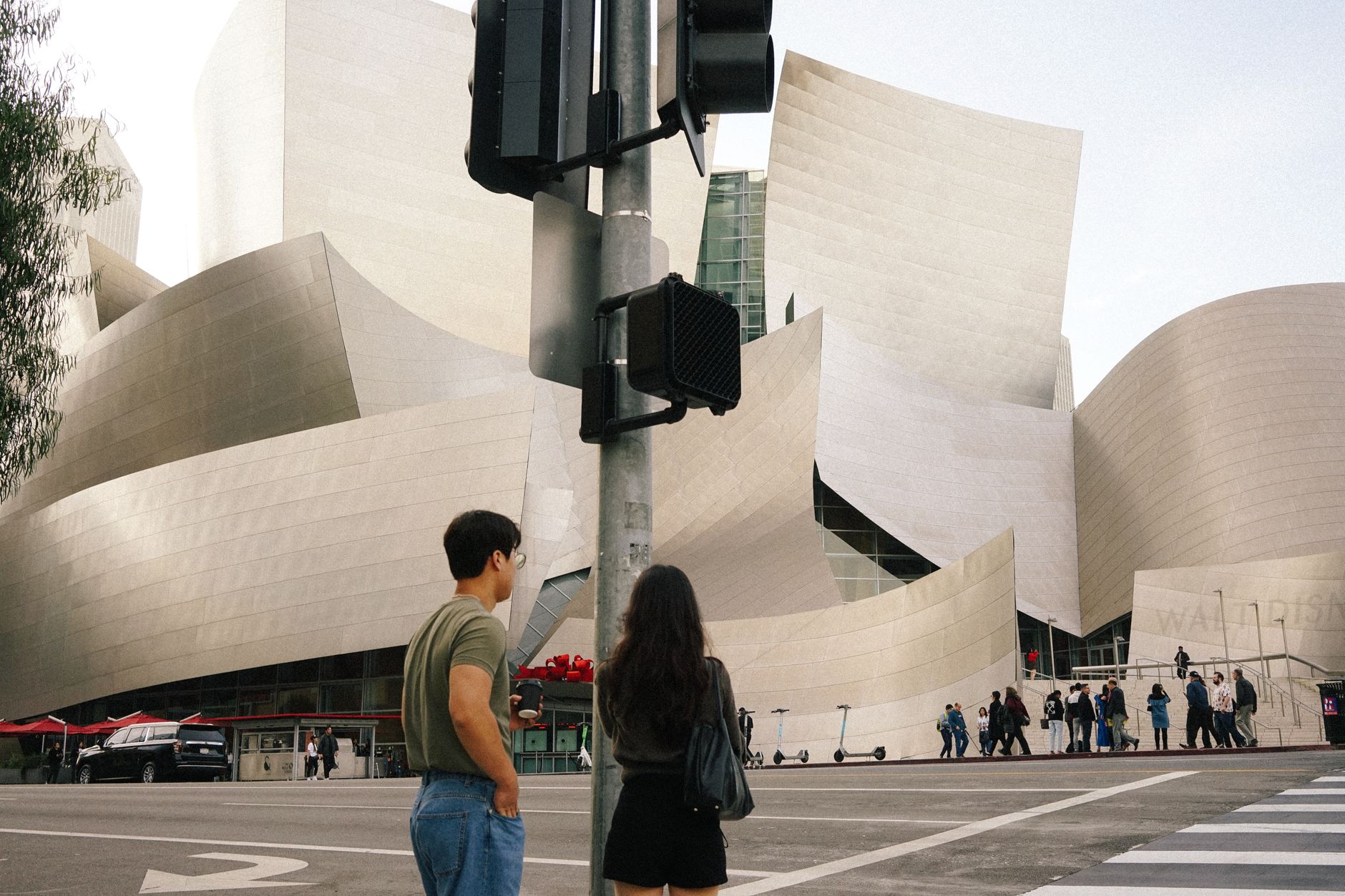
This is the oldest part of the city, founded in 1781 around a central plaza whose street grid you can still trace. It's also where the city keeps reinventing itself — Grand Central Market has been feeding Angelenos since 1917, and Walt Disney Concert Hall and The Broad arrived to anchor a new cultural district a century later.
💛 What travellers fall for
People who come back regularly tend to anchor their mornings at Grand Central Market — coffee, a breakfast taco, the particular noise of a place that has never stopped being a working market. From there, Broadway rewards slow walking: the Eastern Columbia Building's turquoise Art Deco facade, The Last Bookstore's tunnel of stacked paperbacks, the Bradbury's atrium if you haven't been in a while.
Deals in Downtown Los Angeles
Book directly at the provider
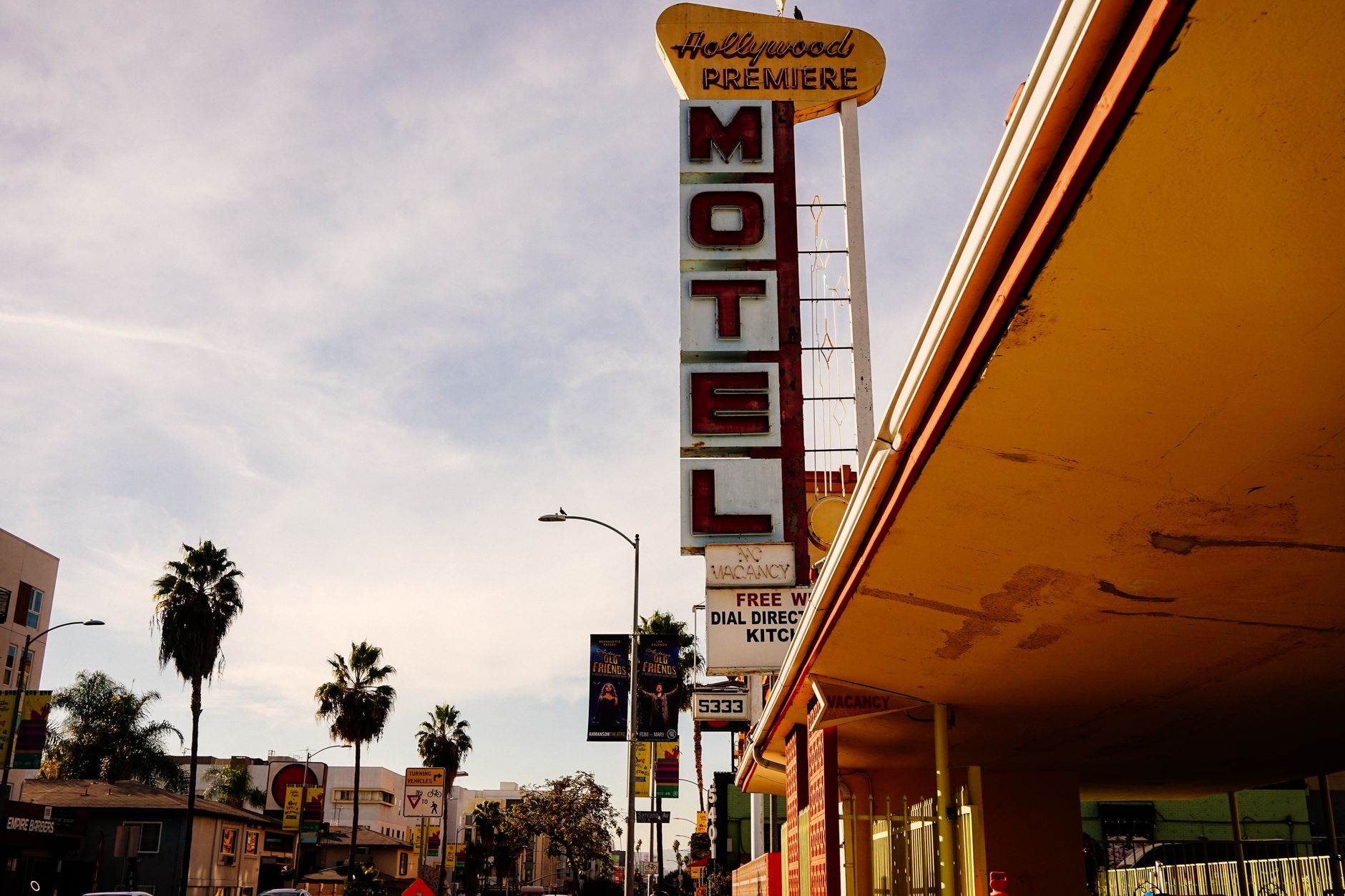

How Downtown Los Angeles came to be
On September 4, 1781, Governor Felipe de Neve led 44 settlers — eleven families from Sonora and Sinaloa — to found El Pueblo de Nuestra Señora la Reina de los Ángeles del Río de Porciúncula. The settlement was laid out in four square leagues around a central plaza, streets running at 45-degree angles, a geometry still legible in the oldest blocks near Olvera Street.
The Santa Fe railroad reached Los Angeles in 1885, and the business district pushed south along Spring and Main streets. By the mid-20th century, downtown had hollowed out as investment drained to the suburbs. The Metro Rail construction of the 1990s and the 1999 opening of what is now Crypto.com Arena began pulling it back. Developer Ira Yellin's purchase of the Bradbury Building in 1989 for $8 million — followed by a $7 million restoration — became a template for what the neighborhood could do with what it already had.
Who and what shaped it
People who shaped it
Landmark buildings
See Downtown Los Angeles in motion
Plan your visit
On the map
When to go
Winters are mild and occasionally rainy — the best time to find downtown at its least crowded. Summers are warm and dry, with evenings cooling enough to walk comfortably; the marine layer sometimes keeps mornings grey well into June.
Right now
Background & history adapted from Wikipedia (CC BY-SA) · specs from Wikidata (CC0) · weather from Open-Meteo · map data © OpenStreetMap contributors · photos from Wikimedia Commons / Unsplash with per-image credit. No third-party reviews or social posts reproduced.