
Boyle Heights
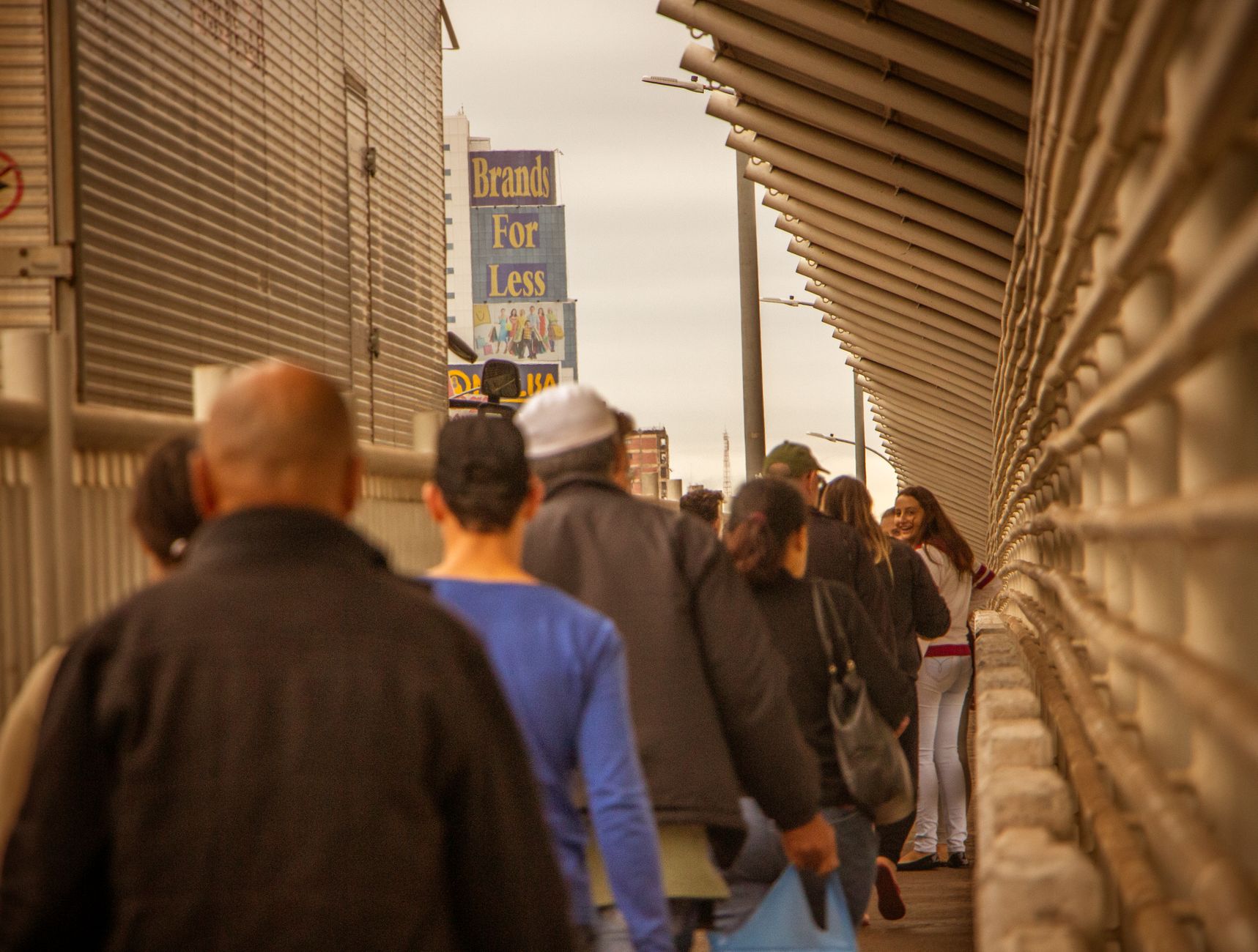
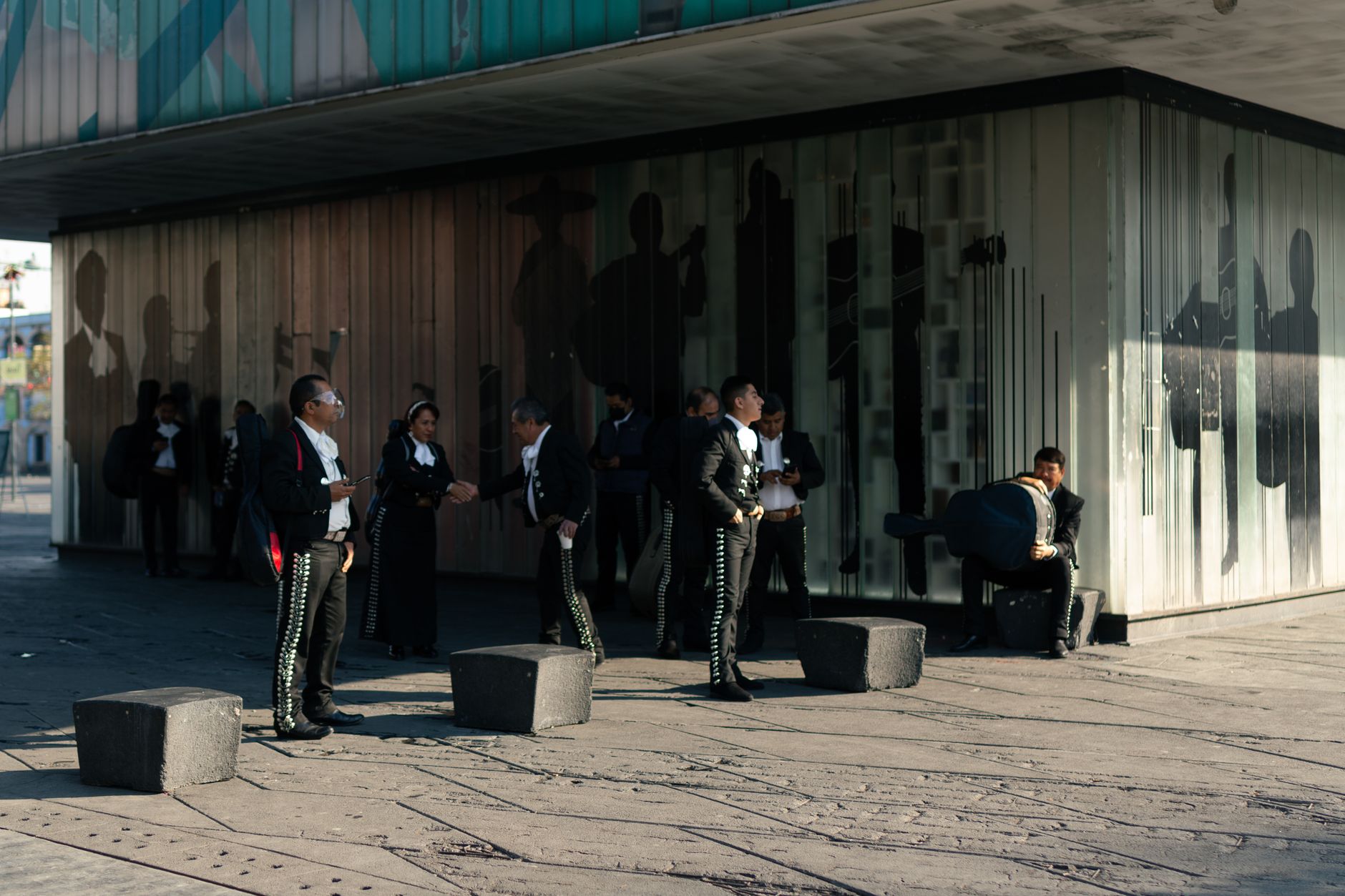
The stone gazebo at Mariachi Plaza was hand-carved by a sculptor from Jalisco and gifted by that Mexican state — and on most mornings you'll find musicians in their charro suits waiting nearby, available for hire, the way taxi drivers wait at a rank. That one corner tells you a lot about Boyle Heights: it layers its histories without apologizing for any of them.
This neighborhood east of the Los Angeles River has been, at different moments, a Tongva homeland, a Spanish colonial edge called El Parédon Blanco, a streetcar suburb for wealthy Protestants, the largest Jewish community west of Chicago, and a heart of Mexican-American Los Angeles. The streets hold all of it at once.
💛 What travellers fall for
People who come back tend to anchor on Avenida Cesar E. Chavez — formerly Brooklyn Avenue — for tacos in the morning and a slow walk past the Breed Street Shul, which still stands on its residential block like a reminder that this neighborhood's story runs deeper than any single chapter. The Boyle Hotel's corner turret is worth finding just to stand under it.
Experiences you don't want to miss


Deals in Boyle Heights
Book directly at the provider


How Boyle Heights came to be
Andrew Boyle, an Irish immigrant, bought land on the eastern bluffs above the Los Angeles River in 1858. After his death, his son-in-law William H. Workman — later a Los Angeles mayor — partnered with banker Isaias Hellman and John Lazzarovich to subdivide the land, and on April 8, 1875, the Los Angeles Express announced Boyle Heights as a new neighborhood for sale on installment. An 1876 bank crash stalled things, but by 1890 the western slopes held roughly 2,000 residents, mostly affluent white Protestants on large estates.
The twentieth century remade it entirely. Jewish families arrived in large numbers through the 1920s and 1930s, making it the largest Jewish community west of Chicago — the Breed Street Shul, opened in 1923, was the west coast's first synagogue of its scale. Japanese-Americans settled here too, until internment during World War II fractured that community. Edward Roybal became the city's first Latino councilman in 1949, his first act a protest against racial discrimination. Brooklyn Avenue was renamed Avenida Cesar E. Chavez in 1995, a quiet, durable signal of where the neighborhood had arrived.
Who and what shaped it
People who shaped it
Landmark buildings
See Boyle Heights in motion
Plan your visit
On the map
When to go
Los Angeles east of the river runs warmer and drier than the coastal side of the city. Summers are long and genuinely hot; spring and autumn are the most comfortable seasons for walking the streets. Winter is mild but can bring a week or two of real rain.
Right now
Background & history adapted from Wikipedia (CC BY-SA) · specs from Wikidata (CC0) · weather from Open-Meteo · map data © OpenStreetMap contributors · photos from Wikimedia Commons / Unsplash with per-image credit. No third-party reviews or social posts reproduced.