Region

Cambridge

City break Culture & history Romantic getaway

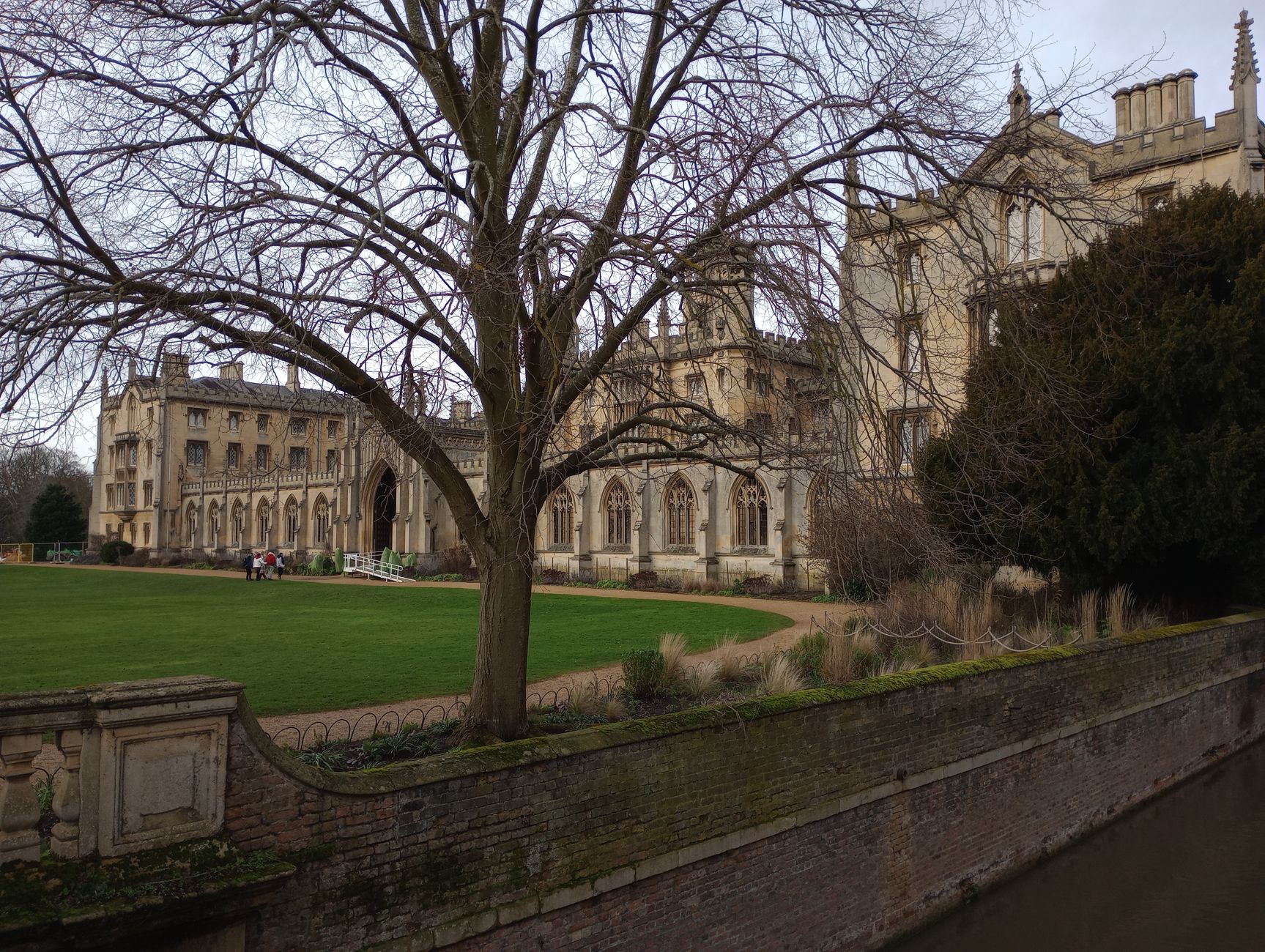
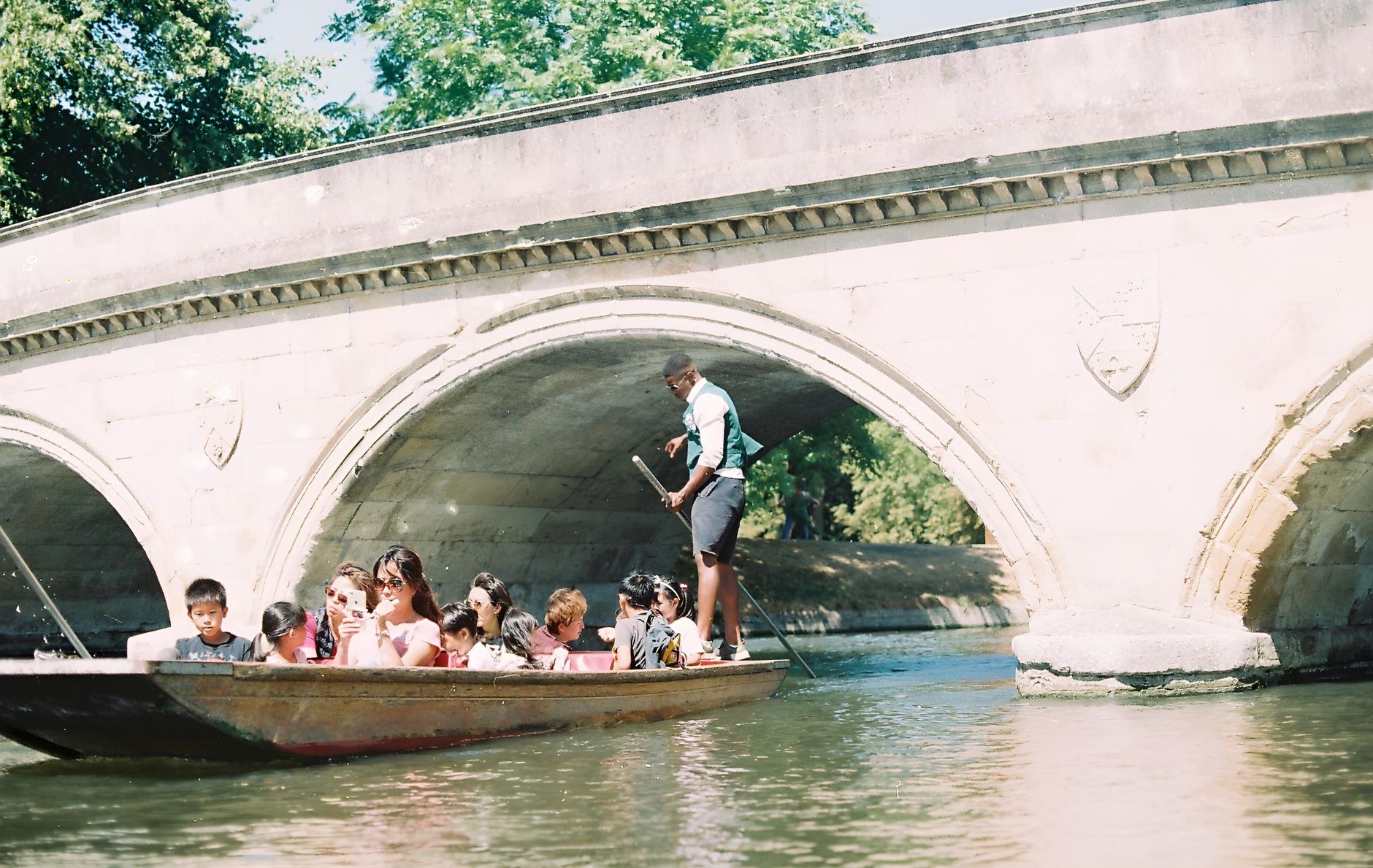
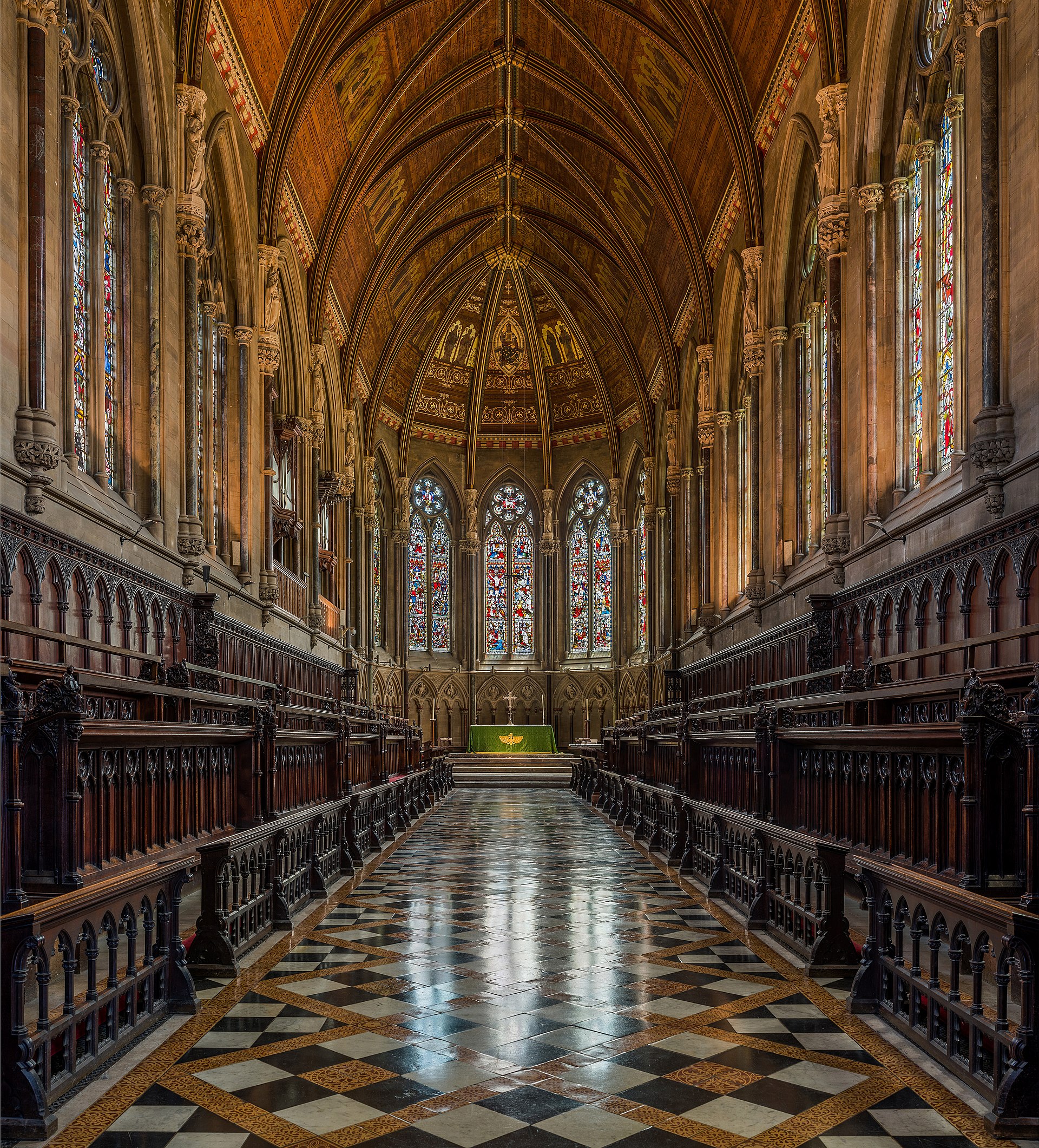
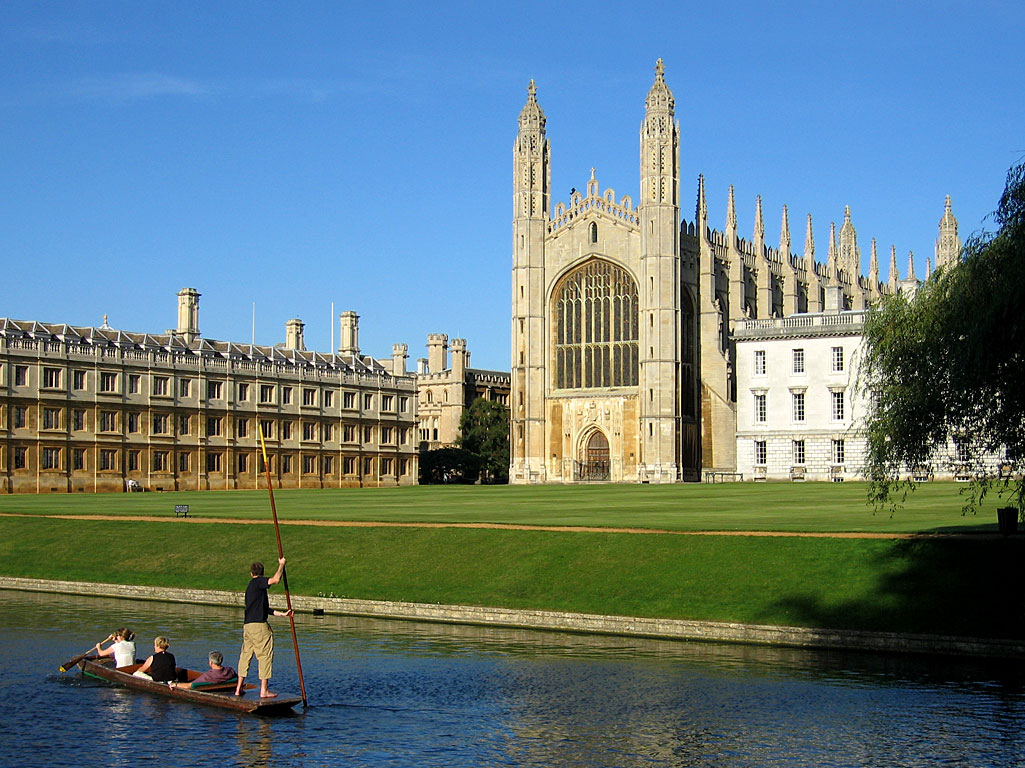
Stand on a bridge over the Cam on a still morning and you'll understand why people come here and struggle to leave. The river reflects the stone backs of colleges that have stood since the 1200s, and somewhere upstream a punt drifts past carrying a group who look entirely unsure of what they're doing with the pole. Cambridge is a working university city — lectures, bicycles, library queues — which means it has an energy that purely historic places lack.

The colleges are the draw, but the city around them earns its own attention: the Fitzwilliam Museum's half a million objects, the Round Church's Norman stonework from 1130, market stalls on the square that have been there in various forms for centuries.

Good to know
Direct trains from London King's Cross or Liverpool Street run in under an hour. Mid-May to September is the most comfortable window. The city is walkable and genuinely suited to a day trip, though a night or two lets you catch it when the day-visitors have gone.
The story

How Cambridge came to be

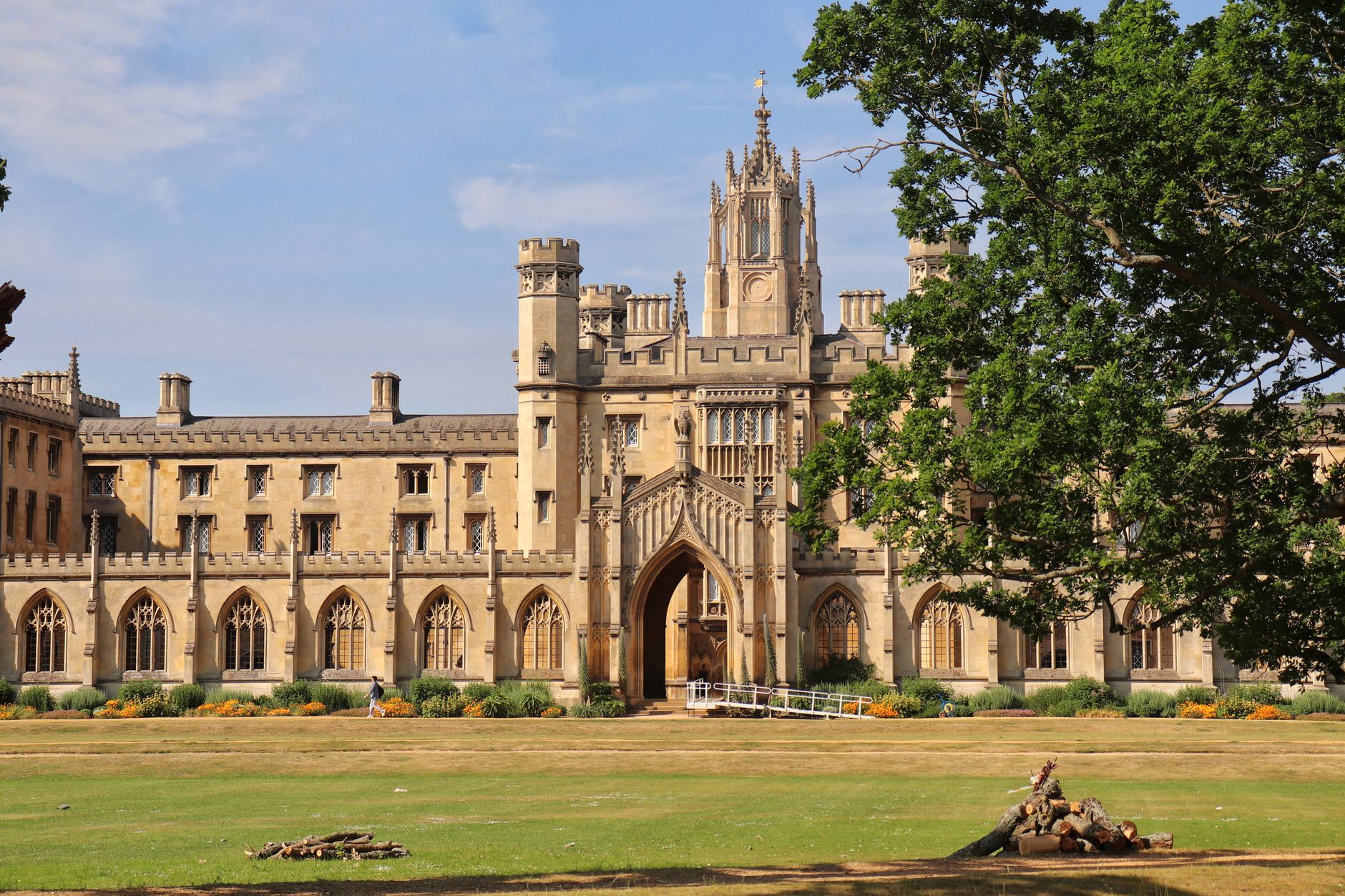
Oxford scholars fleeing a dispute with townspeople arrived here in 1209 and founded what would become one of the world's most consequential universities. The oldest surviving college, Peterhouse, was established in 1284. Over the following centuries, Henry VI began King's College Chapel in 1446 — it took five monarchs and nearly a hundred years to finish — and Henry VIII founded Trinity in 1546, whose Great Court remains one of the largest enclosed courtyards in Europe.

The city itself is older than its university. Romans traded here, Vikings settled, and William the Conqueror raised a castle on Castle Hill in 1068, the motte of which still exists. The railway arrived in 1845, connecting Cambridge to London and pulling it gradually into the modern world without quite letting it go of the medieval one.

People & landmarks

Who and what shaped it

People who shaped it

Isaac Newton
Studied at Trinity College; his Principia Mathematica first edition housed in Wren Library.
Charles Darwin
Cambridge University alumnus; naturalist who developed theory of evolution.
Stephen Hawking
Theoretical physicist and Cambridge University fellow.
Alan Turing
Mathematician and logician; Cambridge alumnus and pioneer of computer science.
Rosalind Franklin
Chemist and X-ray crystallographer; Cambridge-affiliated researcher.
John Maynard Keynes
Economist; Cambridge University fellow and influential 20th-century thinker.
Henry VI
Founded King's College in 1441; chapel begun 1446, completed over nearly a century.
Henry VIII
Founded Trinity College in 1546; Great Court is one of Europe's largest enclosed courtyards.
Hugo de Balsham
Bishop of Ely; founded Peterhouse in 1284, the oldest surviving college.
Lady Margaret Beaufort
Founded St John's College in 1511.

Landmark buildings

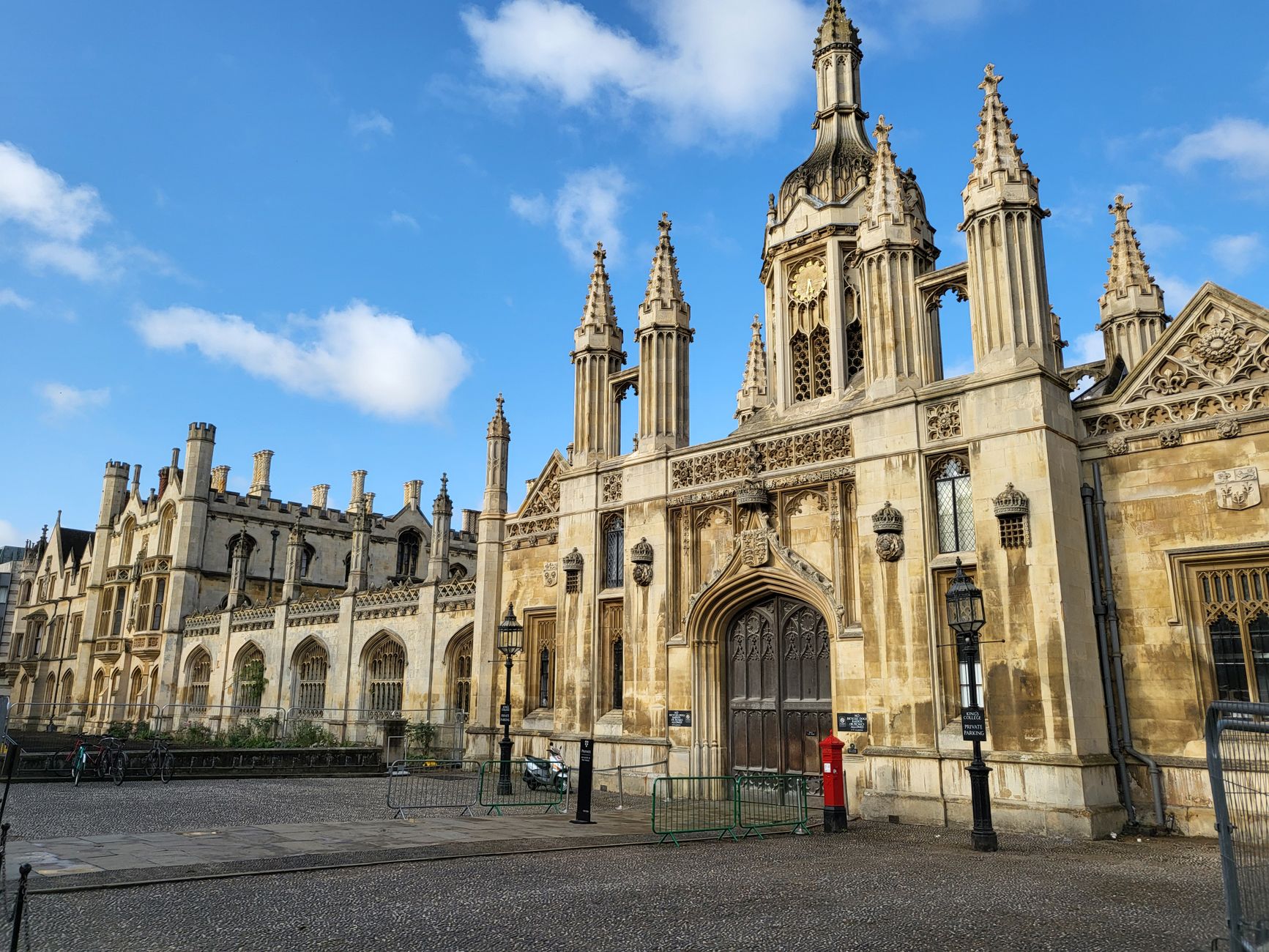
King's College Chapel
Begun 1446 by Henry VI; late Gothic with fan-vaulted ceiling and original stained glass, completed by five monarchs over nearly a century.
Round Church (Church of the Holy Sepulchre)
Norman structure from 1130, modelled on Holy Sepulchre in Jerusalem; one of only four round churches still standing in England.
Mathematical Bridge
Built 1749 by James Essex; composed entirely of straight timbers in sophisticated engineering design, rebuilt 1866 and 1905.
Trinity College
Founded 1546 by Henry VIII; Great Court is one of the largest enclosed courtyards in Europe.
Peterhouse
Established 1284 by Hugo de Balsham; oldest surviving college with buildings dating to 13th century.
Fitzwilliam Museum
Founded 1816; Grade-I-listed building housing over half a million works of art, masterpiece paintings, and historical artifacts.
Great St. Mary's Church
Dating to 13th century; University Church of Cambridge with Gothic architecture, grand nave, and ornate stained glass.
Wren Library
Designed by Sir Christopher Wren at Trinity College; houses Isaac Newton's Principia Mathematica first edition.
Senate House
Designed by James Gibbs in 1730; neoclassical building central to university administration.
Watch

See Cambridge in motion

Practical

Plan your visit

On the map

When to go

Cambridge is the driest part of Great Britain, with annual rainfall under 600mm, though that's a relative distinction — pack a compact umbrella regardless of the season. Summers are mild rather than warm, with July averaging around 18°C; winters are cold, grey and damp, with January hovering near 5°C.

Right now

17°C
Partly cloudy
Fri
26°
14°
Sat
20°
15°
Sun
22°
11°
Mon
23°
Weather data: Open-Meteo

↡ Cities


Background & history adapted from Wikipedia (CC BY-SA) · specs from Wikidata (CC0) · weather from Open-Meteo · map data © OpenStreetMap contributors · photos from Wikimedia Commons / Unsplash with per-image credit. No third-party reviews or social posts reproduced.

Top