
Fitzwilliam Museum
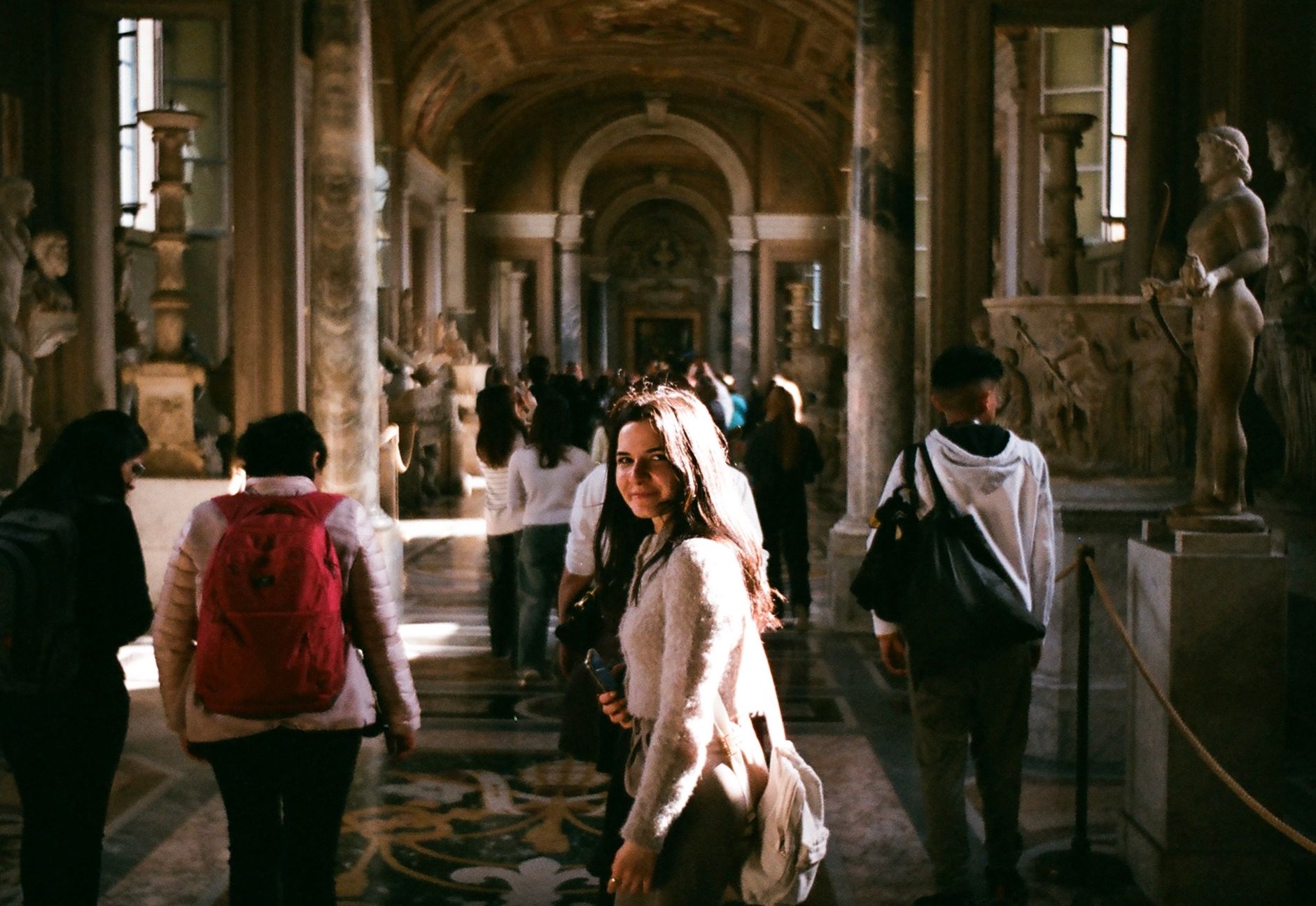
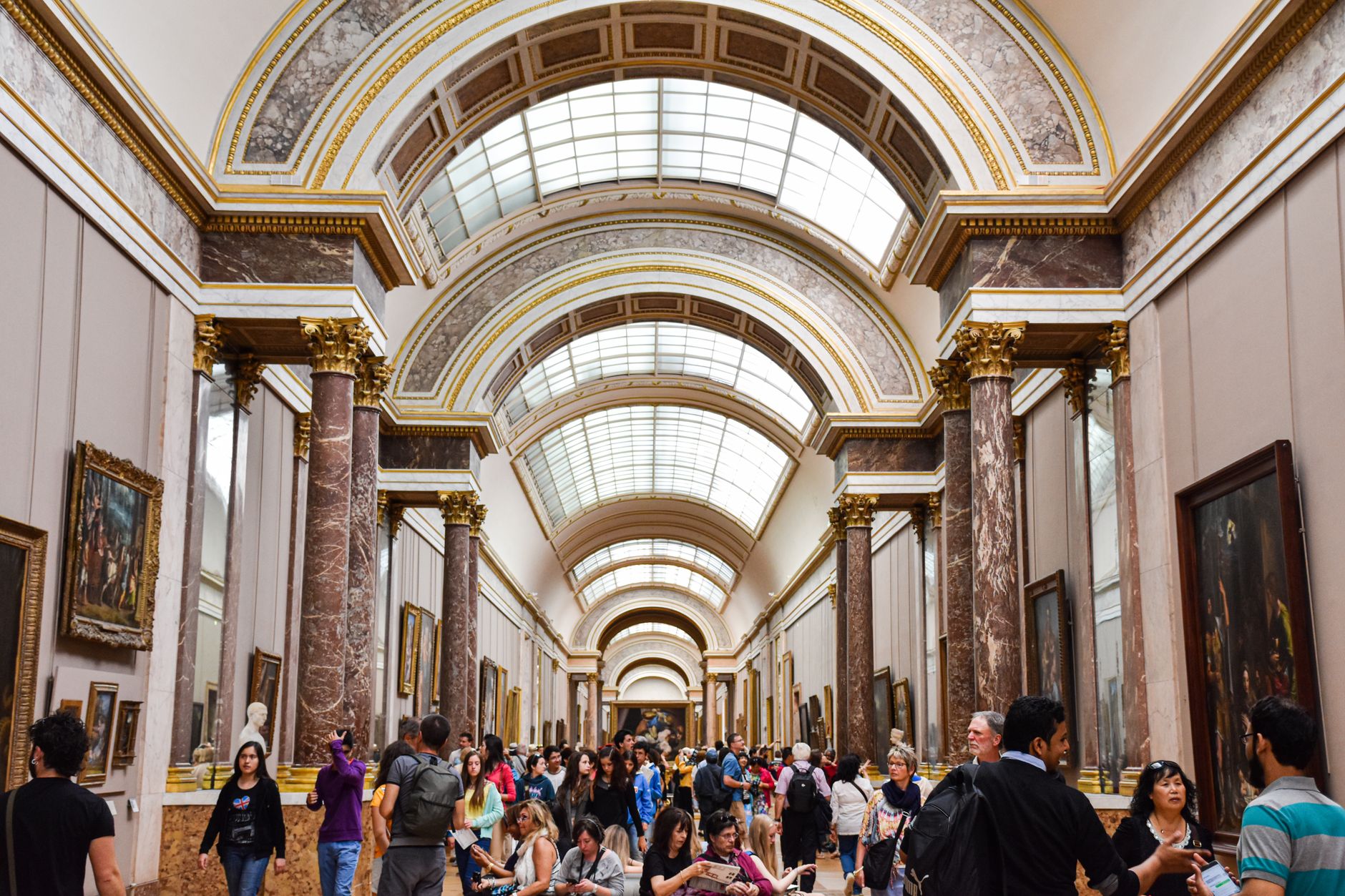
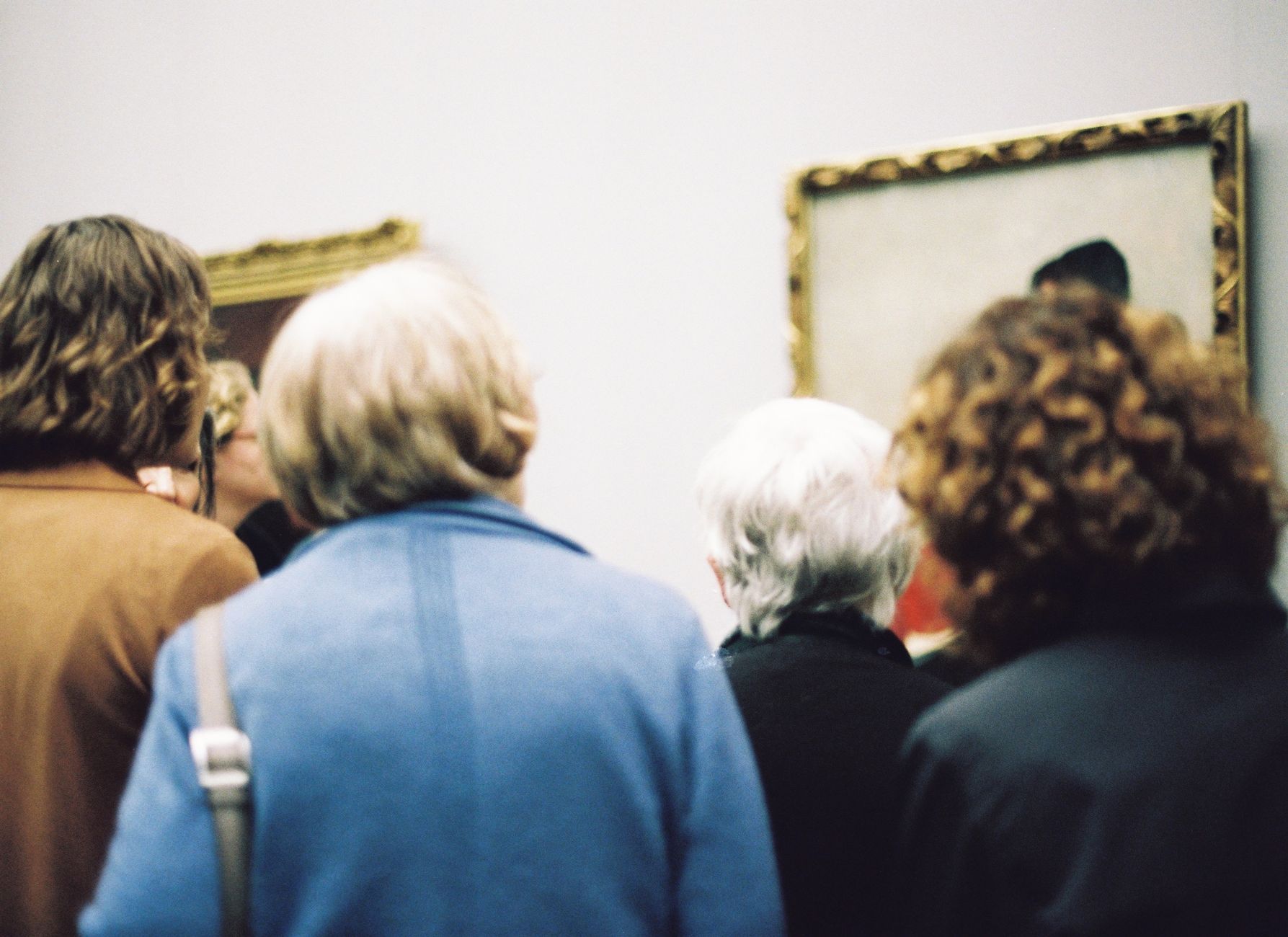
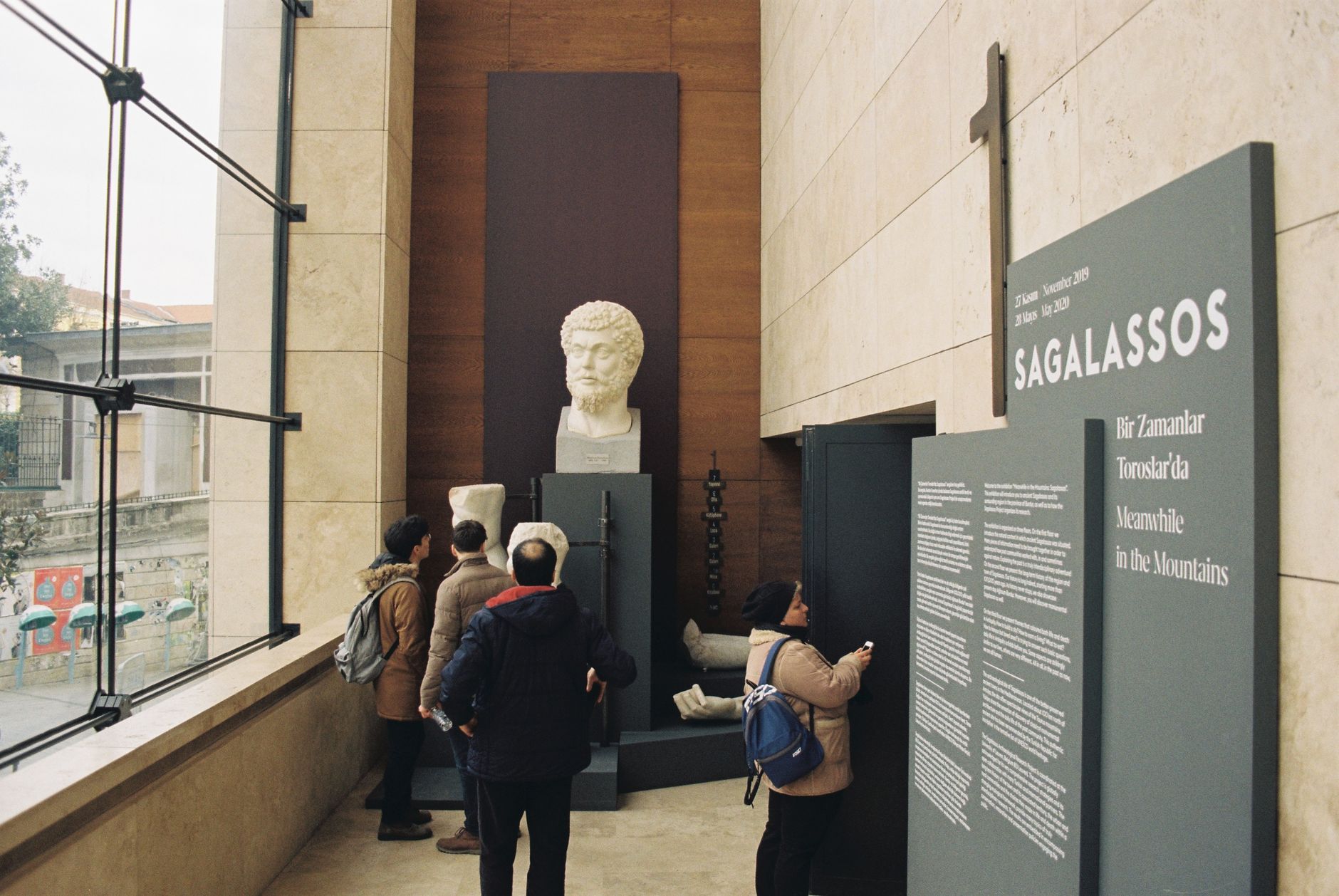
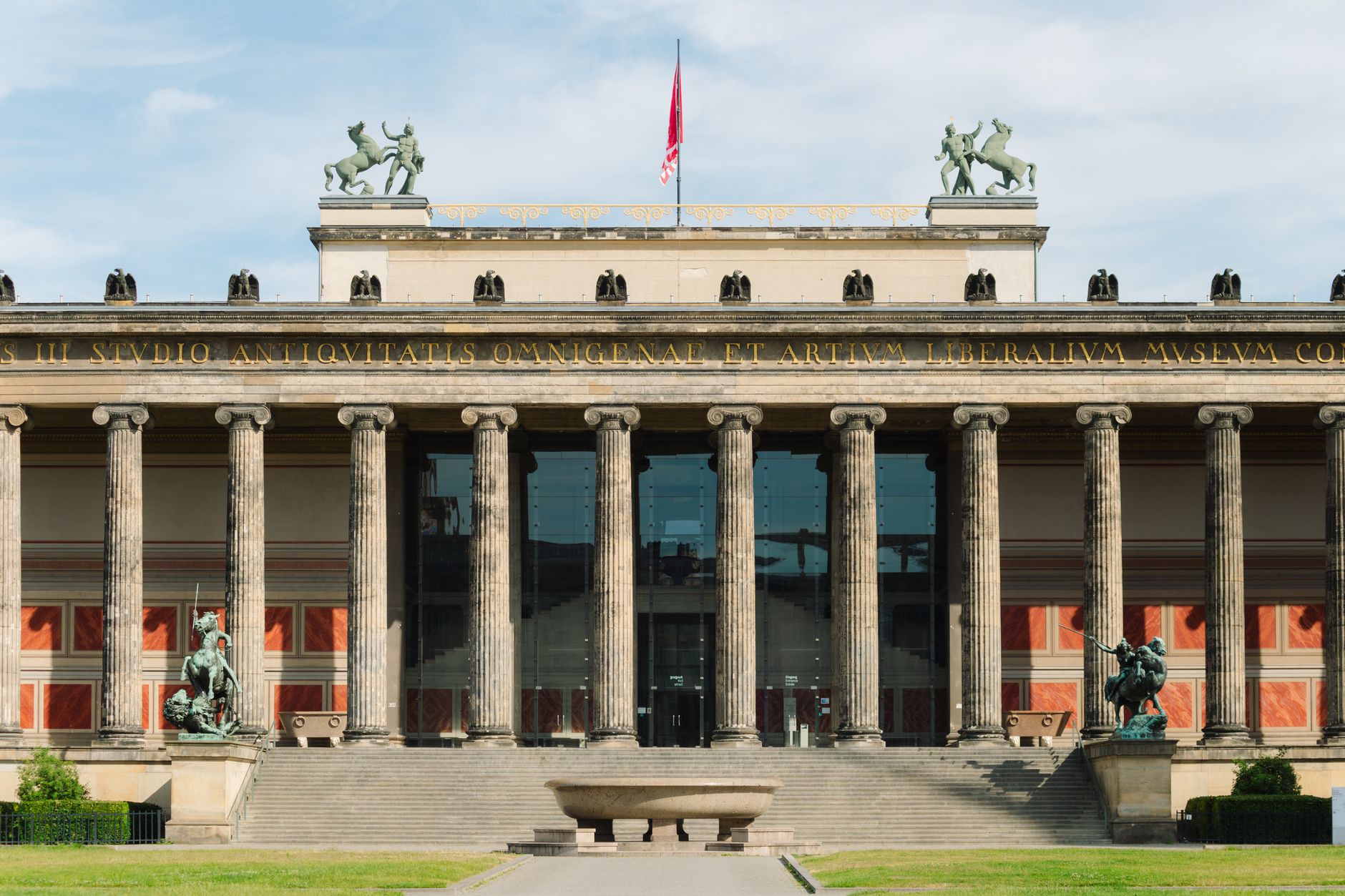
The four stone lions on the Fitzwilliam's portico have watched Trumpington Street go by since 1848, and the building still stops people mid-stride. Step inside and the scale shifts again: the Palladian Entrance Hall, completed in 1875, rises in marble and painted ceiling above you, and the collection — half a million objects spread across antiquities, paintings, manuscripts, ceramics, armour — begins before you've found a map.
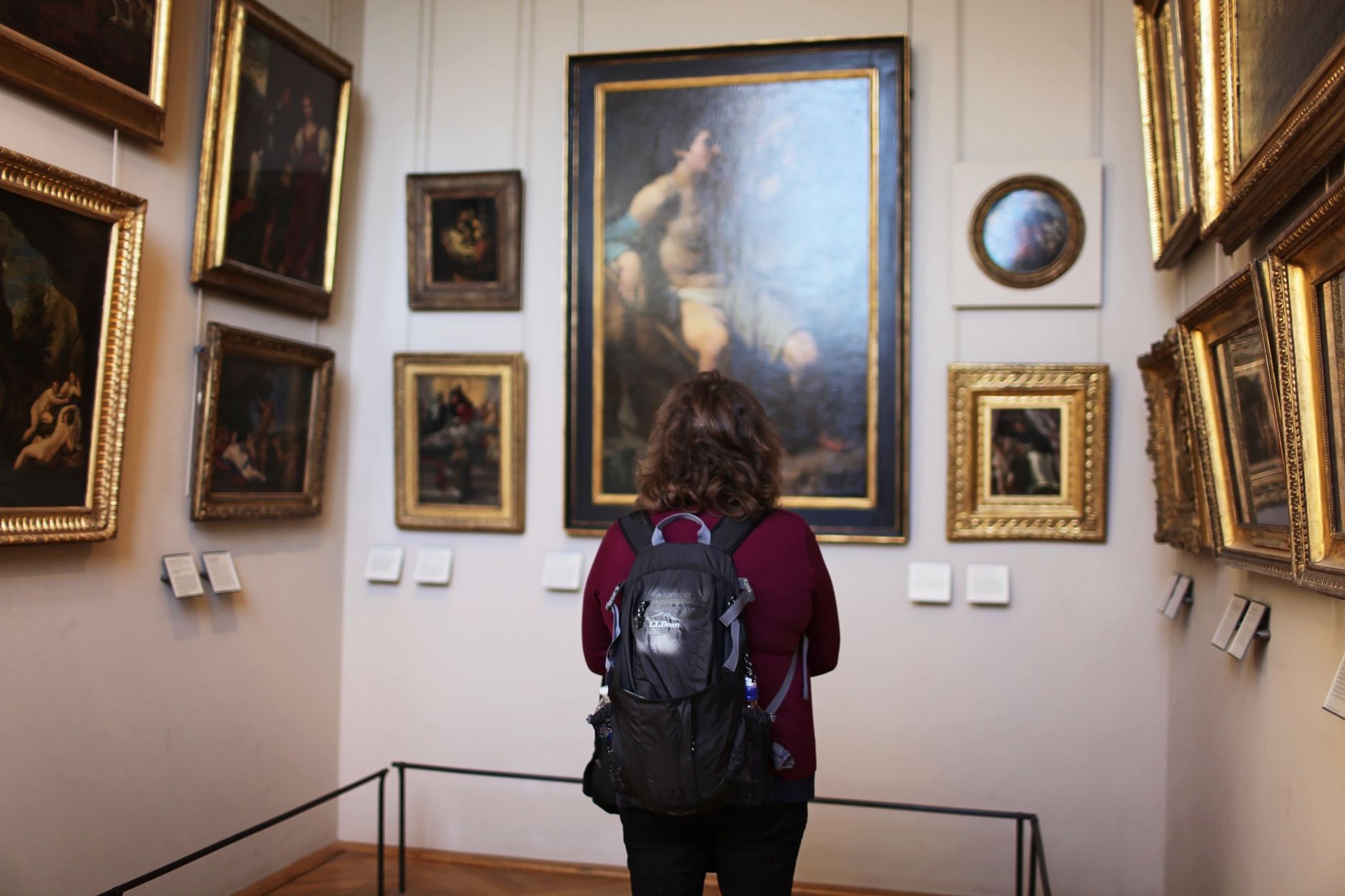
Admission is always free, the galleries are unhurried, and the range is genuinely unusual for a university museum. Egyptian coffins share the building with Venetian old masters, Flemish prints, and cases of medieval illuminated manuscripts.
💛 What travellers fall for
People who come back tend to pick a room and go deep rather than trying to cover everything. The upper galleries, where the paintings are hung, reward slow looking. If the front lawn kiosk is open, the walk out with a coffee before or after is worth building in — the view of Basevi's portico from across the street is one of the better ones in Cambridge.
Deals in Fitzwilliam Museum
Book directly at the provider
How Fitzwilliam Museum came to be
Richard FitzWilliam, 7th Viscount Fitzwilliam and a former Trinity Hall student, died in 1816 leaving the University of Cambridge £100,000 and his personal collection of paintings, prints and music — with the explicit instruction to build 'a good substantial museum repository.' The collection spent its first decades in temporary homes before the University commissioned George Basevi, who won the 1834 design competition with a neo-classical scheme drawing on Greek and Roman precedent.
Basevi laid the foundation stone in 1837 but did not live to see the building finished — he died in a fall at Ely Cathedral in 1845. C. R. Cockerell completed the work, and the museum opened to the public in 1848. Edward Middleton Barry added the Palladian Entrance Hall in 1875. A major bequest from Anglo-Irish collector Charles Brinsley Marlay in 1912 brought paintings, manuscripts, silver, jewellery and tapestries; a 2004 extension added the courtyard and modern exhibition space.
Who and what shaped it
People who shaped it
Landmark buildings
See Fitzwilliam Museum in motion
Plan your visit
On the map
When to go
Right now
Background & history adapted from Wikipedia (CC BY-SA) · specs from Wikidata (CC0) · weather from Open-Meteo · map data © OpenStreetMap contributors · photos from Wikimedia Commons / Unsplash with per-image credit. No third-party reviews or social posts reproduced.