





Castle Mound is fundamentally a large, grassy hill—the remnant of a Norman motte built in 1068. There are no ruins, no structures, and nothing to "see" in a conventional tourist sense. Its value lies entirely in its dual function as a historical marker and a public viewpoint. For a visitor, this means managing expectations. Do not come for entertainment or exploration. Come for a quick, free, and superb panoramic view of Cambridge's famous skyline. The 360-degree vista from the top, taking in every college spire and the river's curve, is genuinely worthwhile for orientation or photography, especially at sunset. My advice is to treat it as a brief pit stop, never a destination. If you are visiting the excellent Kettle's Yard gallery or the Folk Museum nearby, it's a logical five-minute detour. Wear sturdy shoes if the path is wet, and read the plaque at the base to connect the hill under your feet to William the Conqueror's castle. Otherwise, it's just a slope with a view. For a more immersive historical experience, seek out the city's colleges or museums. Castle Mound is a quiet, elevated patch of history; appreciate it for the perspective it offers, not for anything it contains.
Cambridge Castle Mound
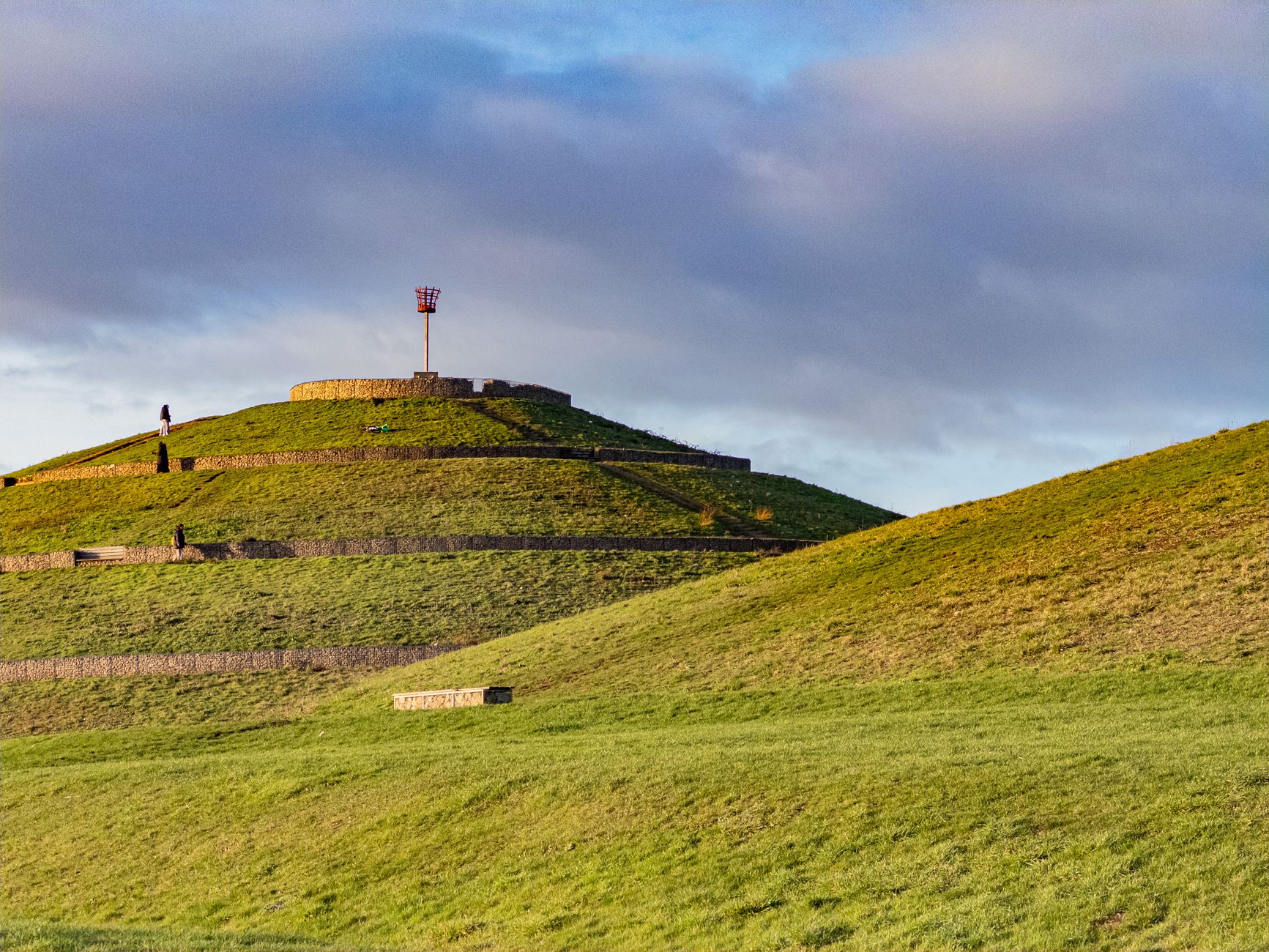
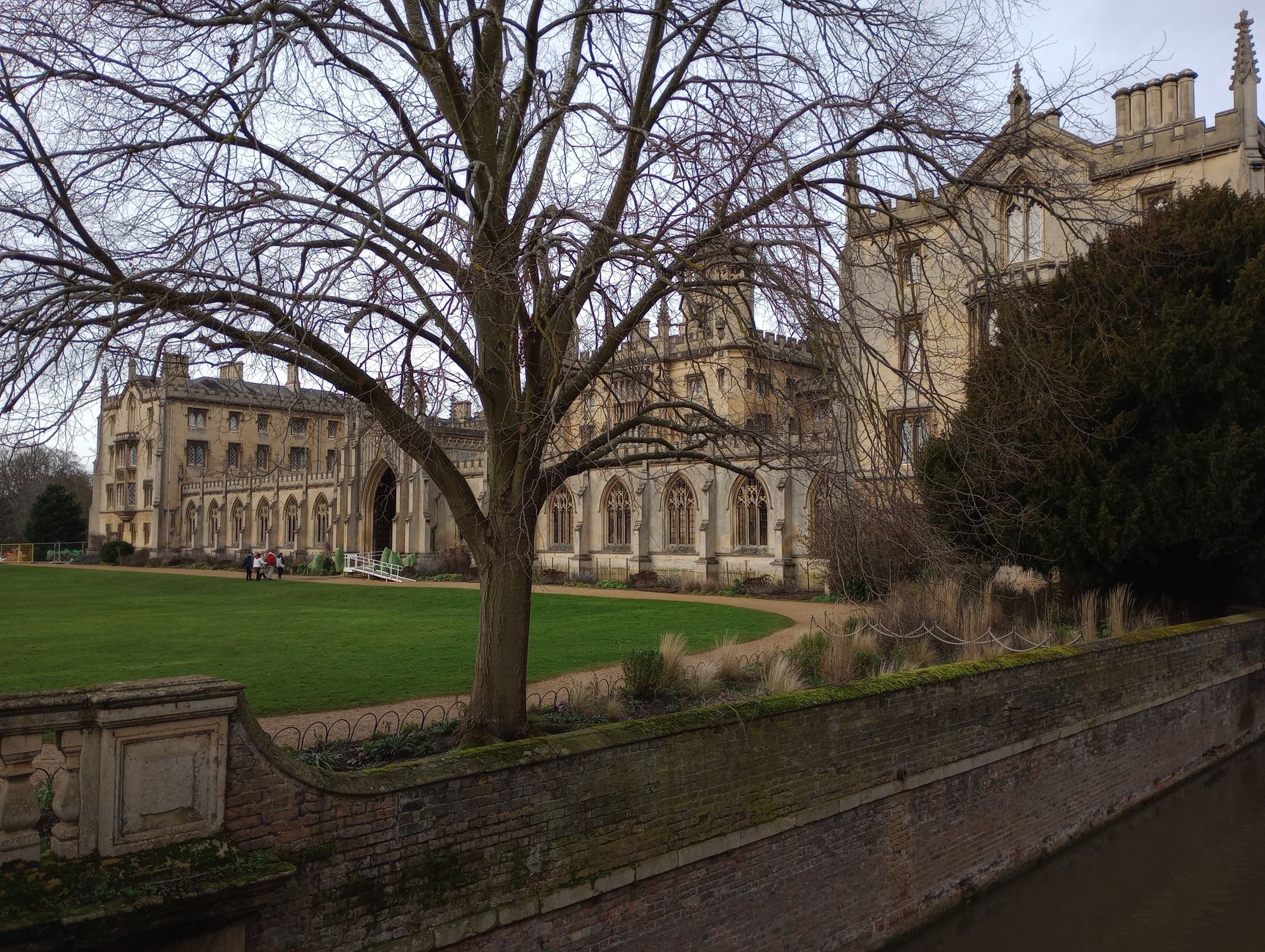
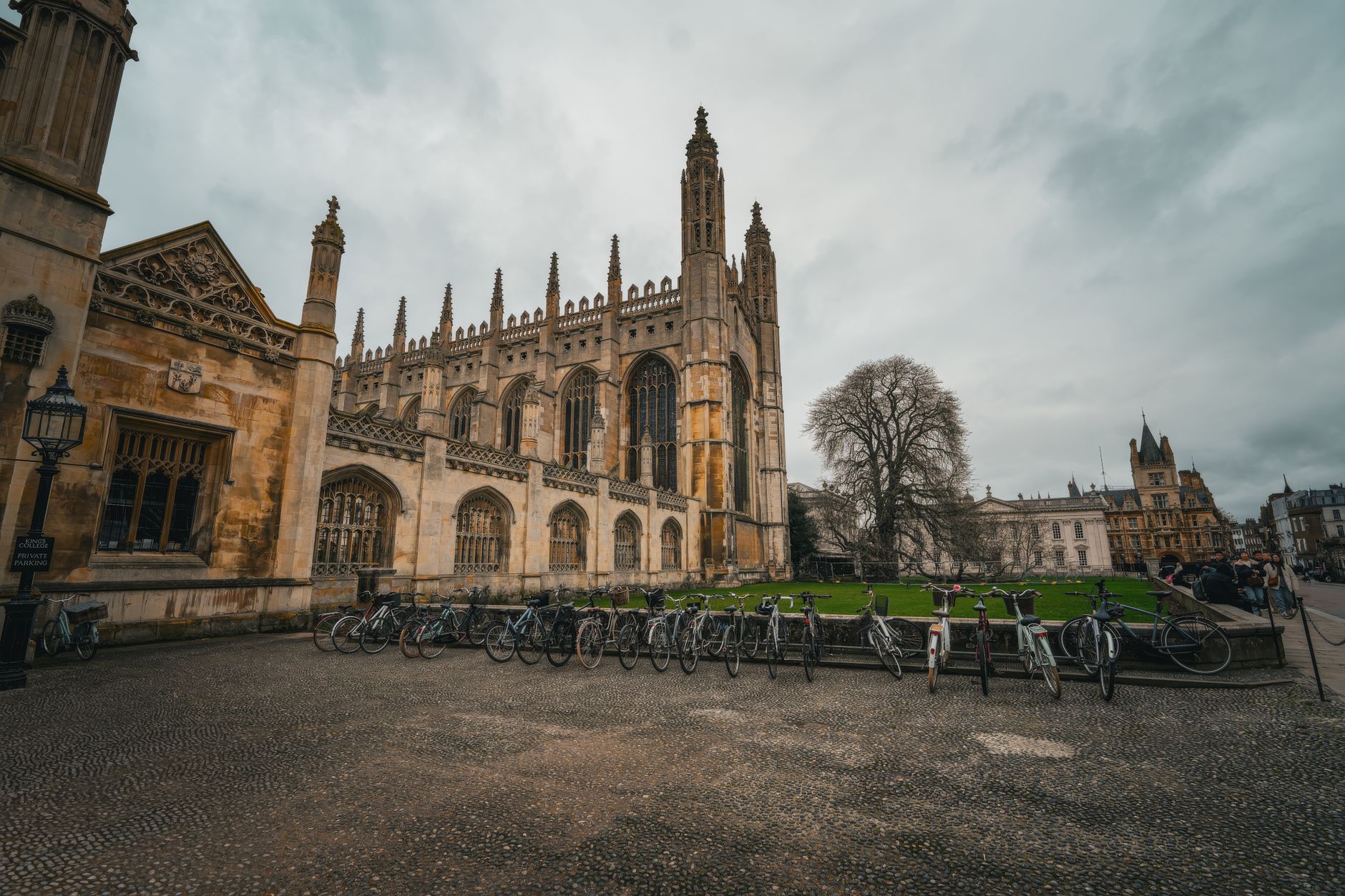
From the top of Cambridge Castle Mound — a ten-metre rise of compacted earth on the city's highest point — the spires and rooflines of a university town arrange themselves below you in a way no street-level walk quite prepares you for. There is almost nothing left of the castle itself: no walls, no towers, just the motte and a few ripples of earthwork in the grass.
That absence is, in its own way, the story. What stood here was dismantled piecemeal over centuries — its stone carted off to build King's College, its bastions levelled, its jail demolished — until only the hill remained, free to climb and free to stand on.
💛 What travellers fall for
People who come back tend to time it for early morning, when the light is low and the city below hasn't yet filled with cyclists. The information boards at the base are worth a few minutes before you climb — they reframe what you're looking at, turning a grass mound into nearly a thousand years of strategic real estate.
Experiences you don't want to miss
Deals in Cambridge Castle Mound
Book directly at the providerHow Cambridge Castle Mound came to be
William the Conqueror ordered the mound built in 1068, less than two years after Hastings, on the old Roman road between London and York. To make room for the motte and bailey, somewhere between 18 and 27 houses were cleared. Picot, the high sheriff, oversaw the work and later founded a priory beside the castle. The structure changed hands during the civil war of the Anarchy — Geoffrey de Mandeville seized it briefly in 1143 — but remained a relatively modest earth-and-timber fort for two centuries.
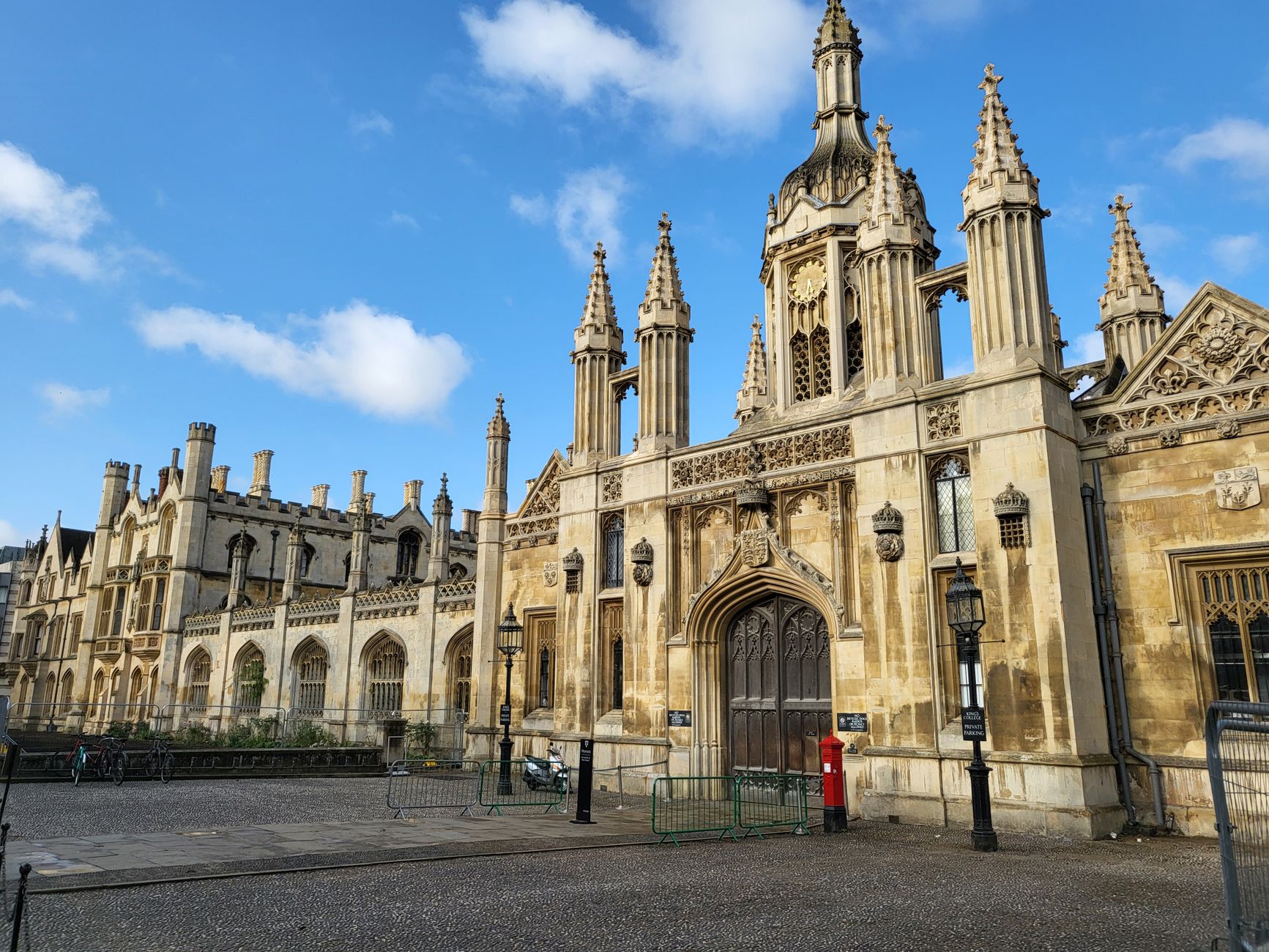
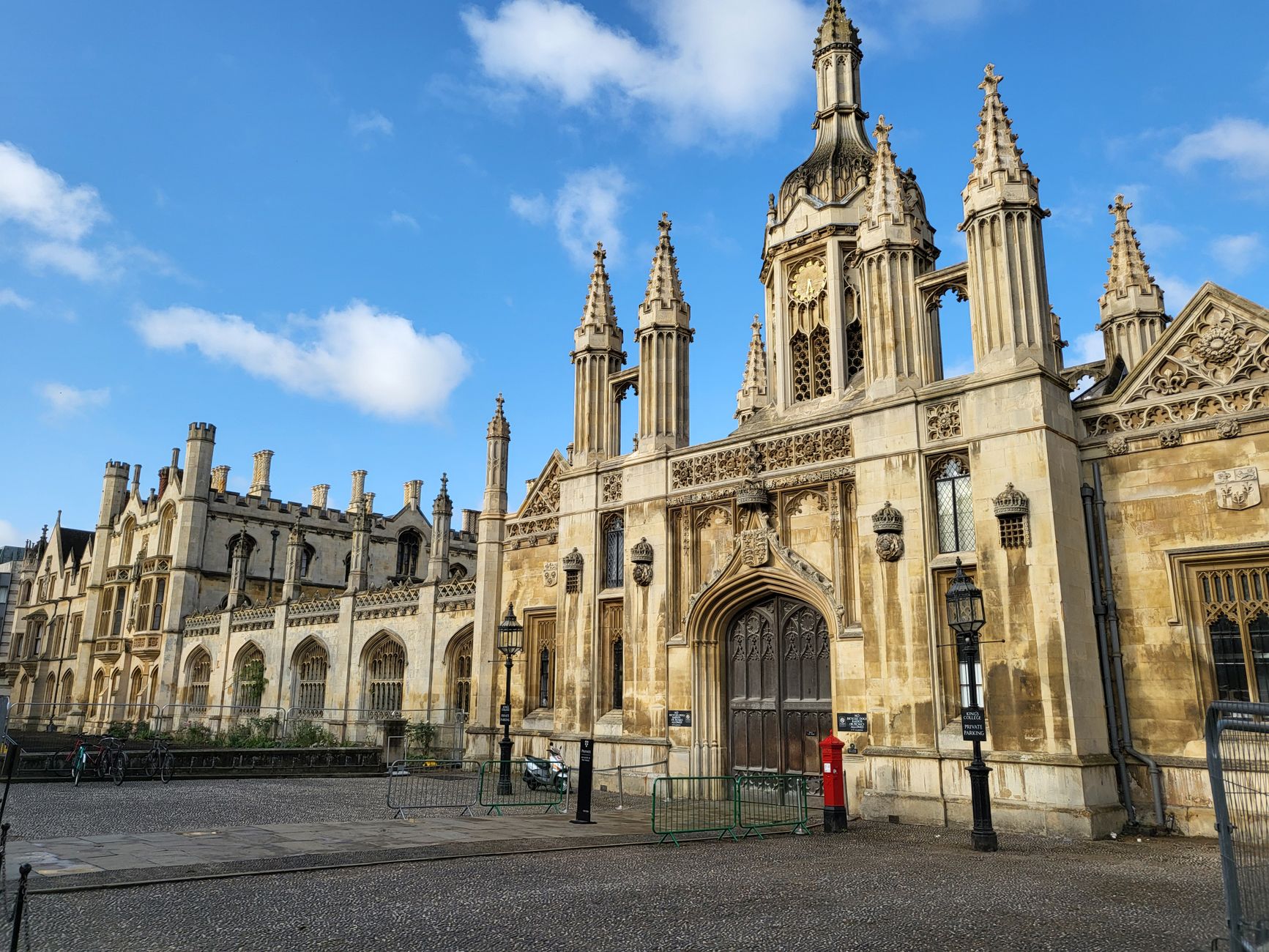
Edward I transformed it from 1284 onward, spending at least £2,630 on a stone castle with corner towers, a gatehouse, a barbican and a circular keep on the motte. The money stopped with Edward III, and by the 15th century the fabric was failing. In 1441 Henry VI had the hall and chamber demolished, their stone redirected to the construction of King's College. Oliver Cromwell patched up the defences during the Civil War, adding earthwork bastions, but the remaining walls came down in 1785. A prison followed, then a county court, then Shire Hall in 1932. The mound outlasted all of it.
Who and what shaped it
People who shaped it
Landmark buildings
See Cambridge Castle Mound in motion
Plan your visit
On the map
When to go
Cambridge summers run around 16–22°C, making a climb in June through August perfectly comfortable, though a light layer is worth having for cooler days. Winters are mild by northern European standards — typically 4–6°C — and the mound is rarely icy, but the exposed top catches the wind.
Right now
What travellers say about Cambridge Castle Mound
Simple, free landmark to visit. There used to be a castle/fortress here in the 11th-14th centuries. The mound reminds me very much of the Castle Mound in Oxford, which also came into being in the 11th century under the orders of William the Conqueror.
Although the name suggests a castle, today it is a grassy mound with a fascinating history. It is the highest point in the city, offering a great view of the rooftops of the historic colleges, including the distinctive silhouettes of King’s College Chapel and St John’s College Chapel. It is a popular spot among students and locals for a short walk or a rest on the grass, especially during sunset. Both stairs and a path lead to the top of the hill, and admission is free. Climbing up and taking in the panoramic view takes about 15–20 minutes.
Visited the place by discovering on google map. A nice, sudden, unexpected tiny hill top area. A nicer view of Cambridge skyline from an elevated perspective. A good , secluded chilling place with friends at the evening after a hectic day 🥂 .
No tickets required, only parking tickets required. There’s free parking at night. Night view is so beautiful..
Background & history adapted from Wikipedia (CC BY-SA) · specs from Wikidata (CC0) · weather from Open-Meteo · map data © OpenStreetMap contributors · photos from Wikimedia Commons / Unsplash with per-image credit. No third-party reviews or social posts reproduced.