
Midsummer Common
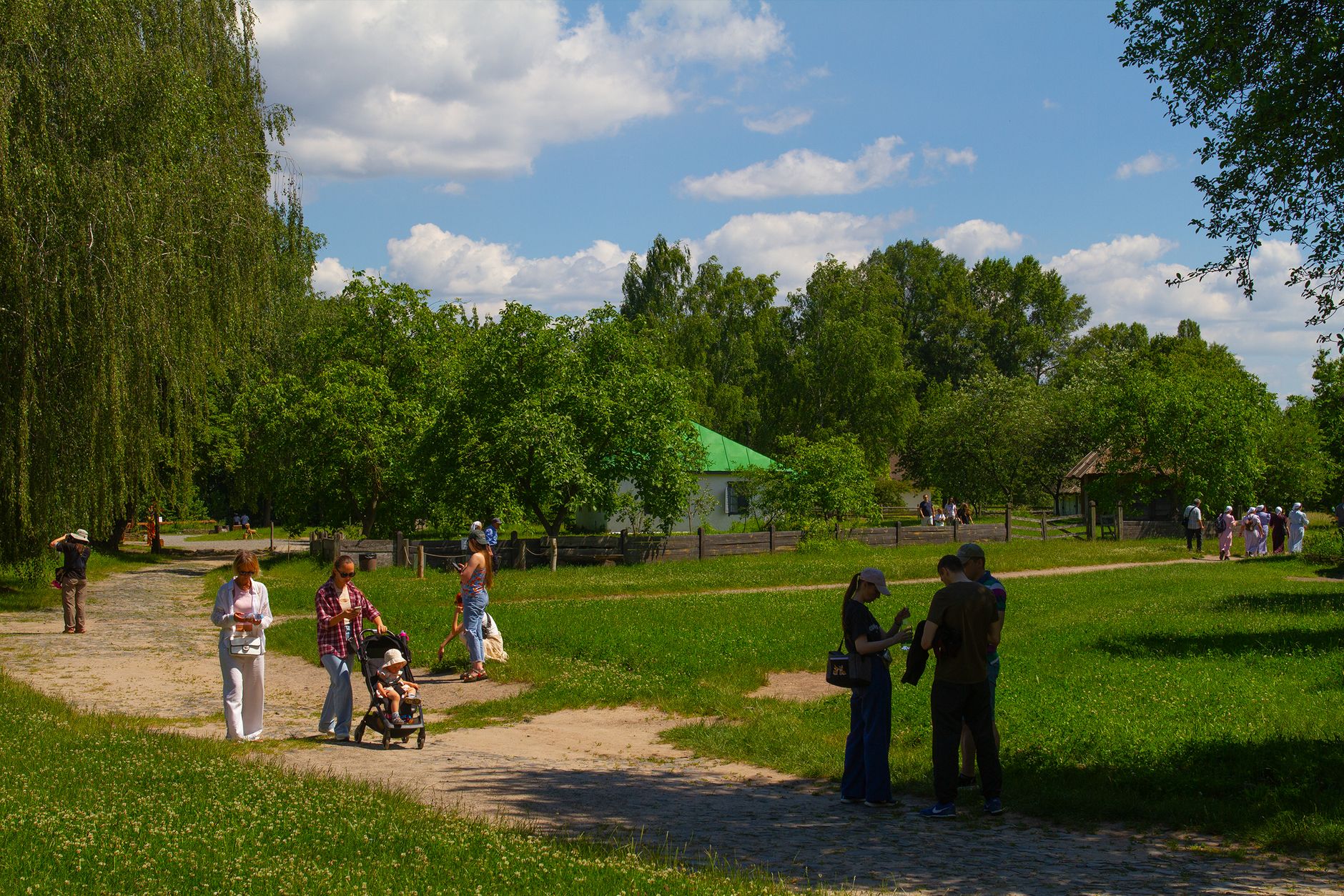

From April through October, Red Poll cattle graze across Midsummer Common with an indifference to the city around them that takes a moment to process — you're a ten-minute walk from King's College, and there are cows. The common stretches between the River Cam and Victoria Avenue, flat and open, with houseboats moored along the bank and the university boathouses ranged on the opposite side of the water.
This is working common land in the old sense: grazed, faired upon, gathered on. Guy Fawkes Night draws around 25,000 people for fireworks. Strawberry Fair does the same. In between, it's benches under large trees near Victoria Bridge, long grass, and the slow river.
💛 What travellers fall for
People who come back tend to time it for early May, when the buttercups are thick enough to turn the whole field yellow and the cattle are newly arrived. The bench stretch near Victoria Bridge, under the big shade trees, is the spot to sit with something from the market. Midsummer House, the two-Michelin-starred restaurant overlooking the common, rewards booking well ahead.
Deals in Midsummer Common
Book directly at the provider


How Midsummer Common came to be
The common's history as shared land goes back to the 12th century. King John granted a charter for the Midsummer Fair in 1211, and the fair still runs. The ground has carried other names — Grenecroft, Butts Green, Midsummer Green — and the area now called Butt's Green records its use as an archery range. During the plague outbreaks of 1603 and 1665, pits were dug here.
In August 1914, soldiers of the 6th Division camped on the common before leaving for the front; that winter, the horse-lines of the 68th Welsh Division were staked out across the same grass. Jesus Green was cut away from Midsummer Common in 1890 when Victoria Avenue was built. The Red Poll cattle returned only in 2007, after years of absence, introduced by a Cambridge resident and now a fixture of the grazing calendar.
Who and what shaped it
People who shaped it
Landmark buildings
See Midsummer Common in motion
Plan your visit
On the map
When to go
Spring and early summer are the easiest seasons — mild, with the grass at its best and the cattle newly out. The rest of the year brings the usual English mix of cool temperatures and unpredictable rain; a layer you can shed is more useful than an umbrella.
Right now
Background & history adapted from Wikipedia (CC BY-SA) · specs from Wikidata (CC0) · weather from Open-Meteo · map data © OpenStreetMap contributors · photos from Wikimedia Commons / Unsplash with per-image credit. No third-party reviews or social posts reproduced.