
King's College
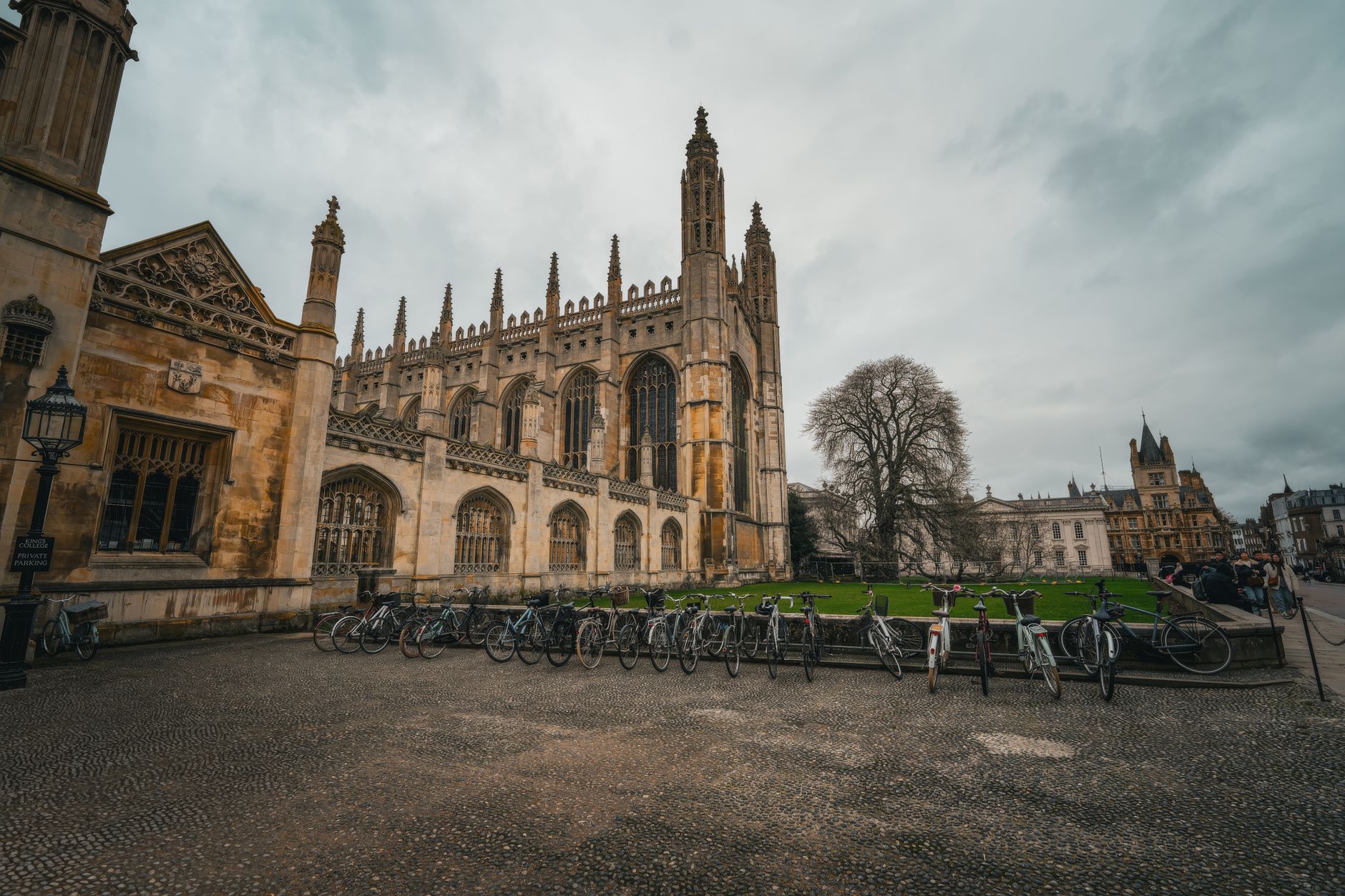
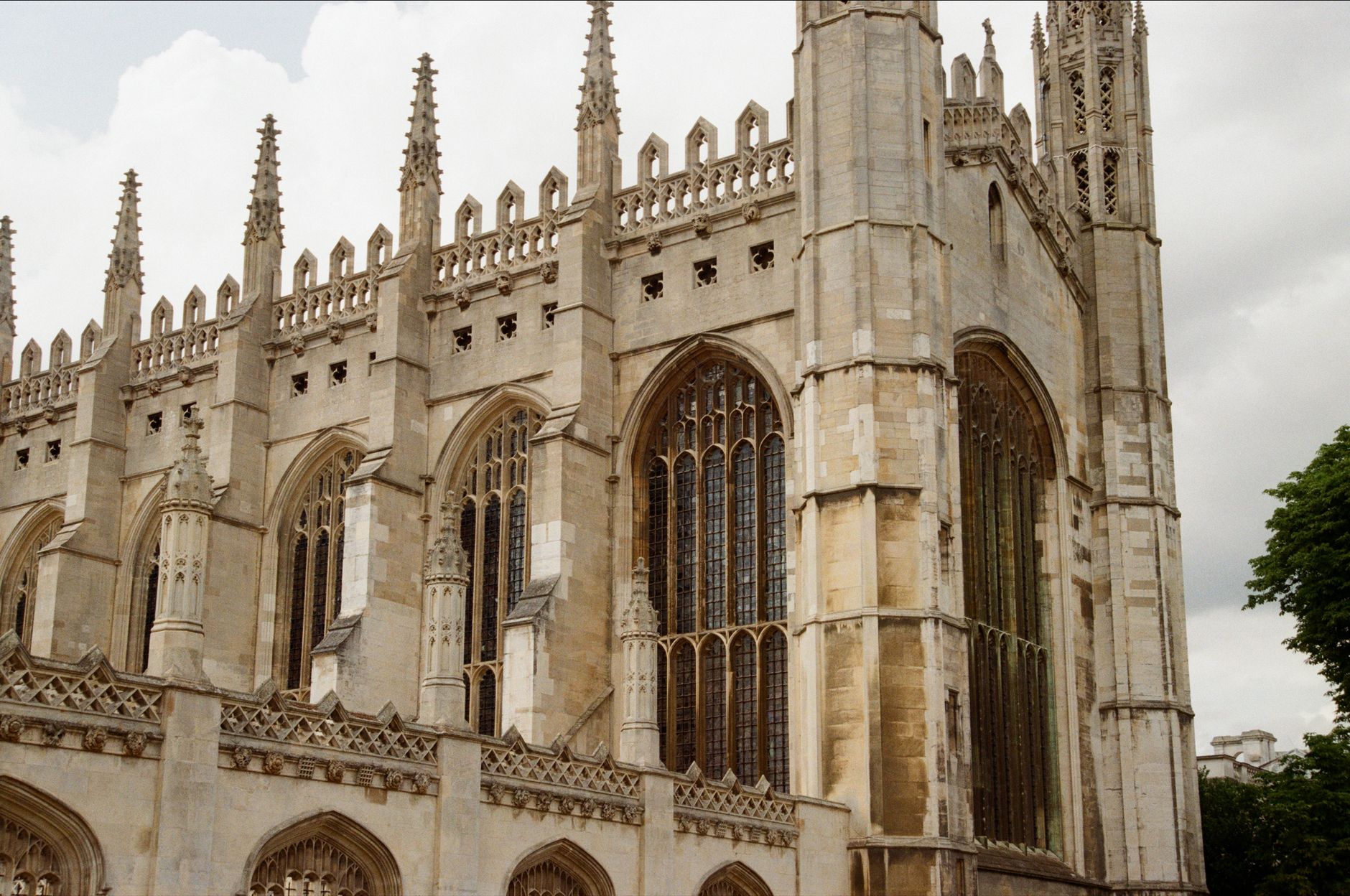
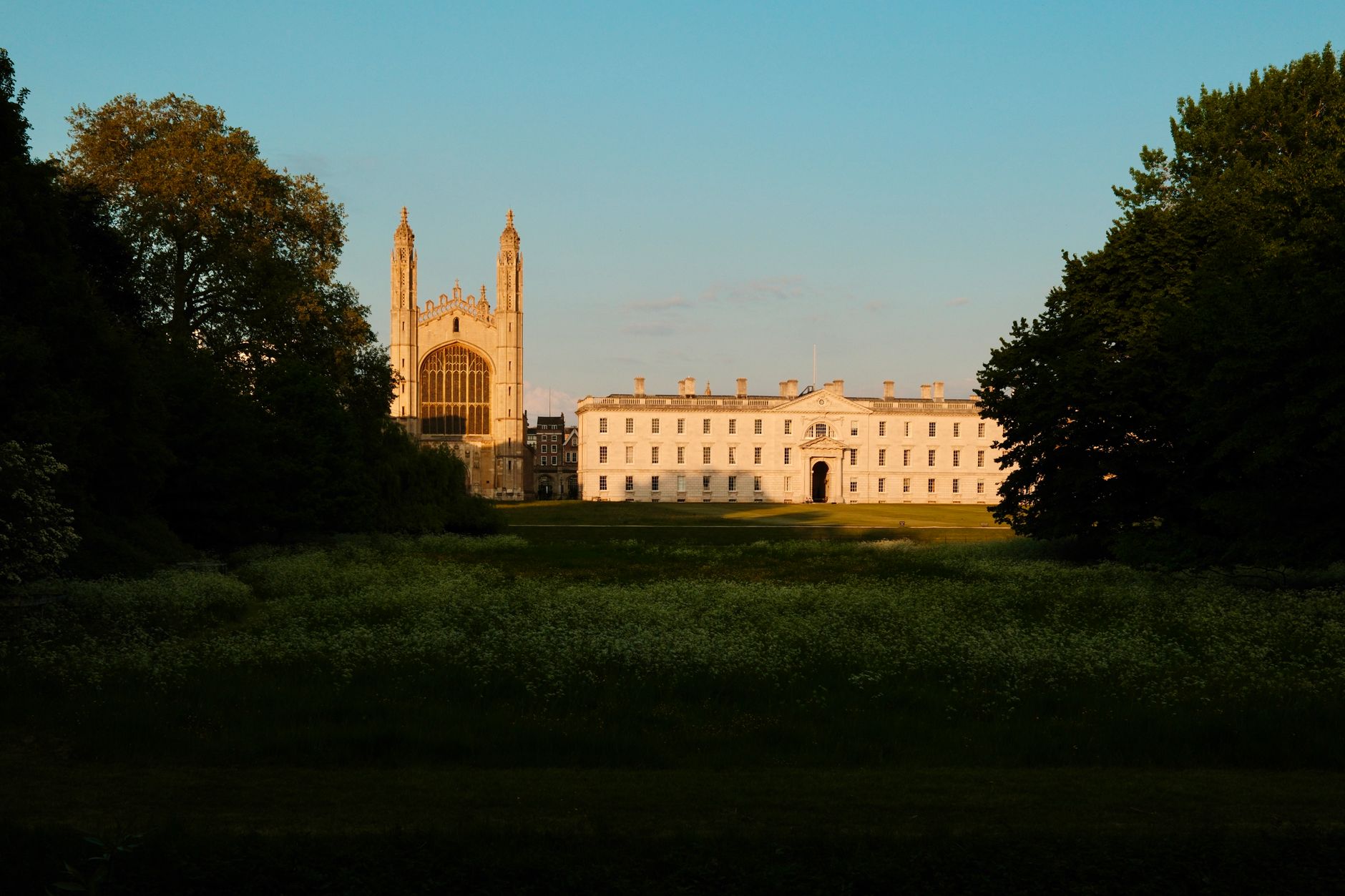
Stand on King's Parade and look through the gatehouse: the lawn runs straight to the chapel, and the chapel runs straight up into the sky. The fan vaulting inside — the largest of its kind in the world — was completed in 1544 after nearly a century of interrupted building, and it still stops people mid-sentence.
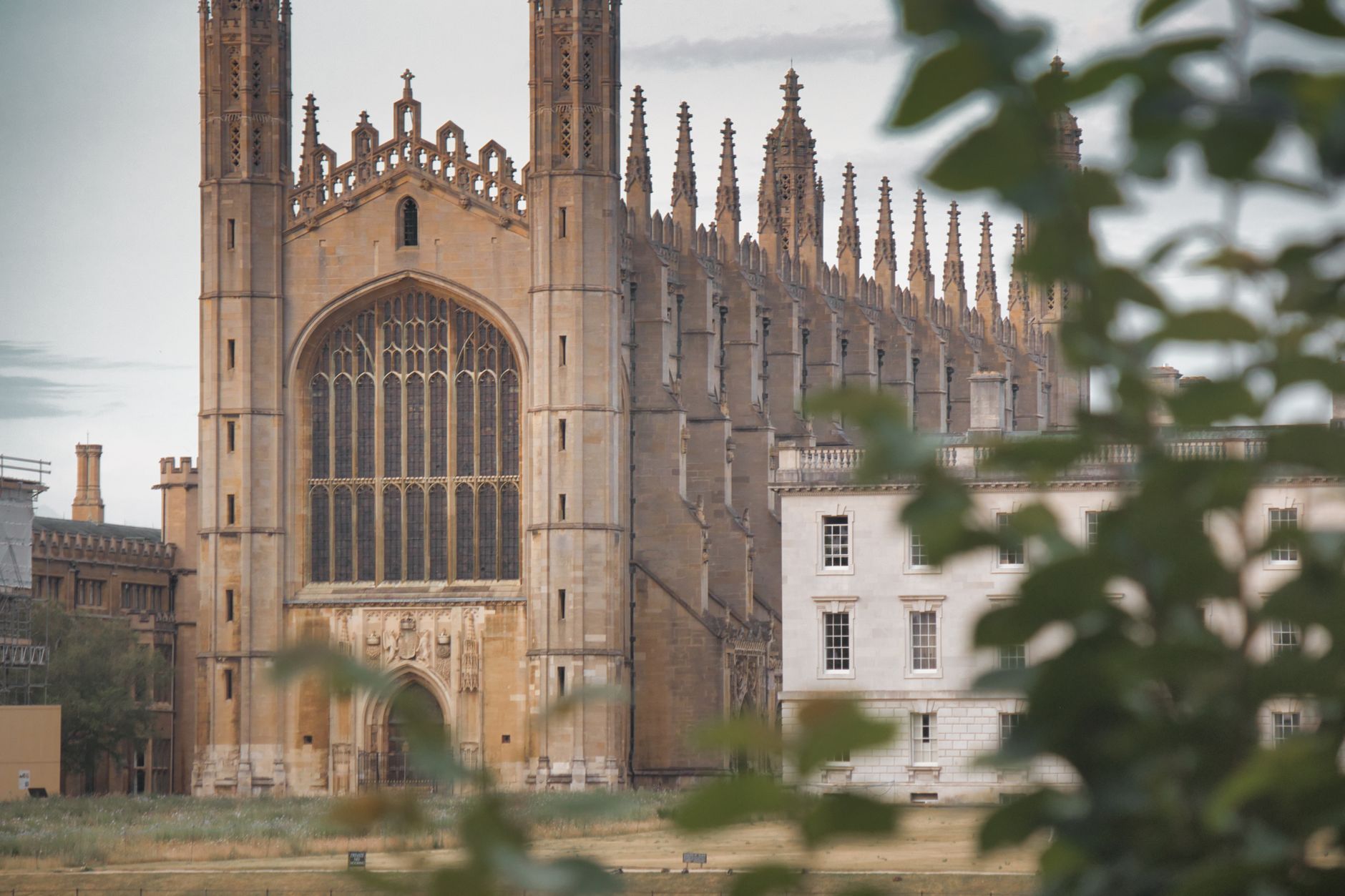
The college sits beside the River Cam, and the view from the water is different from anything you get on land. The chapel rises above the treeline of The Backs in a way that makes the whole width of the building legible at once. Come for the architecture, stay for the quiet of the grounds on a weekday morning before the crowds gather.
💛 What travellers fall for
People who return tend to time it for Evensong on a Monday during term — the Choir of King's College in that space is something else entirely. The online ticket saves a pound and, more usefully, guarantees entry; walk-up numbers are limited. The view from the river bank, looking back at the chapel, is the one most visitors miss.
Deals in King's College
Book directly at the provider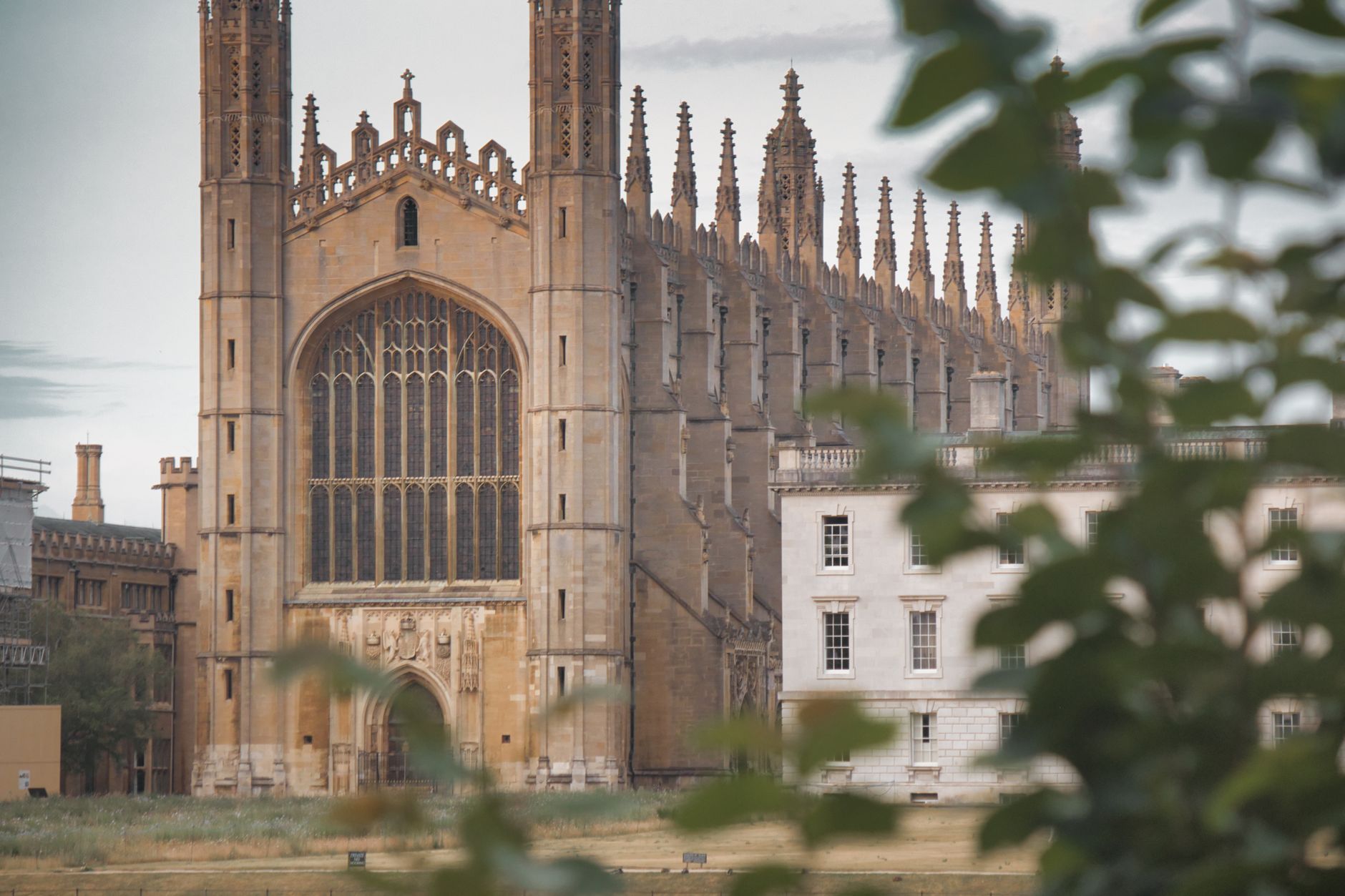

How King's College came to be
Henry VI founded King's College on 12 February 1441, laying the first stone of Old Court himself on Passion Sunday that April. His original vision was tight: a rector and twelve scholars, all drawn from his other foundation at Eton. The chapel followed in 1446, but the Wars of the Roses drained both funds and momentum, and the building sat unfinished for decades.
Henry VII revived the project around 1508, and Henry VIII saw the chapel completed in 1544 — its stained glass finished by 1531, the carved rood screen erected between 1532 and 1536. Later centuries added James Gibbs's Fellows' Building (1724–32), William Wilkins's Front Court screen and hall range (completed 1828), and George Gilbert Scott's Chetwynd Building in 1869. The college admitted women for the first time in 1972, among the first three previously all-male Cambridge colleges to do so.
Who and what shaped it
People who shaped it
Landmark buildings
See King's College in motion
Plan your visit
On the map
When to go
Cambridge sits inland in East Anglia, which makes it drier than much of England but also colder in winter. Spring and early autumn give you the most manageable conditions — mild temperatures, reasonable light for the stained glass, and slightly thinner crowds than the summer peak.
Right now
Background & history adapted from Wikipedia (CC BY-SA) · specs from Wikidata (CC0) · weather from Open-Meteo · map data © OpenStreetMap contributors · photos from Wikimedia Commons / Unsplash with per-image credit. No third-party reviews or social posts reproduced.