
Trinity College

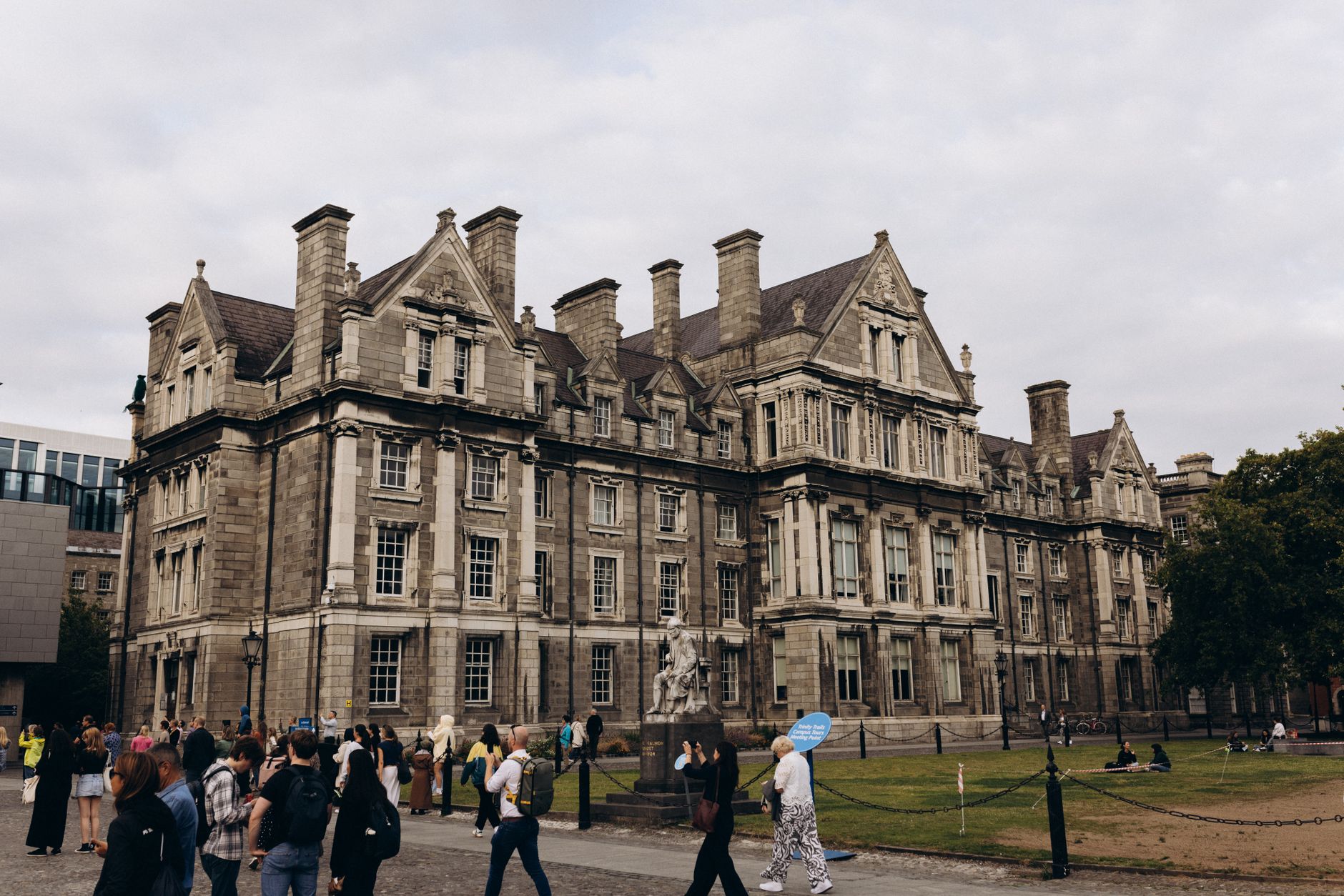
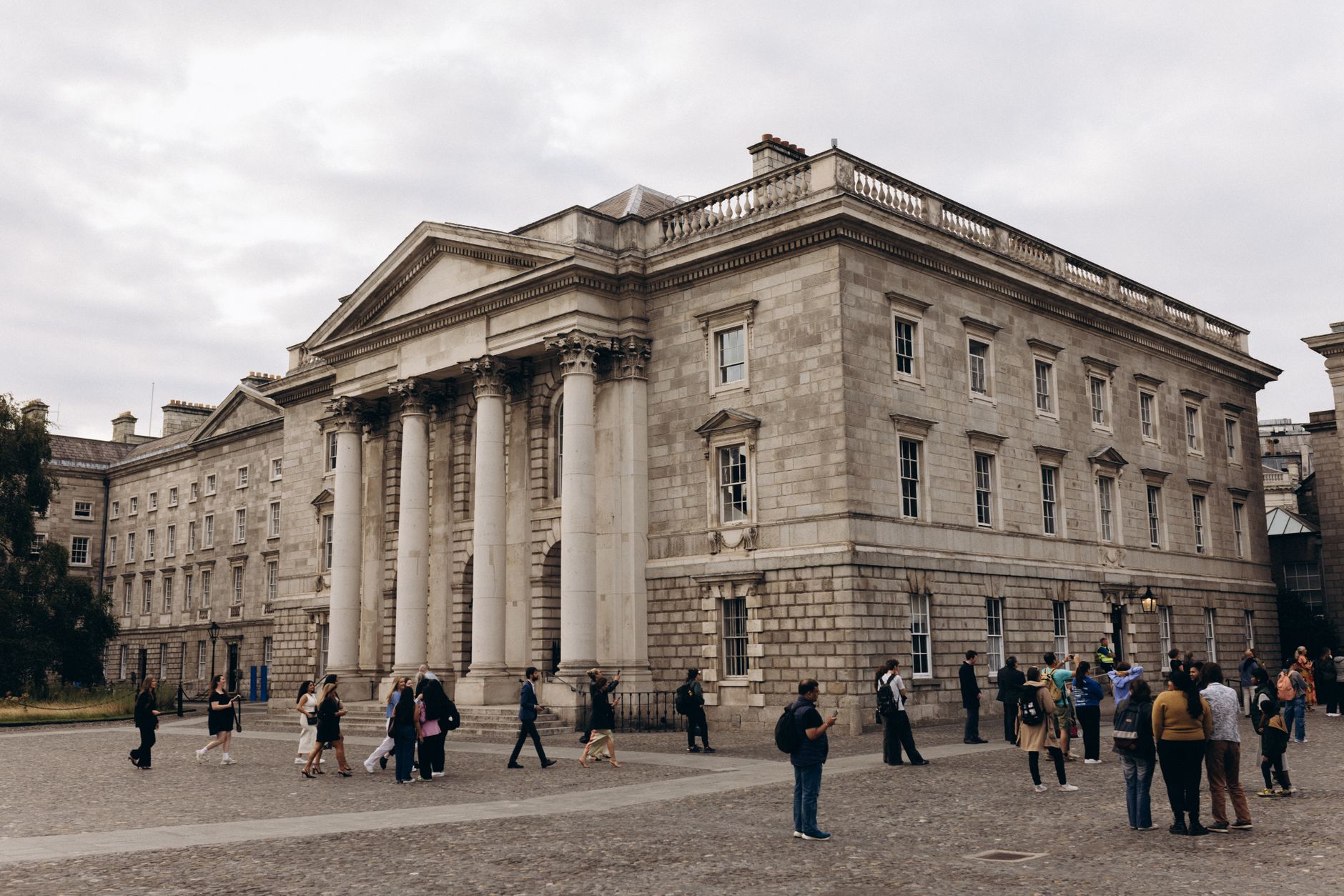
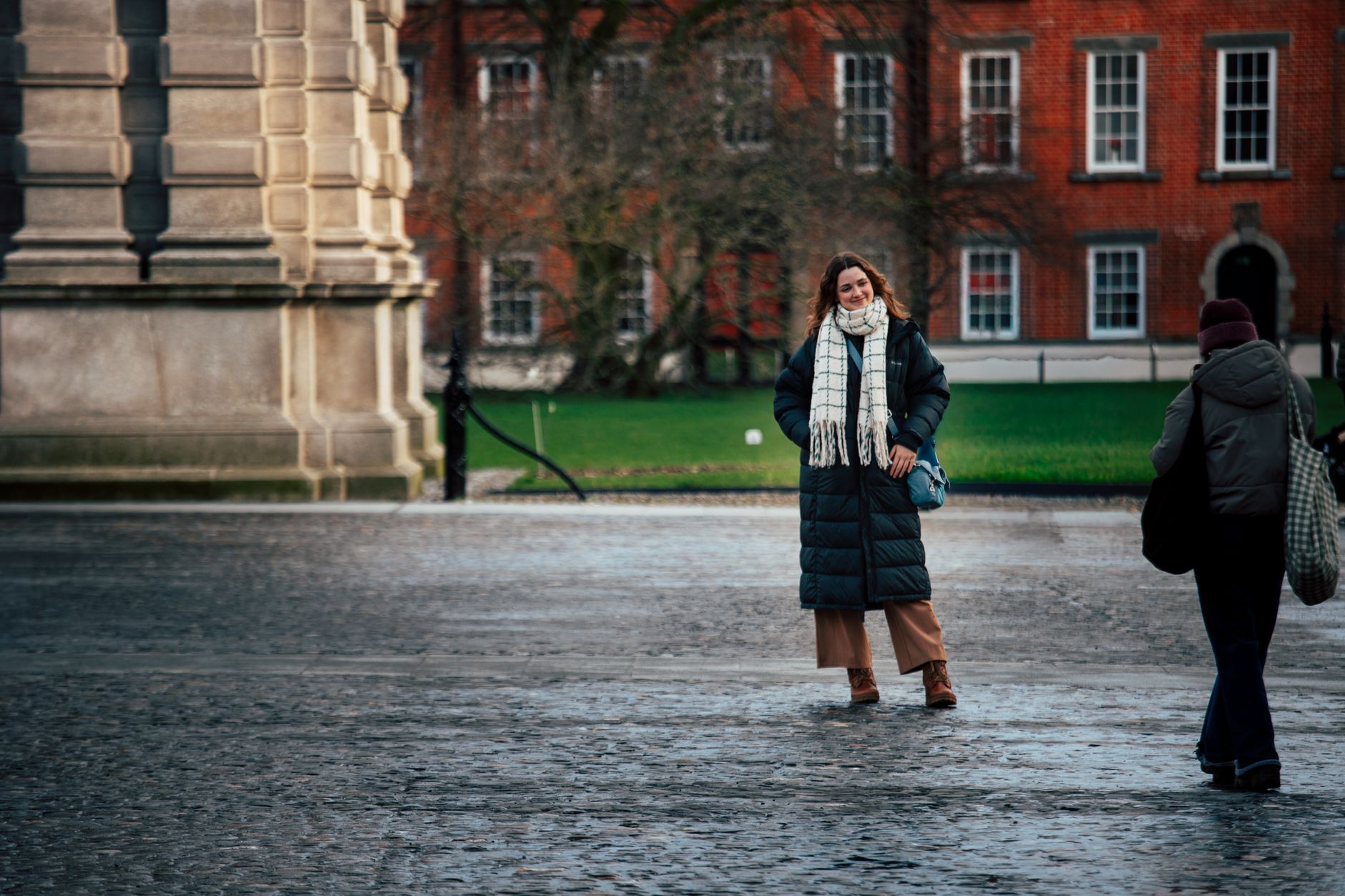
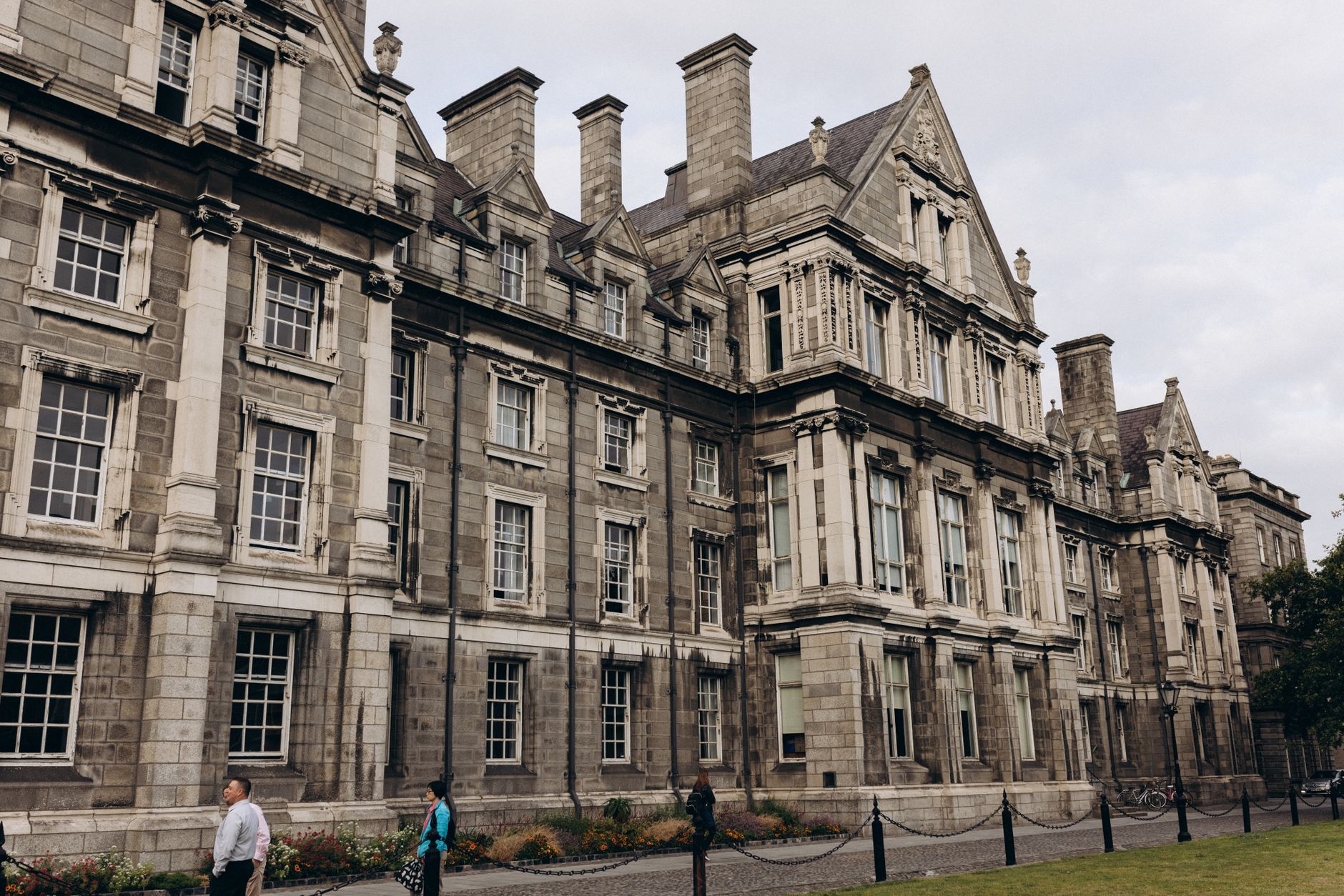
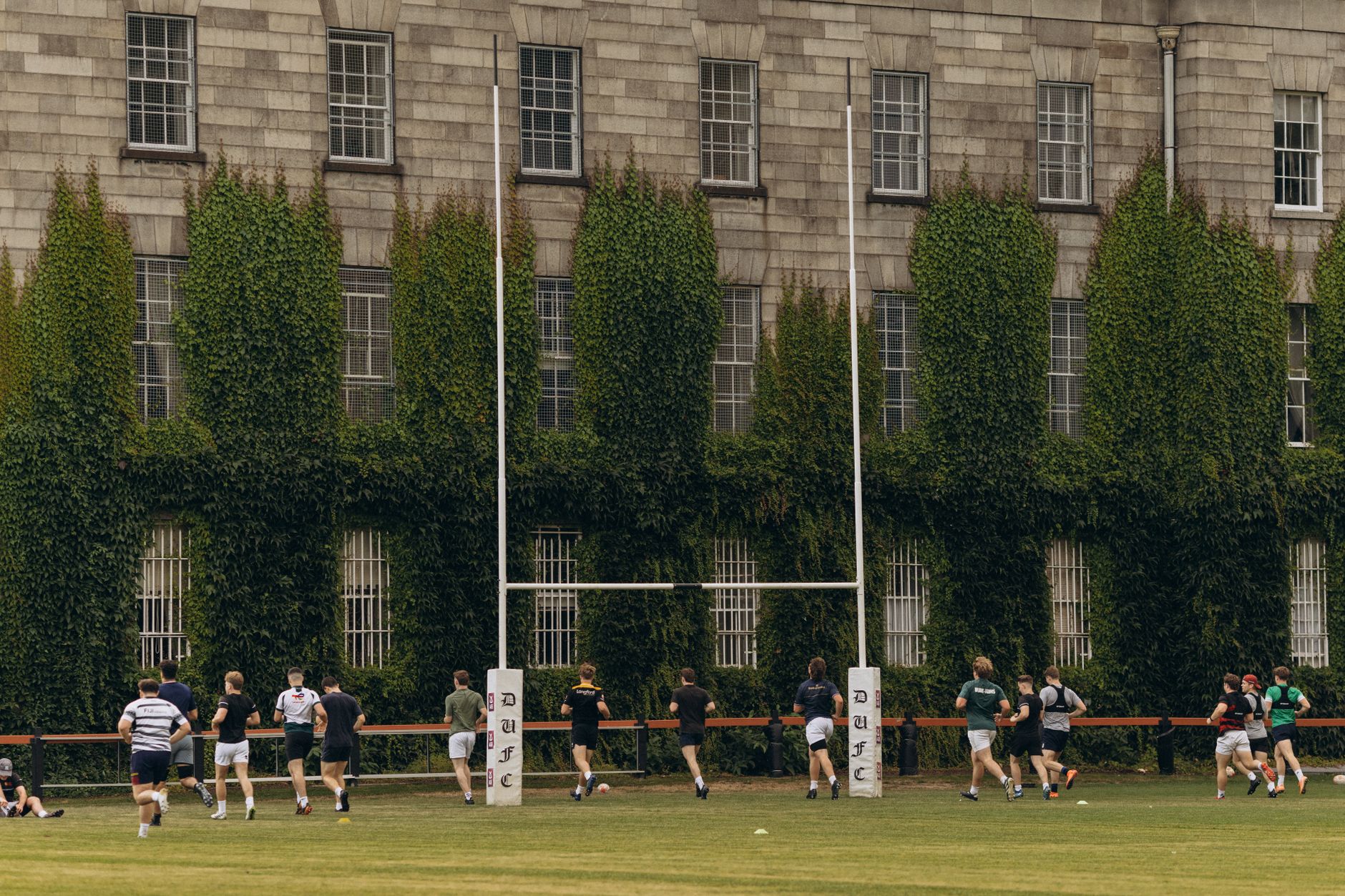
The statue of Henry VIII above the Great Gate holds a wooden chair leg instead of a sceptre — a student prank so old no one bothers to correct it anymore. That detail sets the tone for Trinity: grand in scale, quietly subversive in spirit. Step through the gate and you're standing in what is said to be the largest enclosed courtyard in Europe, with a 400-year-old fountain at its centre and the accumulated weight of six centuries of scholarship on every side.
The Wren Library alone is worth the trip. Christopher Wren finished it in 1695, and inside you'll find two of Shakespeare's First Folios, letters in Newton's hand, and a 14th-century manuscript of Piers Plowman — all in a room that feels more like a considered argument about beauty than a storage facility.
💛 What travellers fall for
People who come back tend to time the Wren Library for a weekday morning in spring, before the queues form. The guided porter tours — twice daily, £5 — are worth it less for the facts than for the anecdotes, which run well beyond the official script. And yes, the Newton apple tree in the gardens is real.
Deals in Trinity College
Book directly at the provider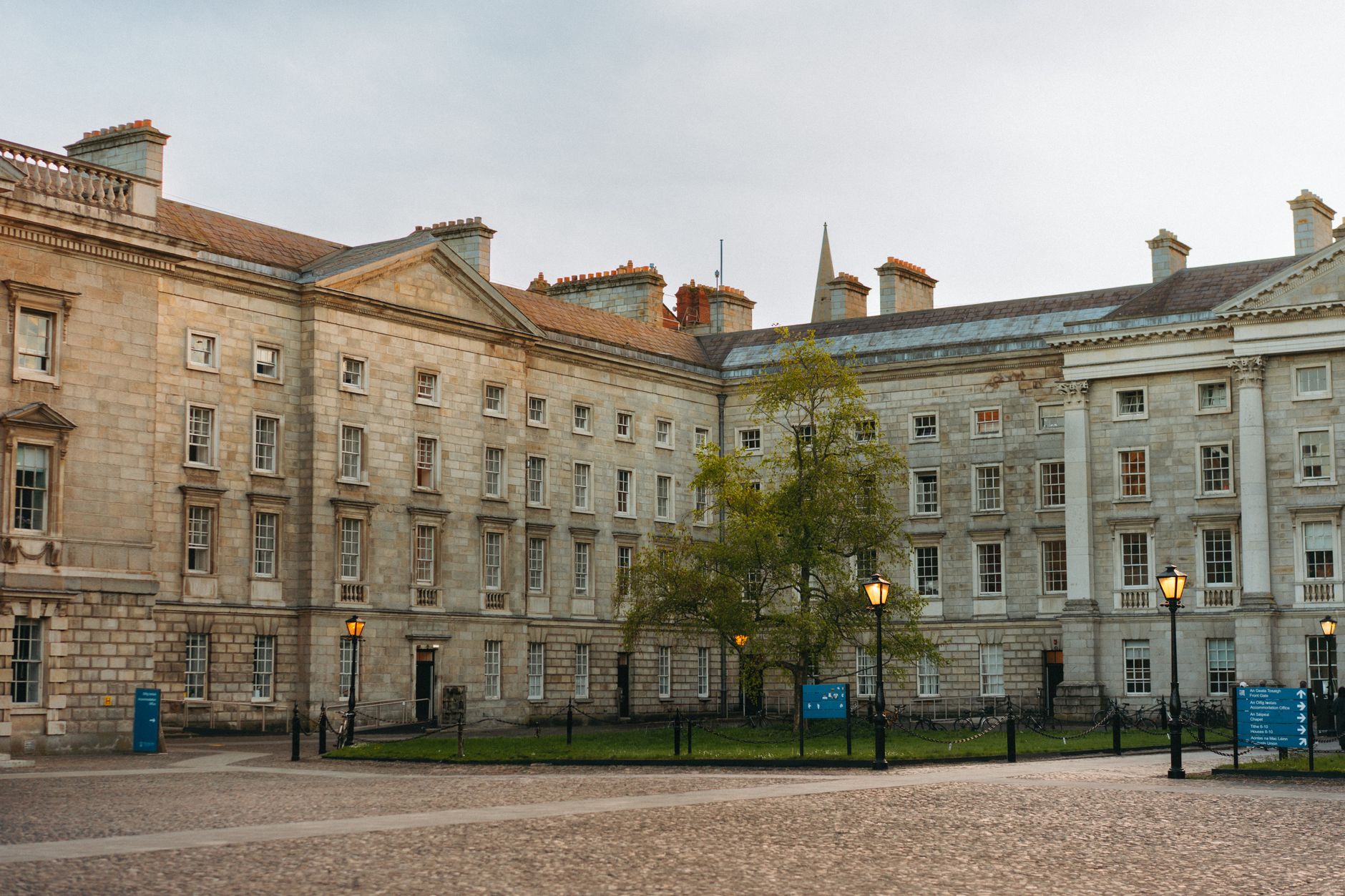


How Trinity College came to be
Trinity didn't begin as a single institution. Henry VIII founded it in 1546 by merging two older colleges: King's Hall, which Edward II had established in 1317, and Michaelhouse, founded in 1324. The king's motives were partly political — consolidating royal influence over the university — but the result was something genuinely new in scale and ambition.
The college's physical character owes most to Thomas Nevile, Master from 1593 to 1615, who enlarged Great Court and built Nevile's Court between the main buildings and the Cam. Wren's library closed the western end of that court a generation later, completed in 1695. Trinity admitted its first female undergraduate in 1978, relatively late among Cambridge colleges, though the institution had elected its first female fellow, Marian Hobson, the year before.
Who and what shaped it
People who shaped it
Landmark buildings
See Trinity College in motion
Plan your visit
On the map
When to go
Right now
Background & history adapted from Wikipedia (CC BY-SA) · specs from Wikidata (CC0) · weather from Open-Meteo · map data © OpenStreetMap contributors · photos from Wikimedia Commons / Unsplash with per-image credit. No third-party reviews or social posts reproduced.