






I visited with my two children and mother in law. Have been many times before though. There is a huge amount of building work going on next to the gardens at the moment, which is a shame as it totally ruins the usually peaceful setting. The lady on the ticket desk on arrival, wasn't the most welcoming. Other staff around the gardens and in the cafe were lovely though. Really reasonably priced. Kids are free. As are carers and it's about £7 for adults. Gardens are very well kept. Not as green at the moment due to the heat. We enjoyed a picnic near the water fountain and some sketching. We particularly enjoyed the greenhouses. As it was the summer holidays, there was a trail on for the kids. They could find 6 points and collect stamps for a sticker at the end. We didn't complete it as the heat got the better of us.
Cambridge University Botanic Garden
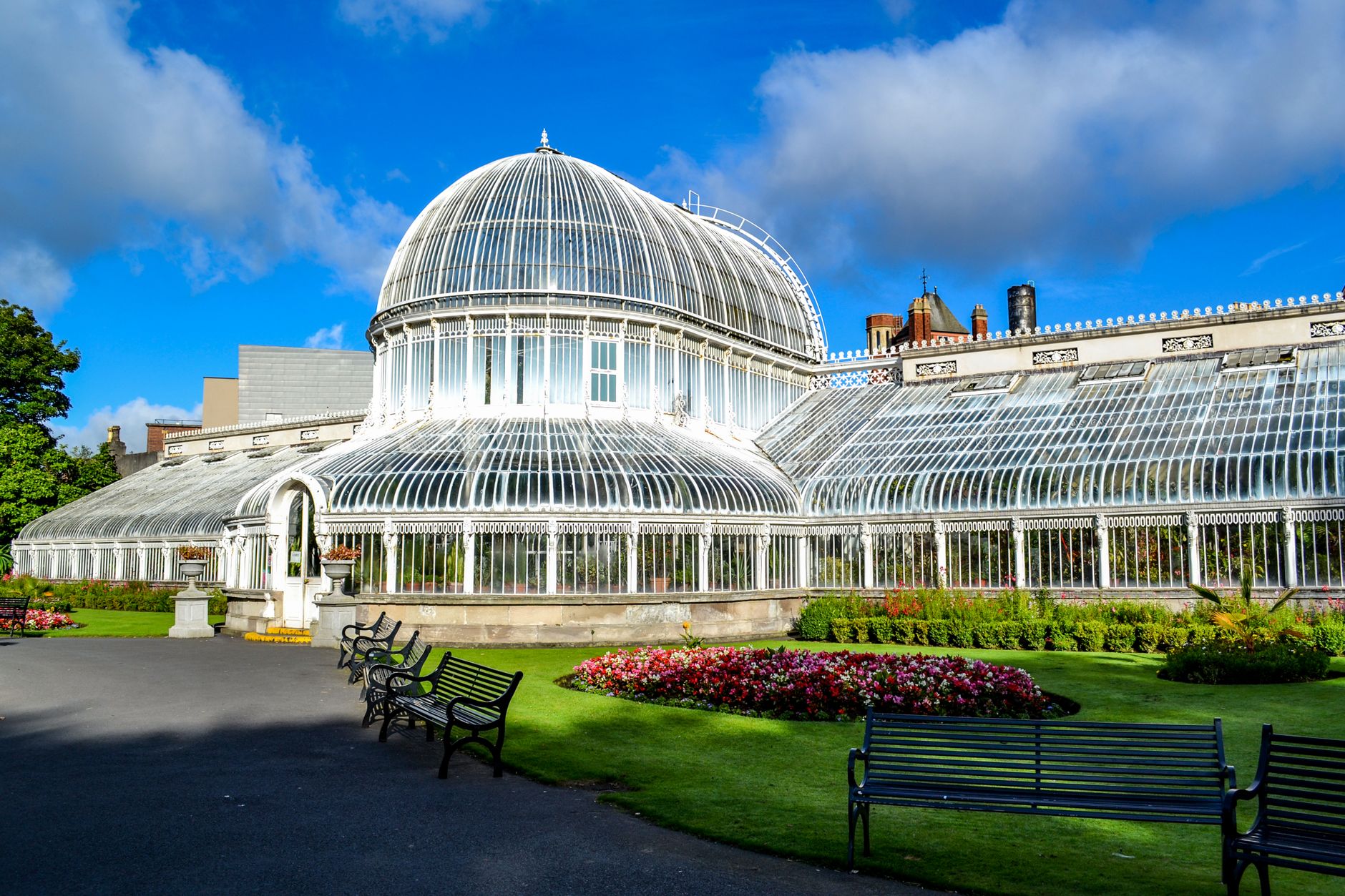
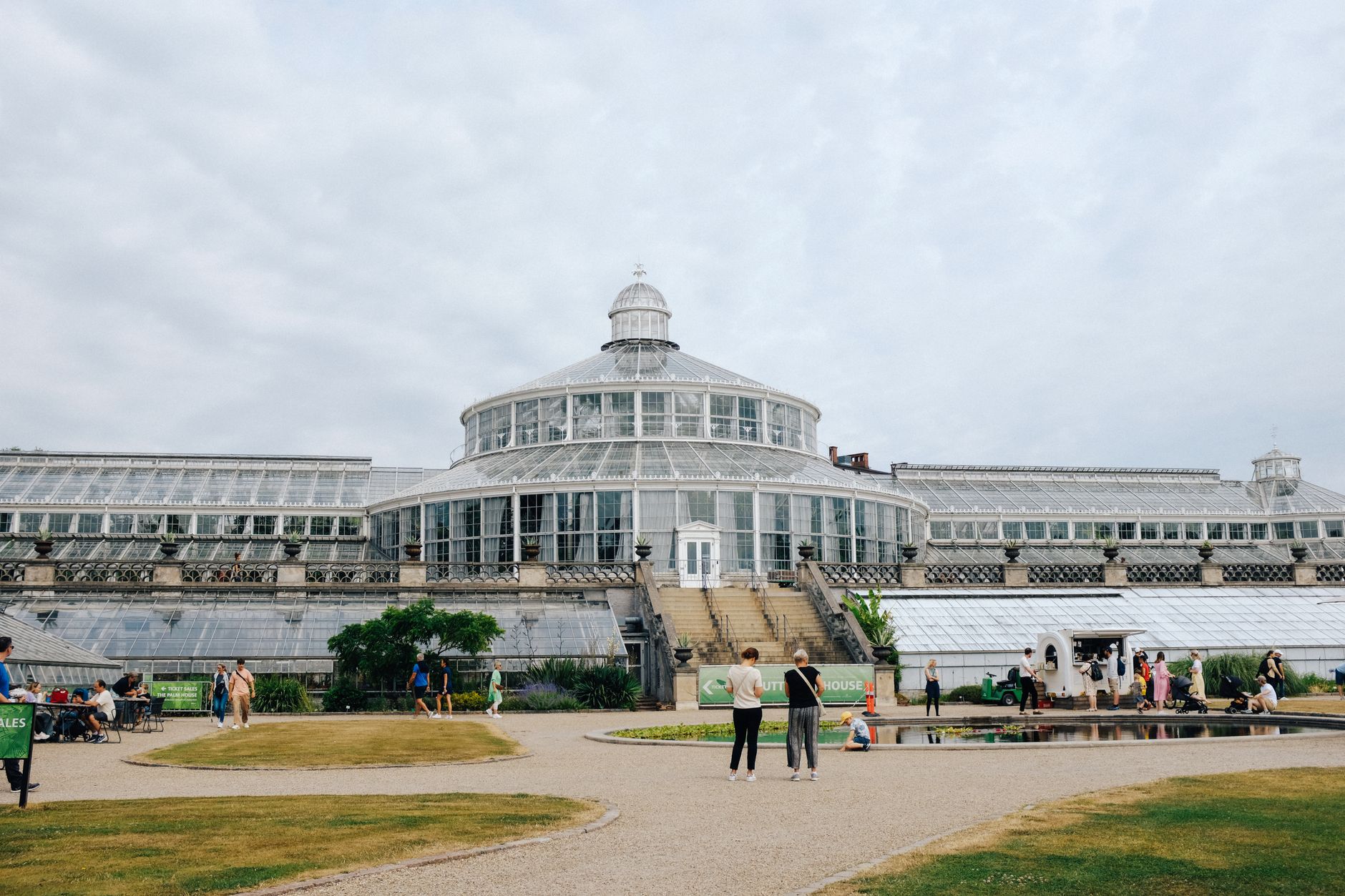
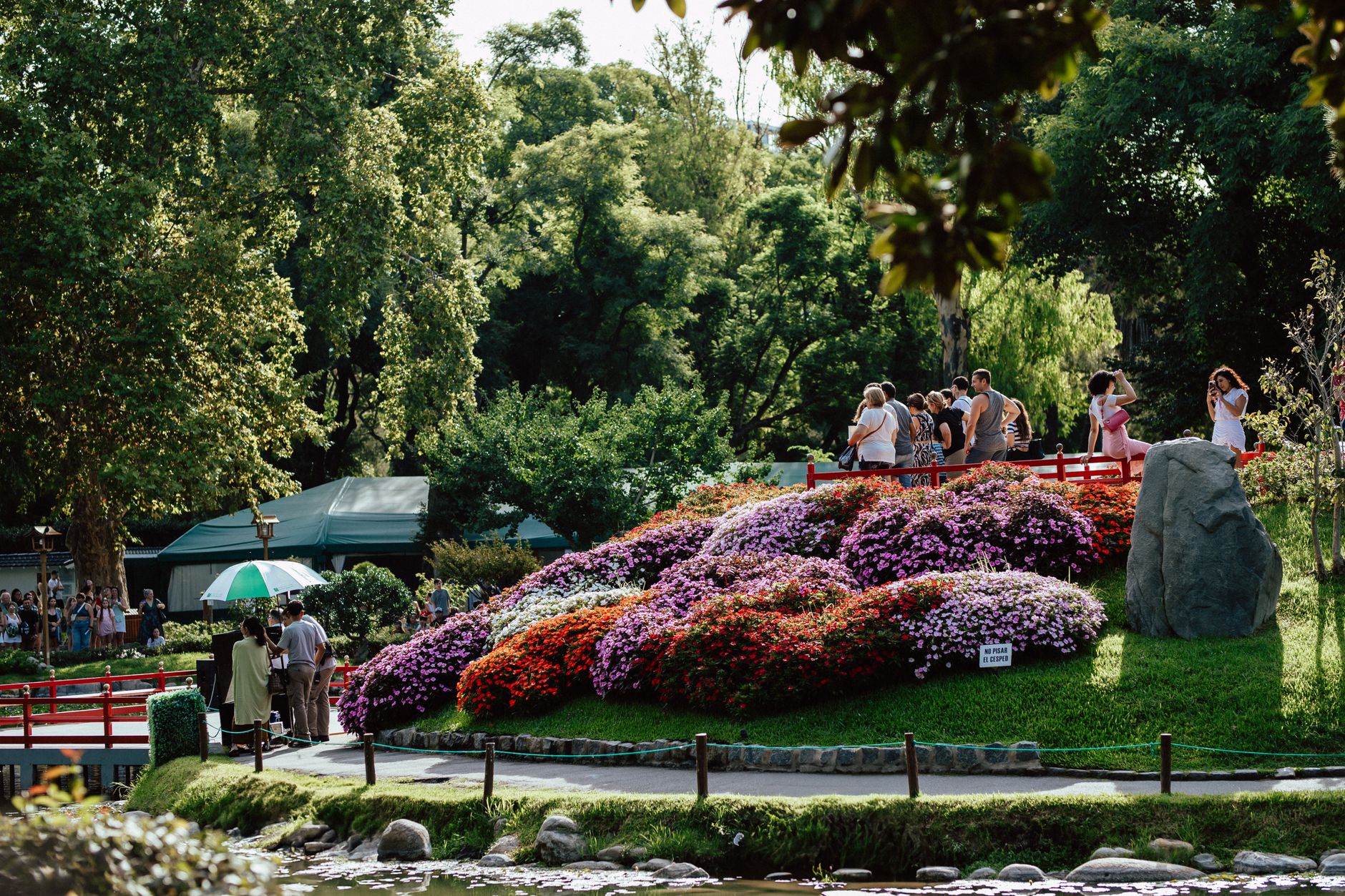
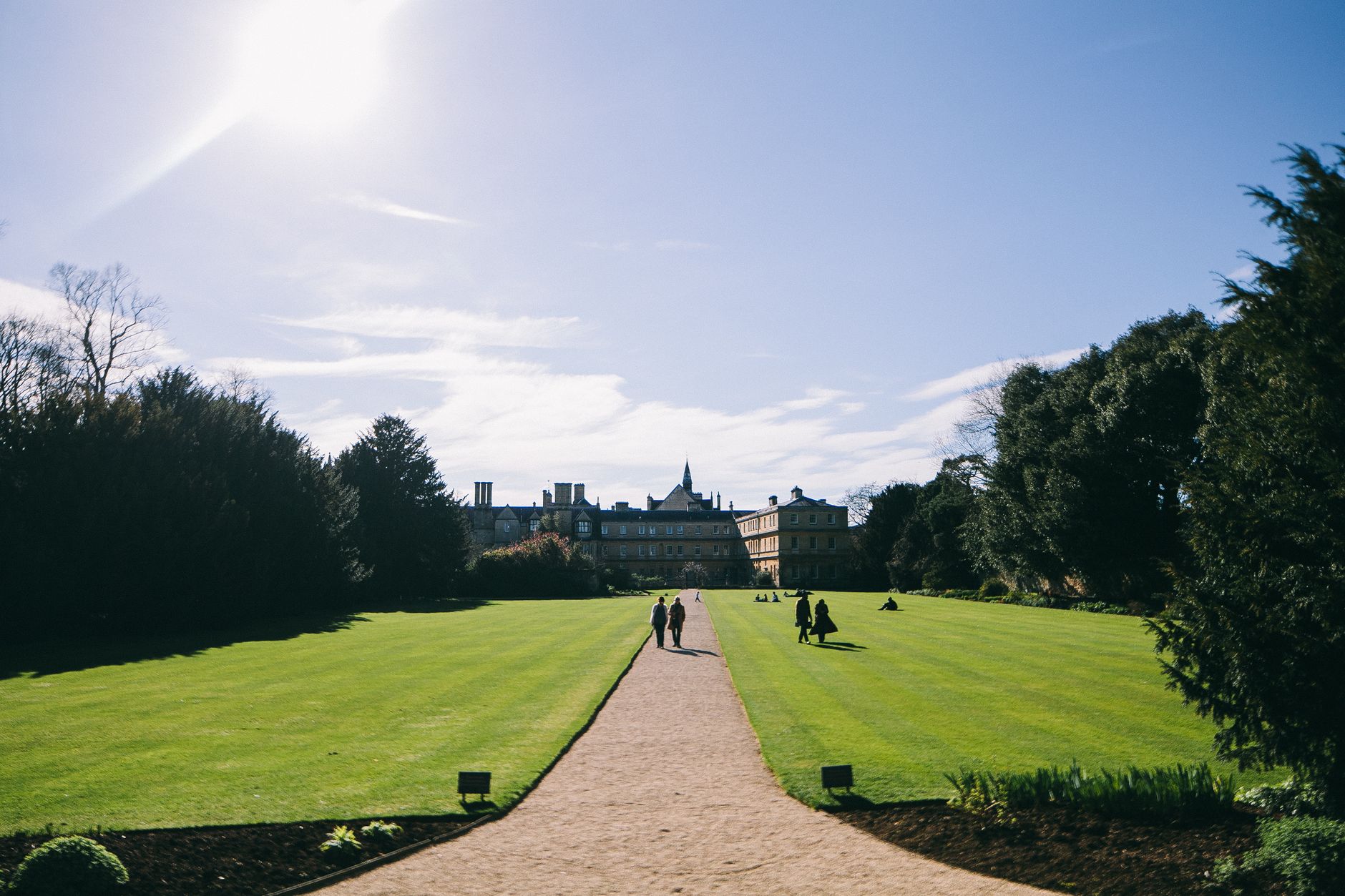
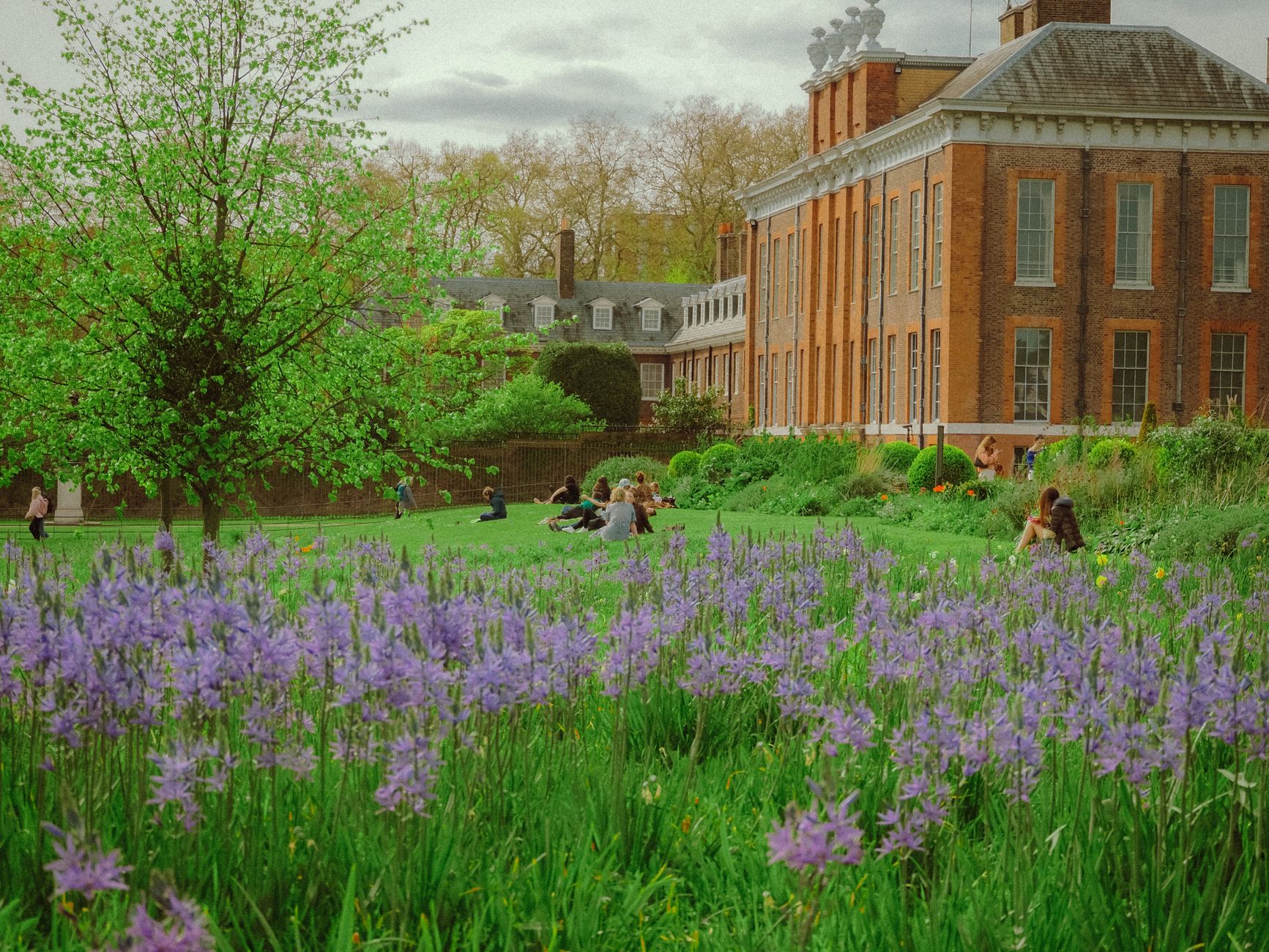
On 25 July 2019, the thermometers at Cambridge University Botanic Garden hit 38.7°C — at the time, the second-highest temperature ever recorded in the United Kingdom. That fact says something about this place: it is a site of serious scientific observation, not merely a pleasant green space. Sixteen hectares of curated ground hold more than 8,000 plant species, nine national collections, a glasshouse range, a rock garden, a winter garden, and a lily pond whose bronze fountain was designed by the silversmith David Mellor.
The east-west Main Walk, flanked by conifers, gives the garden its spine. From it, you can drift south into the systematic beds — 1,600 hardy specimens arranged by family — or north toward the U-shaped lake. It rewards slow movement and return visits across seasons.
💛 What travellers fall for
People who come back tend to agree on a few things: arrive through the Station Road Gate off Hills Road if you're walking from the train, because the approach through the systematic beds sets the tone better than the Brookside entrance. The Winter Garden earns its own visit in February. And the Scented Garden is worth sitting in long enough to feel the difference between knowing a plant's name and actually knowing it.
Experiences you don't want to miss
Deals in Cambridge University Botanic Garden
Book directly at the providerHow Cambridge University Botanic Garden came to be
The garden's origins lie in a city-centre physic garden purchased in 1760 by Dr Richard Walker, Vice-Master of Trinity College, for £1,600. Laid out in four quadrants for teaching medical students, it served Cambridge for decades before John Stevens Henslow — Professor of Botany from 1825 and, notably, Charles Darwin's mentor — concluded the site was too cramped. He secured the current 16-hectare plot from Trinity Hall in 1831, drew up plans with the first curator Andrew Murray, and planting began in 1846.
The garden has grown steadily since. A bequest from Reginald Cory in 1934 eventually brought nearly £500,000 to the institution. The Sainsbury Laboratory, a serious plant-science research facility, opened on the grounds in April 2011, opened by Queen Elizabeth II — a reminder that this is still, first and foremost, a working scientific institution.
Who and what shaped it
People who shaped it
Landmark buildings
See Cambridge University Botanic Garden in motion
Plan your visit
On the map
When to go
Cambridge runs dry and continental by English standards, which makes the garden genuinely pleasant from April through October — spring bulbs arrive early, and summer can be unexpectedly hot, as the 2019 temperature record confirms. Winter visits are quieter and sharper; the Winter Garden is specifically designed for those months, so don't write off a grey February afternoon.
Right now
What travellers say about Cambridge University Botanic Garden
Beautiful gardens and lovely glasshouses. We didn't leave enough time to see it all, I would recommend the whole day if you are a plant enthusiast. So much to see and some wonderful unusual plants in the glasshouses.
Amazingly maintained botanical garden, with flora from around the world. I stand in awe as to how it is maintained. A serene place. Varieties of trees and plants, all labelled with their names. The glasshouse atmosphere is good too. Desert like condition and the plants therein. I expected the prices to be a bit lower, as it would help more people come visit and spend their time enjoying the fresh air and amazing sights. Overall a great visit. Would recommend.
I have now reached the stage in life where I judge cities not by Michelin stars or cathedral spires, but by the quality of their botanical gardens. This one is dangerous. I wandered in expecting a pleasant hour among a few cacti. Several hours later I emerged having accidentally revised my views on mathematics, evolution, computer science and the meaning of life. It turns out succulents are not merely plants. They are geometry with chlorophyll. Everywhere I looked were Fibonacci spirals, fractals, optimisation algorithms and natural engineering. Euclid would have felt at home. Fibonacci would have nodded approvingly. Alan Turing would probably have forgotten to go home. The collection itself is magnificent. Beautifully curated, impeccably maintained and presented with the quiet confidence of people who know they don’t need gimmicks because the plants are already doing all the hard work. I also discovered that gardeners possess a particularly subtle sense of humour. They casually place what appears to be an alien lifeform in a terracotta pot, label it with an innocent Latin name, and stroll away as visitors begin questioning reality. By the end I was photographing succulents with the intensity normally reserved for Renaissance masterpieces. Other visitors were admiring the flowers. I was trying to decide whether one particularly handsome rosette was solving a differential equation or merely showing off. If you enjoy plants, go. If you enjoy mathematics, go. If you enjoy photography, go. If you simply need reminding that nature has been quietly outperforming human engineers for a few hundred million years, definitely go. An utterly delightful botanical garden. I arrived looking for plants and left convinced that Mother Nature has been running the world’s oldest research laboratory all along.
Love this place, so calm and beautiful. Always interesting and seeing something new or different than before. The Jade Vine is amazing. The cafe is excellent and plenty of toilets. Great for individuals, couples, families and OAPs.
Background & history adapted from Wikipedia (CC BY-SA) · specs from Wikidata (CC0) · weather from Open-Meteo · map data © OpenStreetMap contributors · photos from Wikimedia Commons / Unsplash with per-image credit. No third-party reviews or social posts reproduced.