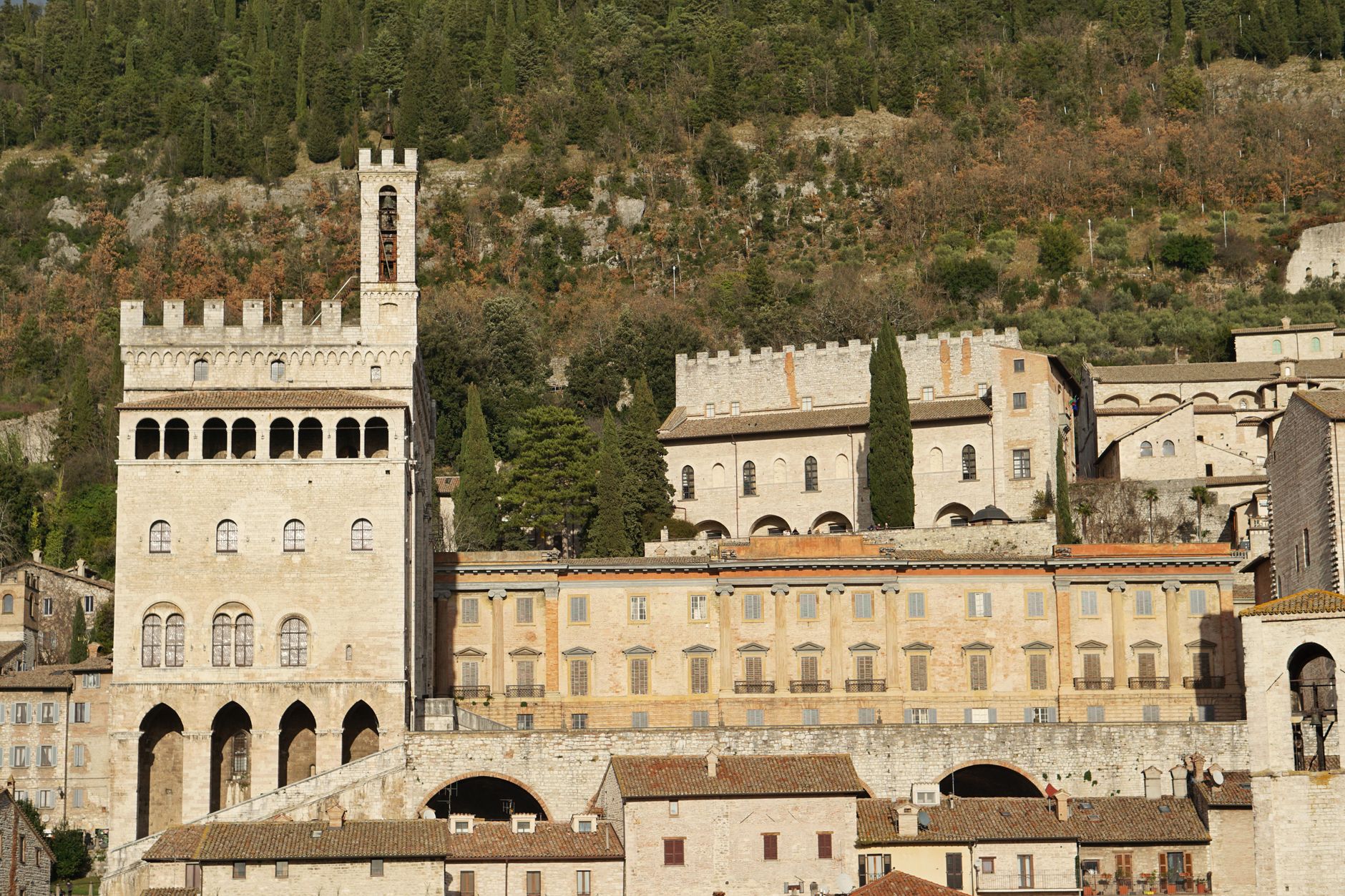
Roman Theatre (Teatro Romano)
Just outside the historic centre at the foot of Monte Ingino, Gubbio's Roman theatre is one of the best-preserved 1st-century BC theatres in central Italy — and because it sits slightly apart from the main tourist trail, you can often have it almost entirely to yourself. The semicircular cavea, still partially intact, gives a visceral sense of Roman civic life that many more-famous sites fail to d
The Archaeology
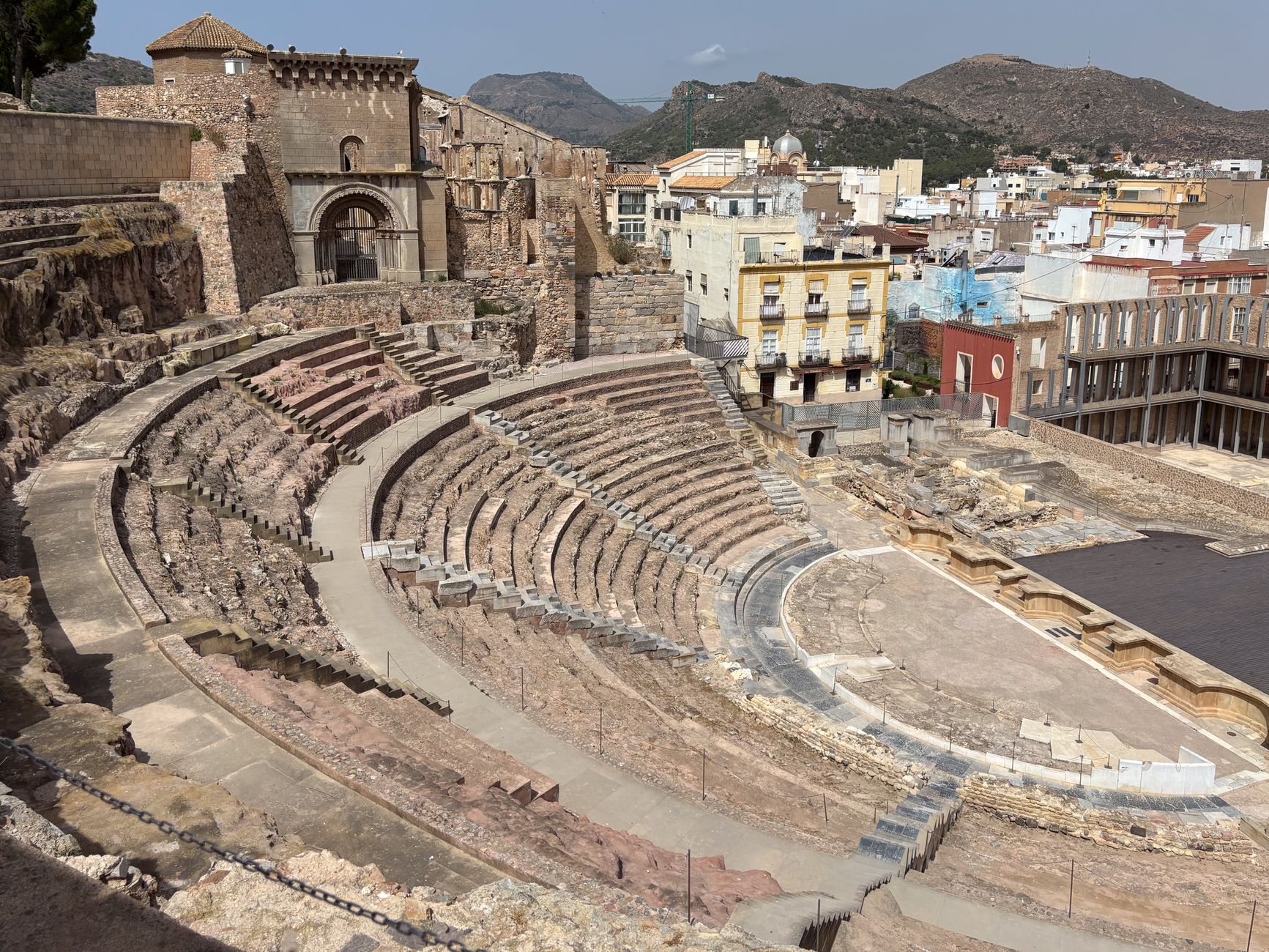
Built between 55 and 27 BC, the theatre could seat around 6,000 spectators — a remarkable capacity for a town of Gubbio's size, suggesting Iguvium (the Roman name) was a prosperous and culturally ambitious city.
The stage wall (scaena) has largely disappeared but the curved seating banks and the orchestra pit are clearly readable; information panels in Italian and English explain the original layout and the excavation history.
The Surrounding Area
Adjacent to the theatre is a small antiquarium (archaeological museum) housing finds from the site including mosaic fragments, terracotta decorations and coins — it is often overlooked even by visitors who stop at the theatre itself.
The grassy area around the theatre is a favourite picnic spot for locals; bring a sandwich from the Tuesday market and eat with a view of the ancient stage — one of the more civilised lunches available in Umbria.
Summer Performances
Every summer (typically July–August) the theatre returns to its original purpose with a season of classical music, theatre and opera performances under the stars — the acoustics are naturally excellent and the setting is unforgettable.
Check the Comune di Gubbio website or the local tourist office for the current season's programme; tickets sell out quickly for headline events.
More of Gubbio
Discover where to stay, what to do and the best deals for your trip.
Explore Gubbio →