Chapelle Saint-Sauveur de Gavarnie
Tucked at the edge of Gavarnie village on the old pilgrimage route to Santiago de Compostela, the 12th-century Chapelle Saint-Sauveur is a quietly remarkable Romanesque survivor that most visitors walk straight past on their way to the cirque.

History Written in Stone
The chapel was built by the Knights Hospitaller in the 12th century as a waystation for pilgrims crossing the Pyrenees via the Brèche de Roland into Spain. The carved tympanum above the doorway still shows traces of its original Romanesque decoration despite centuries of mountain weather.
Inside, the single nave is cool and dim, lit by narrow lancet windows, with a simple stone altar and fragments of medieval fresco visible on the north wall — ochre figures that art historians date to the late 13th century.
The Pilgrimage Context
Gavarnie sits on a branch of the Via Turonensis, one of the four main French routes of the Camino de Santiago, and the village was an important staging post before the high mountain crossing. A worn scallop-shell waymarker is still embedded in the chapel's exterior wall.
The GR10 long-distance trail, which traverses the entire French Pyrenees from the Atlantic to the Mediterranean, passes directly in front of the chapel — making it a poignant meeting point of ancient and modern long-distance walking traditions.
Visiting Practically
The chapel is unlocked most mornings between June and September; at other times the key is held at the Mairie de Gavarnie, a two-minute walk away. Entry is free and donations are welcome.
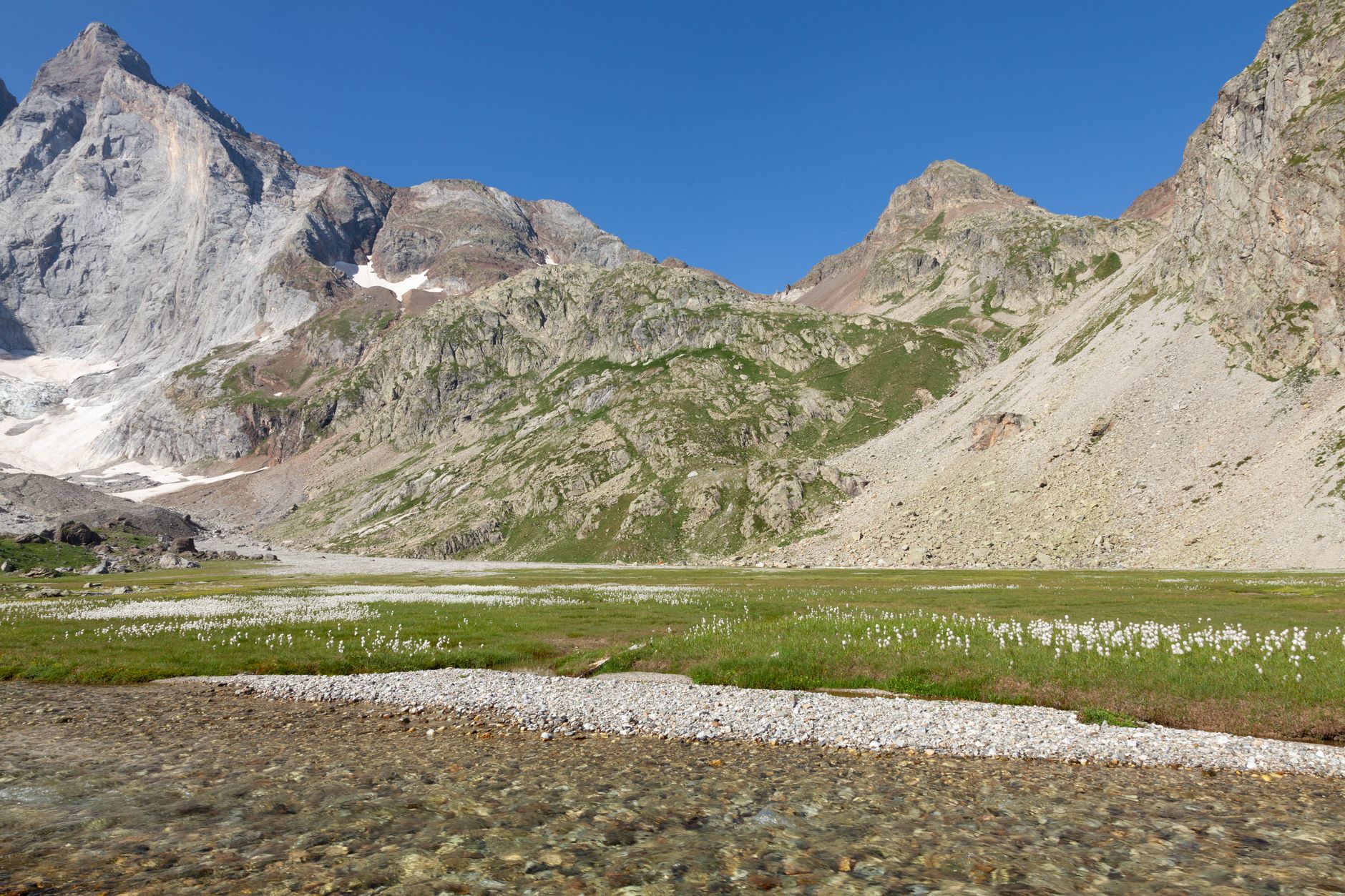
The churchyard offers a surprisingly good view of the upper cirque walls above the village rooftops — bring a wide-angle lens if you want to capture both chapel and mountain in a single frame.
More of Gavarnie
Discover where to stay, what to do and the best deals for your trip.
Explore Gavarnie →