
Zanzibar Archipelago
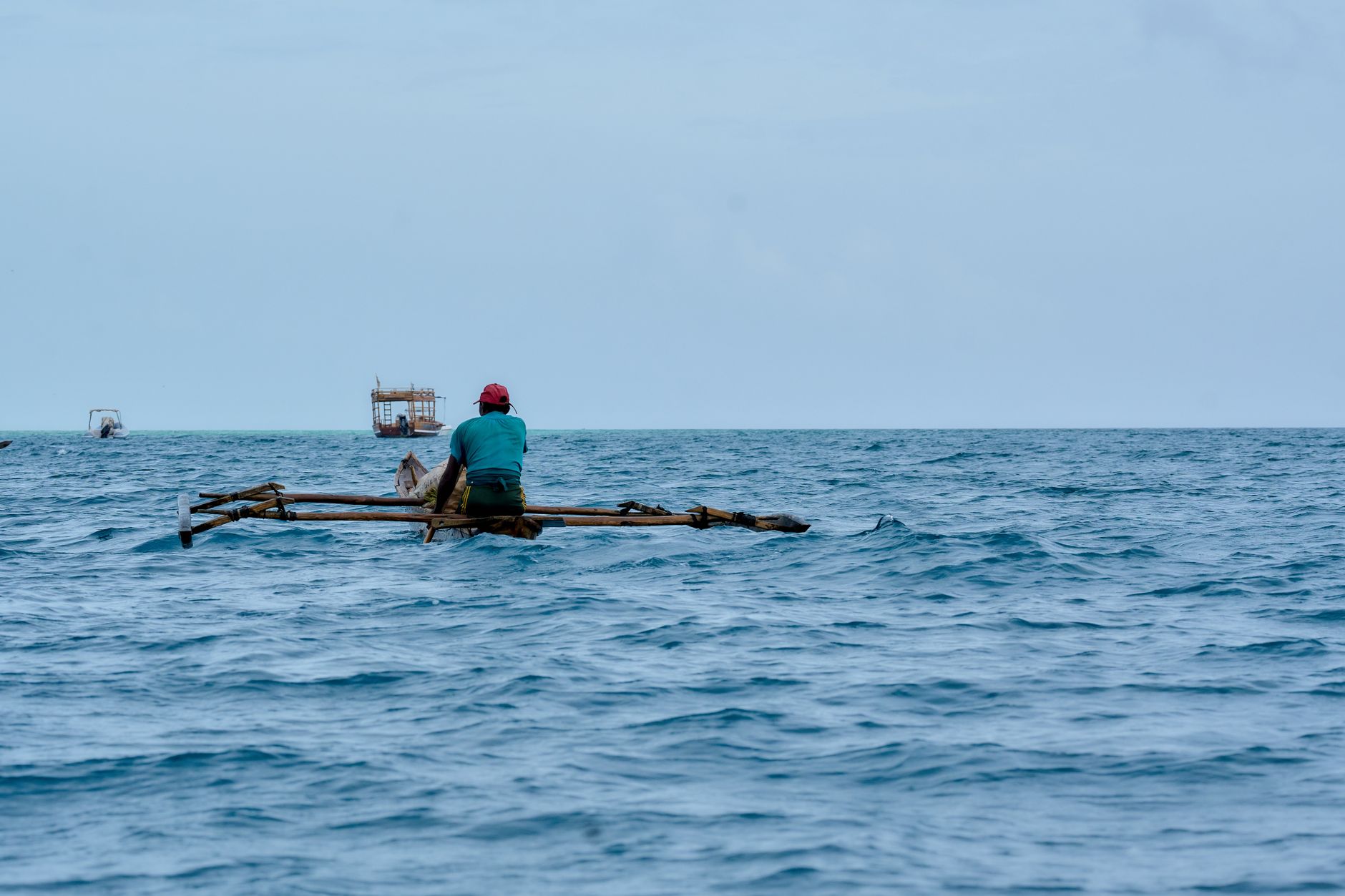
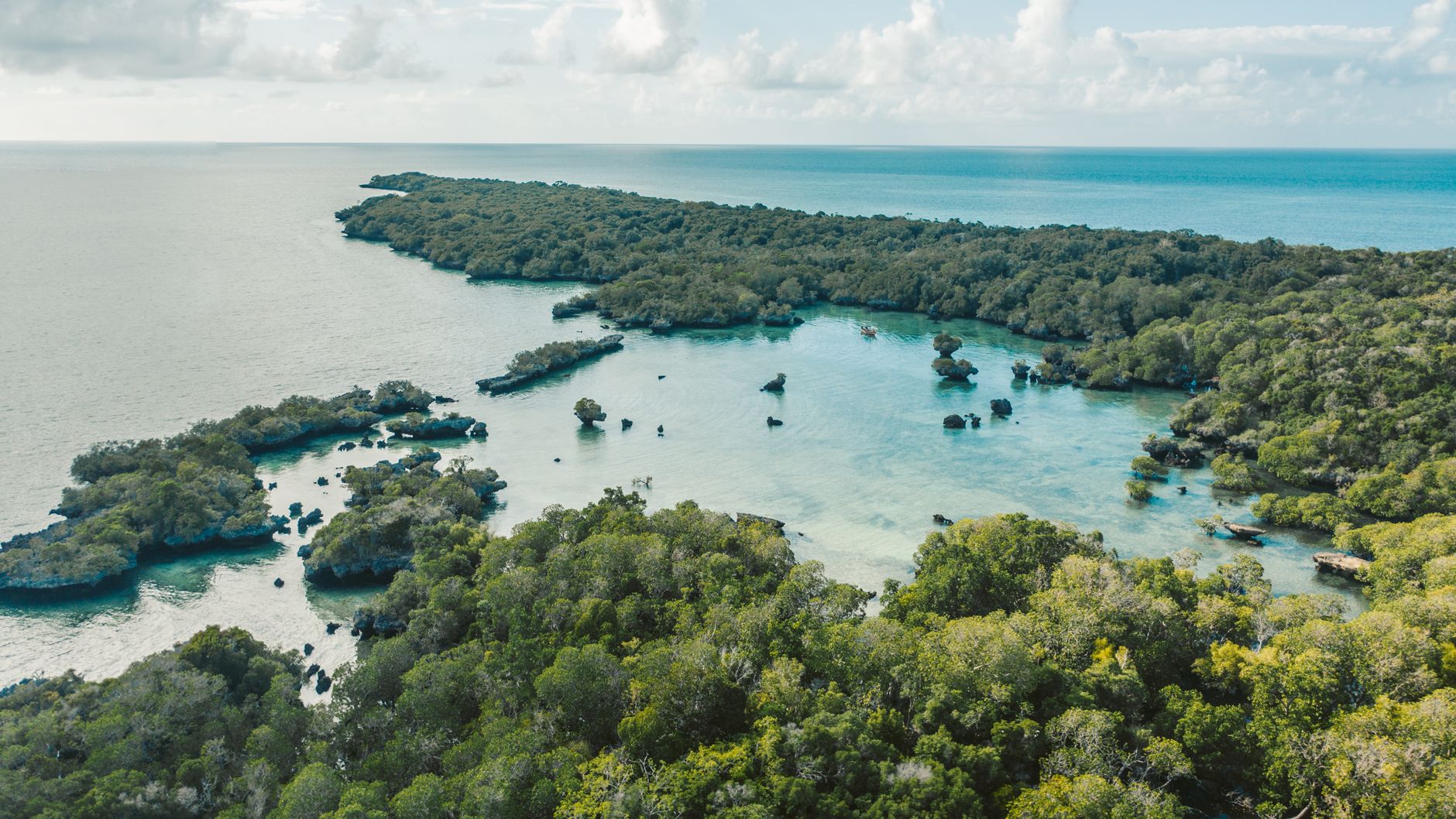
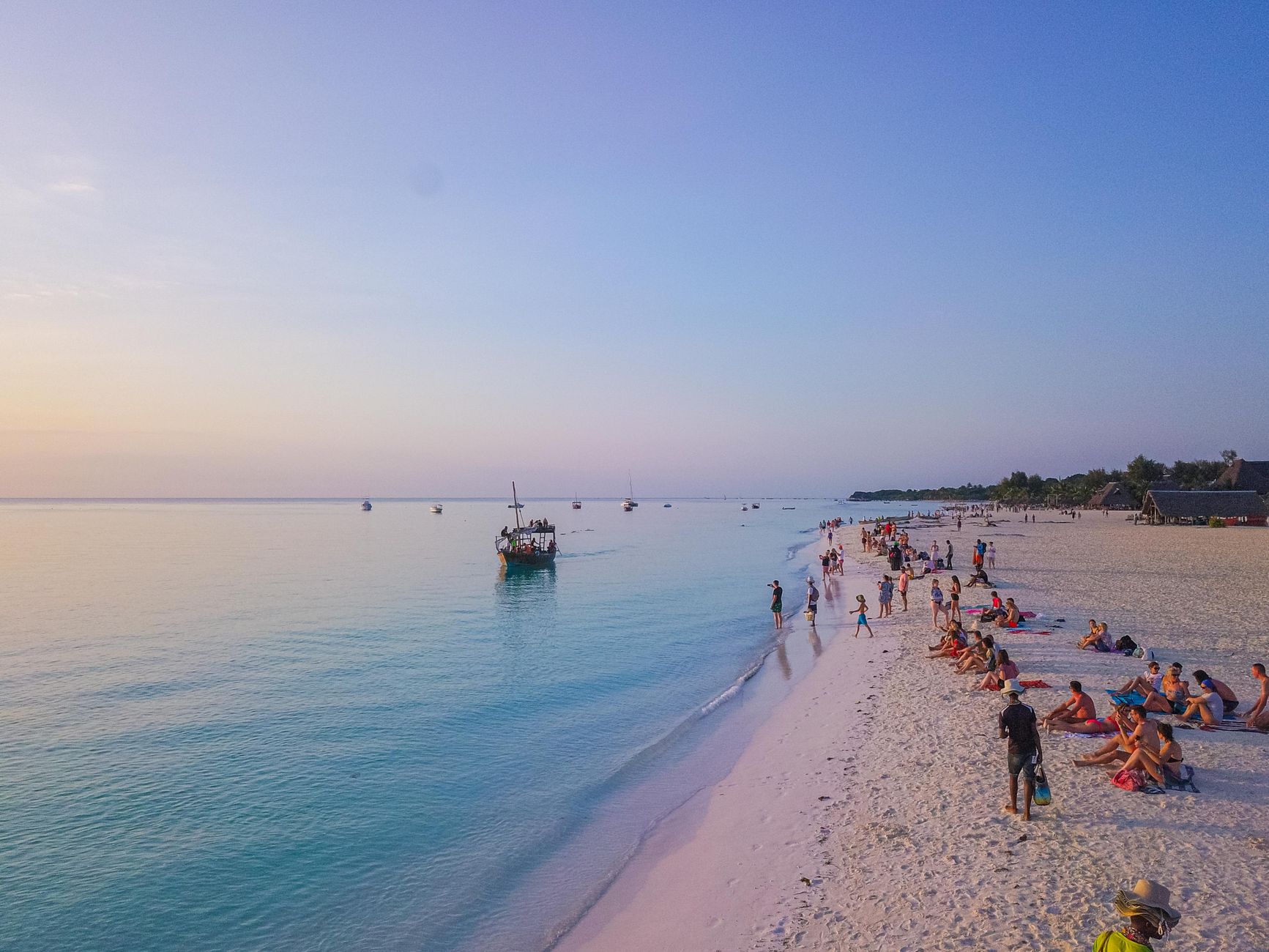
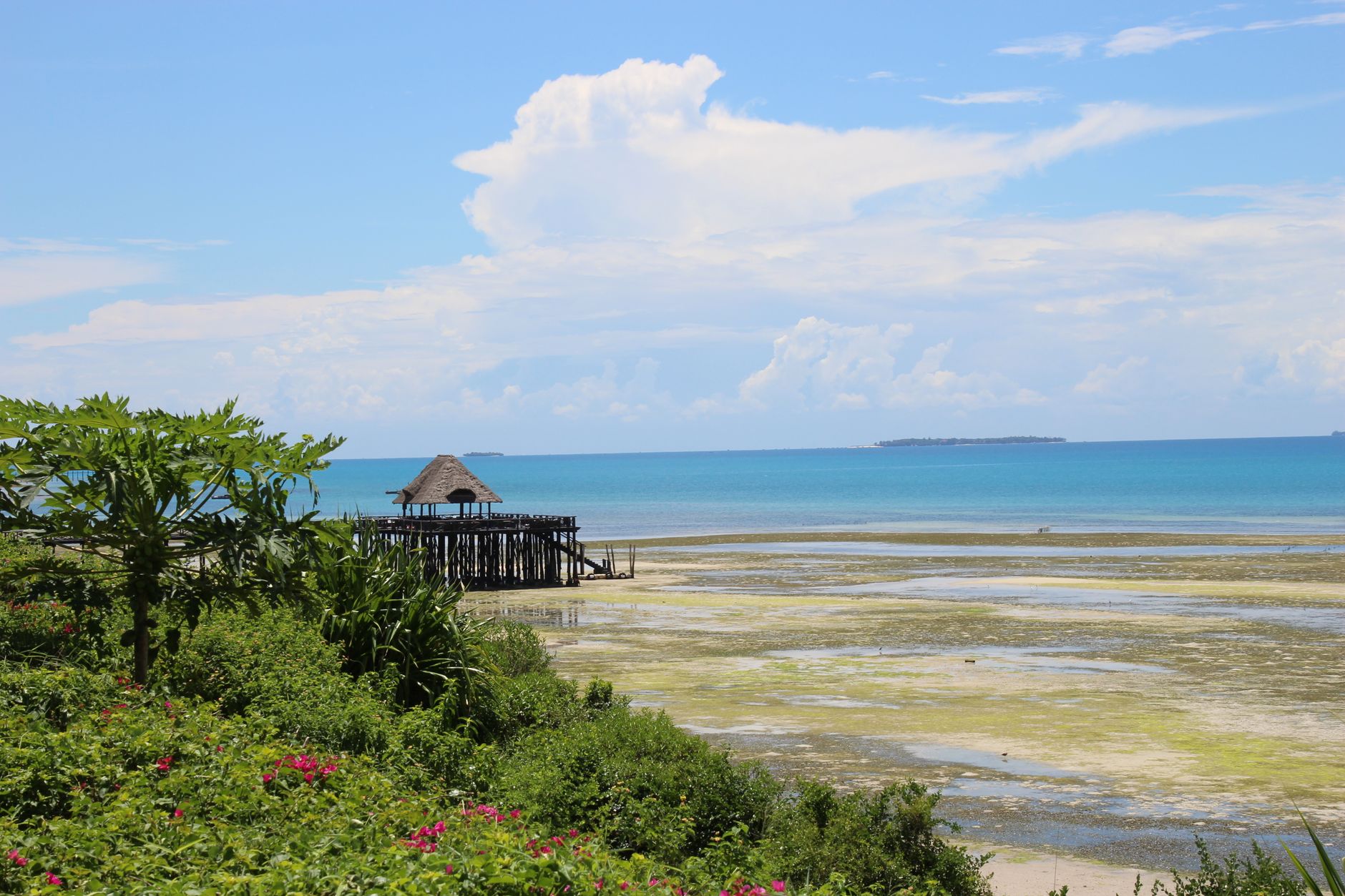
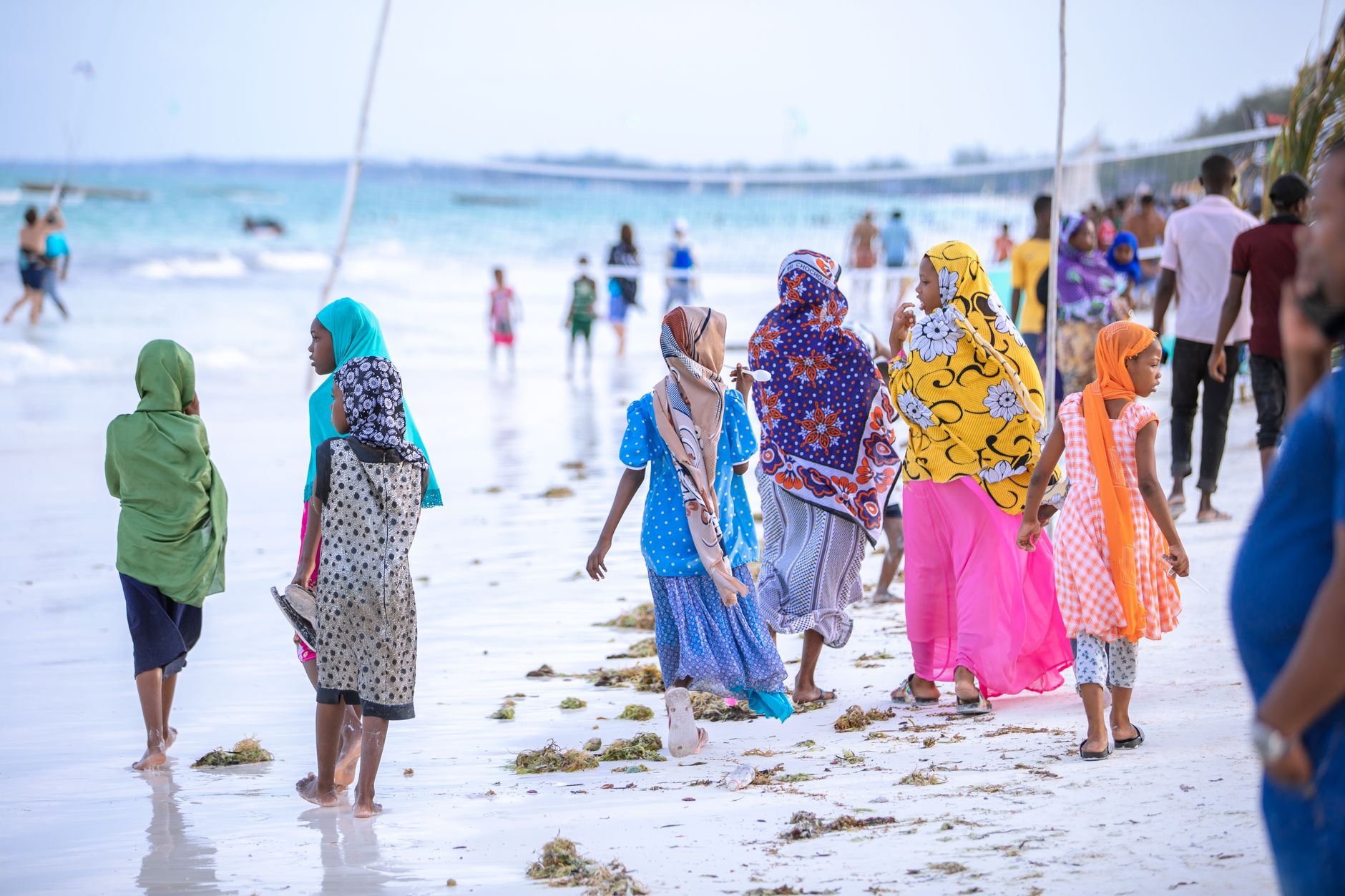
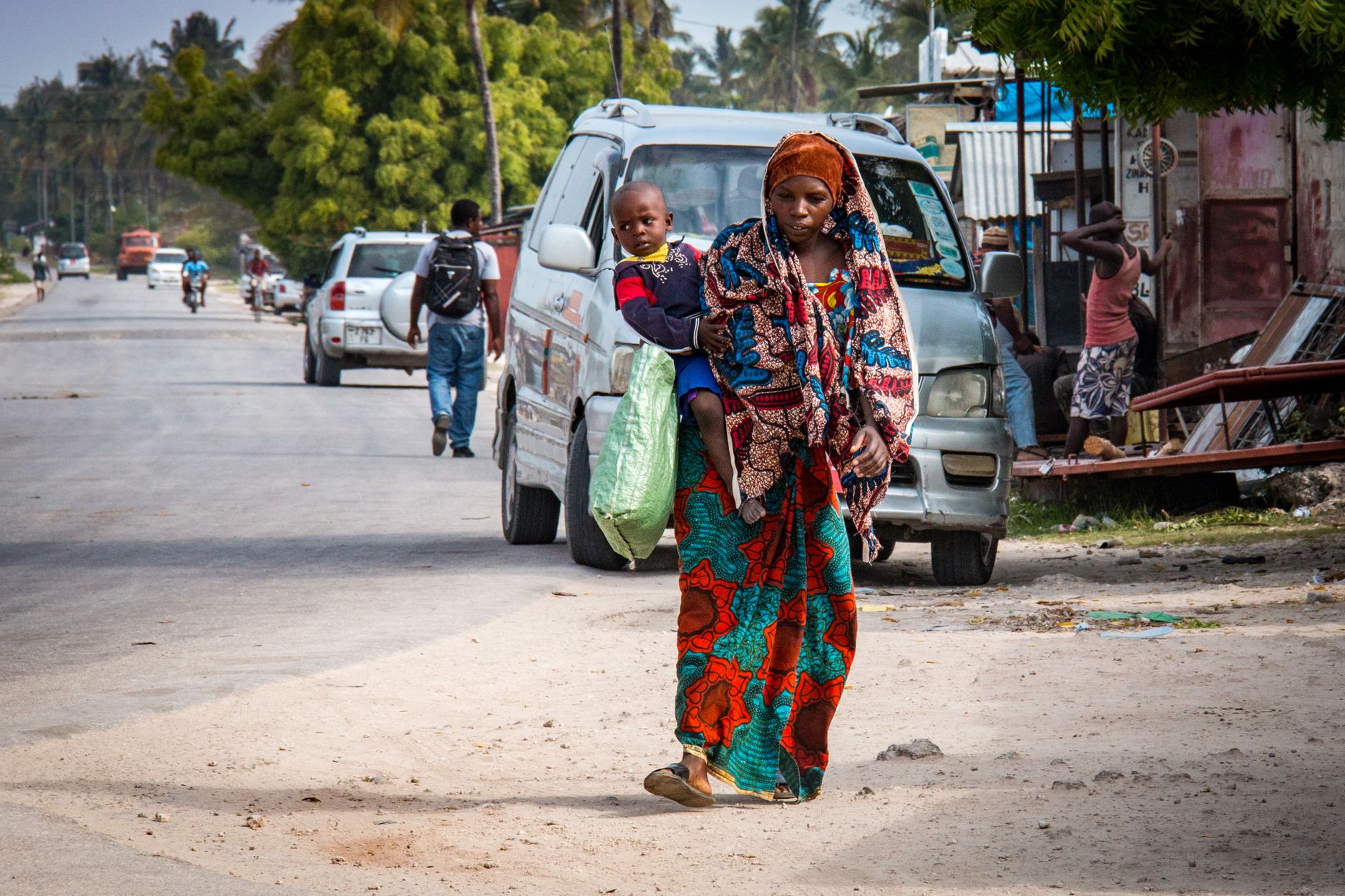
The Indian Ocean has been washing over these islands for at least 22,000 years of human habitation, and the layers show. Zanzibar is an archipelago off the Tanzanian coast where the smell of cloves still drifts through Stone Town's coral-stone alleyways, where a mosque wall carries an inscription dated 1107, and where the 19th century left behind palaces, cathedrals, and the terrible weight of the slave trade — all within walking distance of each other.
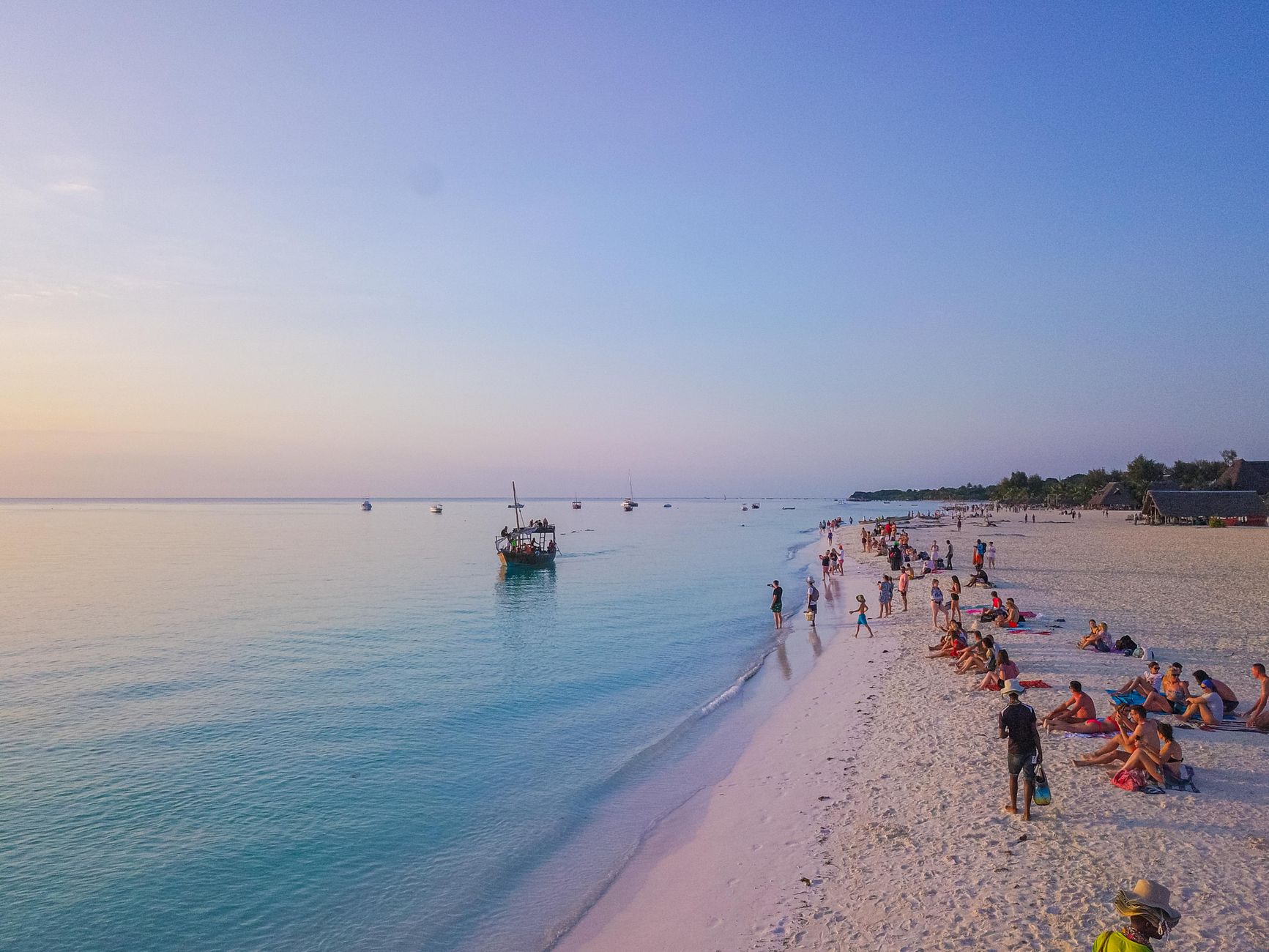
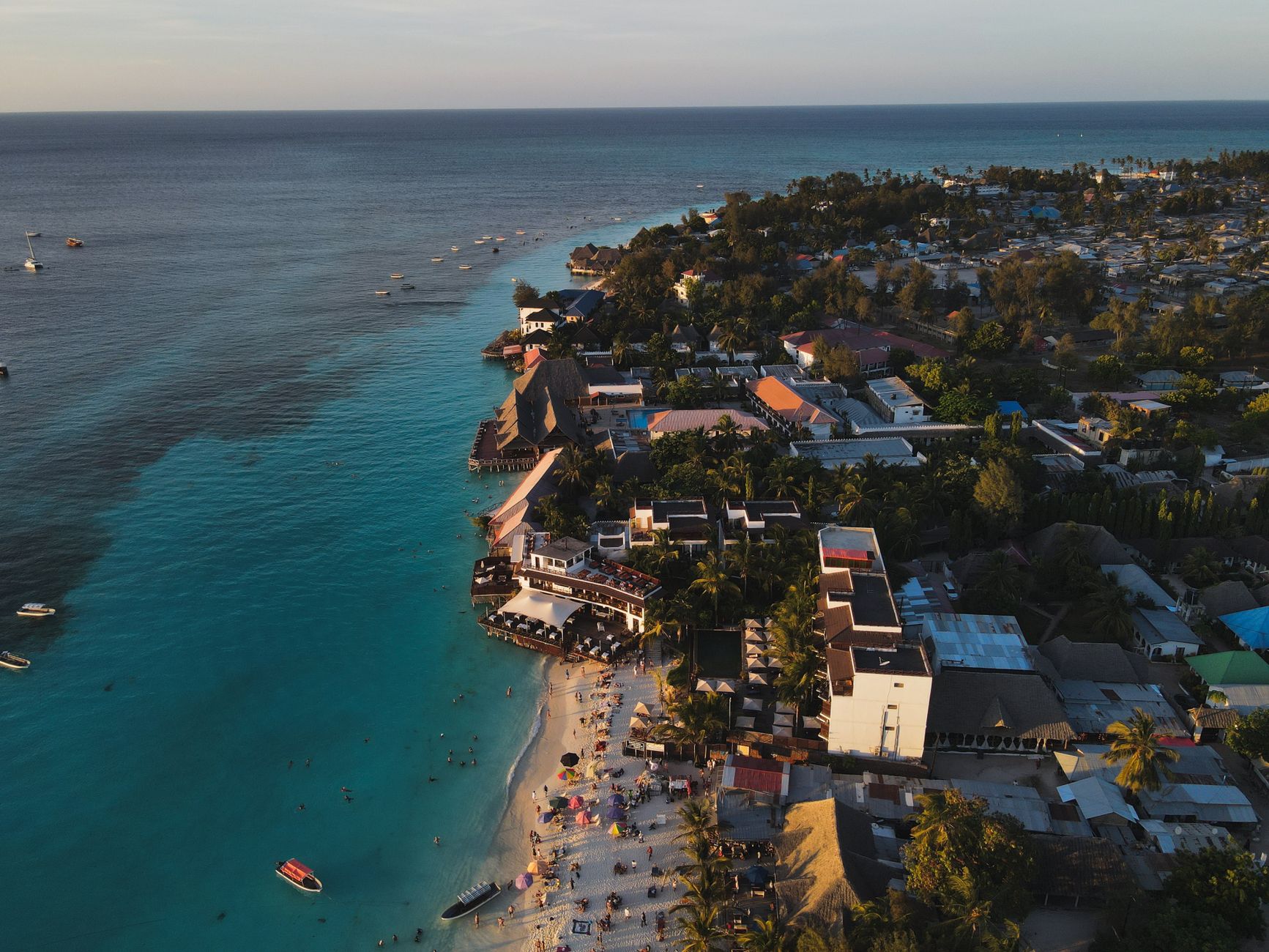
The main island, Unguja, holds most of what draws people here: the UNESCO-listed Stone Town in the west, the long white-sand beaches of the north and east coast, and a quiet interior of spice plantations. The smaller island of Pemba lies to the north, less visited and greener.
Popular cities in Zanzibar Archipelago








How Zanzibar Archipelago came to be
People have been using Kuumbi Cave, in the island's south, since at least 20,000 BCE. Arab and Persian traders were calling here by the first century AD, and by the 10th century Zanzibar had become a fixture of the Swahili coast trading network. The Portuguese arrived with Vasco da Gama in 1499 and held sway for nearly two centuries before Omani forces took the archipelago in 1698. The Sultanate reached its peak when the Omani ruler moved his capital here in 1832, turning Zanzibar into the dominant trading port of East Africa — cloves, ivory, and enslaved people the main commodities.
Britain declared a protectorate in 1890. Six years later the Anglo-Zanzibar War — the shortest in recorded history, lasting less than an hour — ended the last serious resistance to British control. In 1964, following a revolution, Zanzibar merged with Tanganyika to become Tanzania.
Who and what shaped it
People who shaped it
Landmark buildings
See Zanzibar Archipelago in motion
Plan your visit
On the map
When to go
It's hot year-round, with December through March the most humid and temperatures nudging 33°C. The coolest, driest stretch runs May to August — though April and May bring the heaviest rains. The short rains arrive mid-October and taper off through November into December.
Right now
↡ Cities
Background & history adapted from Wikipedia (CC BY-SA) · specs from Wikidata (CC0) · weather from Open-Meteo · map data © OpenStreetMap contributors · photos from Wikimedia Commons / Unsplash with per-image credit. No third-party reviews or social posts reproduced.