
Kendwa
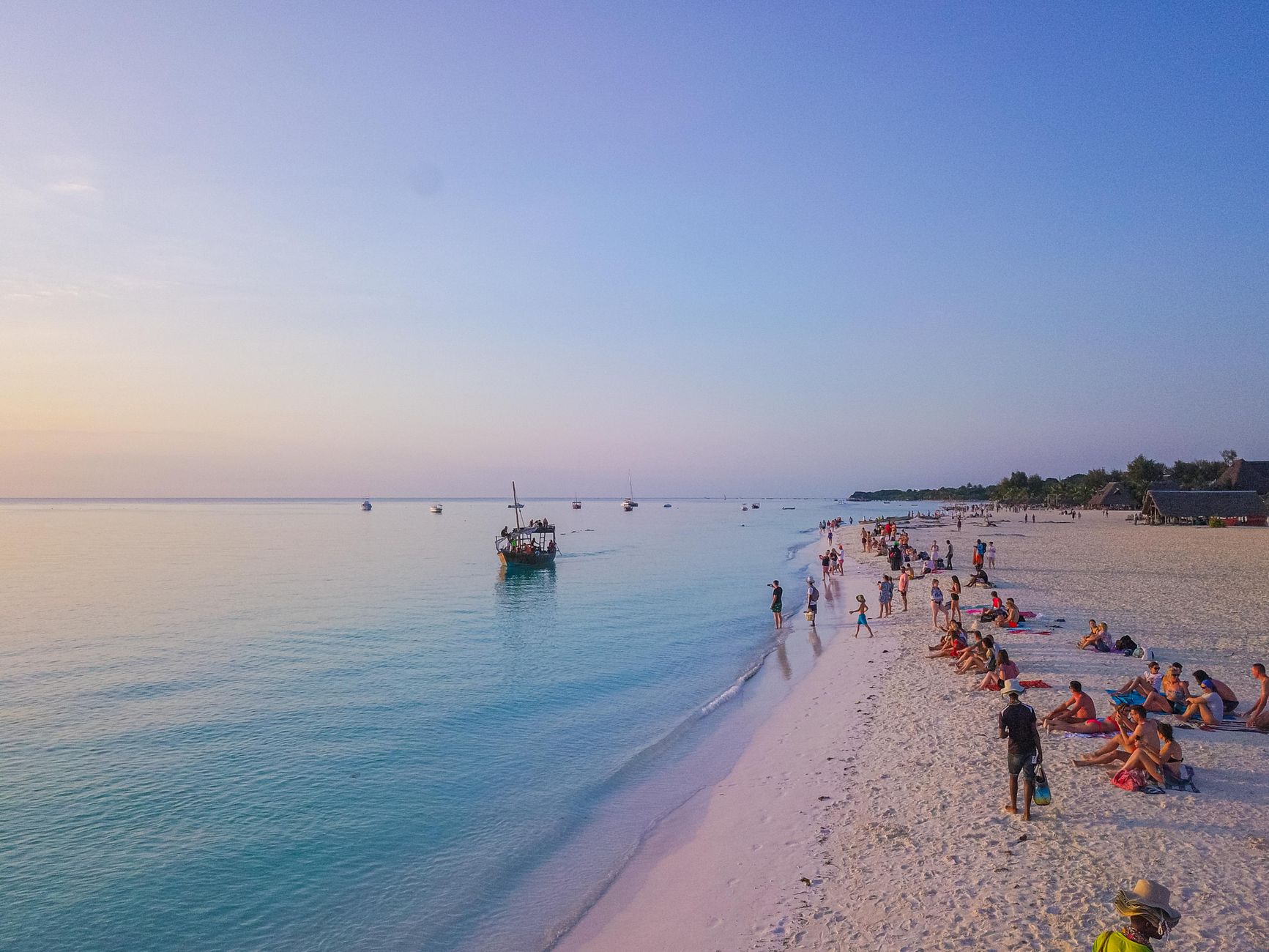

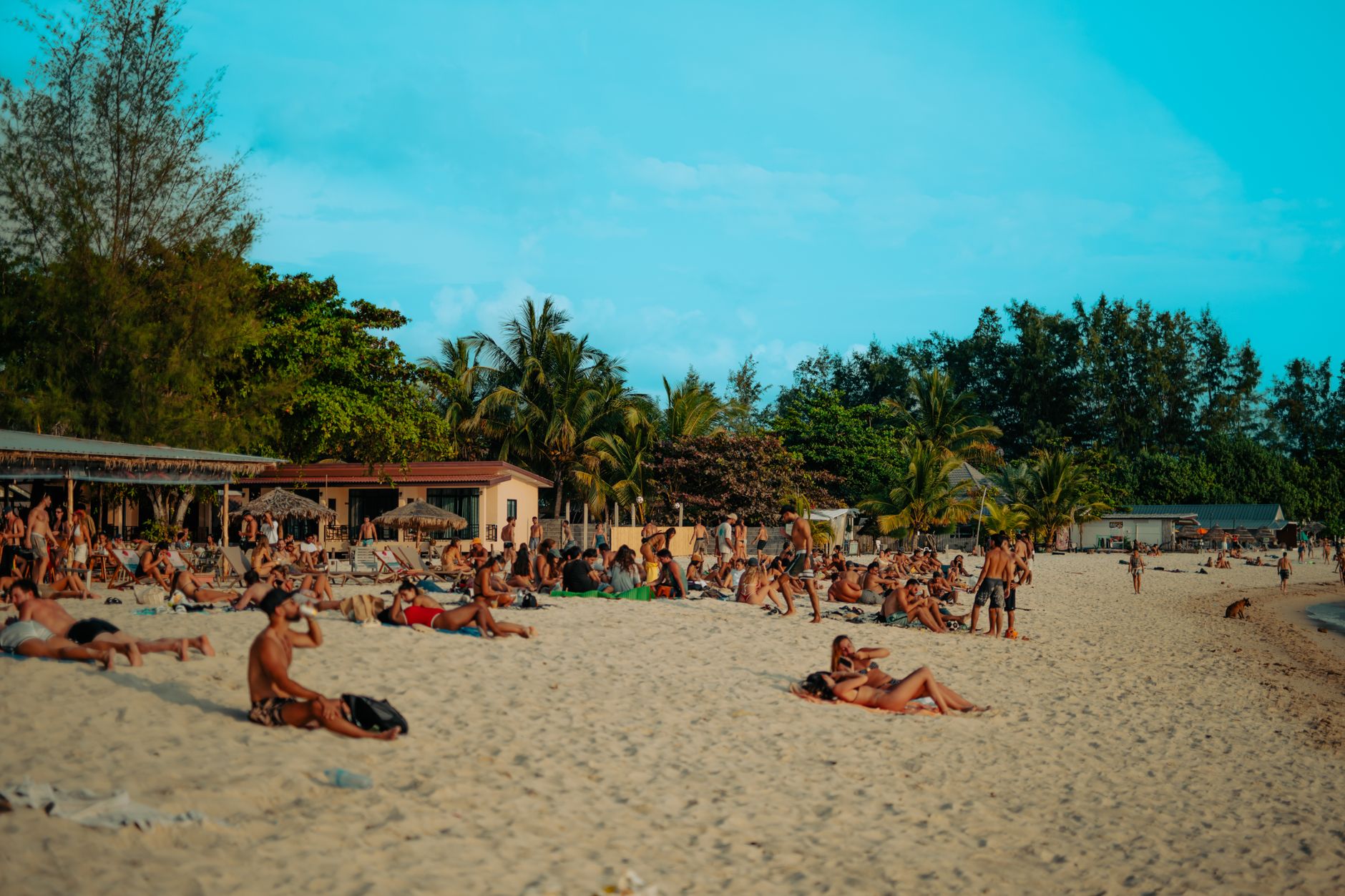


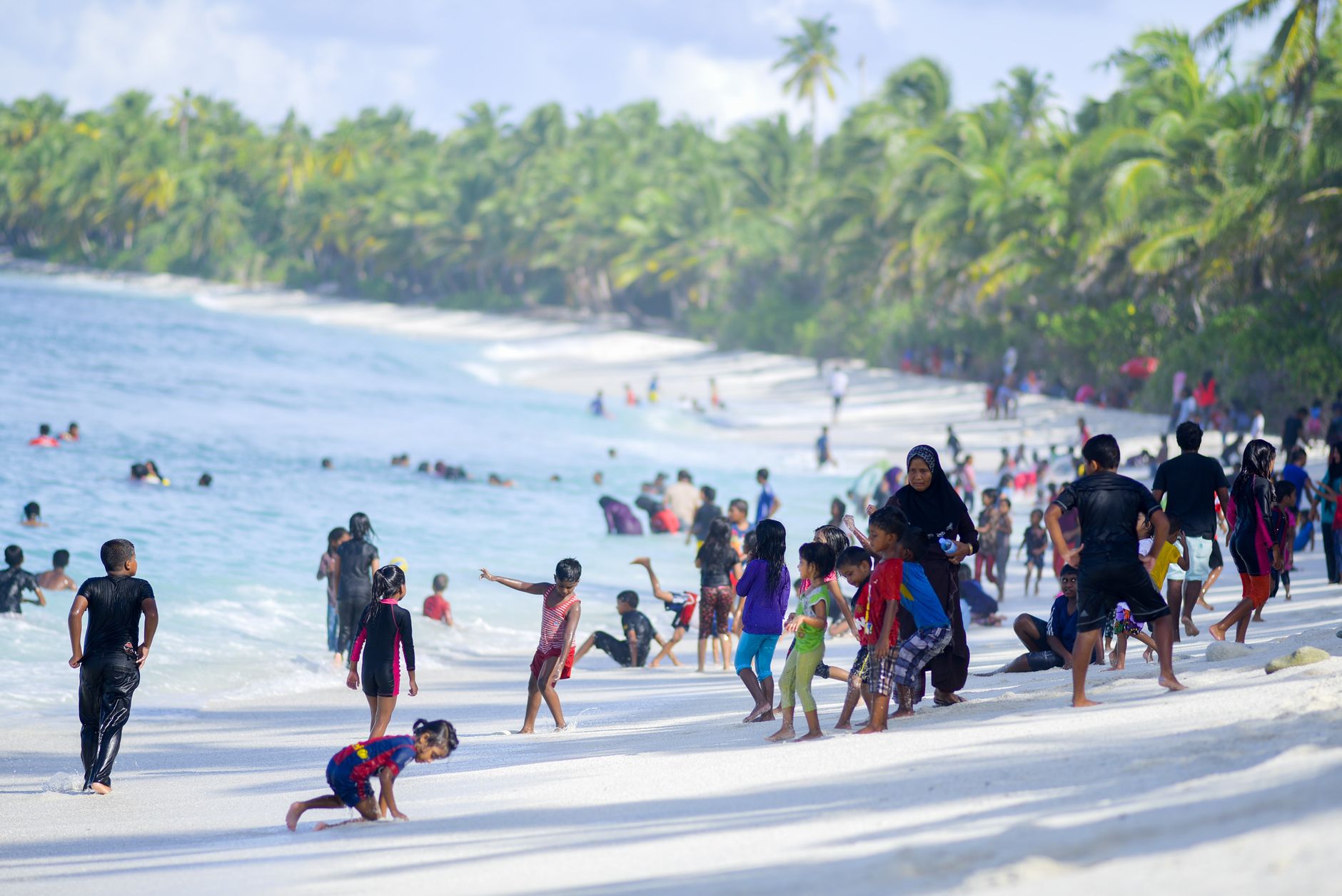
Kendwa sits at the far northern tip of Unguja, facing west across a stretch of calm water toward Tumbatu Island. That westward orientation matters: this is one of the few beaches on Zanzibar where you can watch the sun actually drop into the sea, rather than rise from it — a detail that shapes the rhythm of every evening here.
The beach itself is wide and firm enough to walk at low tide, and because the north coast is sheltered by geography, the water stays swimmable year-round without the tidal extremes that strand you on a sandbar elsewhere on the island. A handful of resorts line the shore now, but the pace remains unhurried.
💛 What travellers fall for
People who come back tend to arrive a day before the full moon and leave a day after — the Kendwa Rocks Full Moon Party has been running since 1996 and draws a crowd, but the morning after is remarkably quiet. Grab a table at Kendwa Rocks itself for breakfast; the original 1996 restaurant is still there, and the bungalows named after southern African countries give the place an accidental charm.
Deals in Kendwa
Book directly at the provider

How Kendwa came to be
Zanzibar's northern tip has been inhabited far longer than its resort hotels suggest — the island's earliest residents, ancestors of the Hadimu and Tumbatu peoples, began arriving from the African Great Lakes mainland around 1000 AD, and Tumbatu Island, visible from Kendwa's shore, became one of their strongholds.
Kendwa as a beach destination is essentially a creature of the late 1990s. Kendwa Rocks opened its small restaurant in 1996 — doubling as the reception for its first two years — and began hosting the Full Moon Party that same year. By 2000 the property had ten bandas and six bungalows; by 2008, wooden rooms and a more permanent structure. The larger resort brands arrived later, building around what had already become a well-worn stretch of sand.
Who and what shaped it
Landmark buildings
See Kendwa in motion
Plan your visit
On the map
When to go
June through October is the longest dry season and the most comfortable time to visit, with temperatures in the high 20s and reliable sunshine; July and August draw the heaviest European crowd. The short rains of November and December tend to be intense but brief, clearing quickly, while April's long rains can persist for days — worth avoiding if beach time is the point.
Right now
Background & history adapted from Wikipedia (CC BY-SA) · specs from Wikidata (CC0) · weather from Open-Meteo · map data © OpenStreetMap contributors · photos from Wikimedia Commons / Unsplash with per-image credit. No third-party reviews or social posts reproduced.