
Chake Chake






Chake Chake sits on a ridge above a mangrove-lined bay, and the first thing you notice is the tide. When it pulls back, the dhows in the harbour below list sideways in the mud, waiting. The town itself — the oldest on Pemba Island — is compact and a little worn at the edges, its core a tight weave of small shops, cafes and market stalls where the smell of pilau drifts out onto streets already crowded with dala dalas.
This is Pemba's main town, the island's practical centre, and it rewards a slow walk more than a checklist. The market has been here since 1904. The fort ruins predate that by centuries. Misali Island, with its coral reefs, is visible on a clear day from the western edge of town.
💛 What travellers fall for
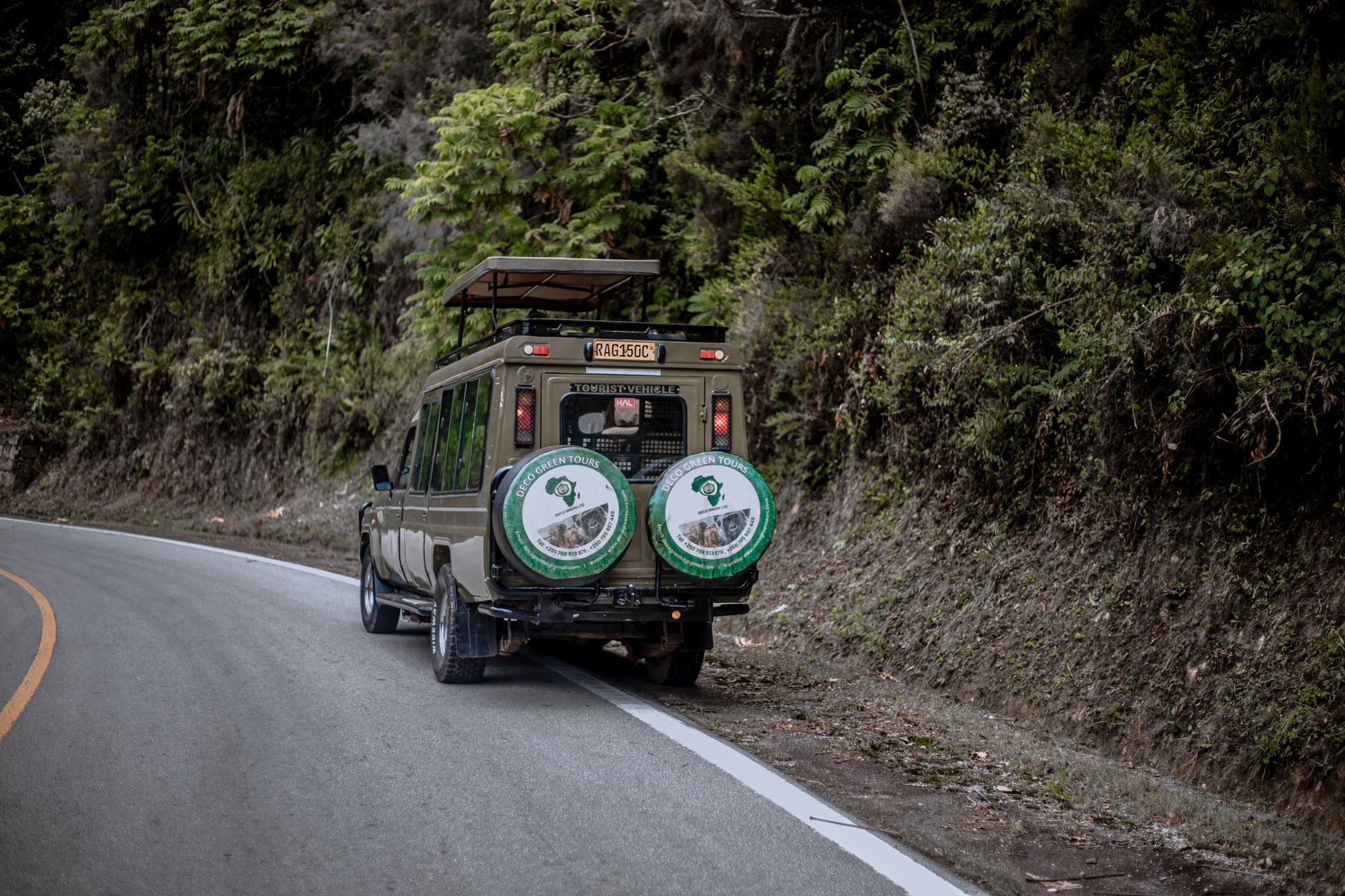
People who come back tend to mention the fish market at low tide — worth timing your morning around it. The cafes along the main streets do a Mchuzi wa Papa (shark curry with coconut) that you won't find replicated elsewhere on the archipelago. Hire a driver for the day; $50–70 gets you someone who knows which roads are passable after rain.
Deals in Chake Chake
Book directly at the provider
How Chake Chake came to be
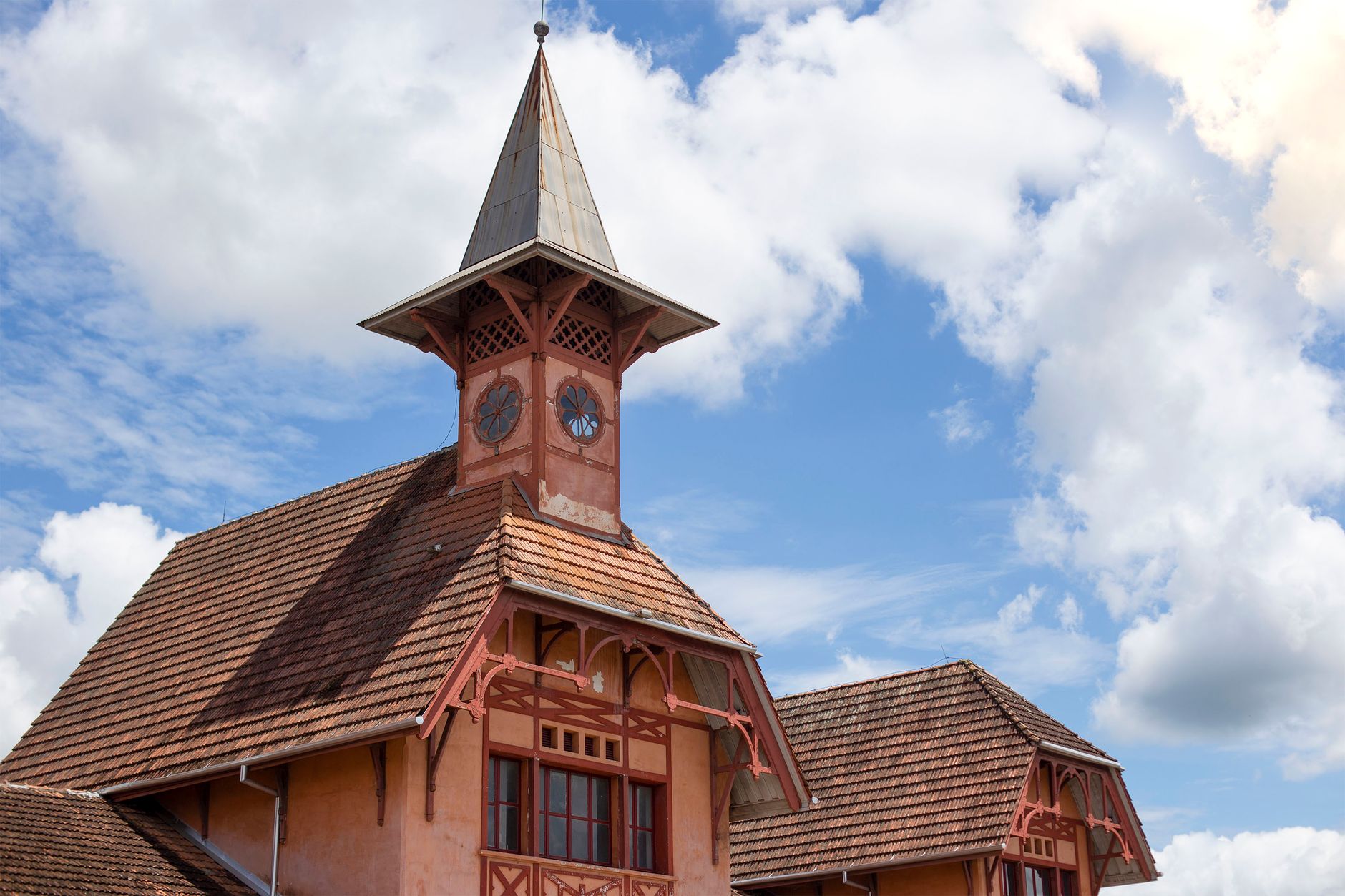
The site has been occupied since somewhere between 1500 and 1600, making Chake Chake the oldest town on Pemba Island. The Portuguese built a fort here in 1594 — part of their broader effort to control the Indian Ocean trade routes — and the ruins of an 18th-century fortification still stand. Later, the Omanis left their own mark with the Mkama Ndume Fort, and the British added administrative buildings in the 20th century, one layer of colonial ambition settling over another.
The town's modern shape was set by the Zanzibar Revolution of 1964, after which Pemba Island, including Chake Chake, was absorbed into the new union that became Tanzania. The market, opened in 1904, is among the few landmarks that has simply continued, decade after decade, without needing a political explanation.
Who and what shaped it
Landmark buildings
See Chake Chake in motion
Plan your visit
On the map
When to go
Temperatures sit steadily between 24 and 27°C year-round, so heat is rarely the issue — rain is. April and May bring the heaviest downpours; November and December a shorter wet spell. The long dry stretch from June to October is the most straightforward time to visit, with reliable skies and passable roads.
Right now
Background & history adapted from Wikipedia (CC BY-SA) · specs from Wikidata (CC0) · weather from Open-Meteo · map data © OpenStreetMap contributors · photos from Wikimedia Commons / Unsplash with per-image credit. No third-party reviews or social posts reproduced.