
Jambiani
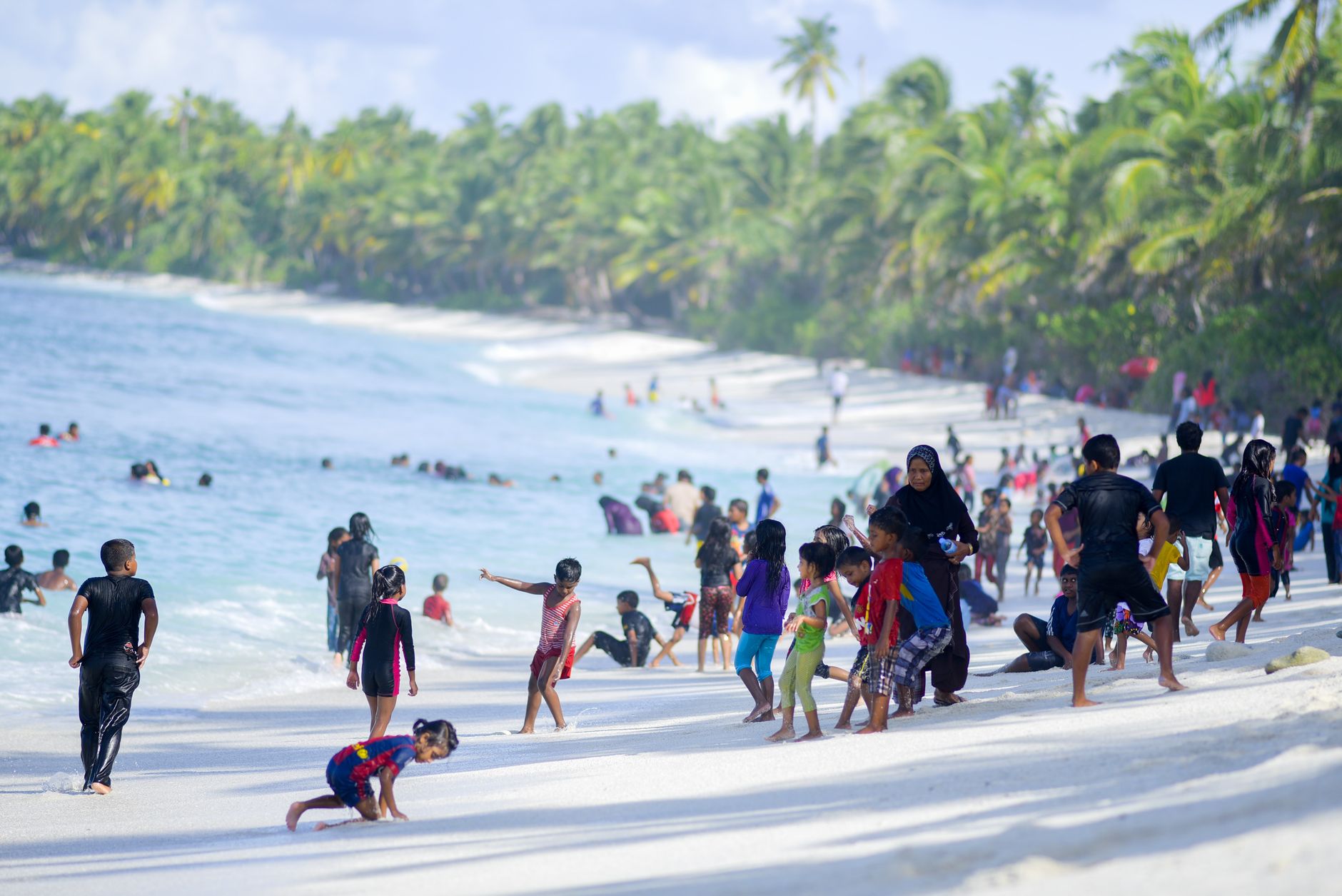
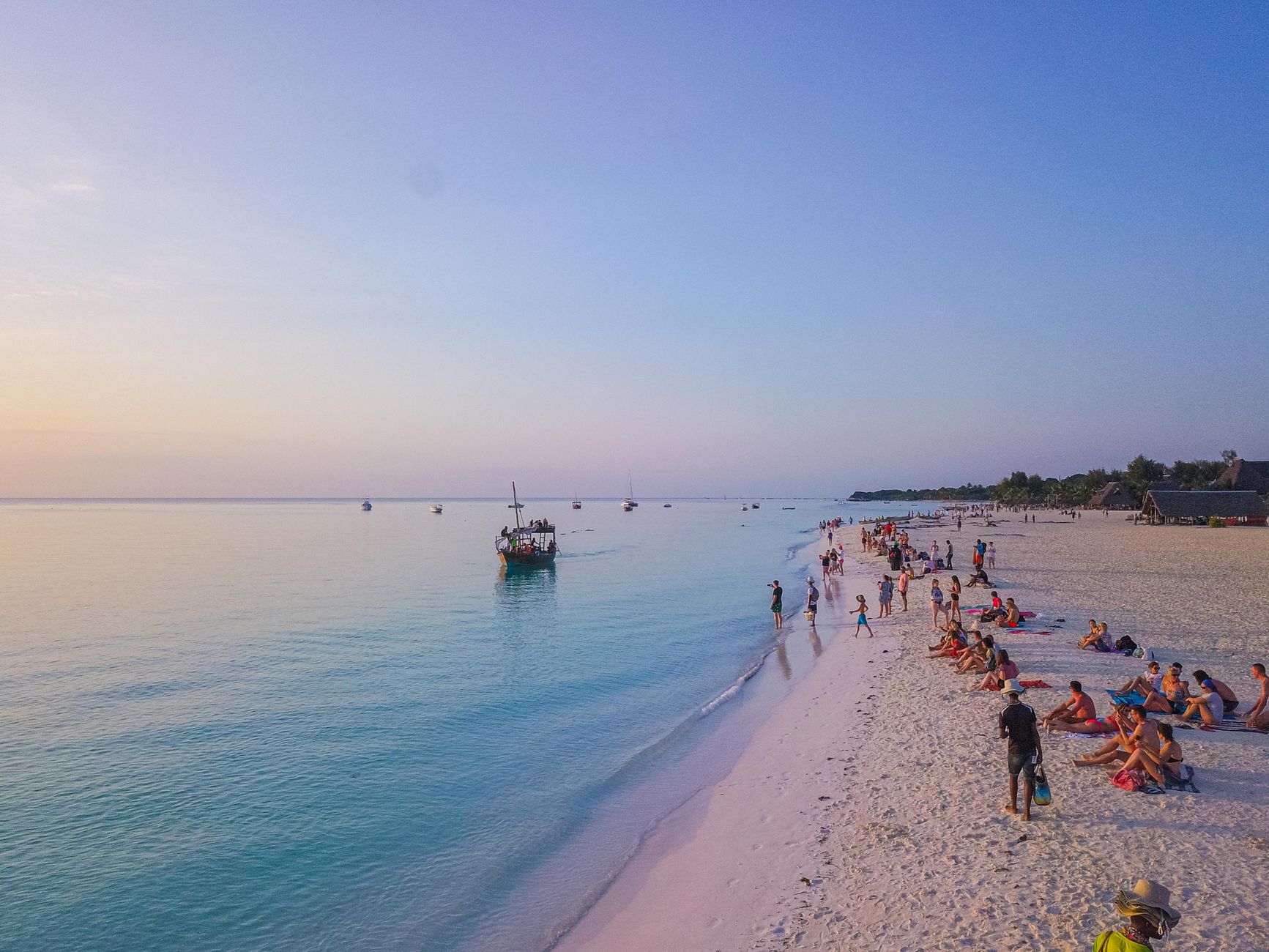
At low tide, the Indian Ocean pulls back several hundred metres from Jambiani's shore, leaving a pale expanse of coral and kelp that stretches to the horizon — and a landscape that looks nothing like the beach you arrived on. This is the southeast coast of Unguja, the main island of Zanzibar, where six kilometres of mid-grain white sand connect a loose chain of villages moving at a pace the locals call pole pole: slowly, slowly.
The rhythm here is set by the water and the light. Fishermen work under baobabs in the early morning; women in sarongs wade out at low tide to harvest seaweed from their plots, an export trade that has shaped this coastline for generations. The tourist infrastructure exists, but it hasn't overtaken the village.
💛 What travellers fall for
People who come back tend to mention the tides as a revelation — timing your day around them becomes second nature within 24 hours. Rent a bike from one of the beach stalls and ride the full six kilometres before 8am. Stop at Kuza Cave, the limestone sinkhole sunk into a small patch of jungle mid-village; it's open every day without a booking and rewards an unhurried hour.
Deals in Jambiani
Book directly at the provider

How Jambiani came to be
Jambiani sits on the southeastern edge of Unguja, and its story is largely the story of the sea. Fishing and seaweed farming have been the twin engines of the local economy for as long as records reach — at its peak, seaweed cultivation employed nearly 400 people, almost all of them women, who harvested and dried the crop for export. That number has since fallen to around 50 workers, a quiet contraction that mirrors shifting global markets.
The 2012 census counted roughly 7,000 residents, with over a thousand employed in fishing and close to a thousand more in agriculture. The scene of fishermen mending nets and women boiling octopus in traditional pots has changed less than almost anything else about the coast.
Who and what shaped it
Landmark buildings
See Jambiani in motion
Plan your visit
On the map
When to go
Temperatures hold close to 29°C year-round, dipping to around 27°C in August and peaking at 31°C in February. The long rains arrive in March and last through May — April can bring 280 mm in a single month — while a shorter wet spell runs from mid-October into December; both are worth avoiding if you have flexibility. June through October also brings the Kusi winds, which draw kitesurfers to this stretch of coast for consistent, strong conditions.
Right now
Background & history adapted from Wikipedia (CC BY-SA) · specs from Wikidata (CC0) · weather from Open-Meteo · map data © OpenStreetMap contributors · photos from Wikimedia Commons / Unsplash with per-image credit. No third-party reviews or social posts reproduced.