
Nungwi
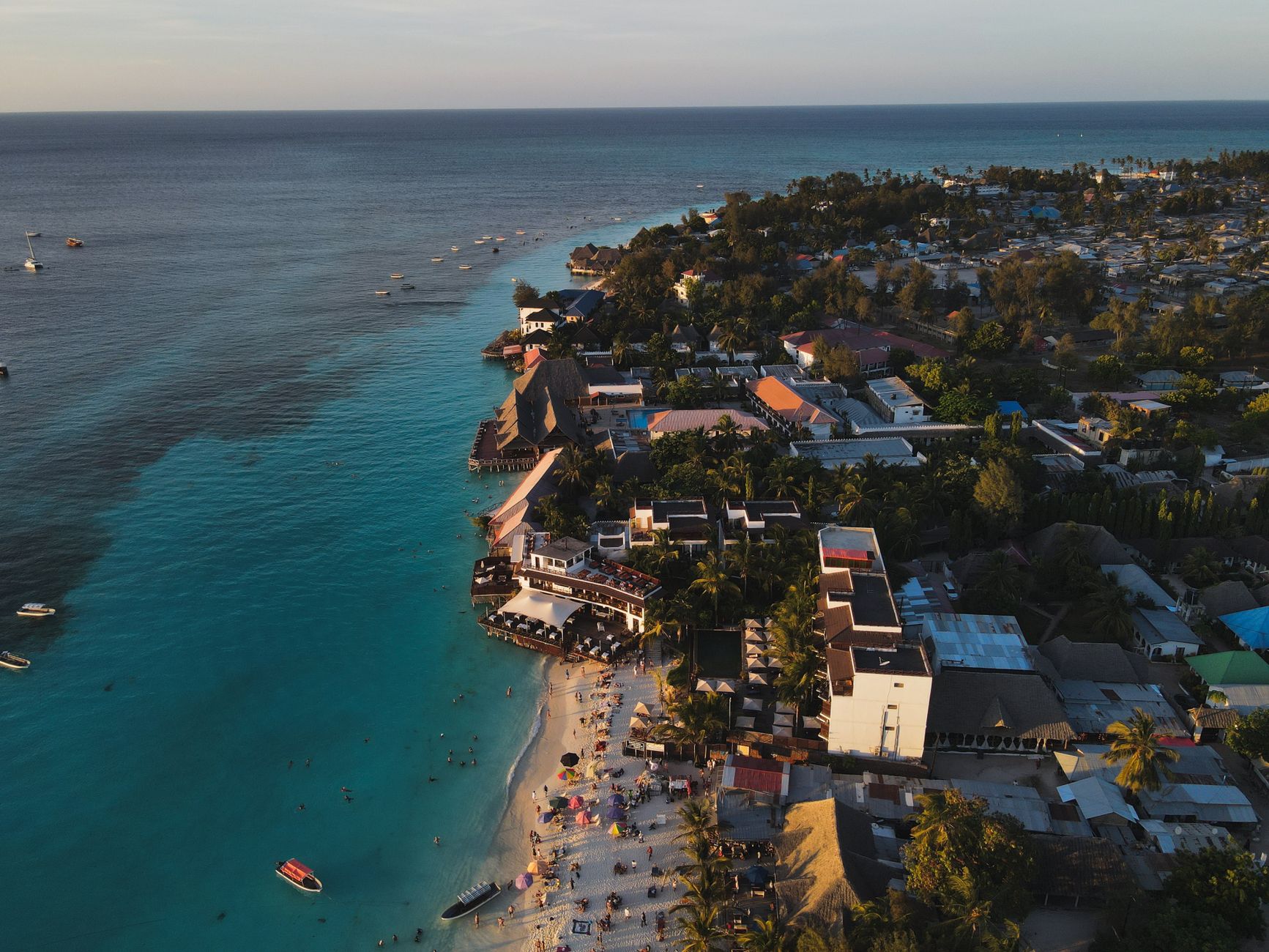
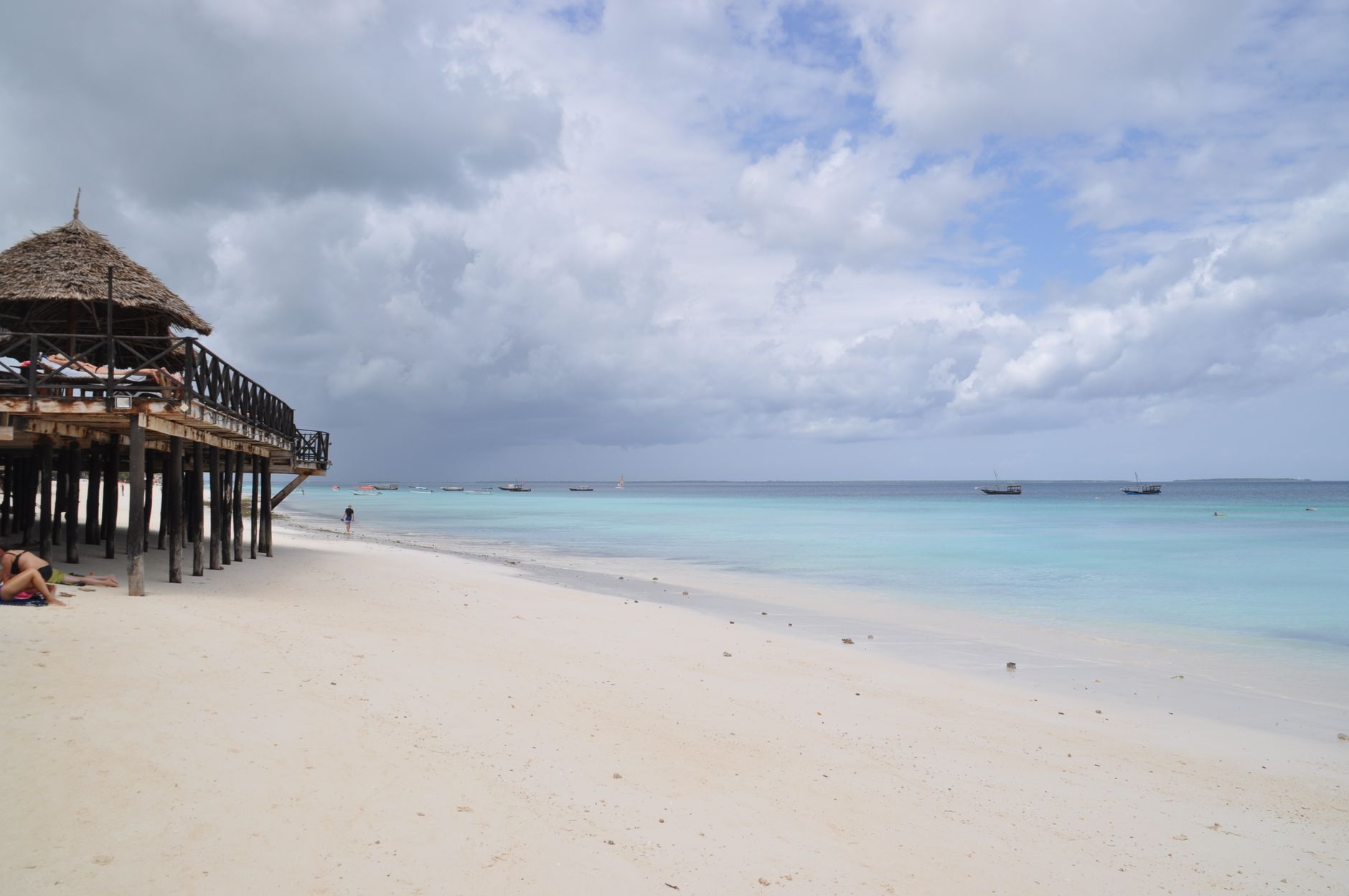
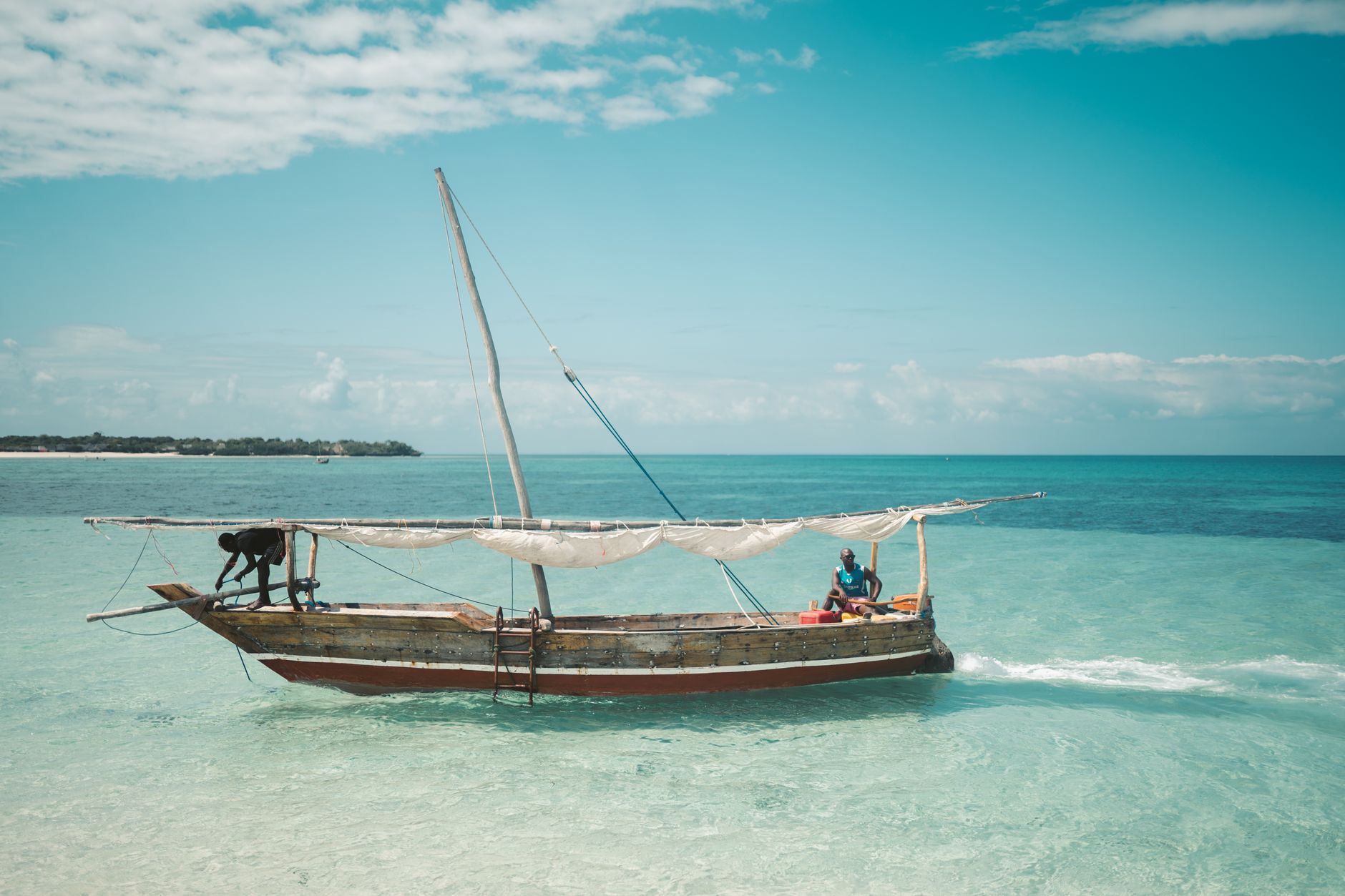
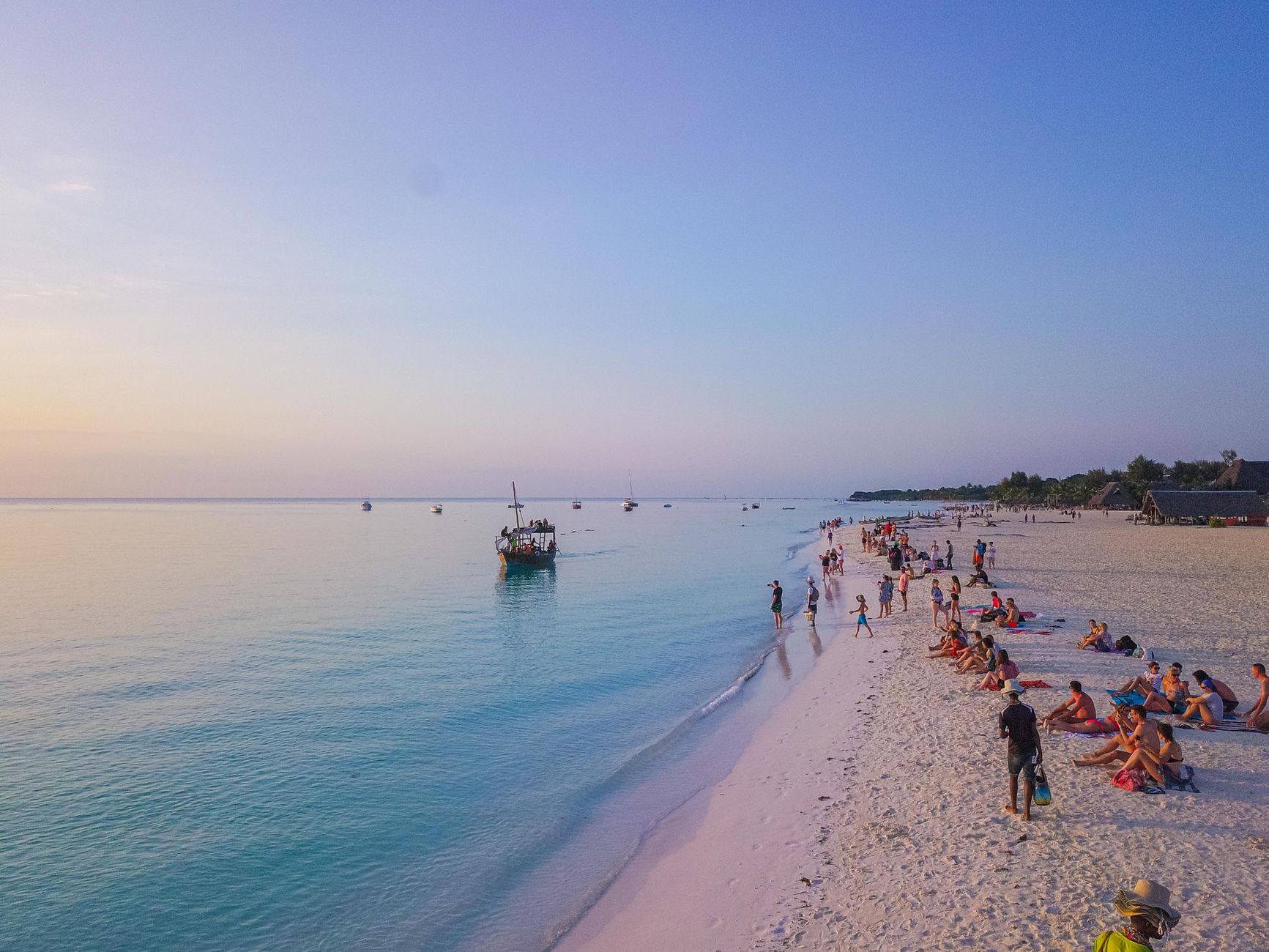
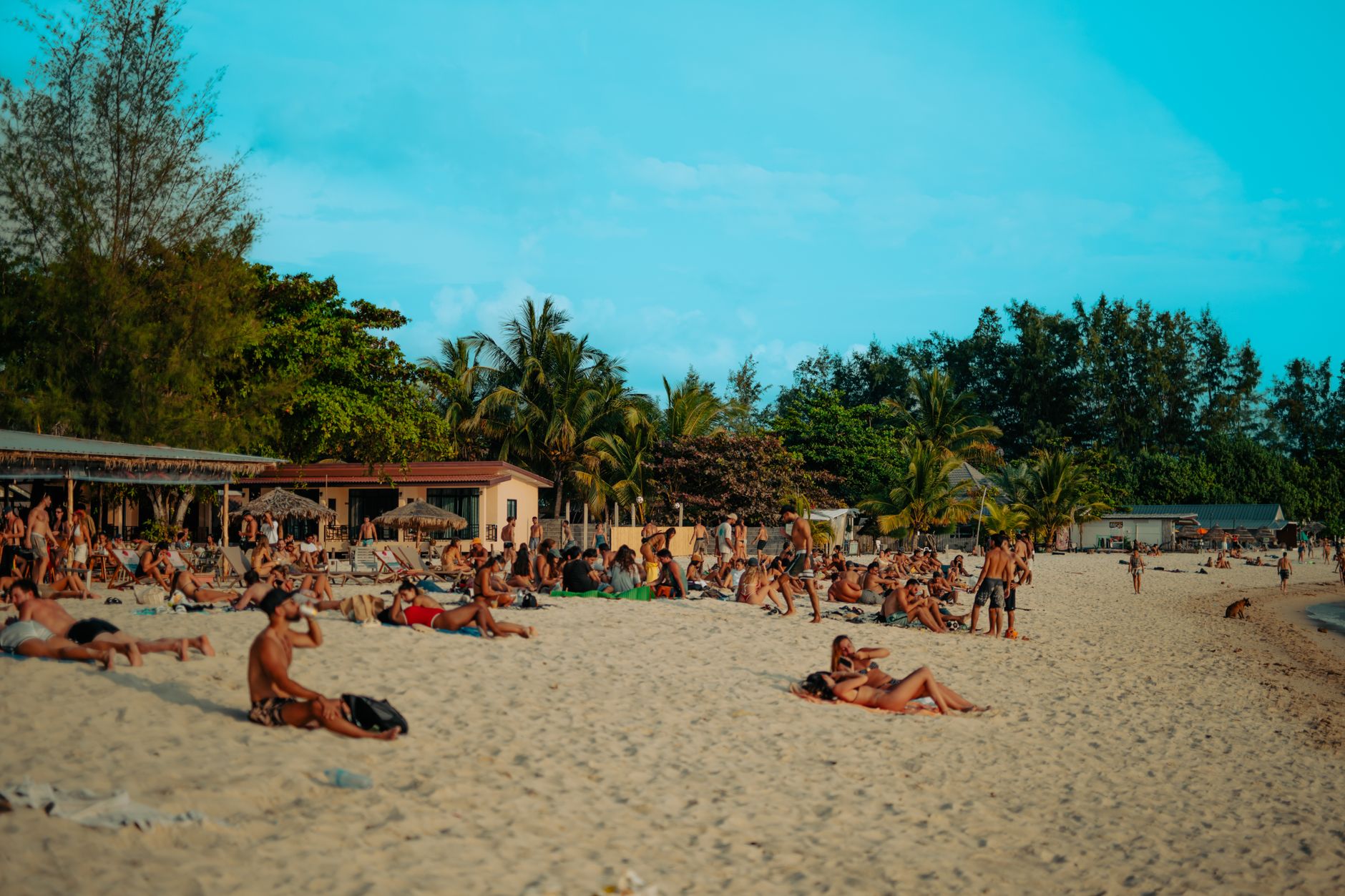
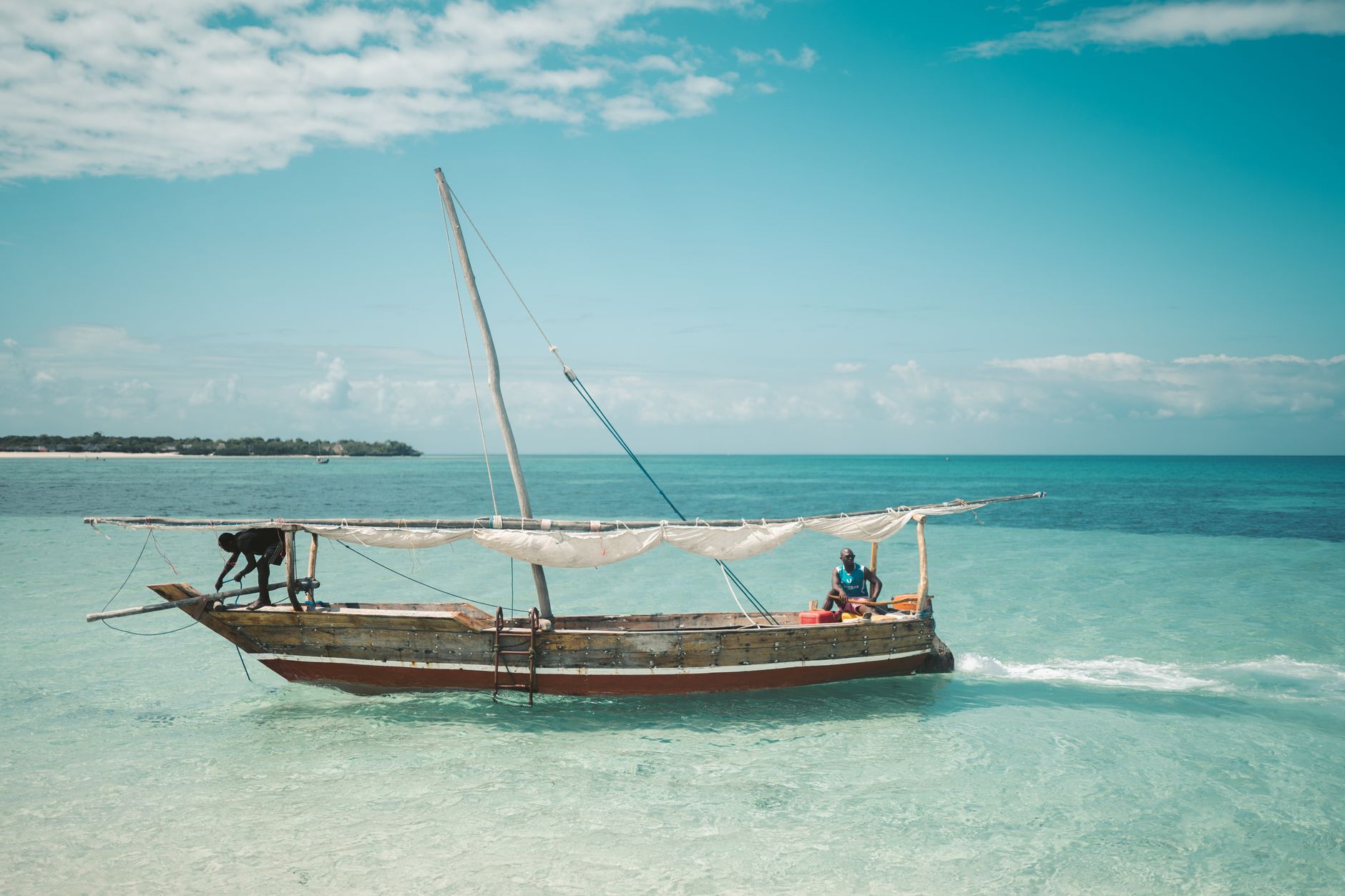
At the northern tip of Zanzibar, Nungwi still smells of sawdust and salt. Walk past the hotels toward the fishing pier and you'll find men bent over rough timber planks, shaping ocean-going dhows by hand the way their fathers did — vessels that will sail out at dusk and return with the morning catch. The beach itself, nicknamed Jambo Square, is lively to the point of overwhelming, and the hotel strip has grown fast: room capacity more than doubled between 2008 and 2013.
What keeps people coming back is the geography. Nungwi sits on the north coast, which means the tides stay calm year-round — no low-tide mud flats stranding you on wet sand the way they can further south. The Tazari caves, the 1886 lighthouse at Ras Nungwi, and the small turtle sanctuary at Mnarani give the place some depth beyond the sun loungers.
💛 What travellers fall for
Regulars tend to arrive early at the fishing market, before the heat and the crowds. The Mnarani Aquarium is worth the $10 — the turtle enclosure is modest, not a theme park, and the staff are matter-of-fact about it in a way that makes it feel honest. Come back at dusk to watch the dhows push off for the night's work.
Deals in Nungwi
Book directly at the provider
How Nungwi came to be
Nungwi spent most of its history as a working village — a place where dhows were built and fish were landed, not where tourists came to stay. The community resisted tourism development well into the 1990s, longer than almost anywhere else on the island's coast. That resistance eventually gave way, and the growth since has been rapid.
The Tazari caves carry an older, harder story: an extensive underground network believed to have sheltered enslaved people during the Arab slave trade in pre-colonial Zanzibar. The lighthouse at Ras Nungwi, built in 1886, predates the resort era by more than a century and is one of the oldest standing structures on the island — visible from outside, though not open to visitors.
Who and what shaped it
Landmark buildings
See Nungwi in motion
Plan your visit
On the map
When to go
The north coast stays calm year-round, protected from the tidal extremes that affect Zanzibar's east side. Temperatures sit between 27°C and 33°C across the year; July through September gives you clear skies and low humidity, while April — the wettest month at nearly 300mm — is the one stretch worth planning around.
Right now
Background & history adapted from Wikipedia (CC BY-SA) · specs from Wikidata (CC0) · weather from Open-Meteo · map data © OpenStreetMap contributors · photos from Wikimedia Commons / Unsplash with per-image credit. No third-party reviews or social posts reproduced.