
Stone Town
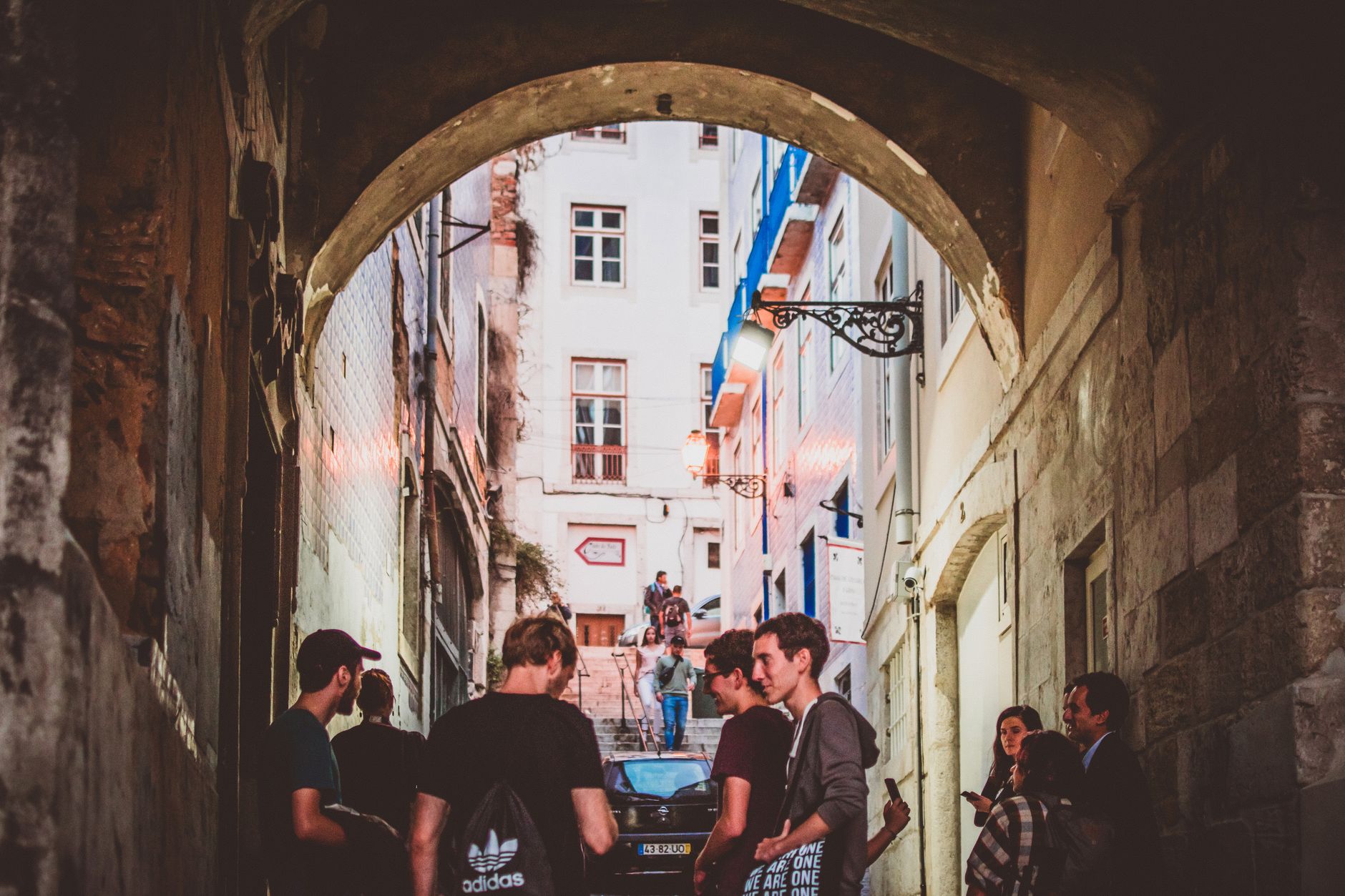
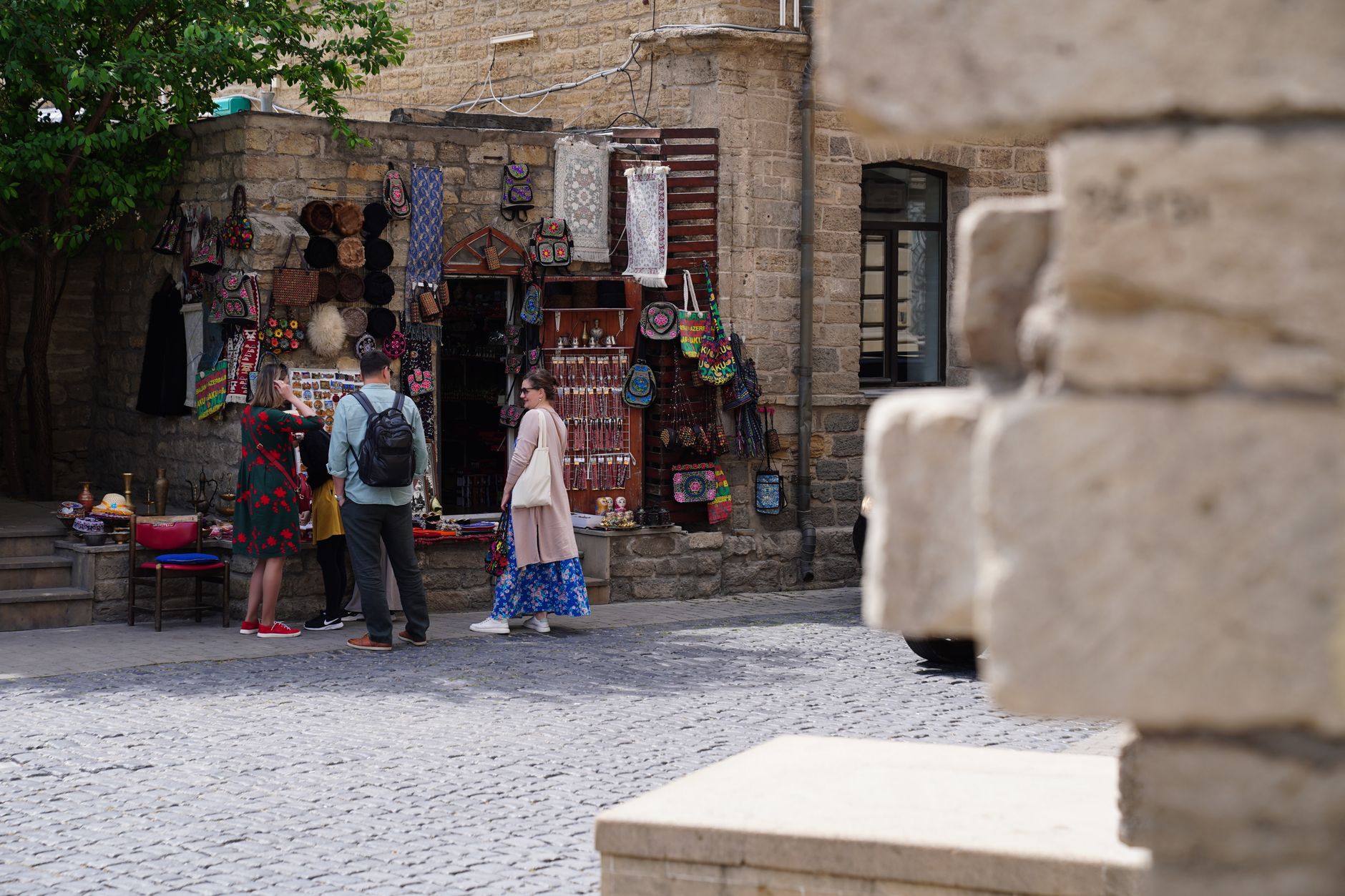
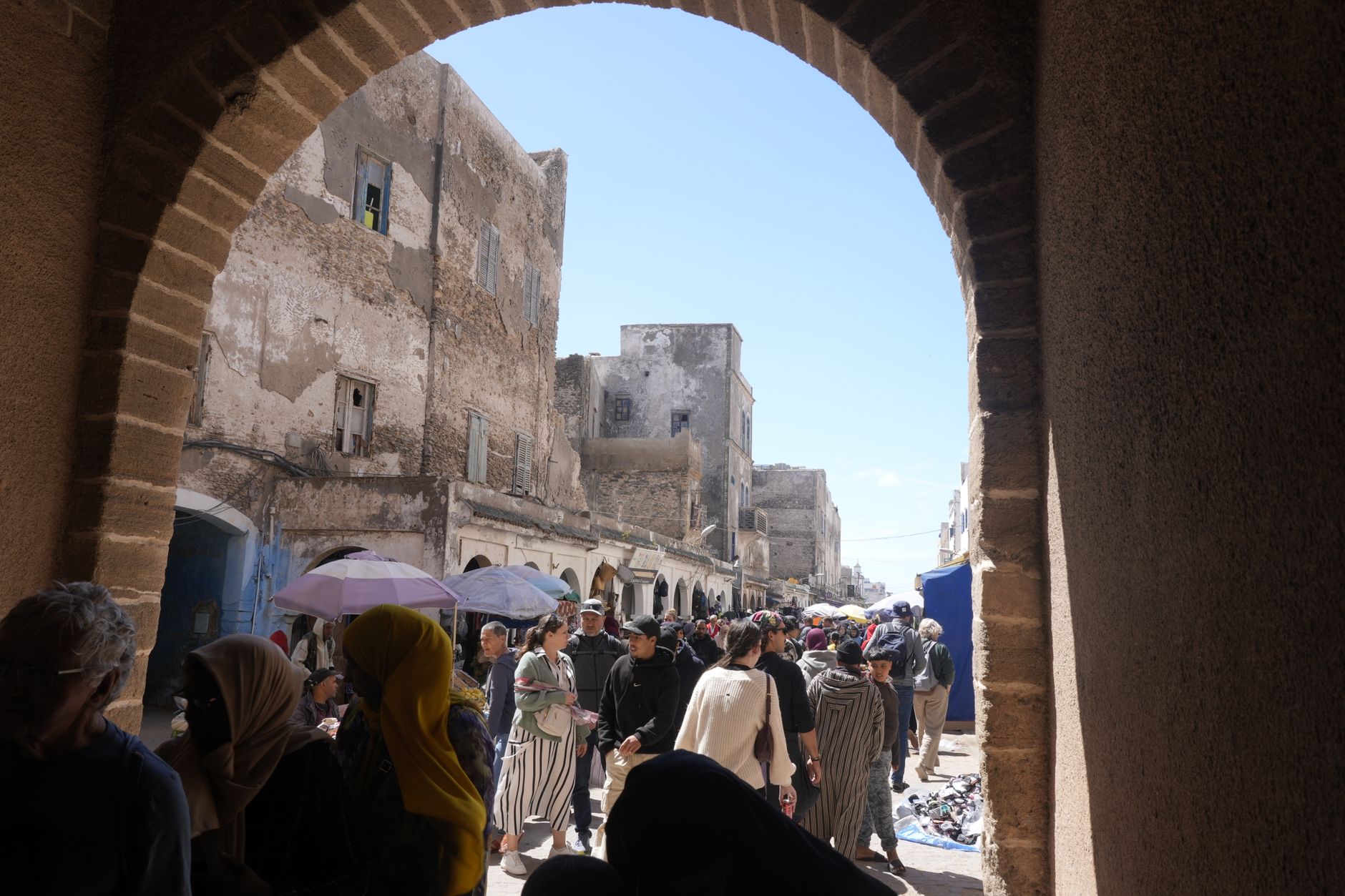
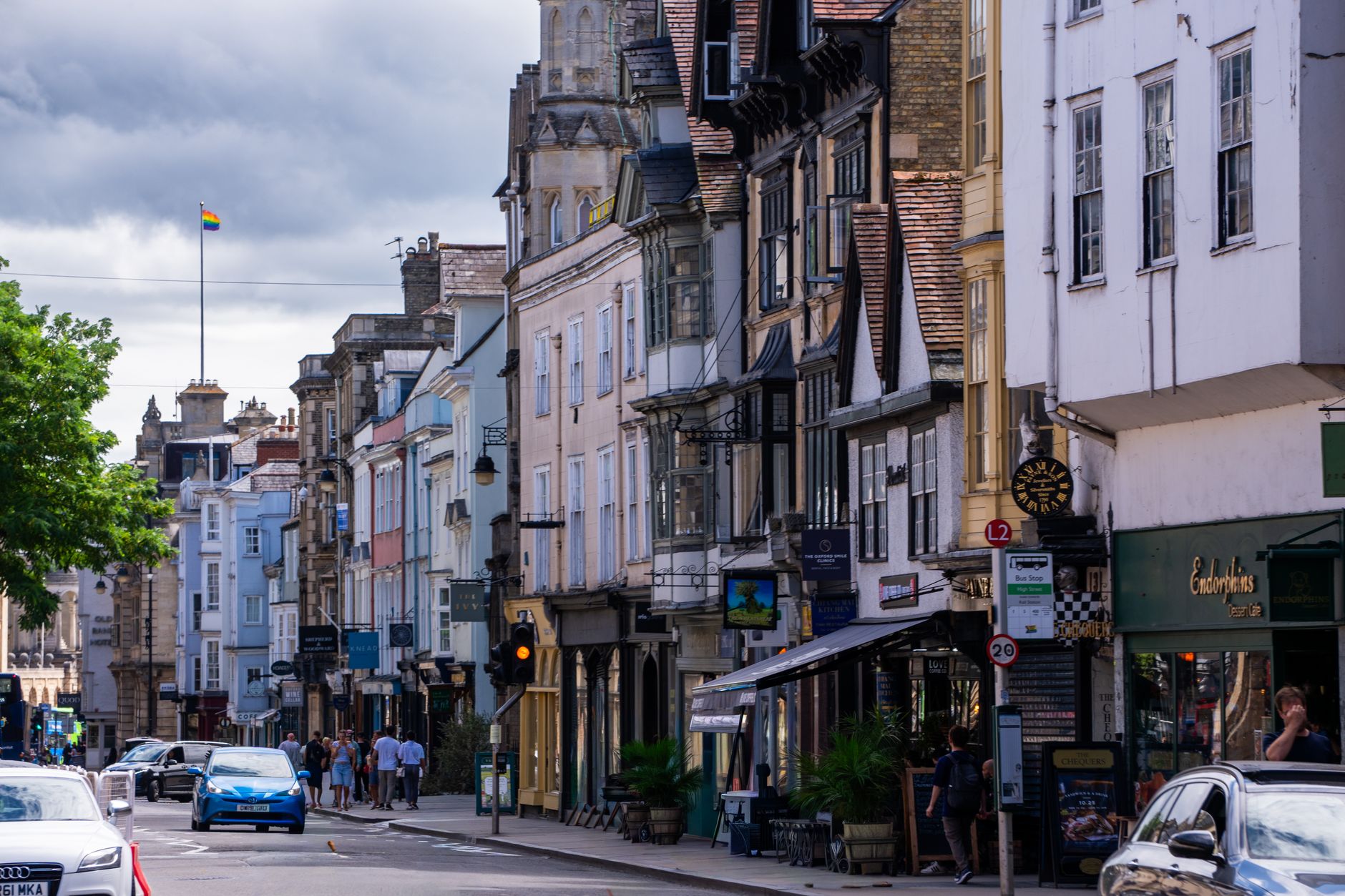
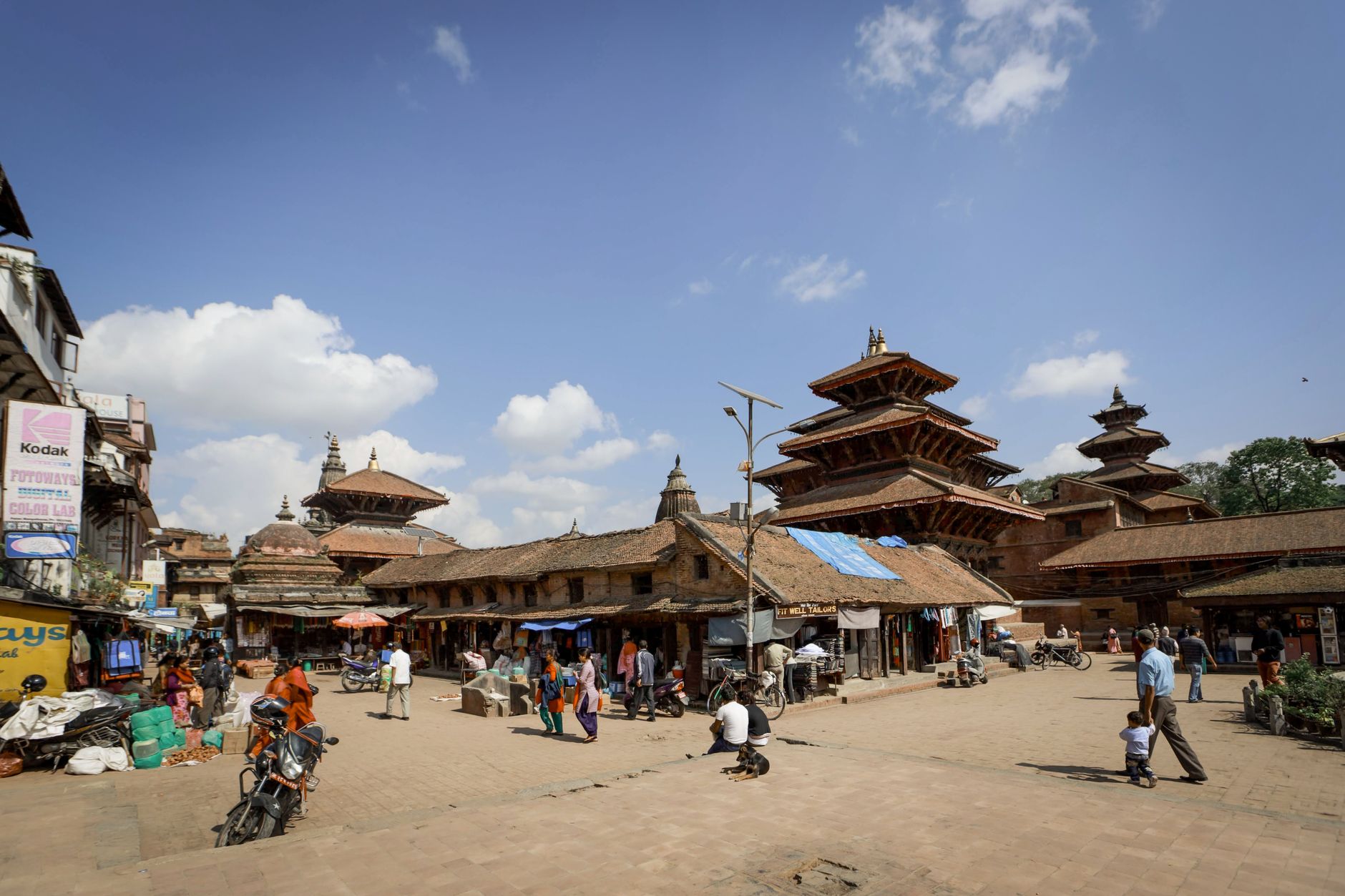
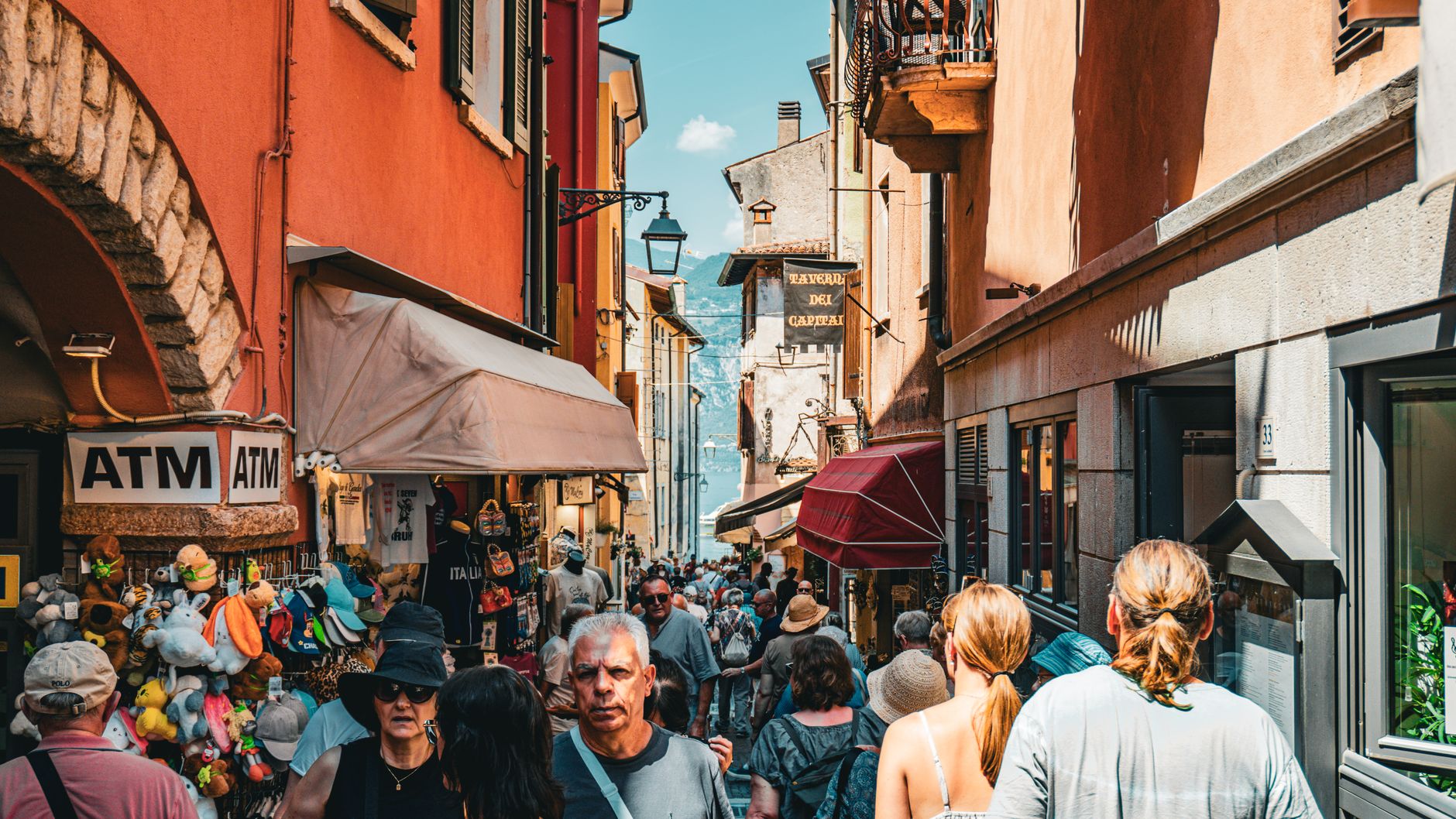
Stone Town is a city built from coral rag and consequence. The walls of its oldest houses were quarried from the reef, set in lime and sand, then carved into doorways so ornate that whole families once measured their status by the depth of the bas-relief. Walk any lane here and you pass through several centuries in a single block — an Omani fortress, a cathedral raised on the ground of a slave market, a palace that was the first building in East Africa to have a lift.
The UNESCO listing came in 2000, but the city was already a palimpsest long before anyone thought to protect it. Arab traders, Portuguese soldiers, Omani sultans, British administrators, and Indian merchants each left architecture that the next wave had to reckon with.
💛 What travellers fall for
People who come back tend to mention the same ritual: arriving at Forodhani Gardens just after five, when the food stalls open along the waterfront and the light goes copper over the harbor. They also learn quickly to run a hand along the baraza — the long stone benches built into the base of the walls — and to sit on one rather than stand in the narrow lanes when a motorbike comes through.
Deals in Stone Town
Book directly at the provider


How Stone Town came to be
The Portuguese arrived at the end of the 14th century and began what became the Old Fort, though it was the Sultanate of Oman that gave it its current form — the heavy coral-stone fortress was finalized around 1780. The stone houses that name the town came later, built mostly from the early 1800s onward by Arab traders, their wealth and taste encoded in every carved door. By 1883, Sultan Barghash had raised the House of Wonders, a palace that brought electricity and a working lift to East Africa for the first time.
Britain declared a protectorate in 1890, and the contradictions of the era are written into the buildings: Bishop Edward Steere ordered the Anglican Cathedral of Christ Church built directly on the site of Zanzibar's largest slave market, placing the altar where the main whipping post had stood. The Old Dispensary went up in 1899, funded by the Indian merchant Tharia Topan and named Jubilee Hospital in honour of Queen Victoria. On January 12, 1964, the Zanzibar Revolution ended the sultanate. The House of Wonders, still the tallest building on the waterfront, suffered a partial collapse in December 2020.
Who and what shaped it
People who shaped it
Landmark buildings
See Stone Town in motion
Plan your visit
On the map
When to go
Stone Town sits close to the equator and stays warm year-round, typically between 24–32°C. The long rains run roughly March through May, the short rains in November; the driest and most comfortable months for walking the lanes are June through October and January through February.
Right now
Background & history adapted from Wikipedia (CC BY-SA) · specs from Wikidata (CC0) · weather from Open-Meteo · map data © OpenStreetMap contributors · photos from Wikimedia Commons / Unsplash with per-image credit. No third-party reviews or social posts reproduced.