
Paje
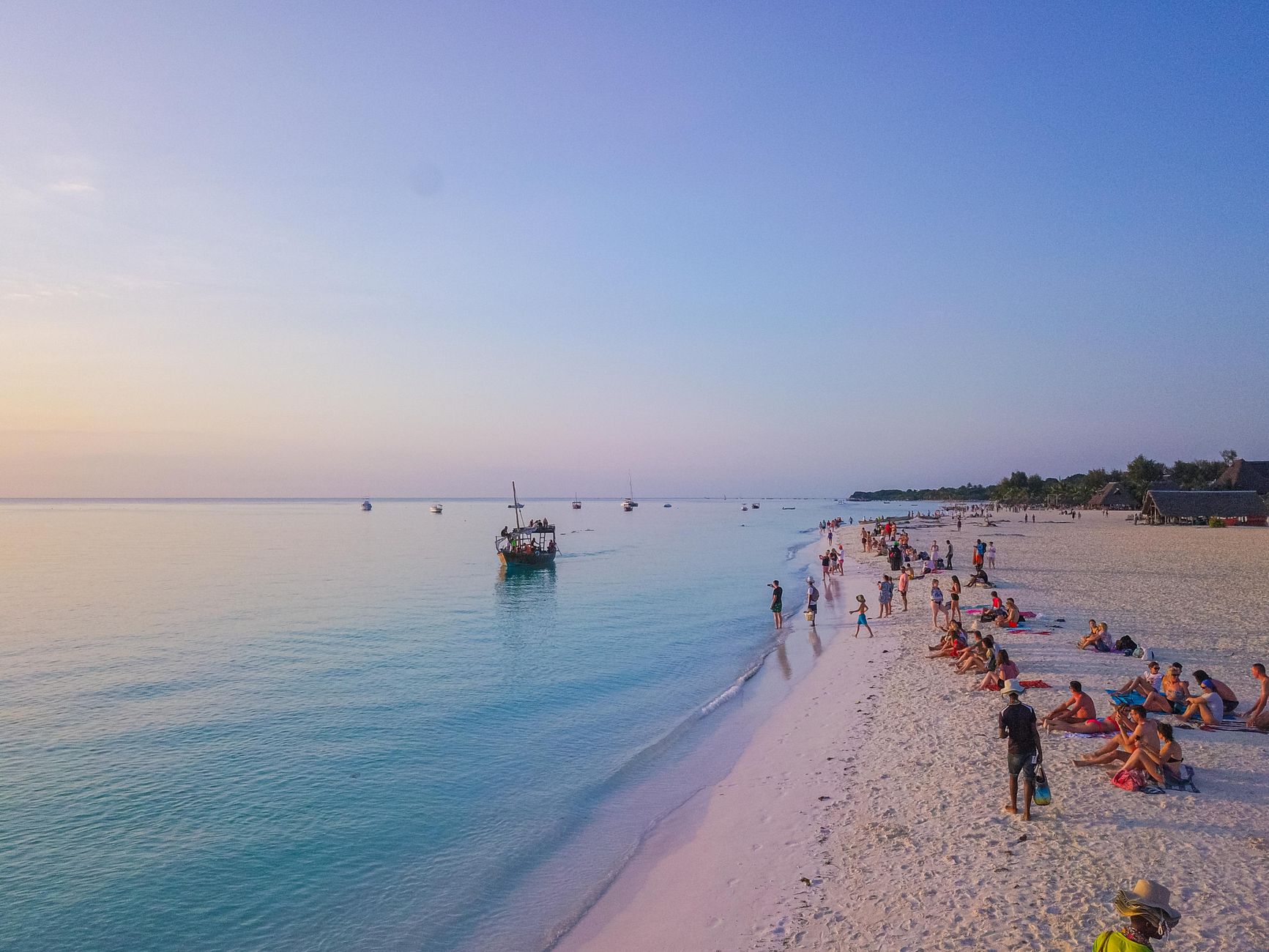
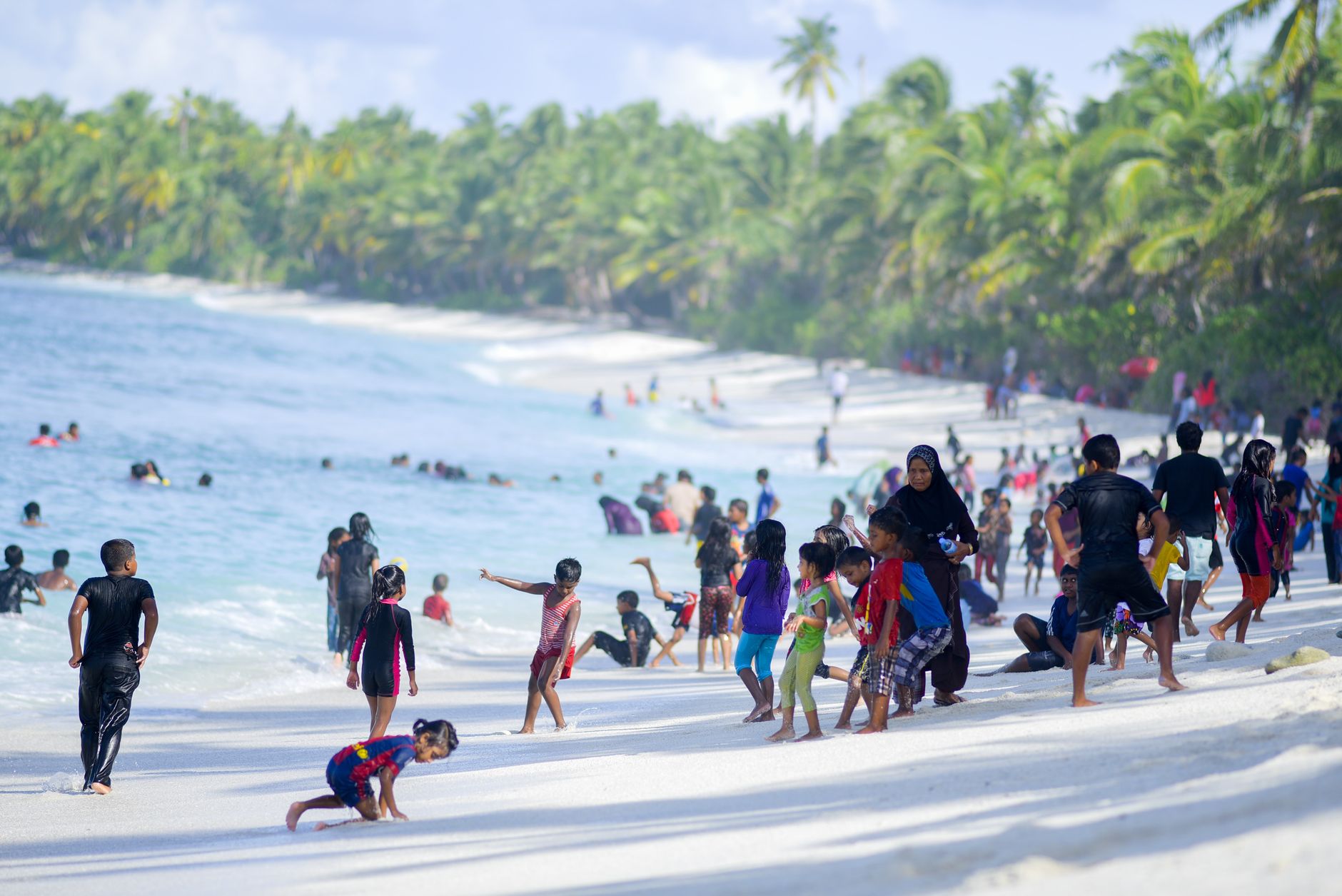
At low tide, Paje's beach stretches almost a kilometre before you reach the water — a wide, pale corridor where women in colourful kangas tend rows of seaweed tied to stakes in the sand, and kite lines trace arcs across the sky. At high tide, that same shore contracts, the lagoon deepening over a sandy floor still sheltered by an offshore reef. The village of 8,000 sits at a literal crossroads: the main road from Stone Town forks here, one branch curving north toward Bwejuu, the other south toward Jambiani. Everything about Paje turns on that rhythm of arrival and departure — tides, winds, travellers, dhows.
💛 What travellers fall for
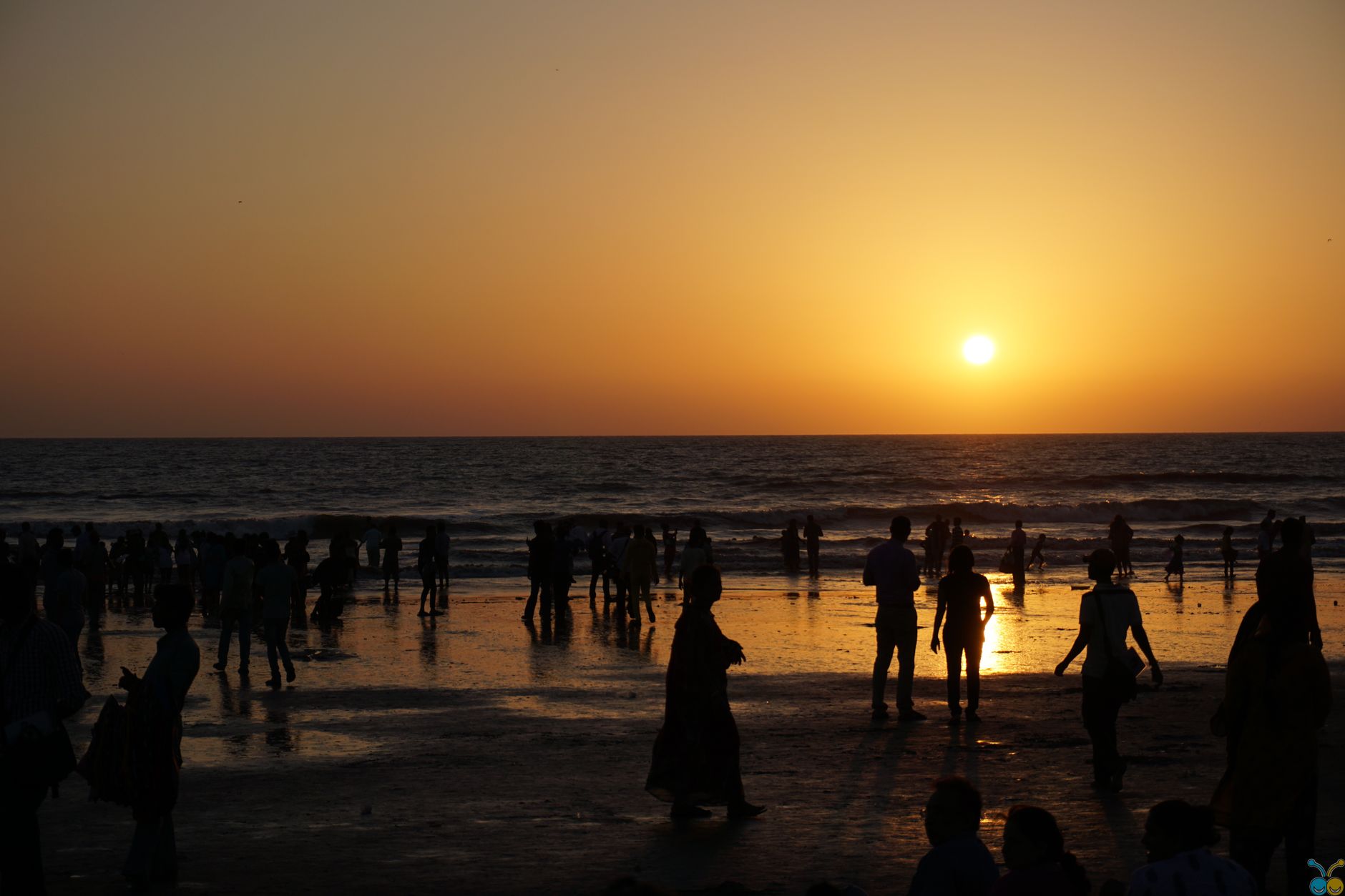
People who come back tend to time it around the evening football. Local boys, older men, and whoever's willing from the guesthouses converge on the shore when the light drops, play until they can't see, then share drinks regardless of who won. It's the easiest way in, and it costs nothing.
Deals in Paje
Book directly at the provider
How Paje came to be
Paje's roots run through the broader Swahili coastal world that flourished between the 12th and 15th centuries, when Arab, Persian, and Indian traders worked the dhow routes carrying spices, ivory, and other goods across the Indian Ocean. By the 10th century, Islam had taken hold among local elites, and the coral-stone architecture and mosque forms that still define Swahili settlements began to appear along this stretch of coast.
For most of the centuries that followed, Paje remained a quiet fishing and farming outpost — its seaweed farming only introduced in the 1980s, its first kitesurfing school not built until 2012. That school changed the character of the place faster than anything since the dhow trade, drawing a seasonal population of 200 to 300 kiters a day during peak winds and laying the groundwork for the guesthouses and beach bars that now line the sand.
Who and what shaped it
Landmark buildings
See Paje in motion
Plan your visit
On the map
When to go
June through September and mid-December through mid-March bring the consistent side-onshore winds that make the lagoon ideal for kitesurfing, and these months are also the driest and most comfortable for being outdoors. Avoid April and May if you can — April alone drops over 300mm of rain, and the heavy season runs through November.
Right now
Background & history adapted from Wikipedia (CC BY-SA) · specs from Wikidata (CC0) · weather from Open-Meteo · map data © OpenStreetMap contributors · photos from Wikimedia Commons / Unsplash with per-image credit. No third-party reviews or social posts reproduced.