
Bwejuu
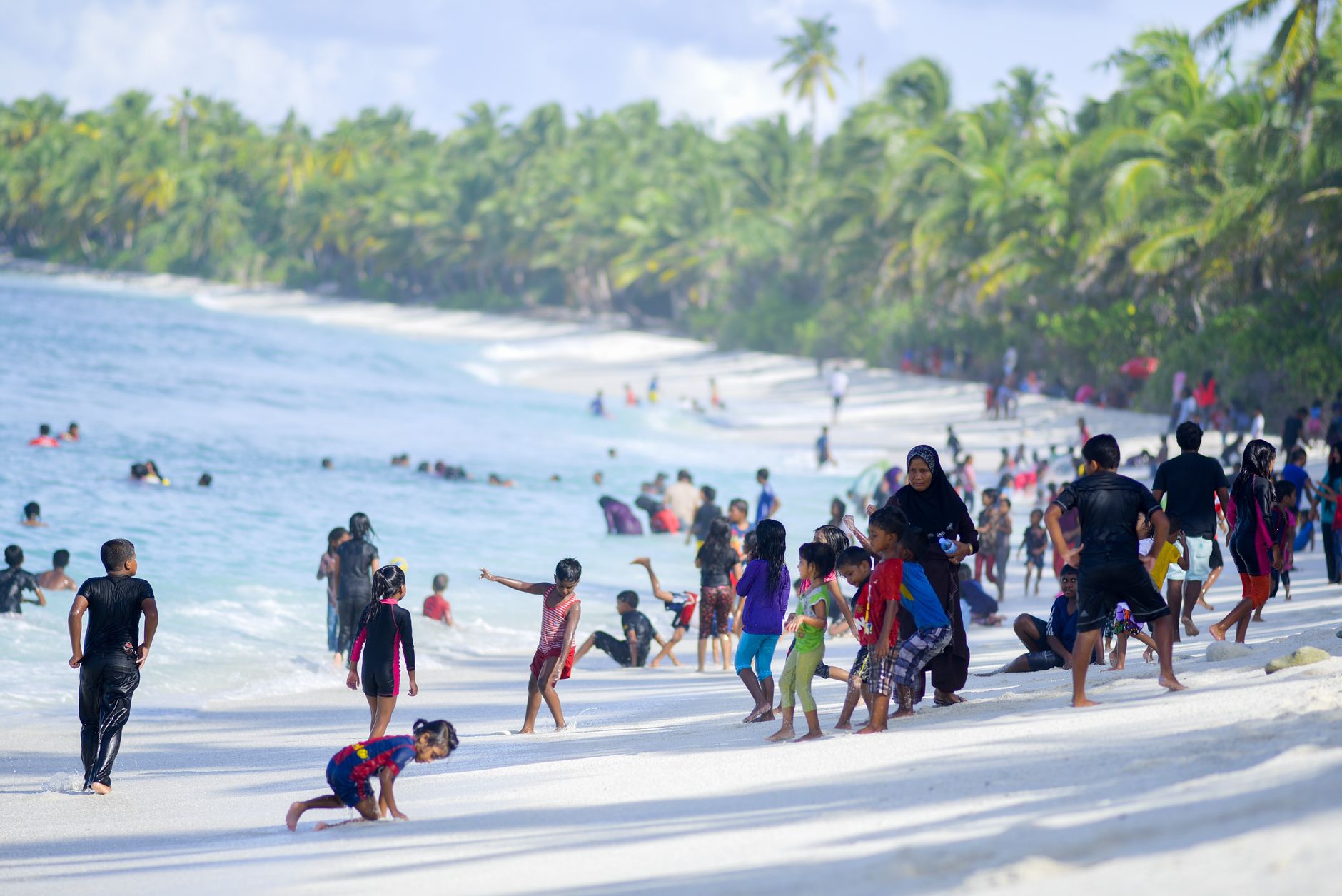
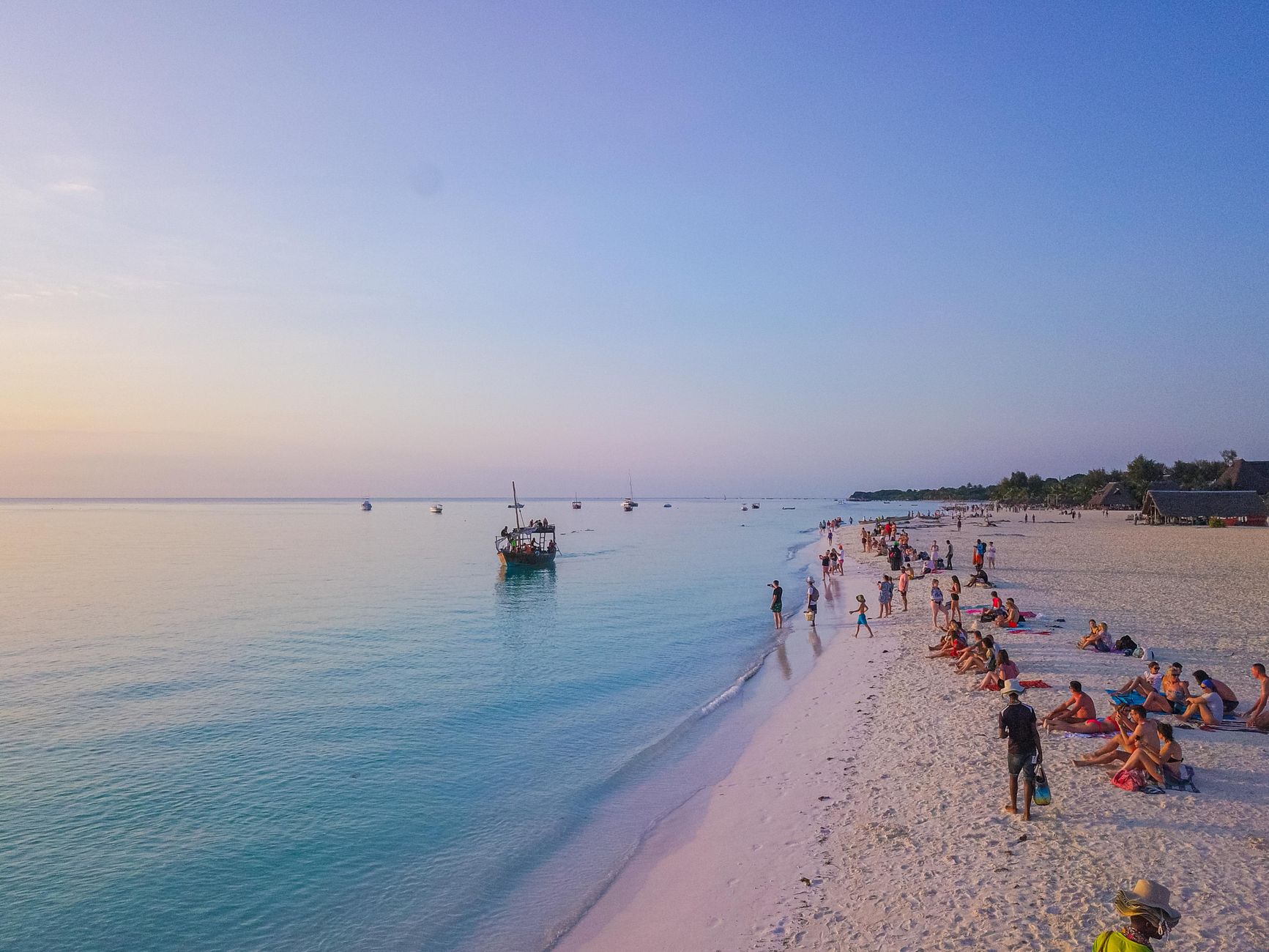
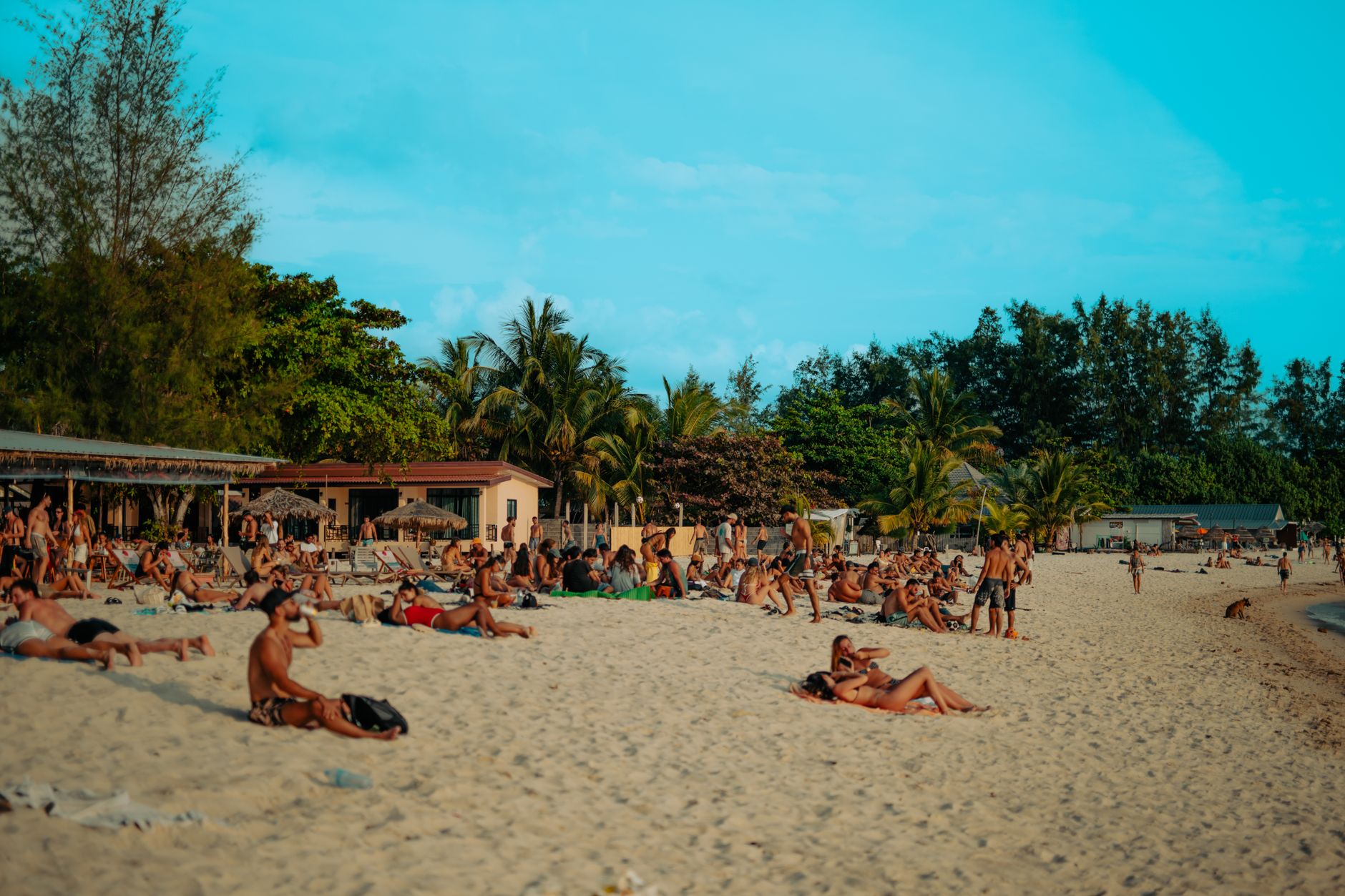
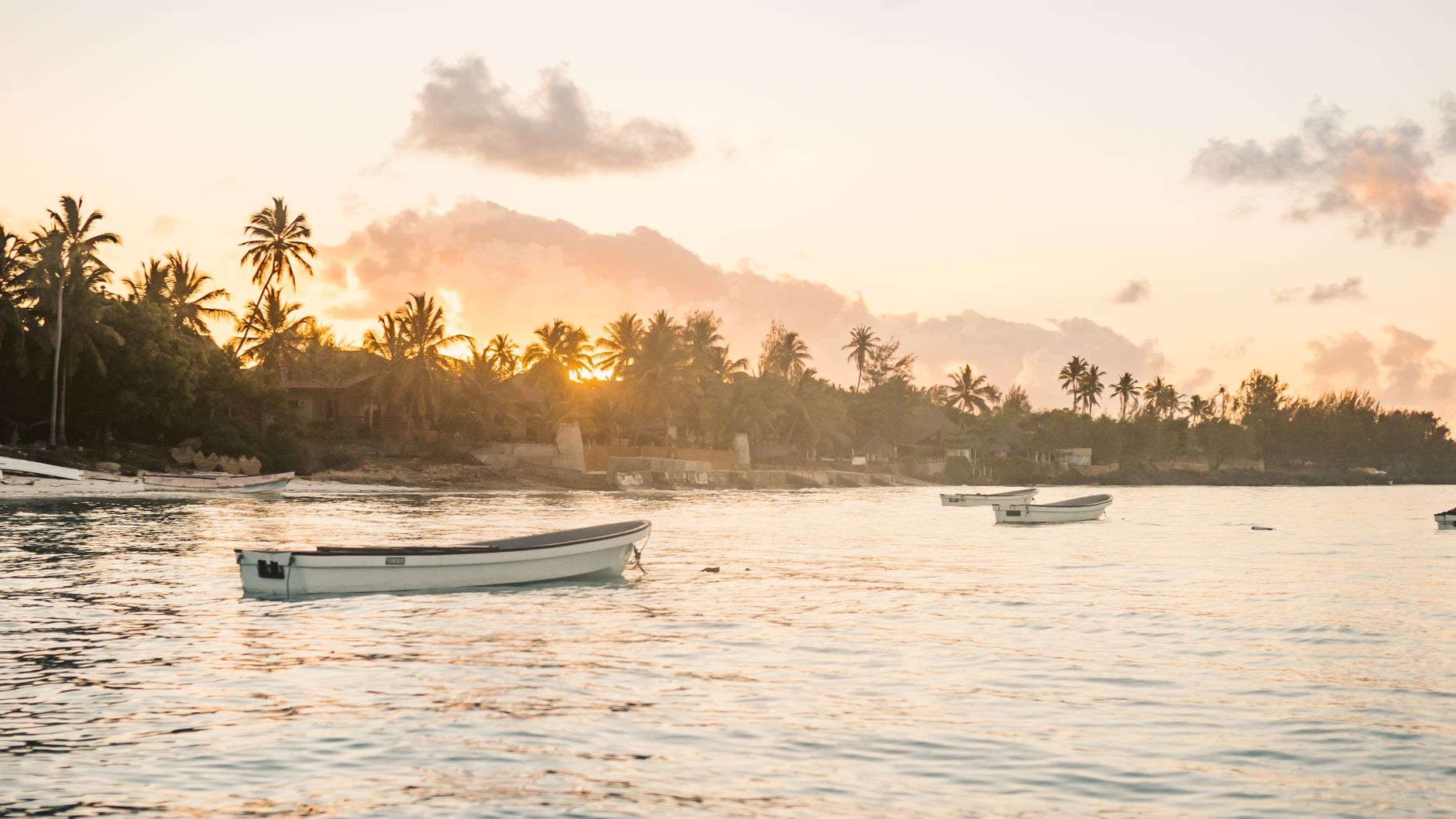
At low tide, the Indian Ocean pulls back more than 500 metres from Bwejuu's shore, leaving behind a coral lagoon where sea anemones and hermit crabs pick through shallow pools and white egrets wade in no particular hurry. The village on Unguja's southeast coast runs on a rhythm older than tourism: fishing boats out before dawn, women knee-deep in seaweed plantations as the water recedes, children crossing the damp sand in the afternoon.
Bwejuu is not quiet because nothing happens here — it is quiet because the people who live here know one another, and the pace of the place reflects that. The beach is long and the sand is fine, and when the tide eventually returns it comes in shallow enough to swim safely across the lagoon.
💛 What travellers fall for
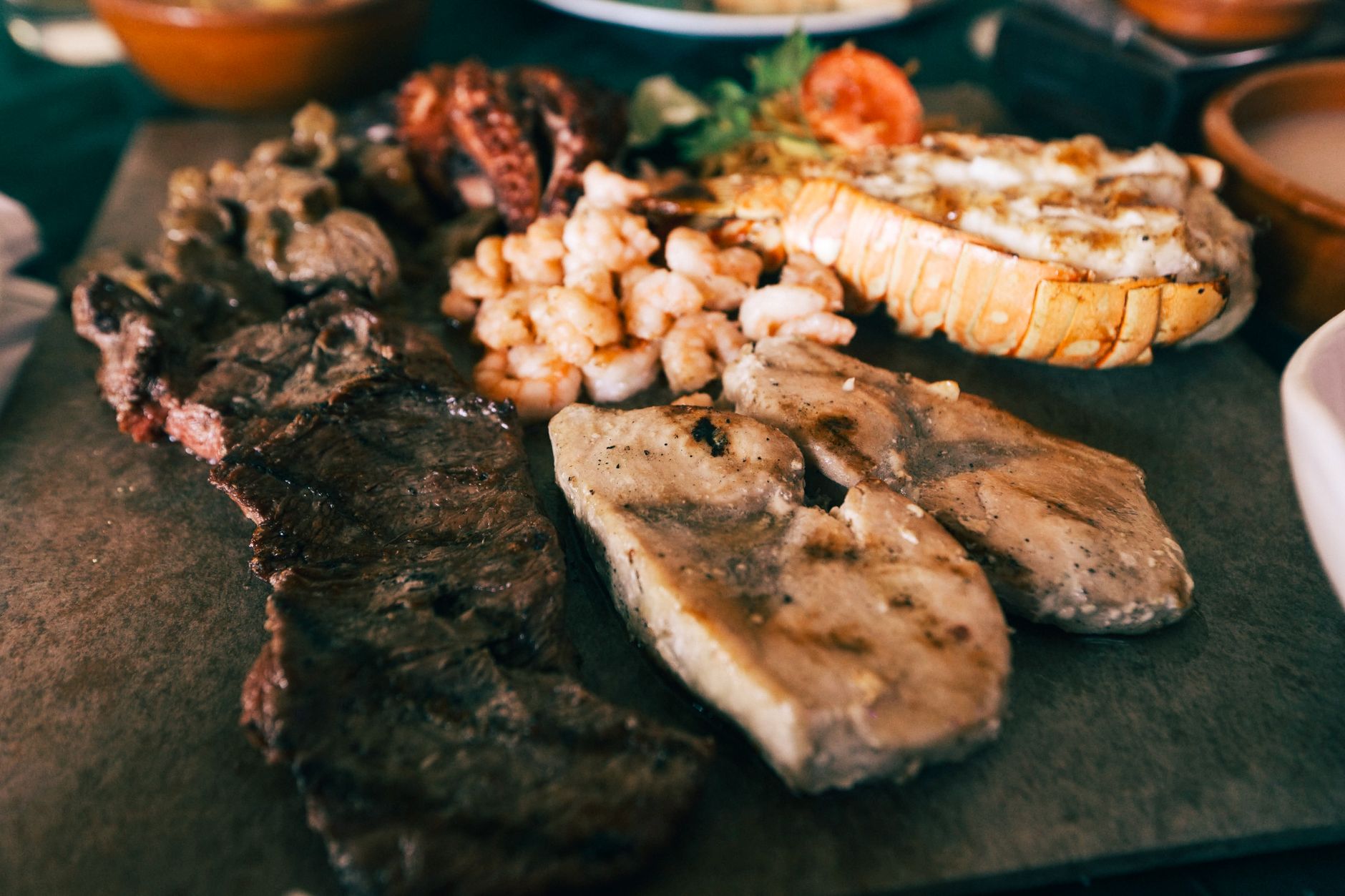
People who come back tend to eat at The Rock more than once — it sits on a tidal outcrop and the table you get depends entirely on what the sea is doing. They also mention the cave at the south end of the coast, large enough to shelter a thousand people, still used as a shrine, and easy to miss if you don't ask a local to point the way.
Experiences you don't want to miss



Deals in Bwejuu
Book directly at the provider

How Bwejuu came to be
Pottery recovered from submerged areas near the southeast coast dates to the first century BC and first century AD, pointing to transoceanic contact earlier than most visitors would guess. A 2019 archaeological survey of the same coastline turned up beads and ceramics from the 16th to 18th centuries CE, filling in the middle chapters of a long, trade-shaped story.
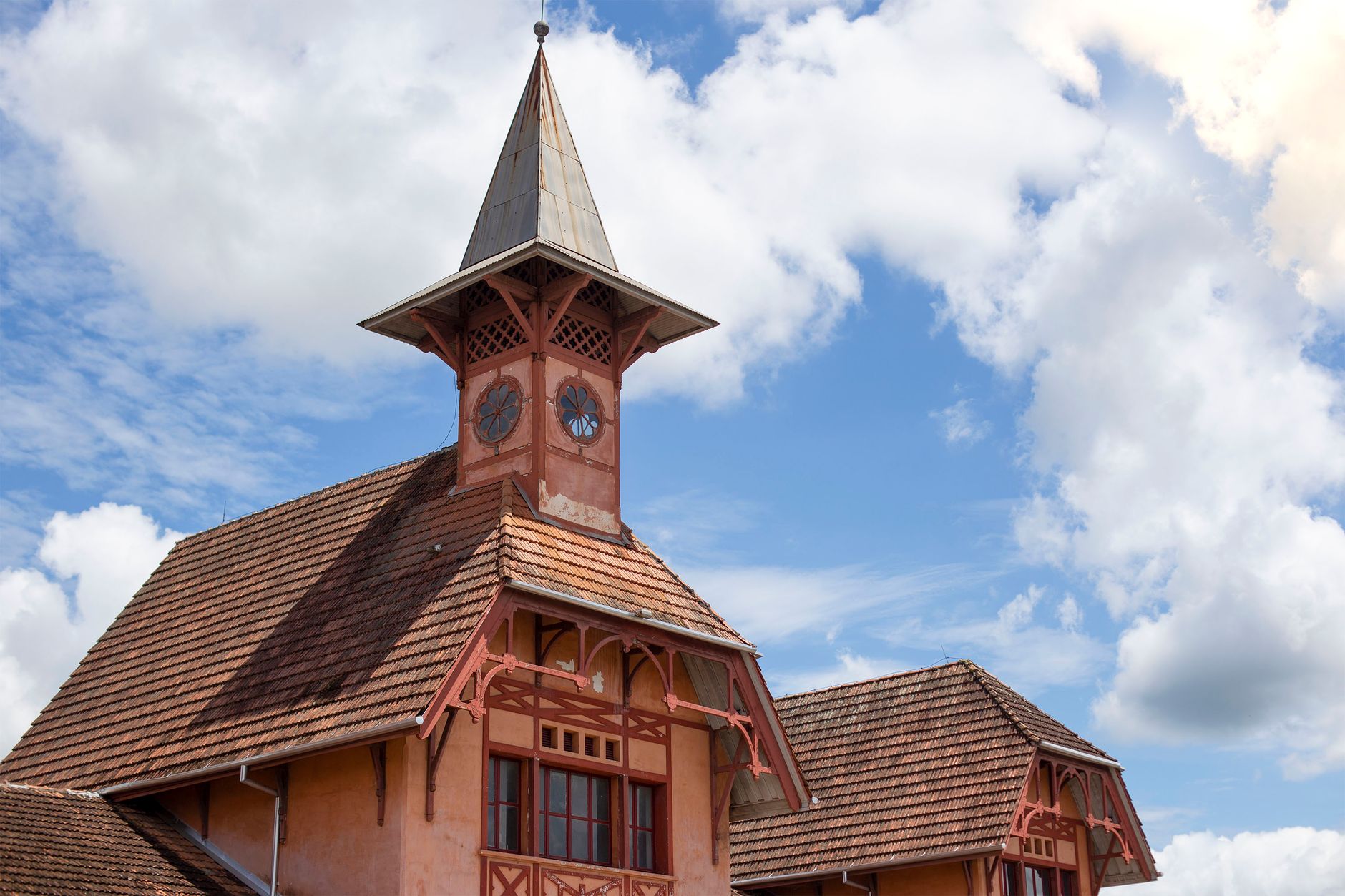
The landscape itself is ancient in a more literal sense: the inland terrain is fossilised coral rag, laid down millions of years ago, and it shaped what people built. Traditional coral houses — limestone and fossilised coral cut and stacked — still stand in the village. The Bwejuu Charity School Madrasah, built on its current land in 2003 and inaugurated by former First Lady of Zanzibar Mama Shadya Amani Karume, is one of the more recent additions to a place that has been continuously inhabited for a very long time.
Who and what shaped it
People who shaped it
Landmark buildings
See Bwejuu in motion
Plan your visit
On the map
When to go
June and July are the most comfortable months — dry, with temperatures around 26°C and reliable sea conditions. April is the wettest month by a wide margin, with nearly 400 mm of rain, and the short rains return between mid-October and December; both windows are worth avoiding if you have flexibility.
Right now
Background & history adapted from Wikipedia (CC BY-SA) · specs from Wikidata (CC0) · weather from Open-Meteo · map data © OpenStreetMap contributors · photos from Wikimedia Commons / Unsplash with per-image credit. No third-party reviews or social posts reproduced.