
Miami, Florida, USA
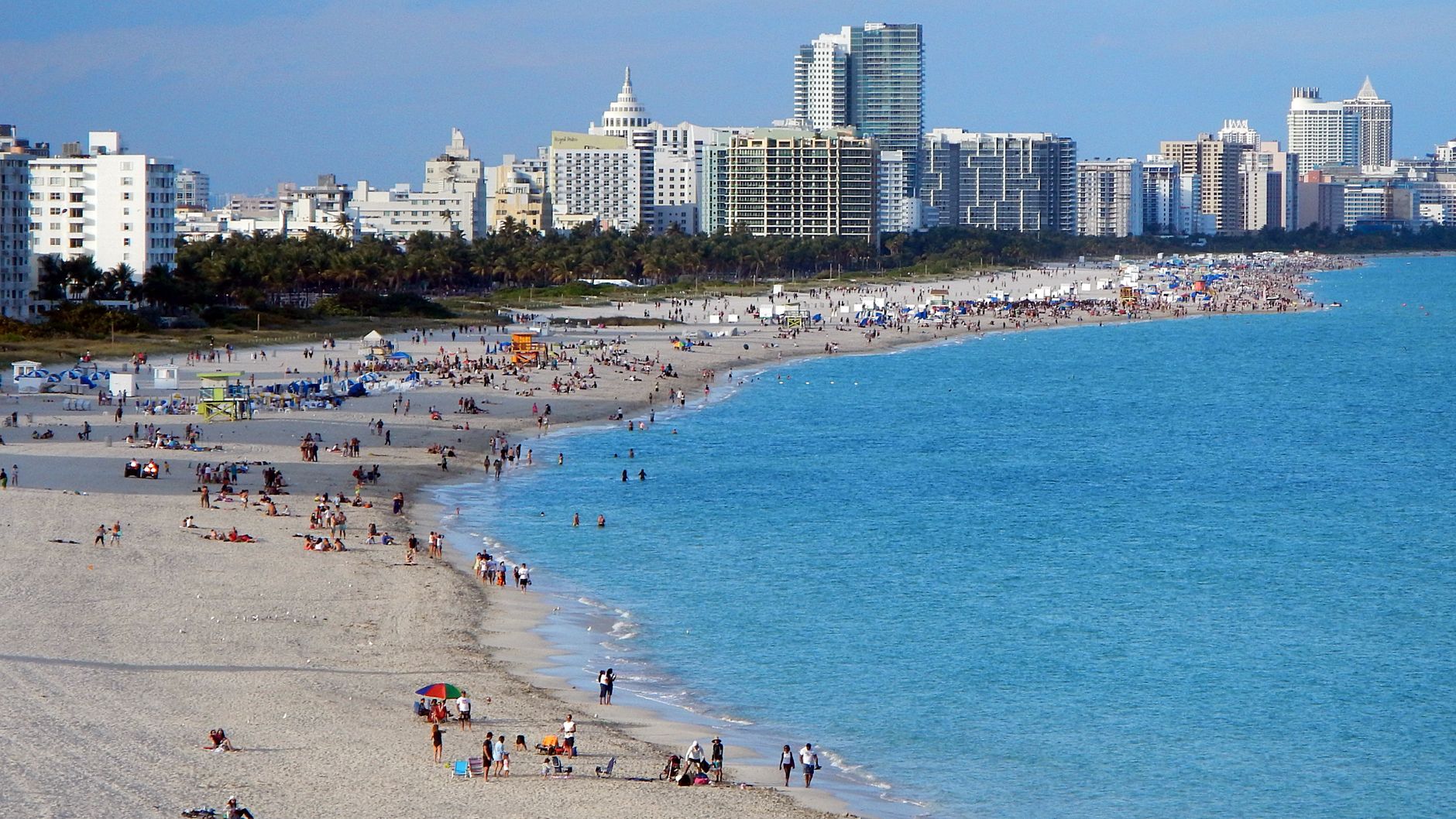
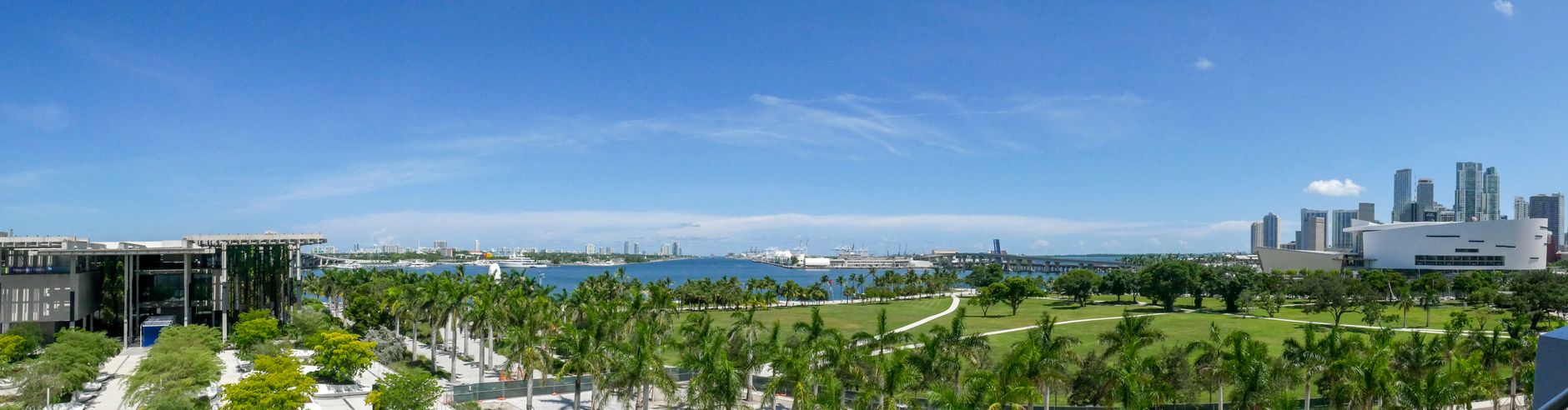
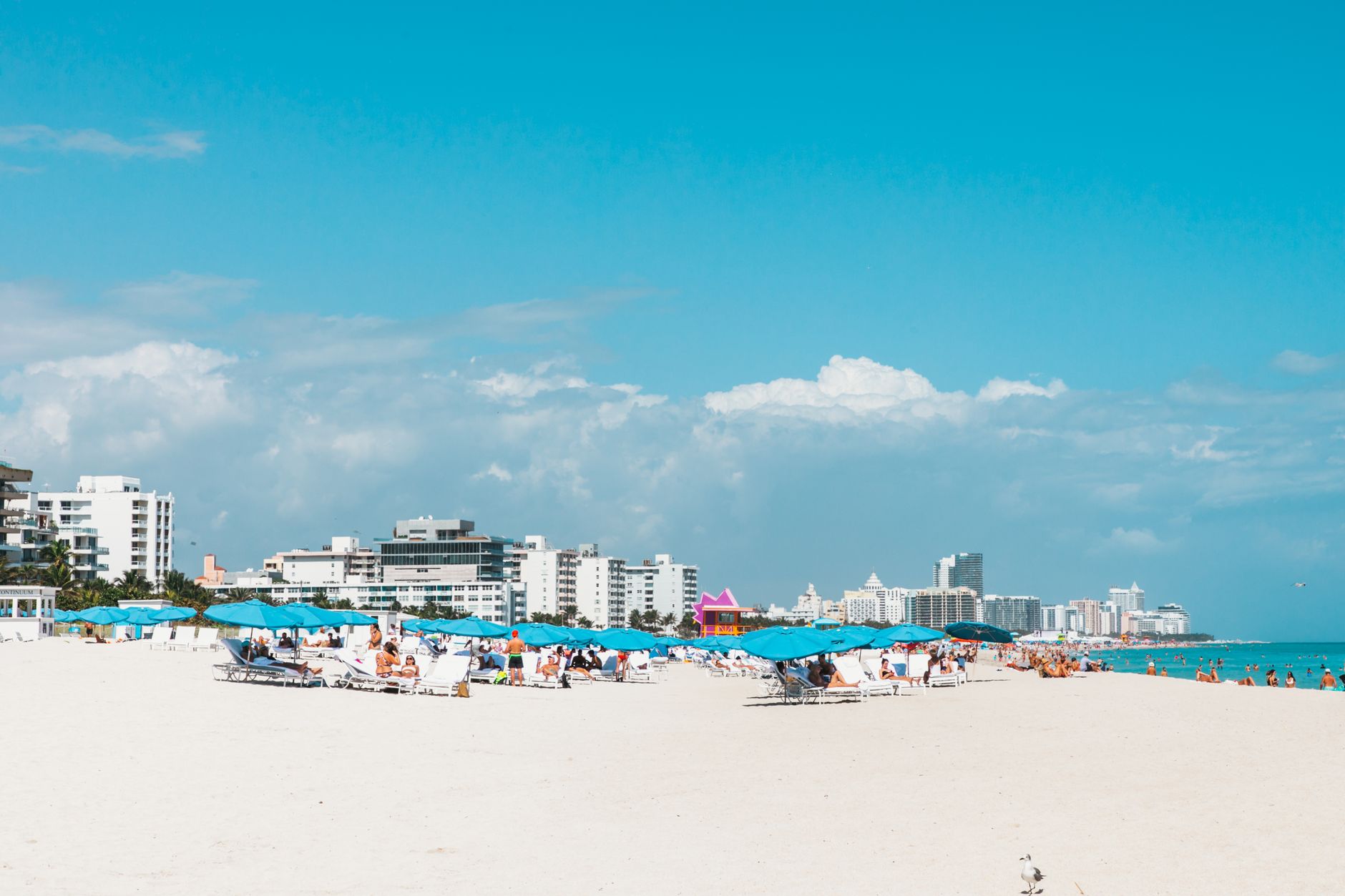
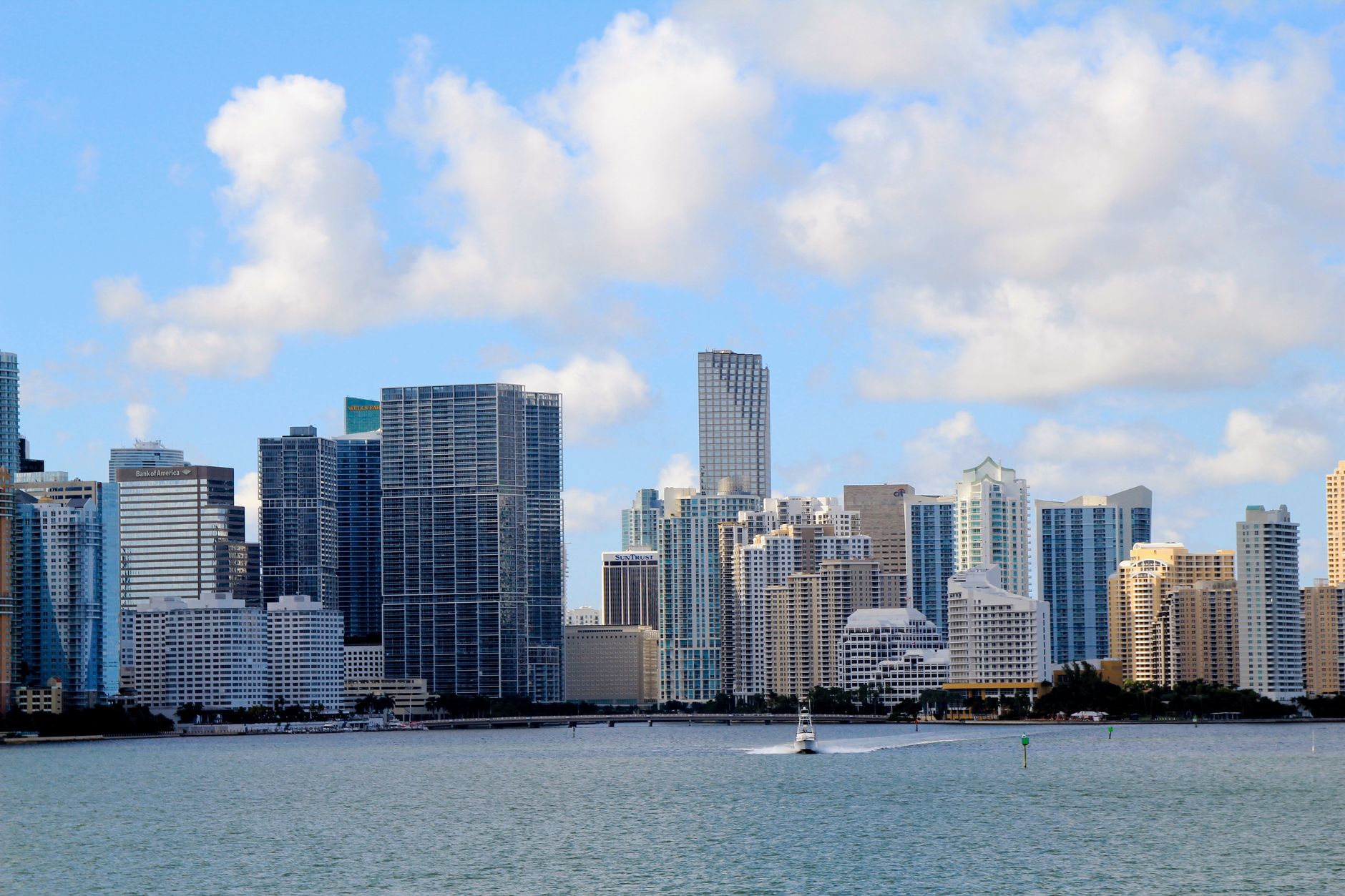
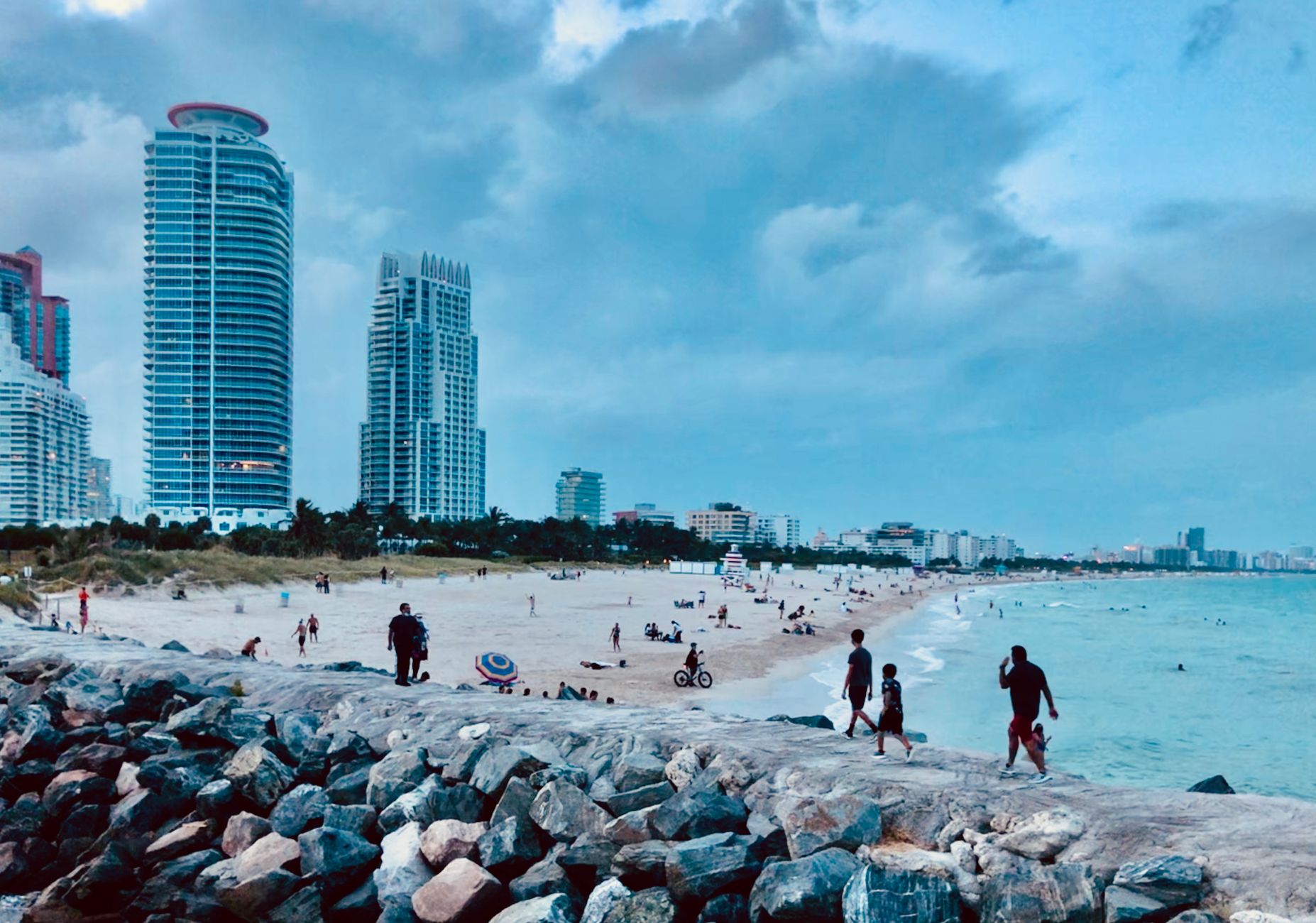
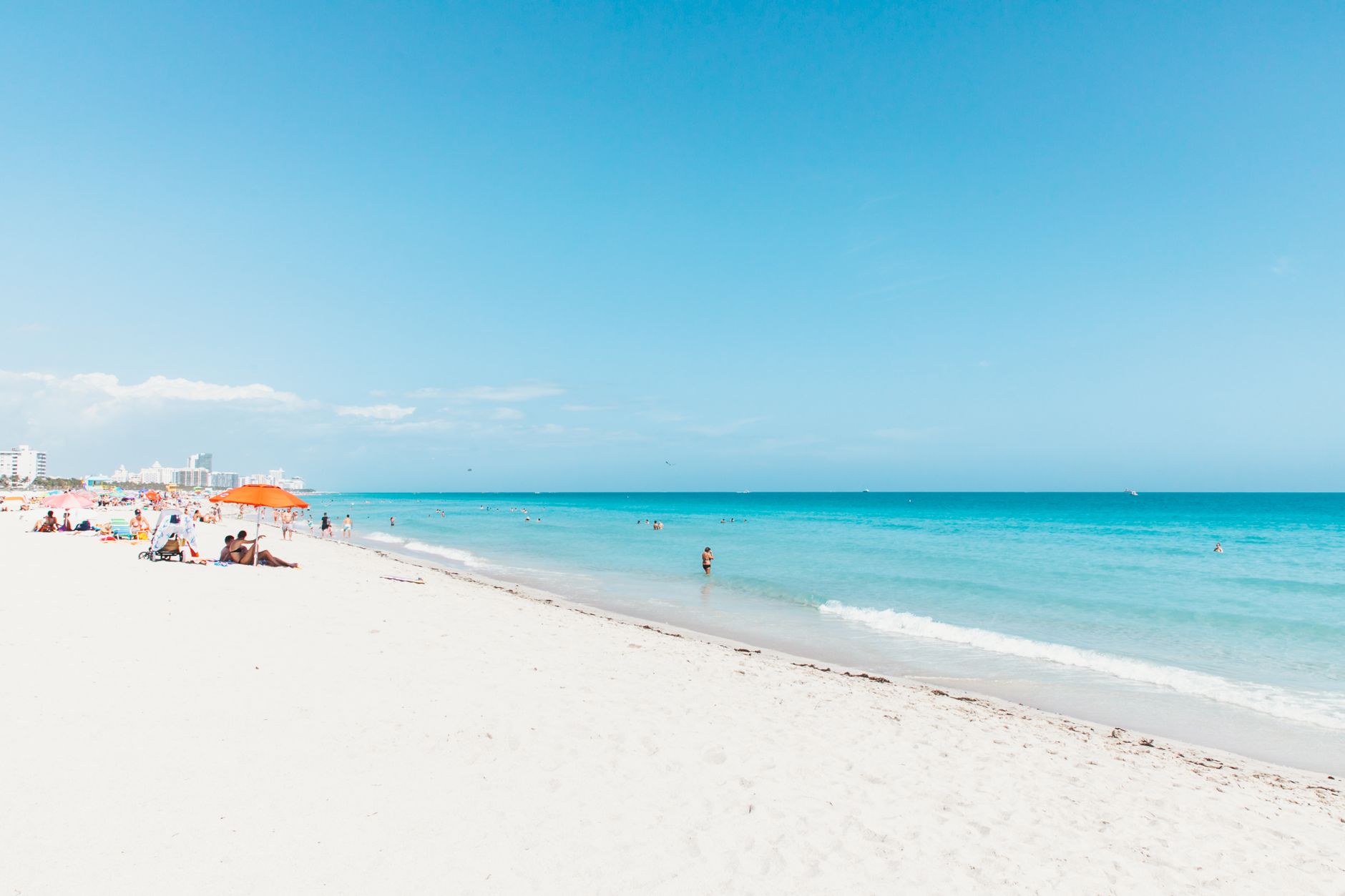
Miami is where the continental United States runs out of land and reinvents itself. The city sits at the edge of the Atlantic with one eye on the Caribbean and another on Latin America — a geographic fact that shapes everything from the food on the table to the languages you hear at the bus stop. It incorporated in 1896 with a population of barely 300 people and has spent every decade since in a state of restless transformation.
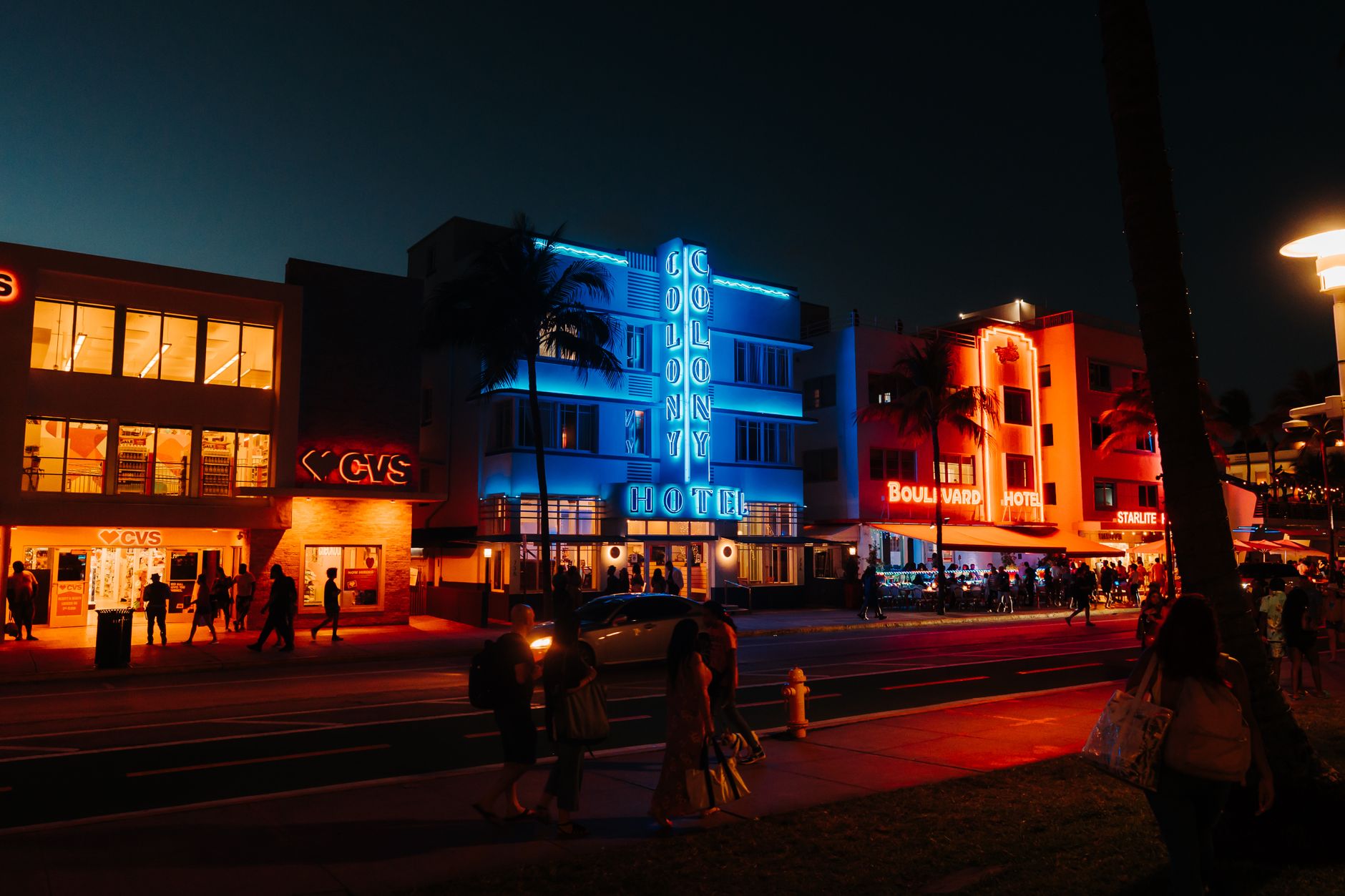
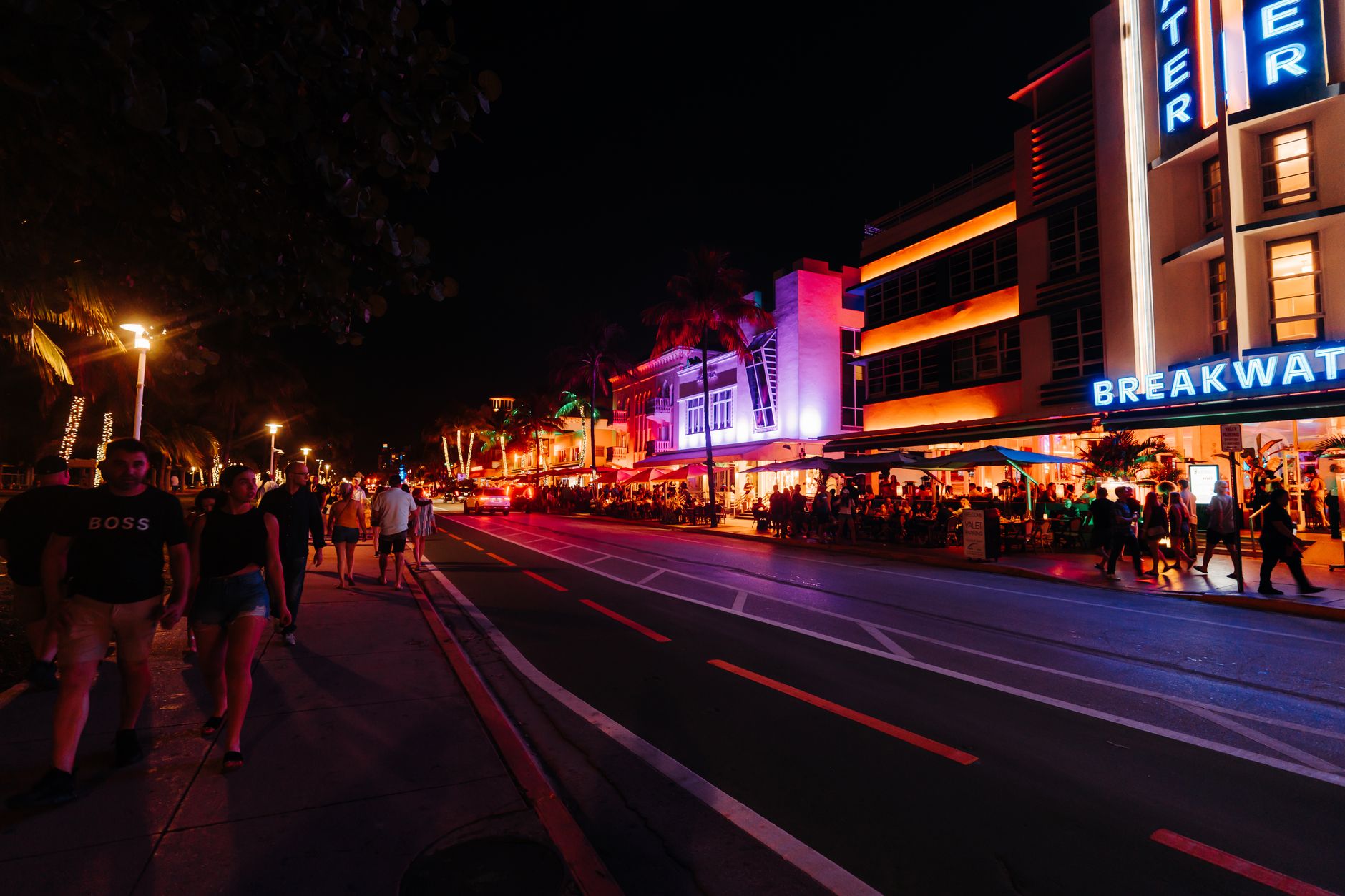
What anchors it, visually and culturally, is South Beach's Art Deco district — some 800 pastel-fronted buildings between 5th and 23rd Streets that survived demolition largely because of one determined woman, Barbara Baer Capitman, who fought to have them listed on the National Register of Historic Places in 1979.
Popular cities in Miami, Florida, USA
💛 What travellers fall for
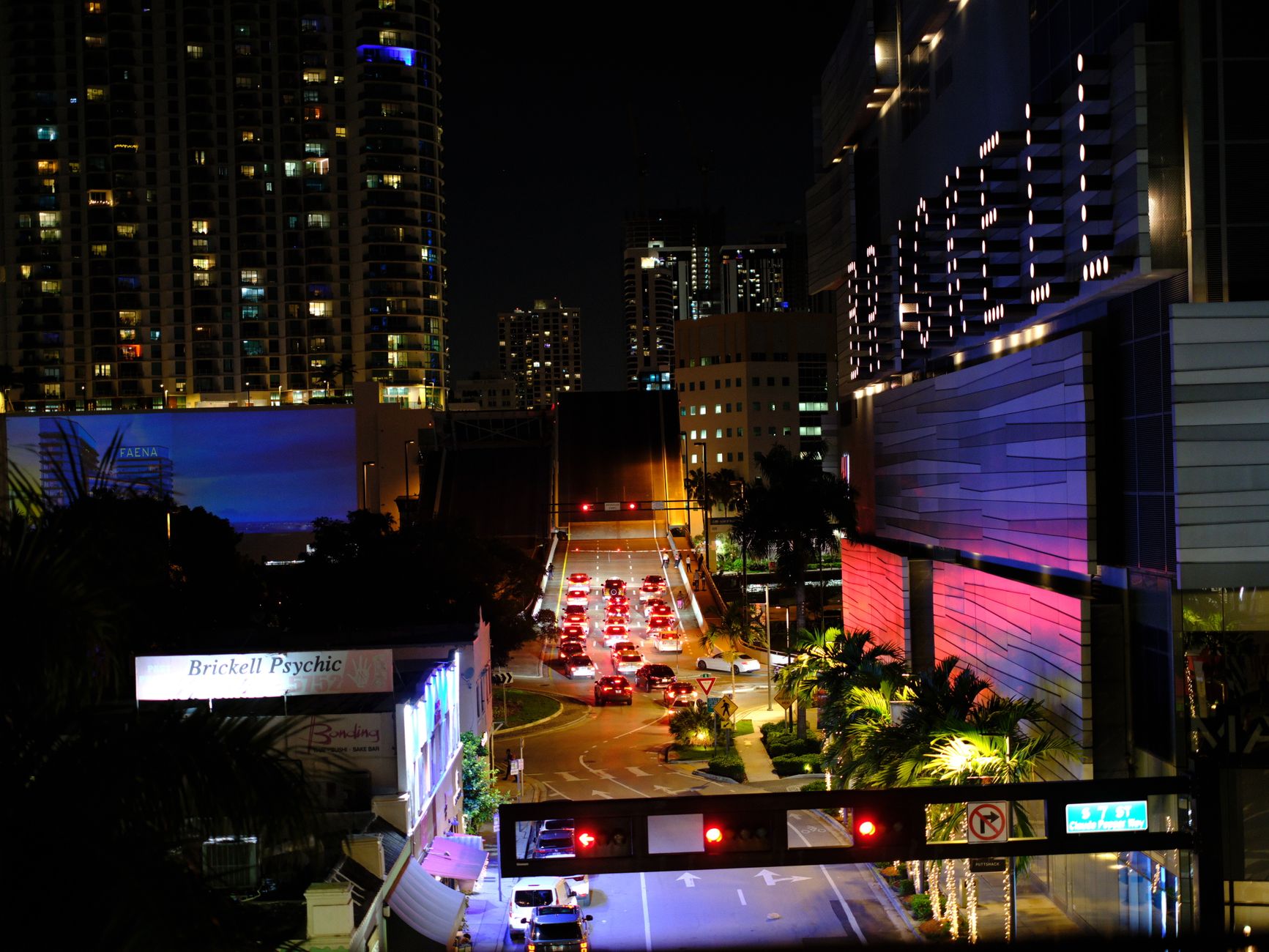
People who return to Miami tend to build their own rhythms around it. Walk the Art Deco district early, before the heat settles — the Colony Hotel on Ocean Drive reads differently at 8 a.m. than at noon. Take the free Metromover at least once; the elevated loop over Brickell is a decent orientation. Save Vizcaya for a weekday.
How Miami, Florida, USA came to be
Miami's origin story turns on a freeze. After the Great Freeze of 1894 wiped out crops across Florida, the citrus groves around Miami were among the only ones to survive. Julia Tuttle, a Cleveland-born landowner who already believed in the region's future, used that fact to convince railroad tycoon Henry Flagler to extend his Florida East Coast Railway south. The first train arrived on April 13, 1896; the city incorporated that July with a few hundred residents. Tuttle never saw how far it would go — she died in 1898 — but she is remembered as the mother of Miami, and the only woman to have founded a major American city.
Growth came fast. By 1920 nearly 30,000 people lived here. Promoters John Collins and Carl Fisher turned Miami Beach into a destination, building hotels, shops and nightclubs. A real-estate collapse in 1925, a devastating hurricane in 1926, and the Depression slowed things considerably. Then, after Fidel Castro took power in Cuba in 1959, a mass exodus reshaped the city's population and culture in ways that are still visible — and audible — today.
Who and what shaped it
People who shaped it
Landmark buildings
See Miami, Florida, USA in motion
Plan your visit
On the map
When to go
Miami has a tropical monsoon climate: winters are warm and relatively dry, with January averages around 20°C (68°F), while summers are hot, humid and punctuated by heavy afternoon downpours. If heat and humidity wear on you, plan your outdoor time for mornings and evenings between June and September.
Right now
↡ Cities


Background & history adapted from Wikipedia (CC BY-SA) · specs from Wikidata (CC0) · weather from Open-Meteo · map data © OpenStreetMap contributors · photos from Wikimedia Commons / Unsplash with per-image credit. No third-party reviews or social posts reproduced.