
Downtown Miami
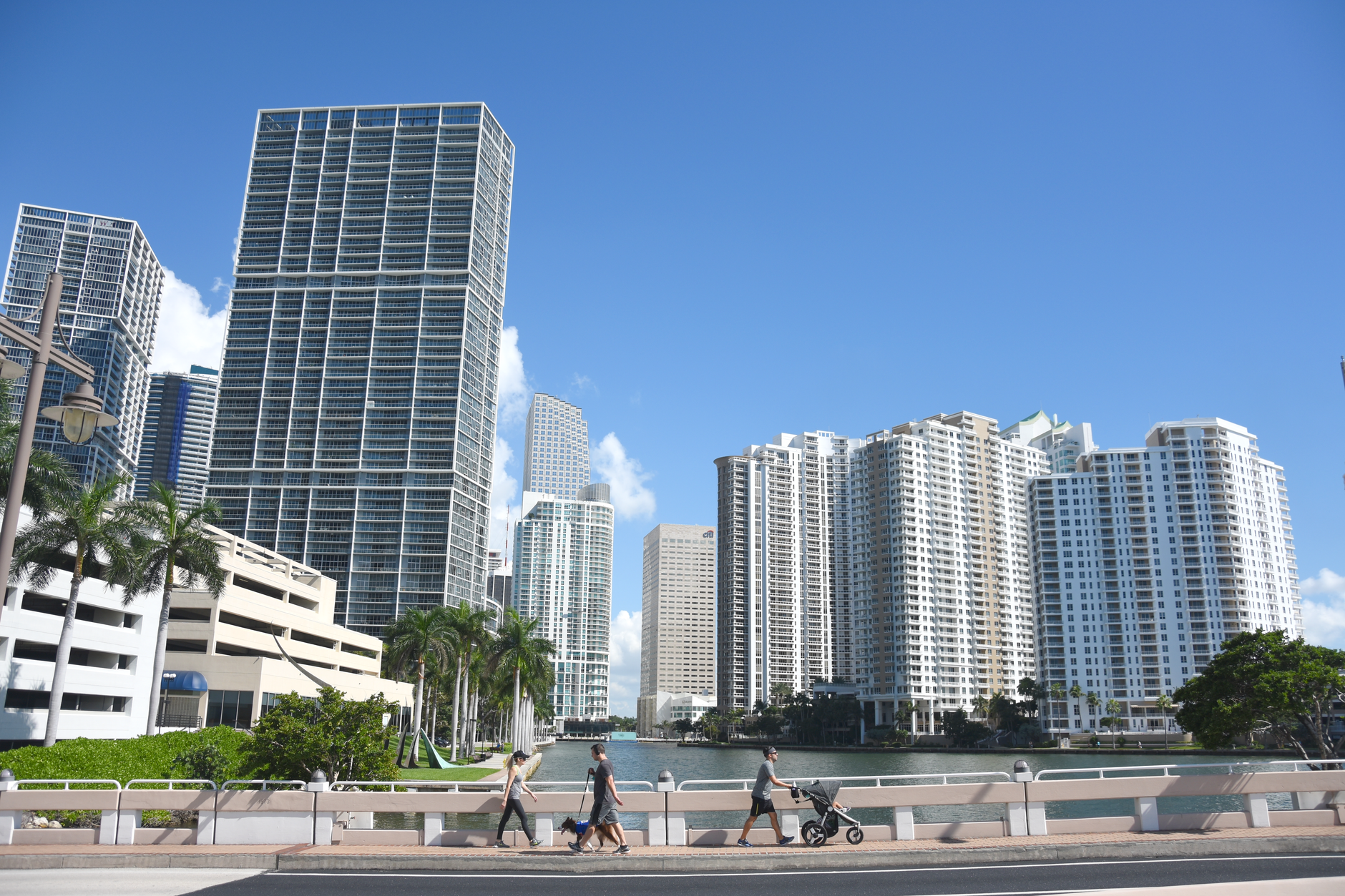
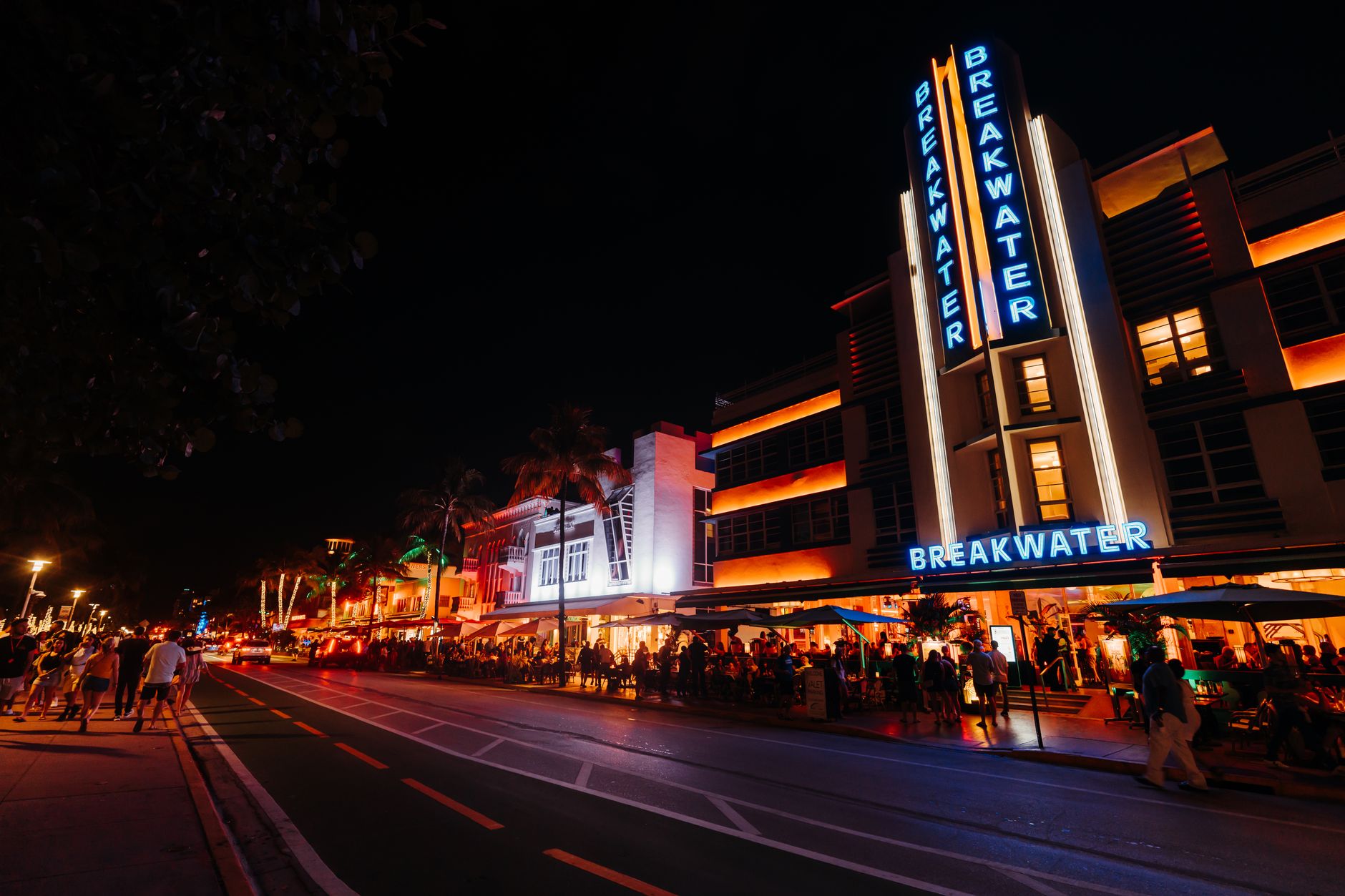
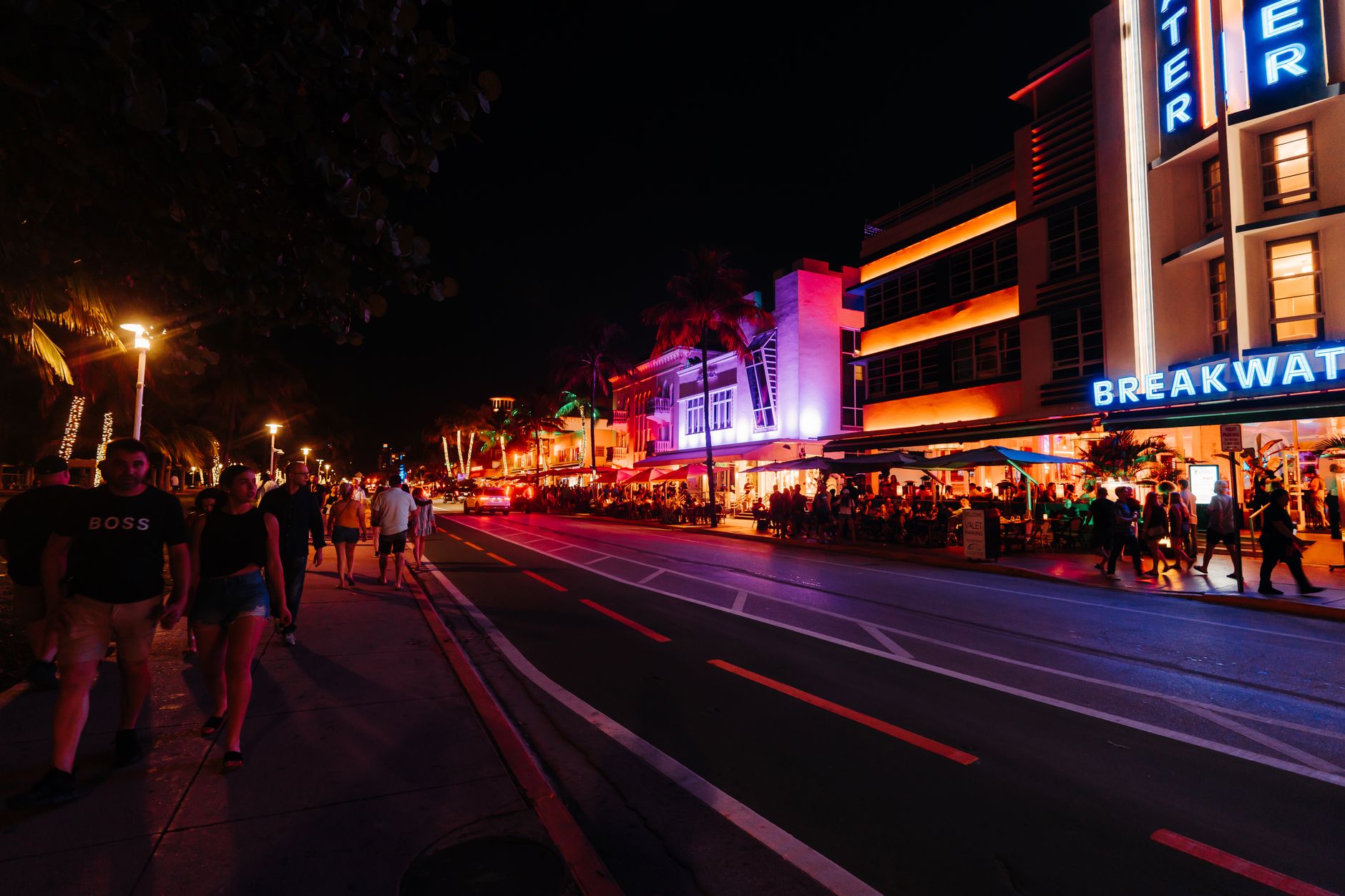
Stand at the mouth of the Miami River and you're standing on 2,000 years of human decision-making. Beneath a small park at the river's edge, a 38-foot circle etched into limestone — 24 holes, countless artifacts, attributed to the Tequesta people — was discovered in 1998 and is now a National Historic Landmark. The rest of Downtown grew up around that fact without quite acknowledging it.
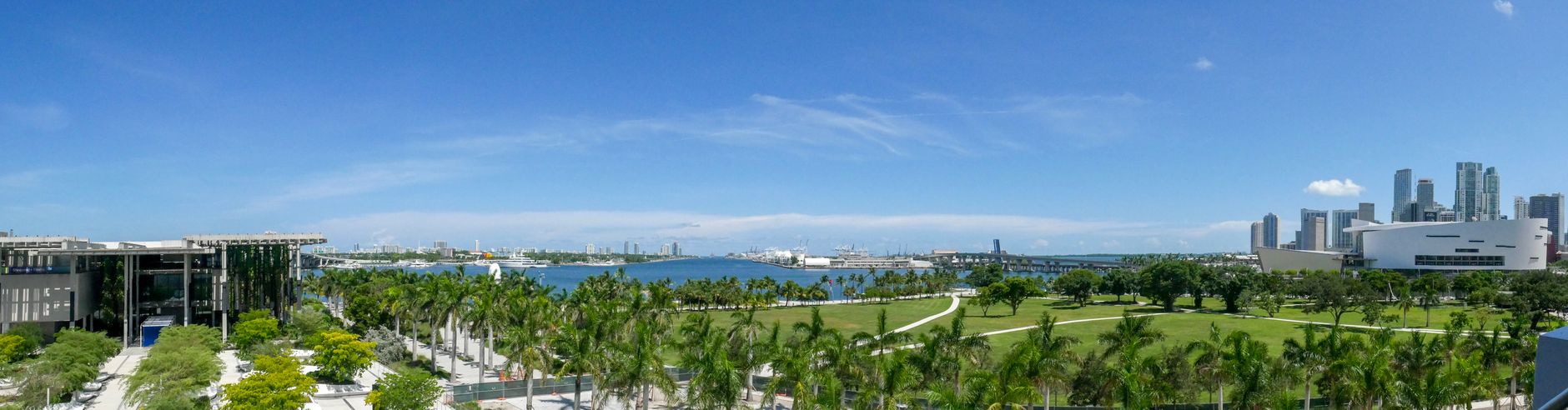
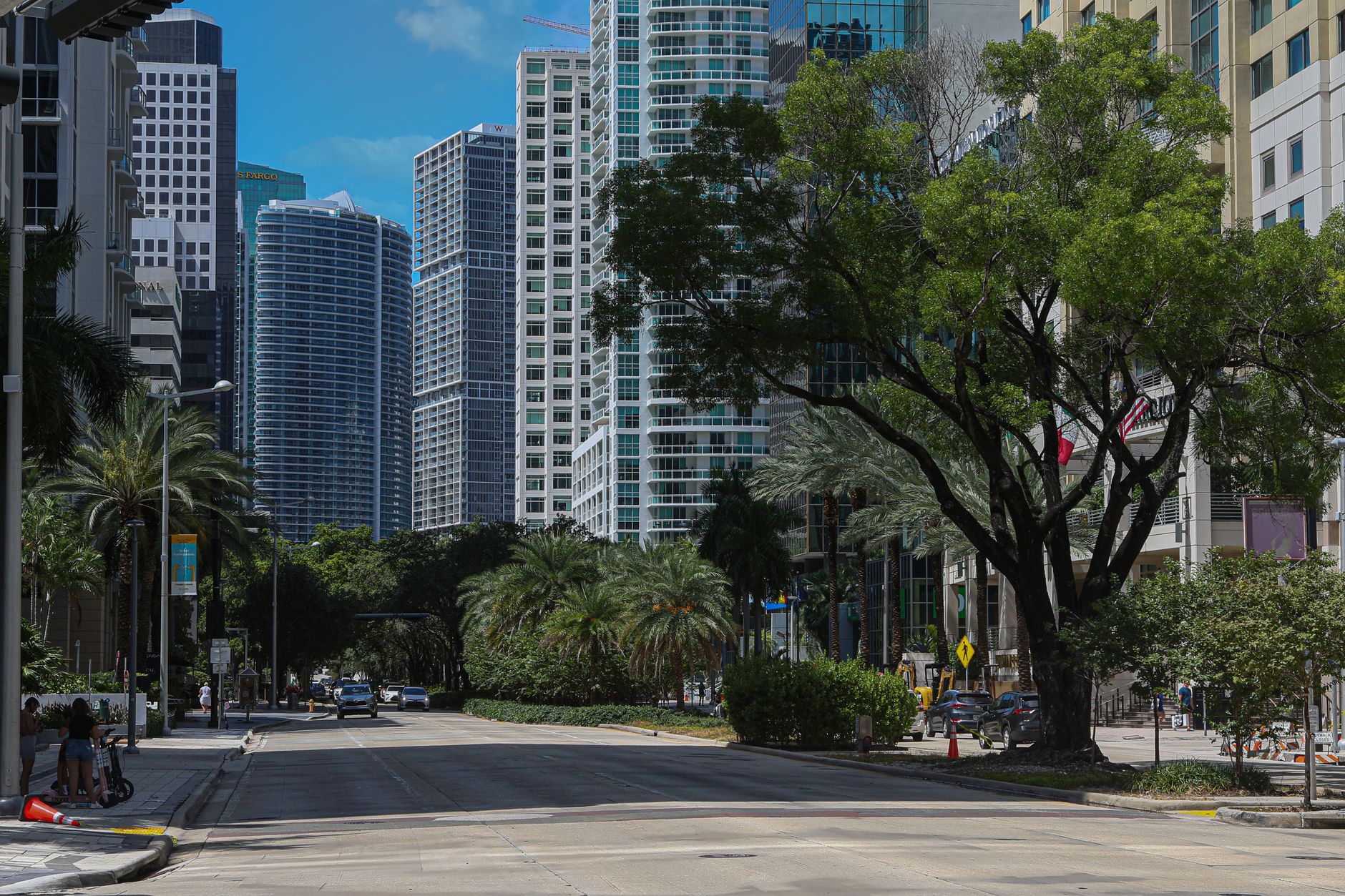
Today the district runs on contrast. The Adrienne Arsht Center, the third-largest performing arts venue in the country, sits a few blocks from the fare-free Metromover loop that carries office workers and tourists alike past Art Deco towers and the glass facades of Brickell. Pérez Art Museum Miami and Frost Science share a park on the bay. It's a city center that keeps adding layers without smoothing the older ones out.
💛 What travellers fall for
People who come back tend to time the Metromover like a local — it's free, and from the elevated track you get a reading of the skyline that no street-level walk delivers. The Olympia Theater on Flagler Street rewards a second look inside, where the ceiling still simulates a moving night sky, clouds and all.
Deals in Downtown Miami
Book directly at the provider
How Downtown Miami came to be
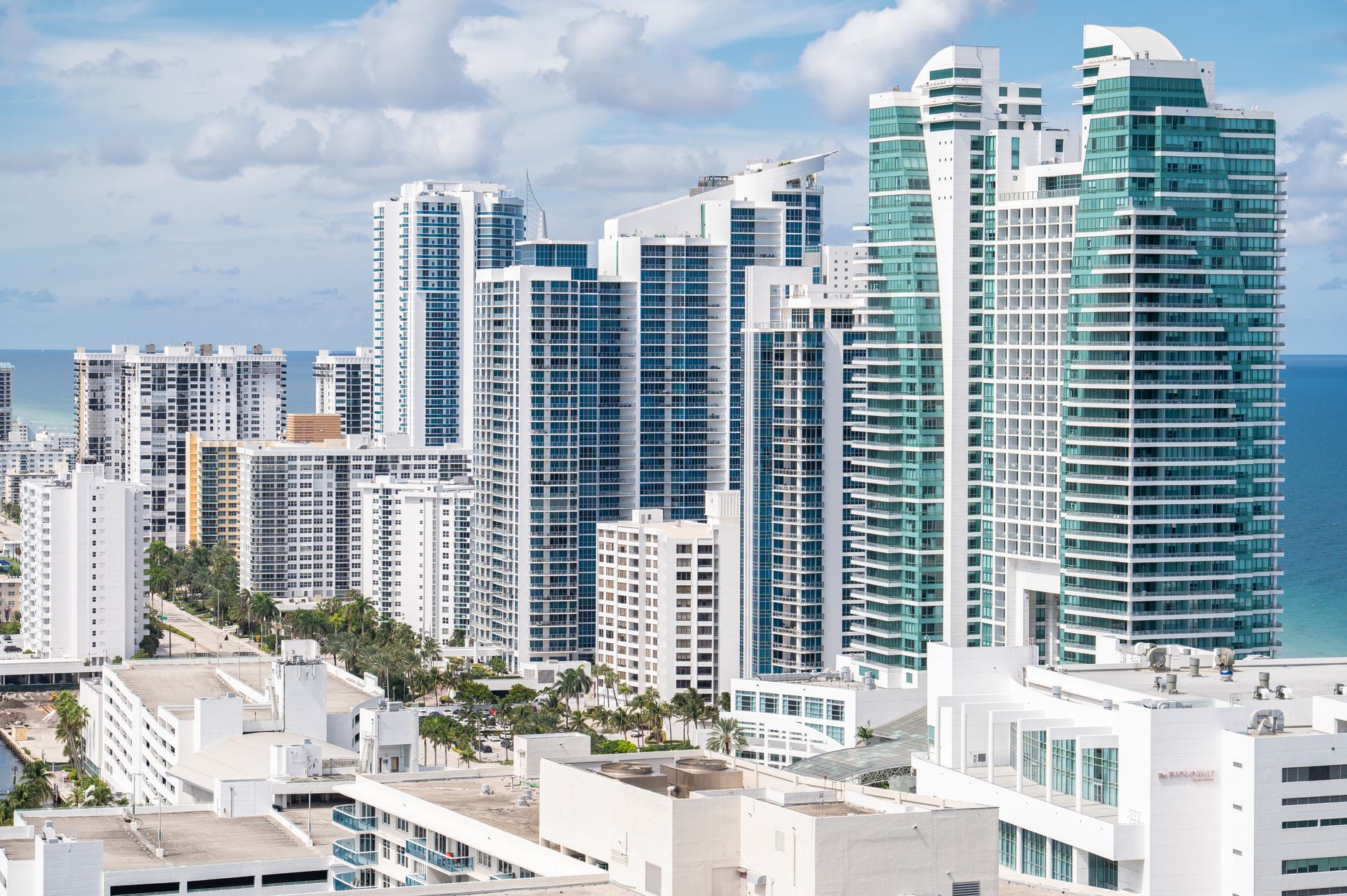
Miami incorporated on July 28, 1896, with barely 300 residents, and it almost didn't happen at all. Julia Tuttle, a widow from Ohio who had purchased a citrus plantation at the mouth of the Miami River, spent years trying to convince railroad magnate Henry Flagler to push his Florida East Coast Railway south. He eventually agreed; the first train arrived April 13, 1896. William and Mary Brickell, the Miami River's foremost early settlers, helped broker the deal alongside Tuttle, trading land for infrastructure.
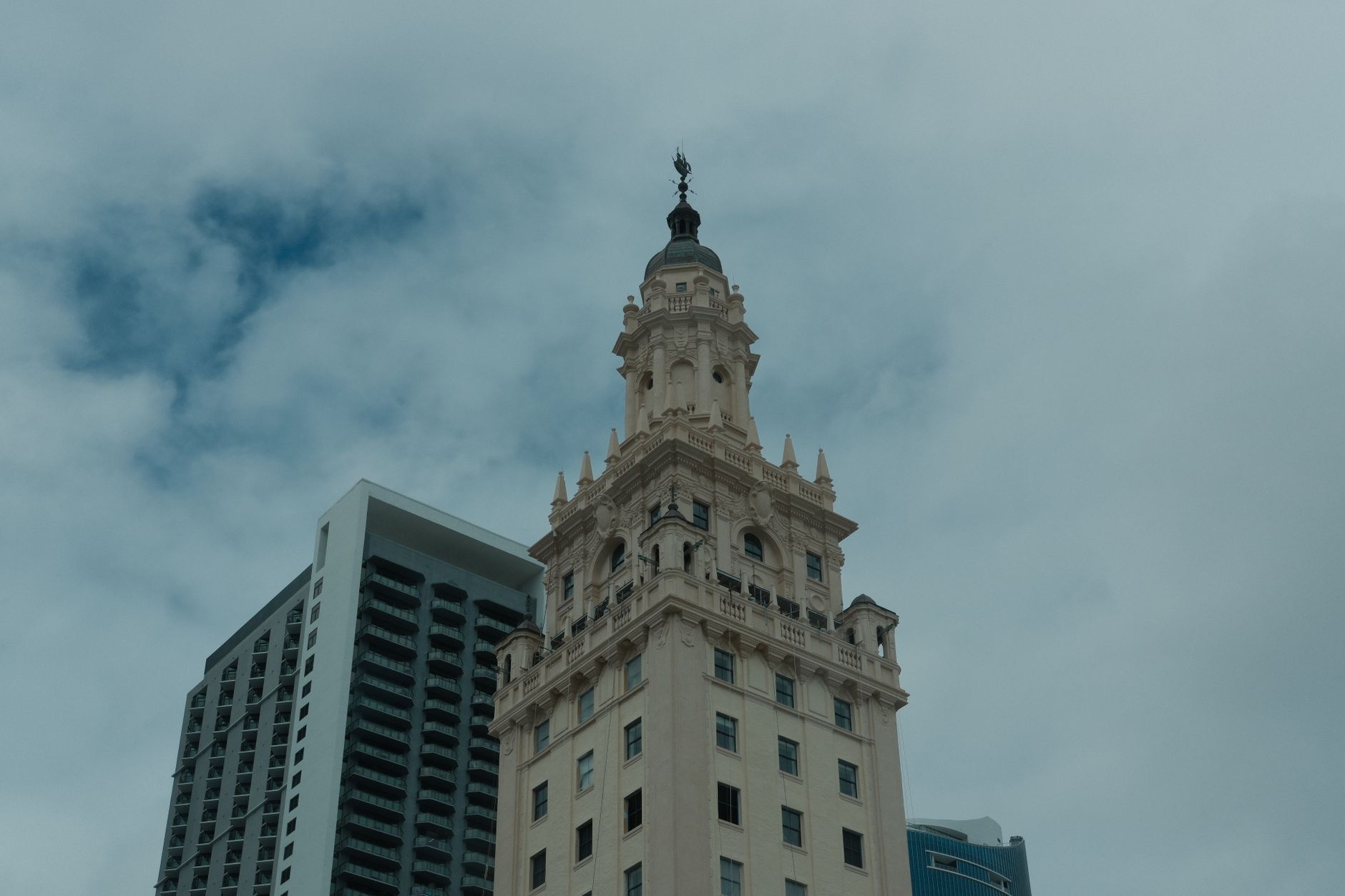
A Christmas Eve fire in 1896 destroyed most of the original commercial strip along what is now Miami Avenue, and business relocated to Flagler Street, which remains the spine of Downtown today. The 1920s brought a real-estate boom — the Congress Building started as five stories and had floors added mid-construction as land values climbed — then collapsed when the bubble burst in 1925, followed by a major hurricane in 1926 and the Depression. The next seismic shift came in 1959, when Fidel Castro's rise sent waves of Cuban refugees to Miami; the Freedom Tower on Biscayne Boulevard served as a processing center for many of them.
Who and what shaped it
People who shaped it
Landmark buildings
See Downtown Miami in motion
Plan your visit
On the map
When to go
December through February is warm and dry — daytime temperatures around the high 60s to low 70s Fahrenheit, with cool spells after cold fronts pass through. From May onward, expect heat, humidity, and afternoon thunderstorms that arrive fast and usually clear within an hour.
Right now
Background & history adapted from Wikipedia (CC BY-SA) · specs from Wikidata (CC0) · weather from Open-Meteo · map data © OpenStreetMap contributors · photos from Wikimedia Commons / Unsplash with per-image credit. No third-party reviews or social posts reproduced.