
Little Haiti
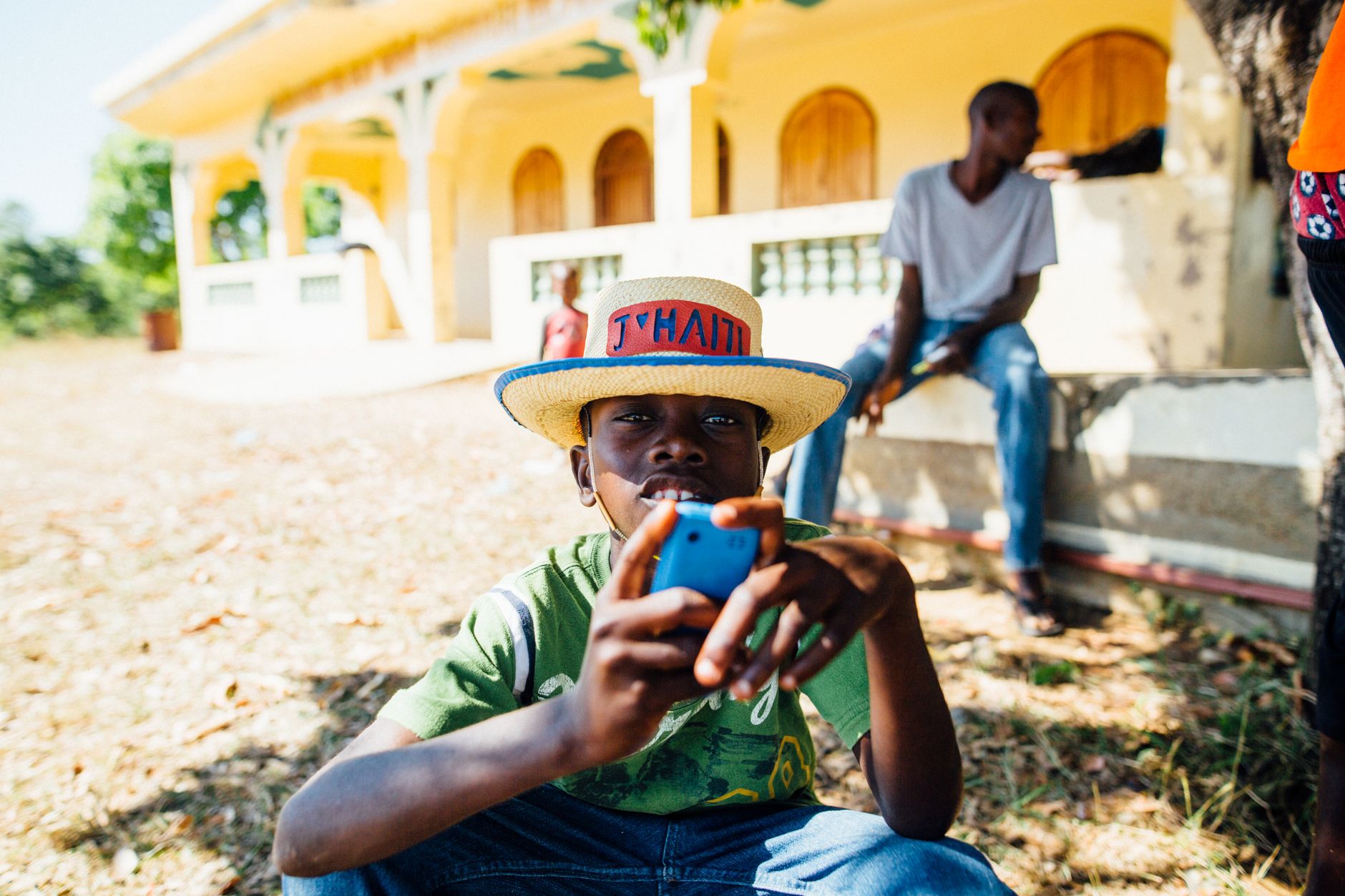
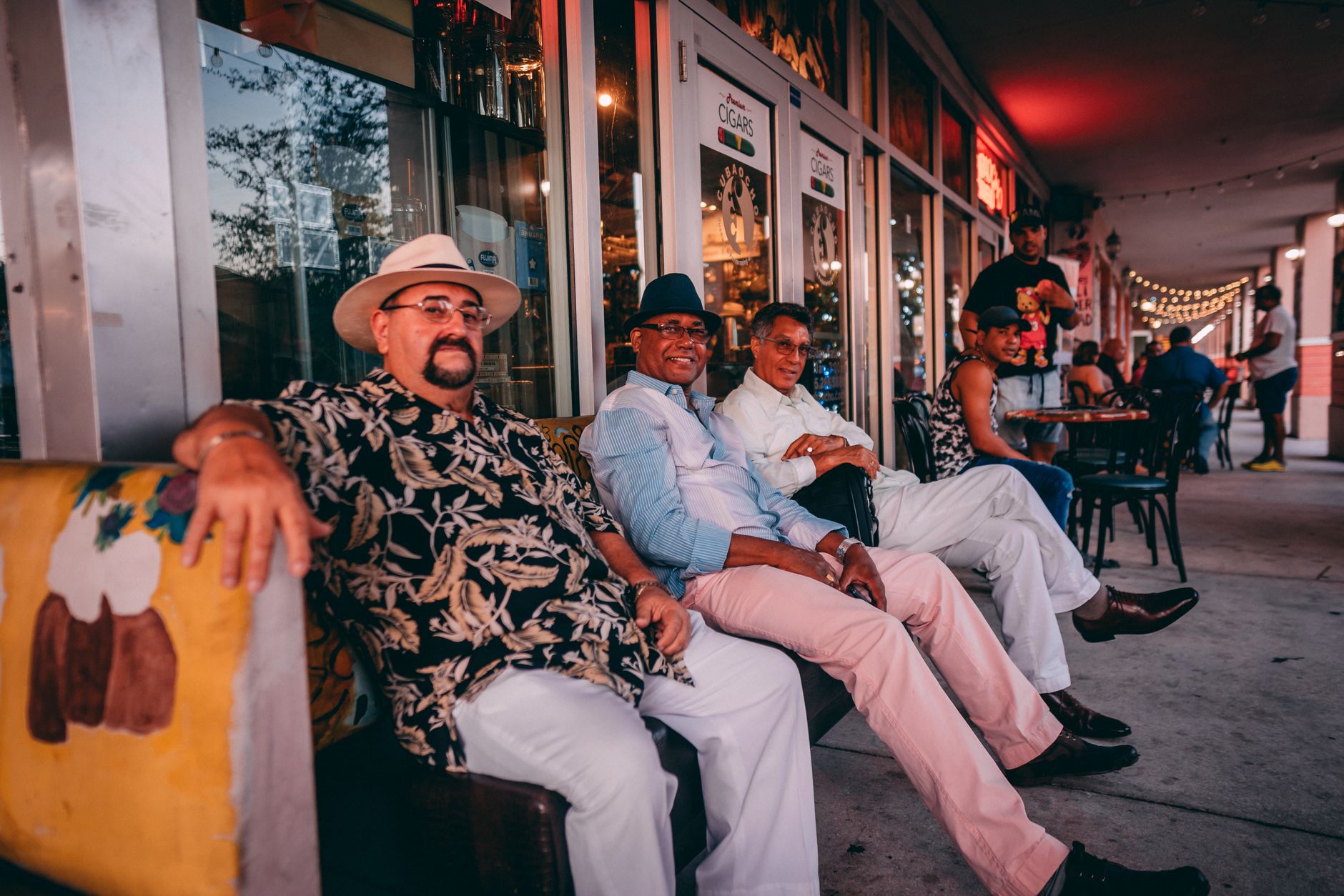
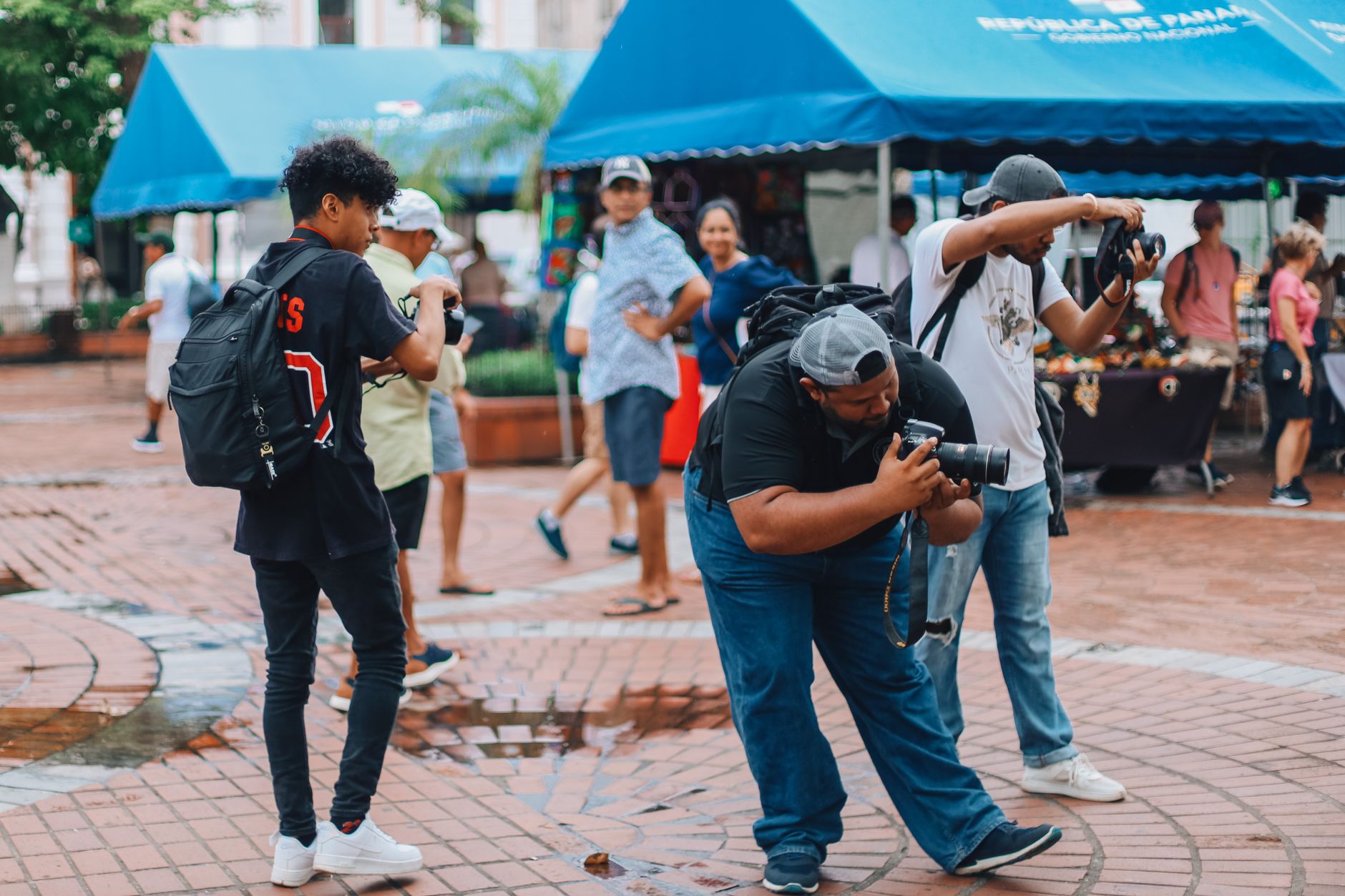
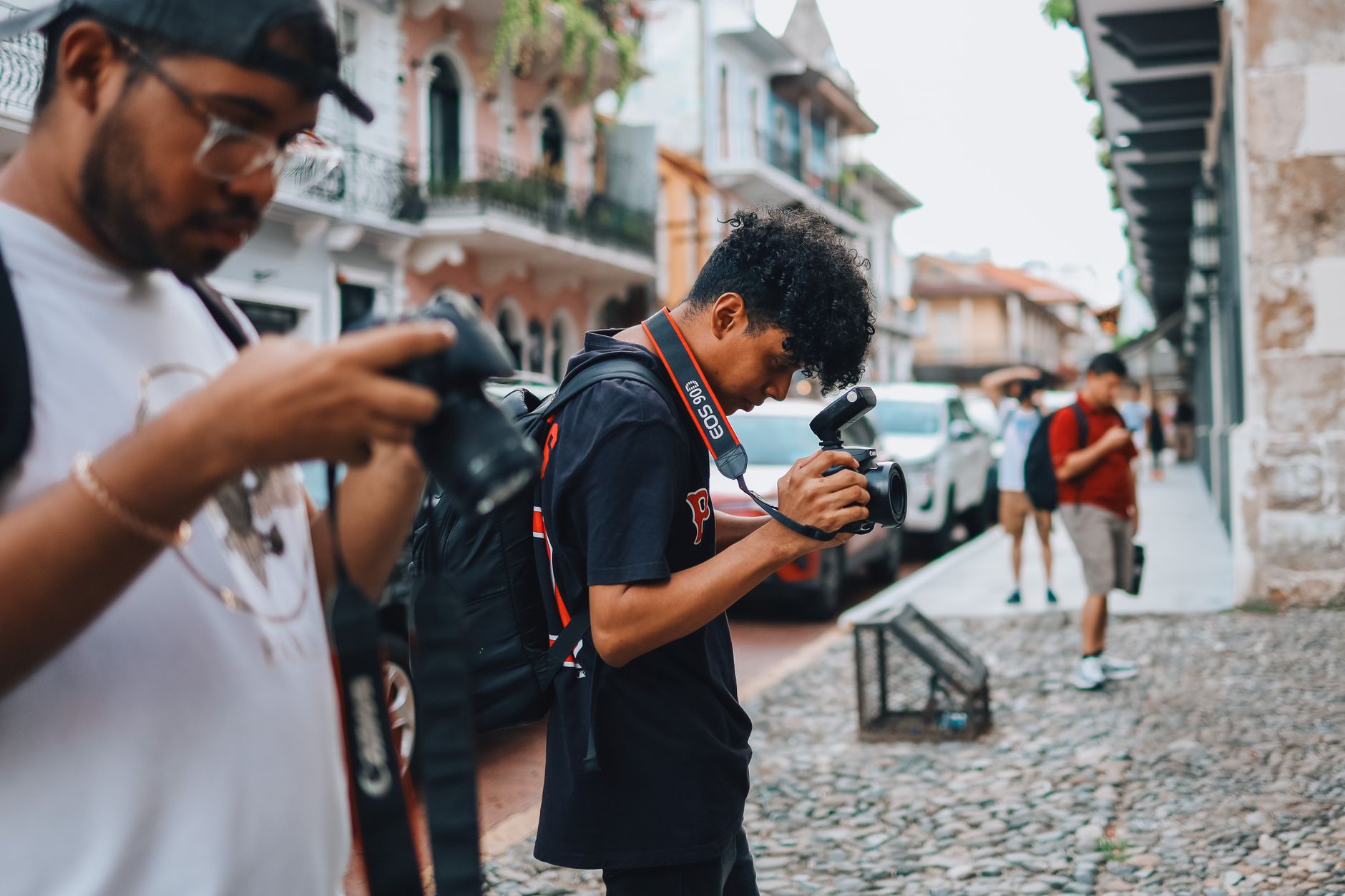
On Northeast 2nd Avenue — renamed Avenue Félix Morisseau-Leroy after the Haitian poet — the signage switches to Creole, the radio drifting from open doorways does too, and a 13-foot bronze Toussaint L'Ouverture watches the intersection of N Miami Avenue and 62nd Street with the patience of someone who has seen a great deal. This is a neighborhood that predates Miami itself, built first by African Americans and Bahamians in the 1800s, then remade by Haitian arrivals who turned a fading district into the largest Haitian community outside of Haiti.
The streets hold that layered history without announcing it. Murals by Serge Toussaint run along walls like pages of a book. The Caribbean Marketplace echoes the iron-and-gingerbread architecture of Port-au-Prince. Libreri Mapou keeps French and Creole literature in print when nowhere else nearby bothers.
💛 What travellers fall for
People who return tend to time it around the third Friday of the month — Sounds of Little Haiti at the Cultural Complex, live Afro-Caribbean music in the courtyard, no cover required. Saturday mornings at the Choublak Visitor Center have their own rhythm: a market, konpa lessons, cigars if you want one. Come twice and the neighborhood starts to feel like a schedule rather than a stop.
Deals in Little Haiti
Book directly at the provider

How Little Haiti came to be
The land was called Lemon City long before Miami existed. Founded in 1869 by African American and Bahamian settlers, it had a post office, a library, a hotel, churches, a school, and a cemetery — a functioning town that Miami's 1896 incorporation quietly eclipsed. The Florida East Coast Railway arrived the same year and drew attention south, leaving Lemon City to fade at the margins.
The transformation came in waves. Haitians began arriving in the early 1970s, fleeing the Duvalier regime, and by 1980 roughly 25,000 more had come. It was Viter Juste — businessman, activist, founder of the Haitian American Community Association of Dade — who gave the neighborhood its name, first in a Miami Herald article calling it 'Little Port-au-Prince.' Editors shortened the headline. The name held. In 2016, Miami commissioners made it official.
Who and what shaped it
People who shaped it
Landmark buildings
See Little Haiti in motion
Plan your visit
On the map
When to go
November through March is the window: highs around 74°F, trade winds keeping the humidity manageable. May through October brings real heat and afternoon downpours, with September occasionally producing something more serious — tropical storms move through the region then.
Right now
Background & history adapted from Wikipedia (CC BY-SA) · specs from Wikidata (CC0) · weather from Open-Meteo · map data © OpenStreetMap contributors · photos from Wikimedia Commons / Unsplash with per-image credit. No third-party reviews or social posts reproduced.