
Allapattah
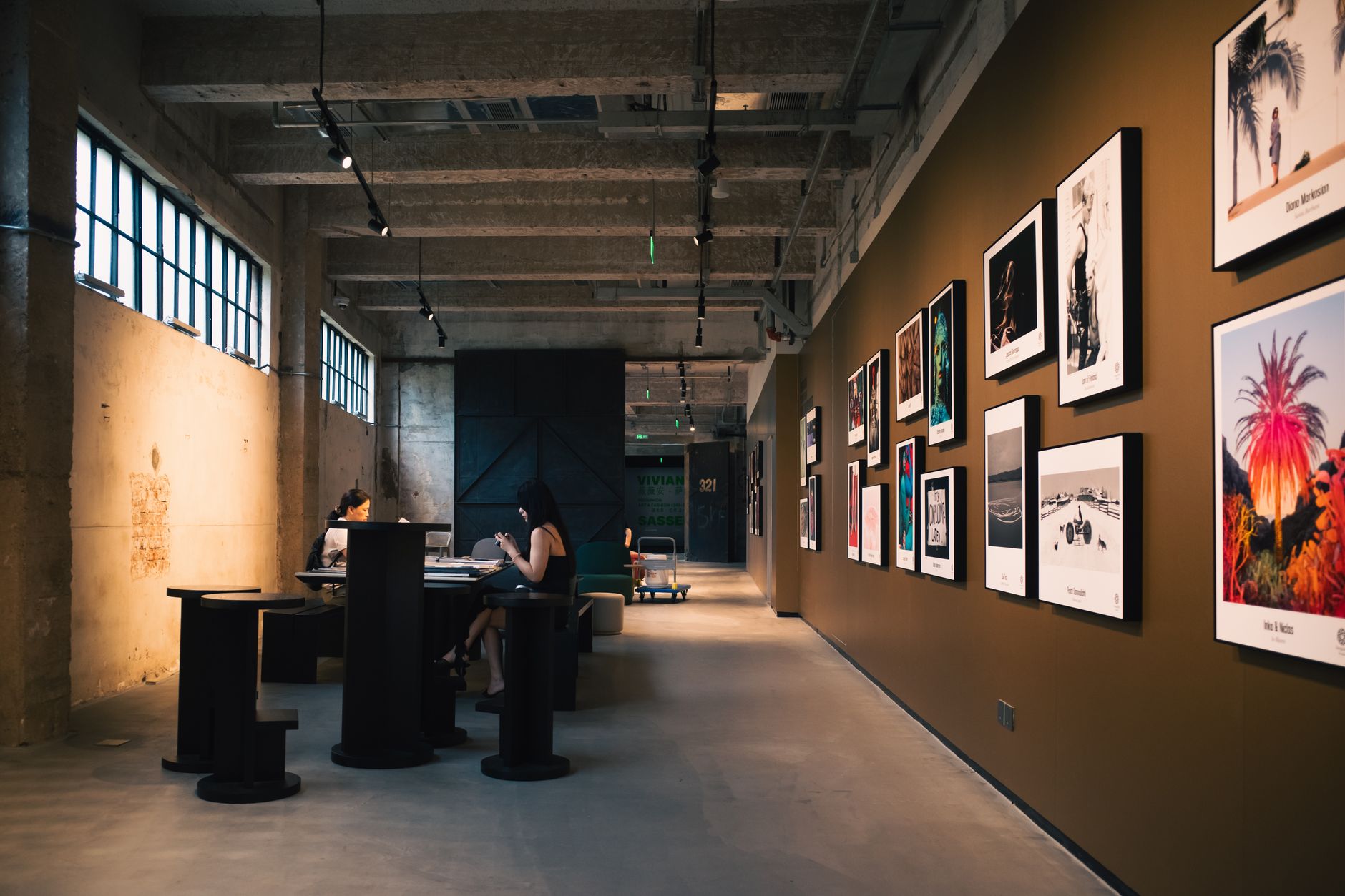
Allapattah's name comes from the Seminole word for alligator, and the neighborhood has always had that quality — low-slung, unhurried, a little unpredictable. Walk NW 20th Street on a weekday morning and you'll pass wholesale fabric vendors unrolling bolts of cloth onto sidewalk tables, the same blocks where the Rubell Museum holds one of the largest private contemporary art collections in the country. The contrast is not accidental. It's what Allapattah is.
This is a working neighborhood that has absorbed wave after wave of newcomers — Cuban exiles after 1959, then Dominicans, Nicaraguans, Hondurans, Haitians — each leaving a legible mark. Juan Pablo Duarte Park sits at its center. The produce market moves more food than anywhere else in Miami. The art world arrived in 2019 and found the bones already interesting.
💛 What travellers fall for
People who come back tend to time the Textiles Market for a Tuesday or Wednesday, when the wholesale crowd thins and vendors have more time to talk. The Rubell rewards a second visit — 7,000 pieces means the galleries rotate, and something different is always on the walls. Grab food before you go; the museum café is small.
Experiences you don't want to miss


Deals in Allapattah
Book directly at the provider

How Allapattah came to be
William P. Wagner arrived from Charleston in 1856 and built a 40-acre homestead where Miami Jackson High School now stands — the earliest recorded settler on this ground. By the late 19th century, the Florida East Coast Railroad had built servicing facilities nearby, and a distinct African American community called Railroad Shops Colored Addition took shape around them. In the late 1940s that entire neighborhood was condemned under eminent domain; its residents were displaced, and the land became a school and park. One of the educators who had lived there, Lenora B. Smith, was eventually honored when the school was renamed for her.
The decades that followed brought more displacement and more arrival. I-95 construction in the 1950s and 60s pushed large numbers of Black residents westward into Allapattah. Cuban families moved in after the revolution. By the 1980s, Dominican, Nicaraguan, Honduran, and Haitian communities had all staked ground here. In 2003, commissioner Wilfredo Gort pushed to nickname the NW 17th Avenue corridor Little Santo Domingo. In April 2025, the Miami City Commission approved a Community Redevelopment Agency plan for the area — the latest chapter in a neighborhood that has never stopped being remade.
Who and what shaped it
People who shaped it
Landmark buildings
See Allapattah in motion
Plan your visit
On the map
When to go
December through February is the sweet spot: dry, warm days around 20°C (68°F) with little rain. Summer runs hot and humid, with August averaging 29°C (84°F) and afternoon thunderstorms that arrive fast and leave quickly — hurricane season extends from June to November, with the highest risk August through October.
Right now
Background & history adapted from Wikipedia (CC BY-SA) · specs from Wikidata (CC0) · weather from Open-Meteo · map data © OpenStreetMap contributors · photos from Wikimedia Commons / Unsplash with per-image credit. No third-party reviews or social posts reproduced.