
Little Havana
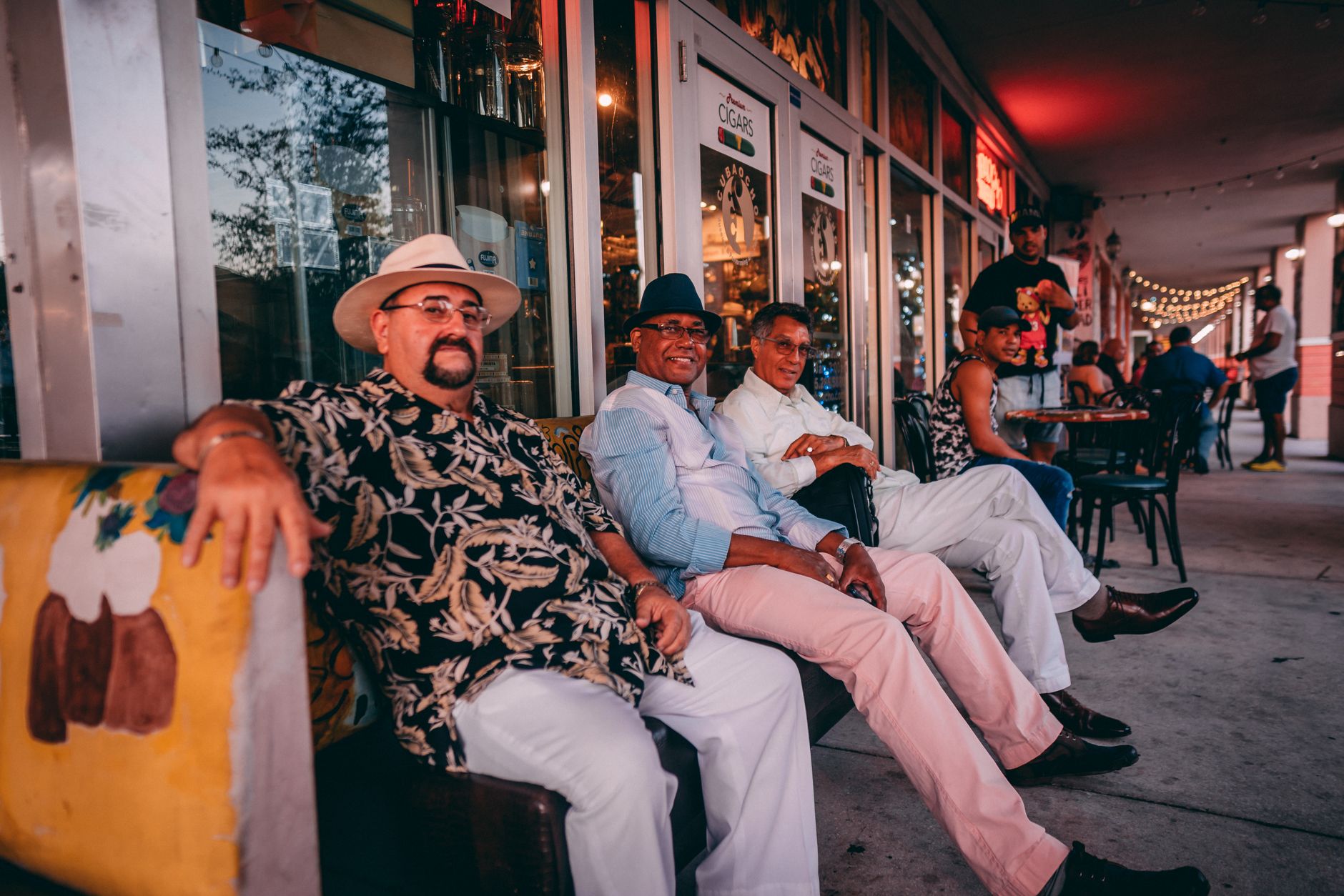
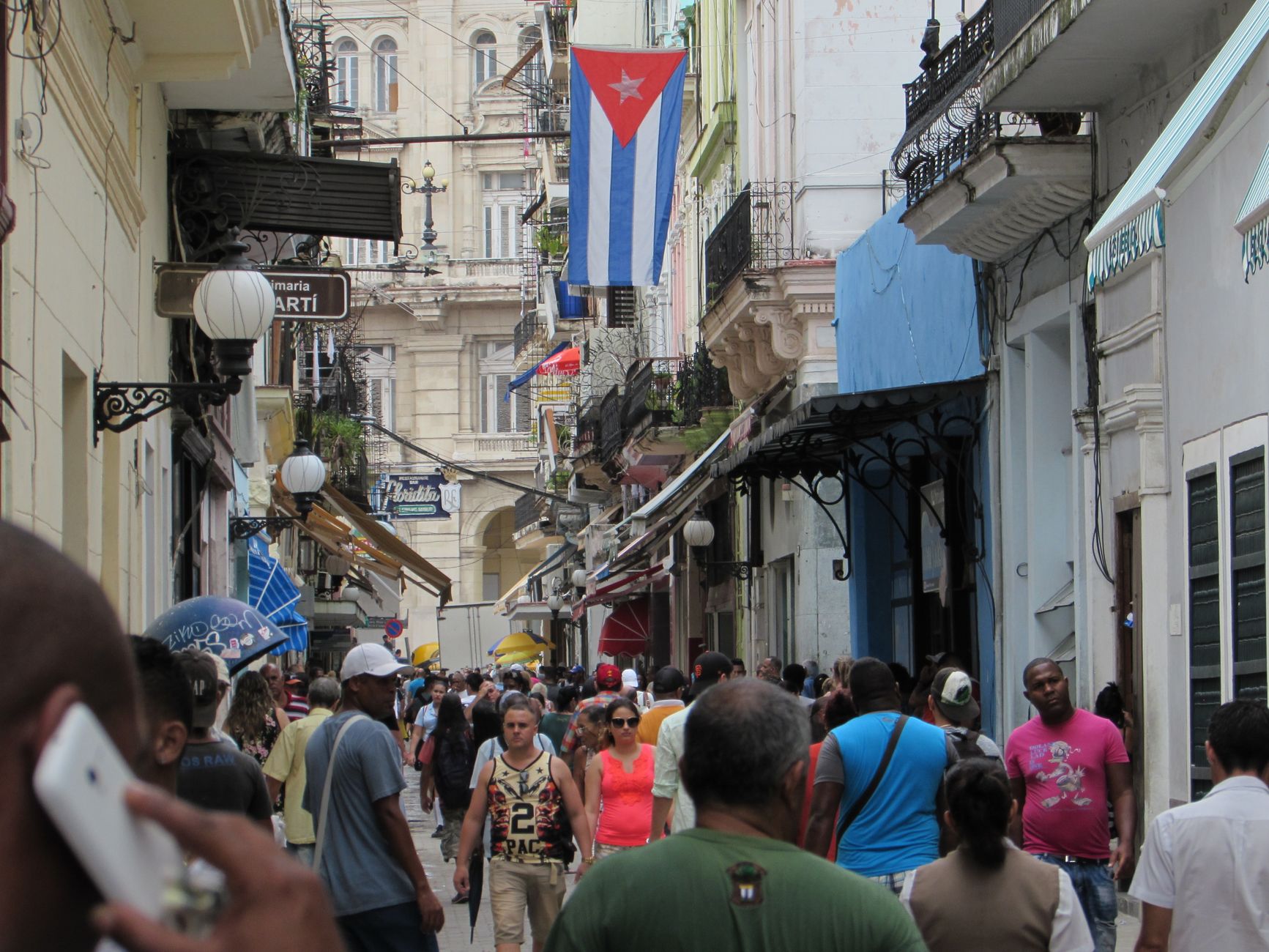

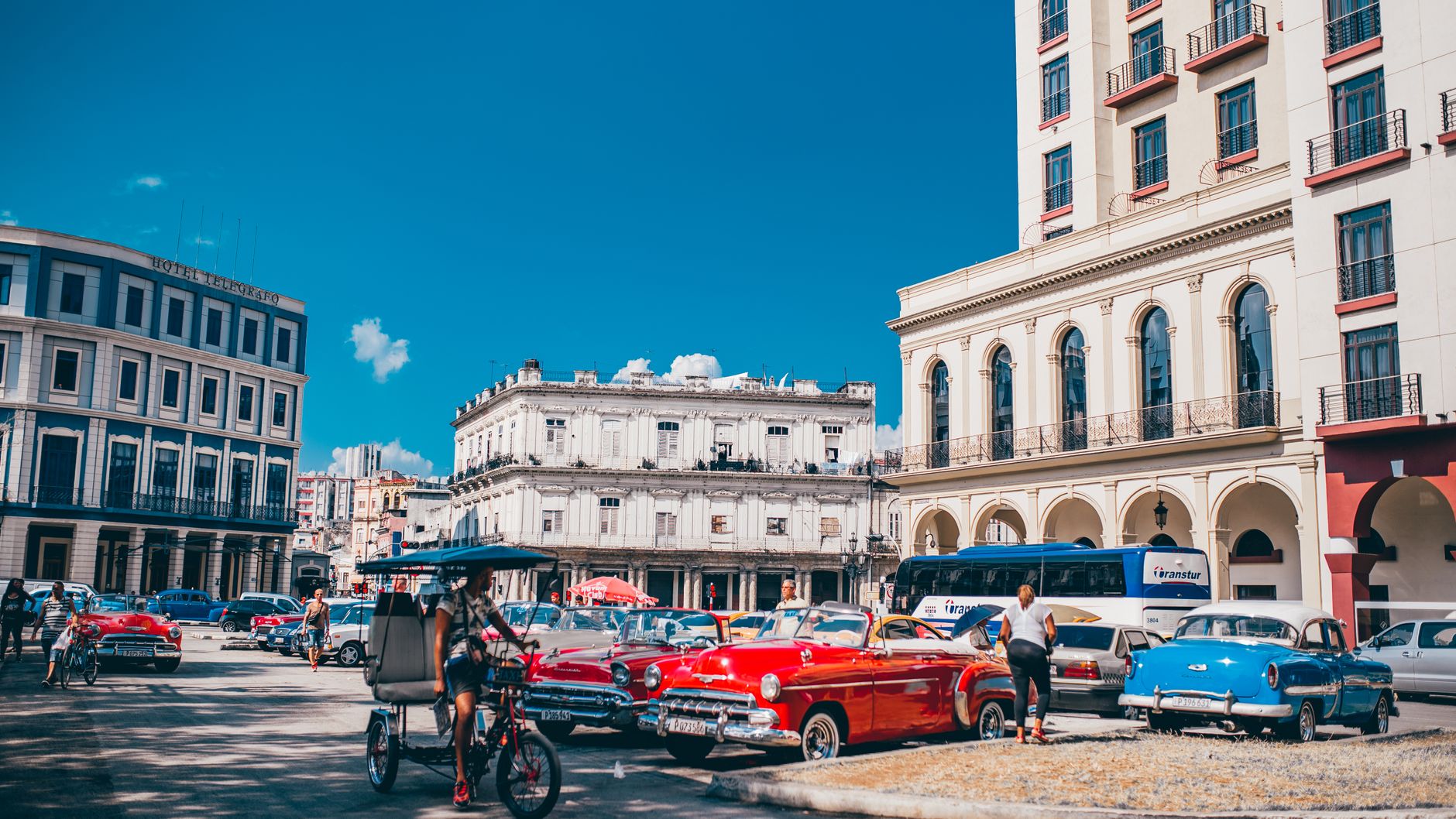
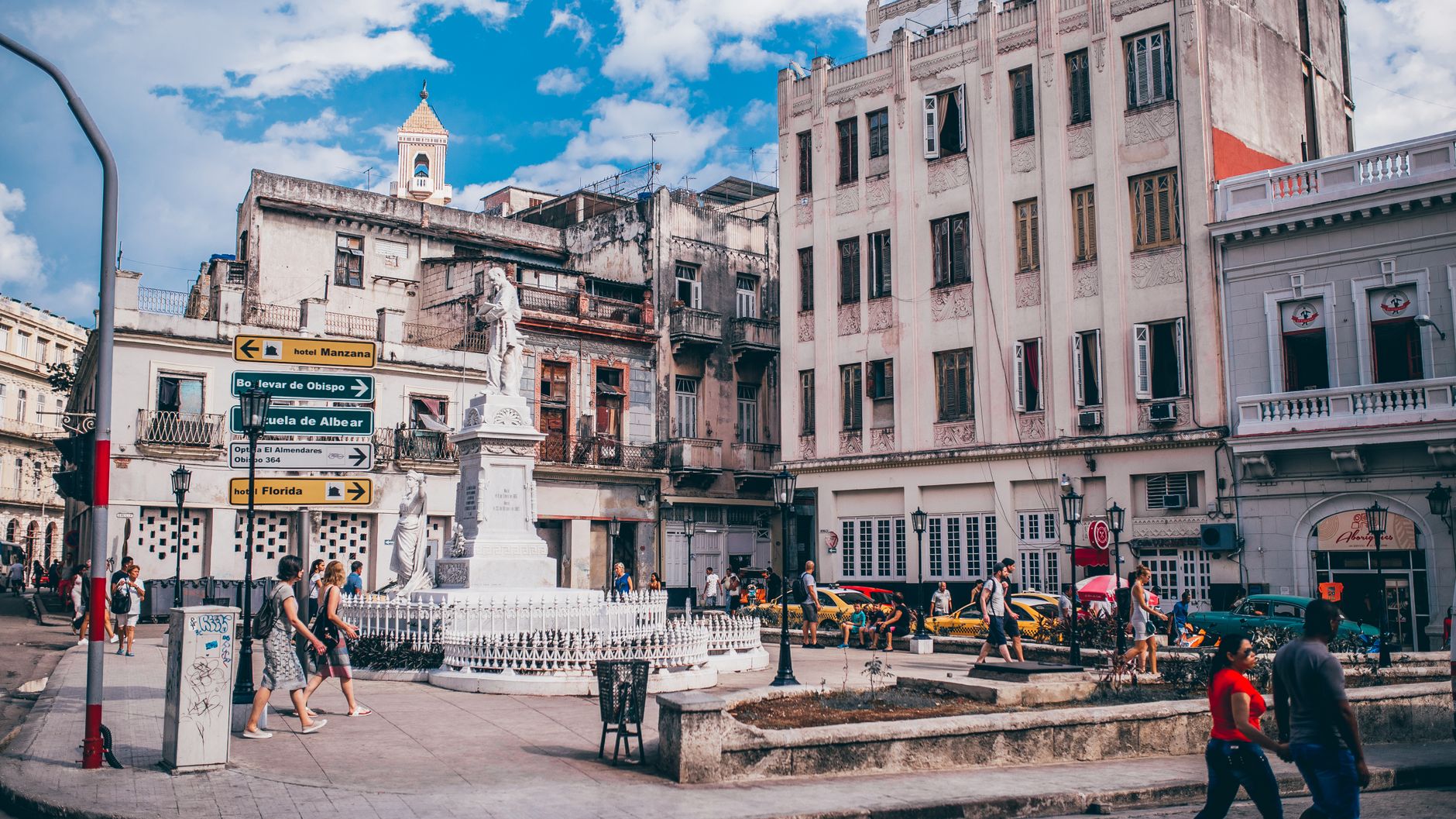

Walk along SW 8th Street on any given afternoon and you'll find old men bent over domino tables at Máximo Gómez Park, the clack of tiles competing with the hiss of espresso machines nearby. This is Calle Ocho — La Saguacera in the neighborhood's own Spanglish — and it has been the spine of Little Havana since Cuban exiles began arriving in the early 1960s, turning a former Jewish working-class district into something that felt, by design and by necessity, like home.
The neighborhood holds its history in layers: a 1926 theater that added Spanish subtitles to its films before anyone else in Miami did, a bar open since 1935, a boulevard with an eternal flame for the men who died at the Bay of Pigs. Little Havana is not a relic, but it does take its memory seriously.
💛 What travellers fall for
People who come back tend to arrive on foot from the Brickell bus stops, spend a slow hour at CubaOcho — Roberto Ramos built it in 2007 as a real museum and a real performance space — and end the afternoon at Ball & Chain, which has been on this block since 1935 and still books live music worth staying for.
Deals in Little Havana
Book directly at the provider


How Little Havana came to be
Before Cubans arrived, the blocks around SW 8th Street belonged to a Southern and Jewish working-class community that had grown up there through the 1930s. That changed sharply after 1959, when Fidel Castro's revolution sent hundreds of thousands of Cubans into exile. Many landed in Miami, and they settled densely around Calle Ocho — by 1970 the neighborhood was more than 85% Cuban. The community rebuilt institutions, businesses, and a political identity with unusual speed.
The National Trust for Historic Preservation listed Little Havana among its 11 Most Endangered Places in 2015, a recognition of the pressure gentrification was placing on the neighborhood, and named it a national treasure in 2017. Plaza de la Cubanidad, which honors Cuban patriots and the balseros who crossed the Florida Straits on rafts, was most recently renovated and reopened in 2025.
Who and what shaped it
People who shaped it
Landmark buildings
See Little Havana in motion
Plan your visit
On the map
When to go
Miami's subtropical climate means Little Havana is warm year-round, but the stretch from June through September brings heavy afternoon downpours and high humidity. November through April is drier, cooler, and considerably more comfortable for long walks along Calle Ocho.
Right now
Background & history adapted from Wikipedia (CC BY-SA) · specs from Wikidata (CC0) · weather from Open-Meteo · map data © OpenStreetMap contributors · photos from Wikimedia Commons / Unsplash with per-image credit. No third-party reviews or social posts reproduced.