
Brickell
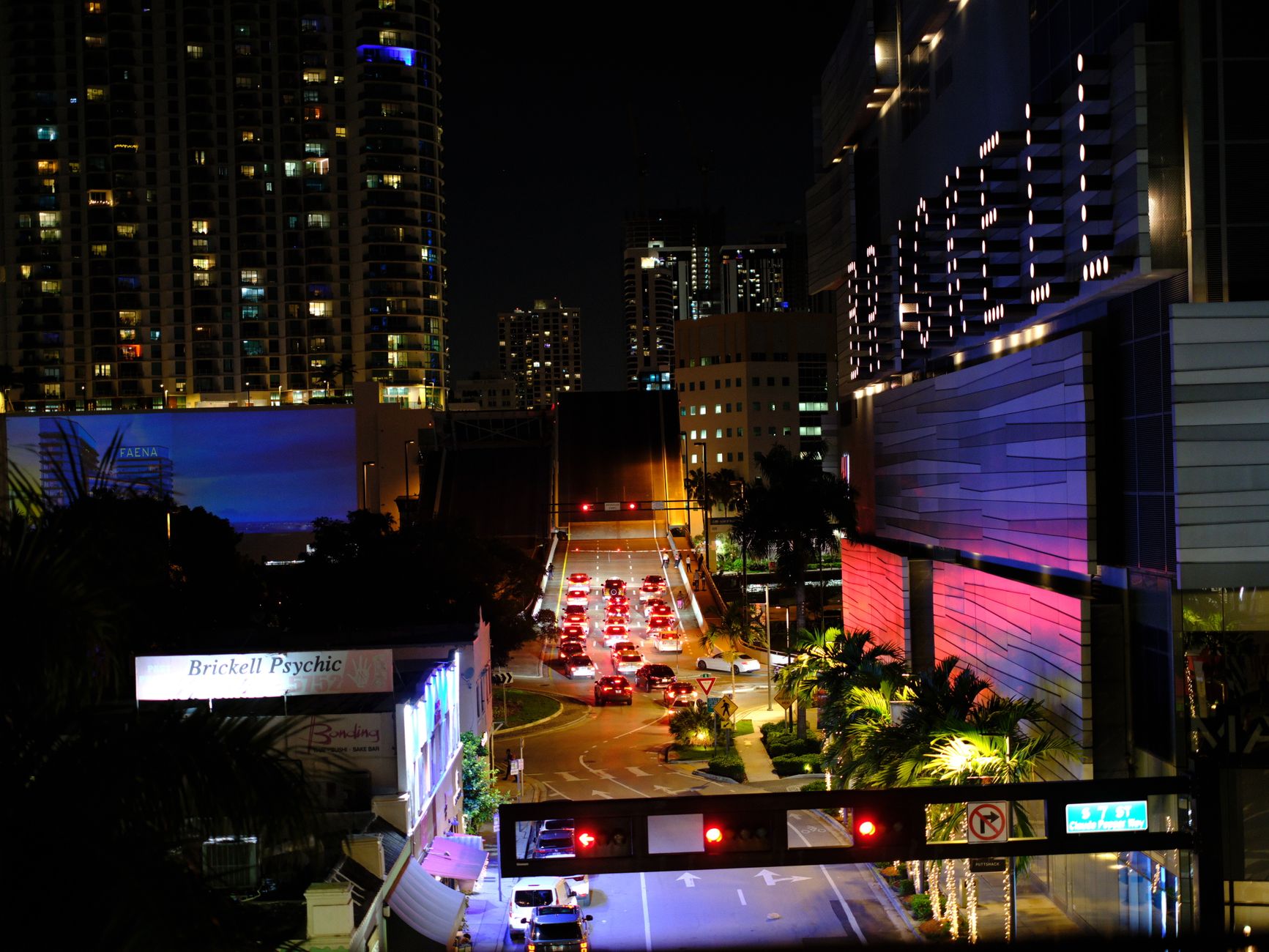
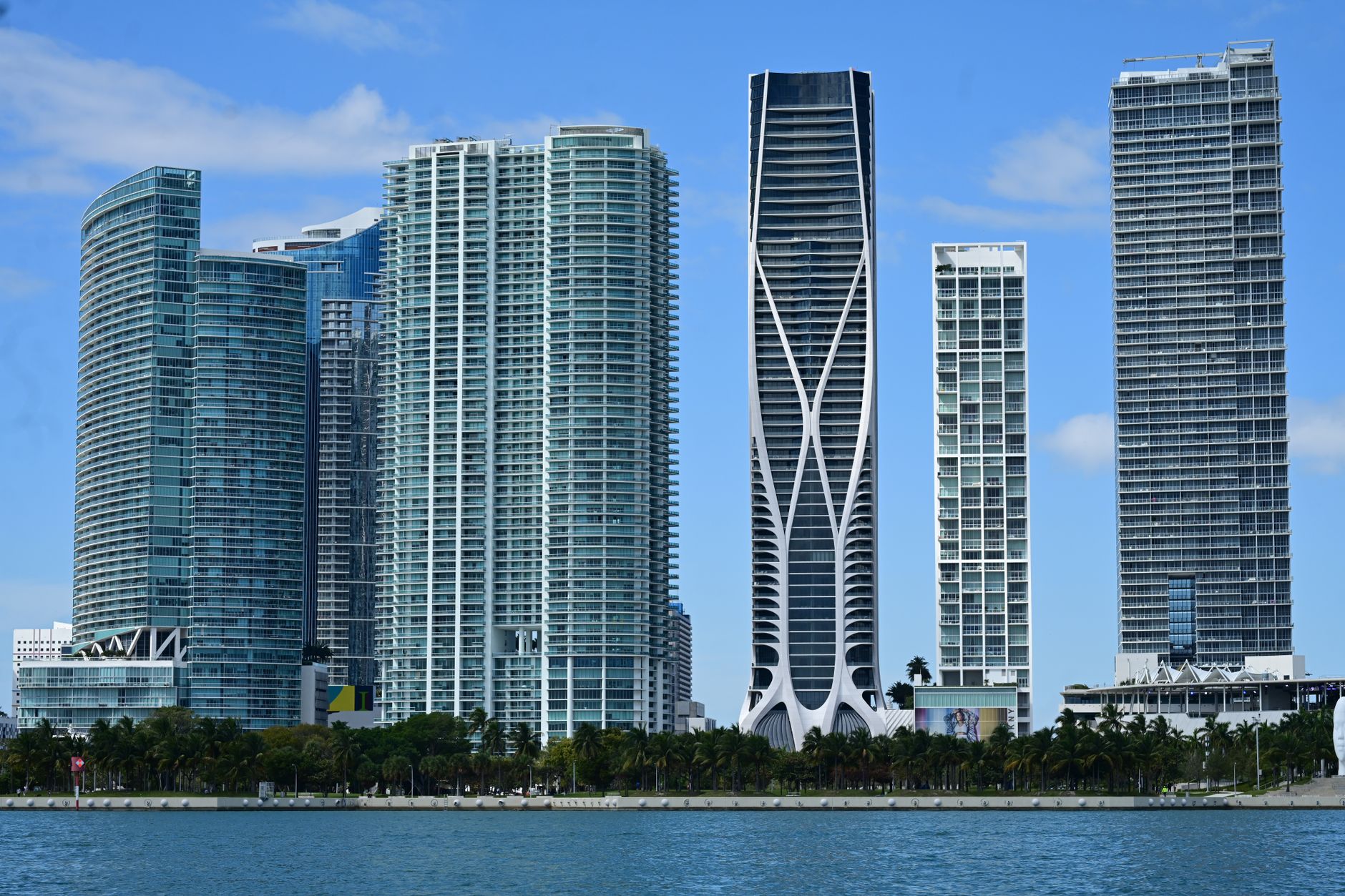
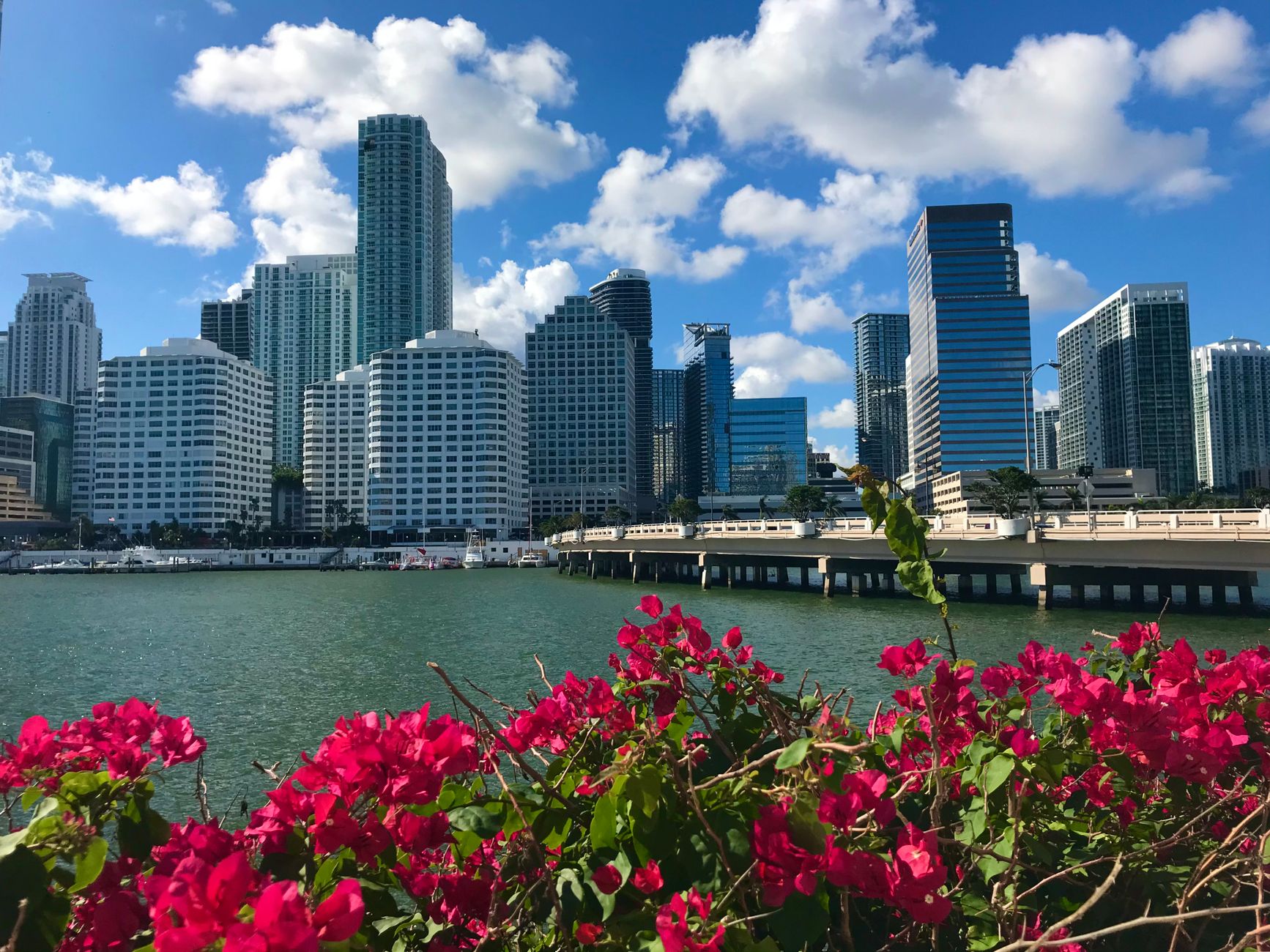
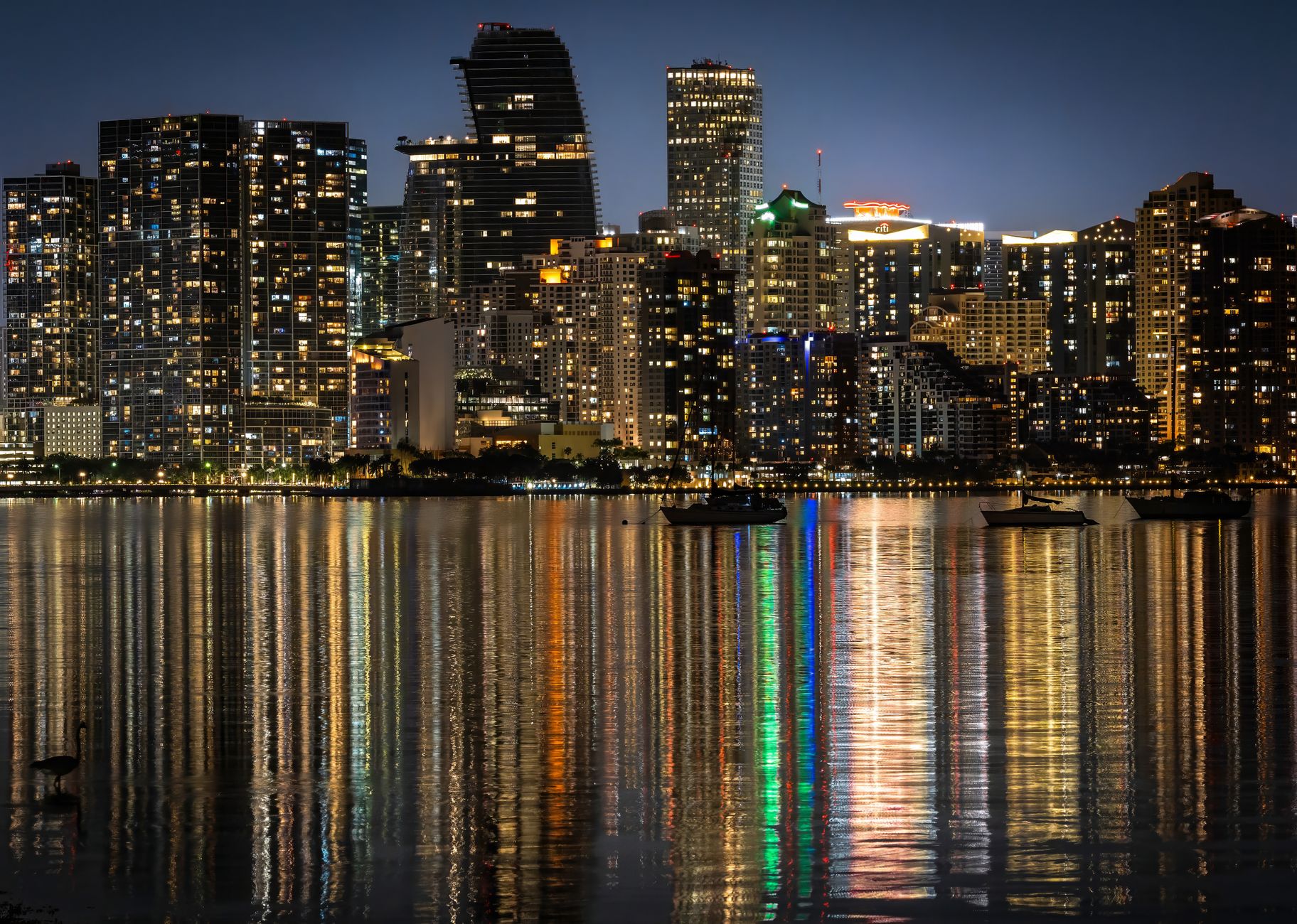
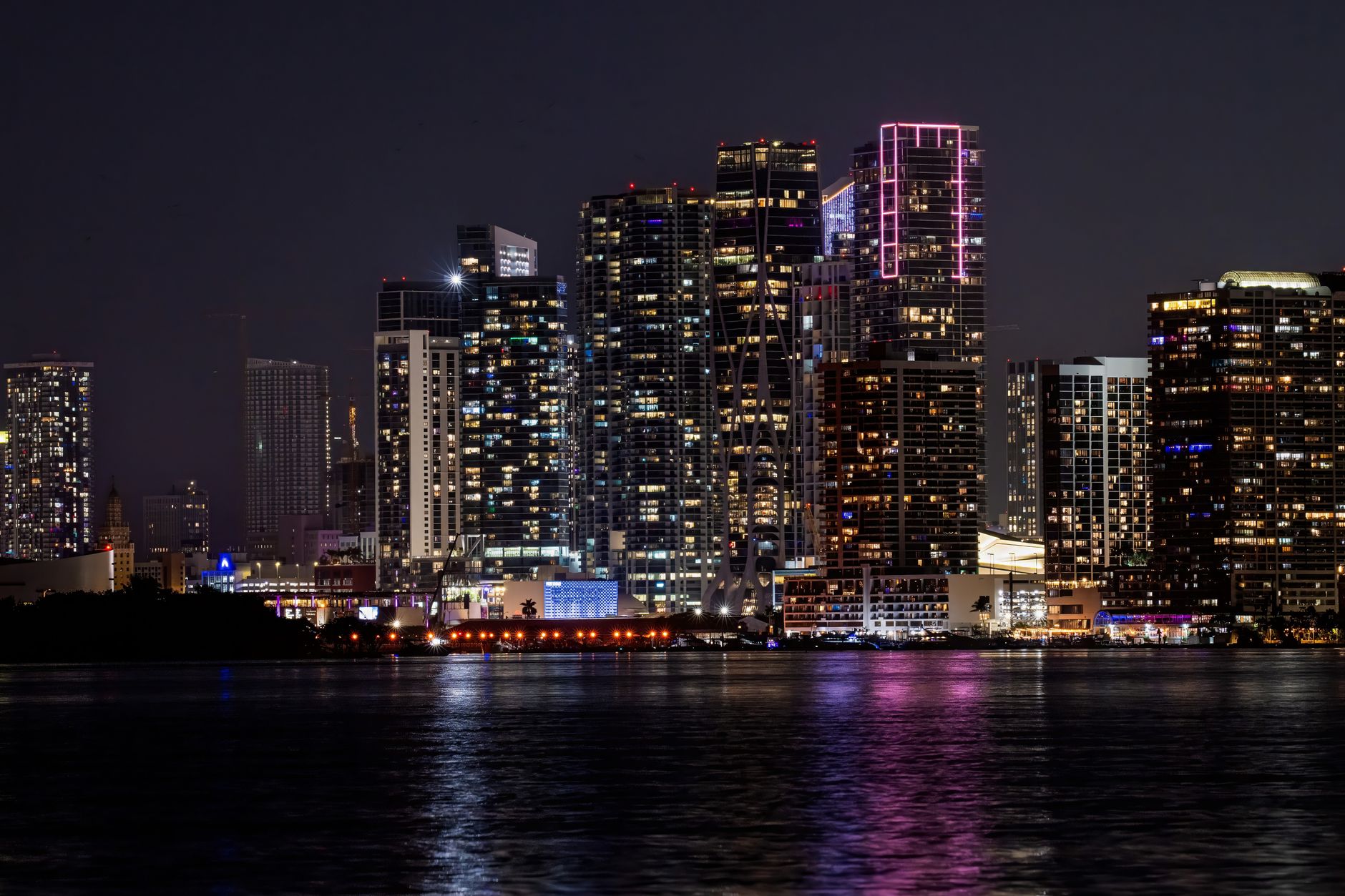
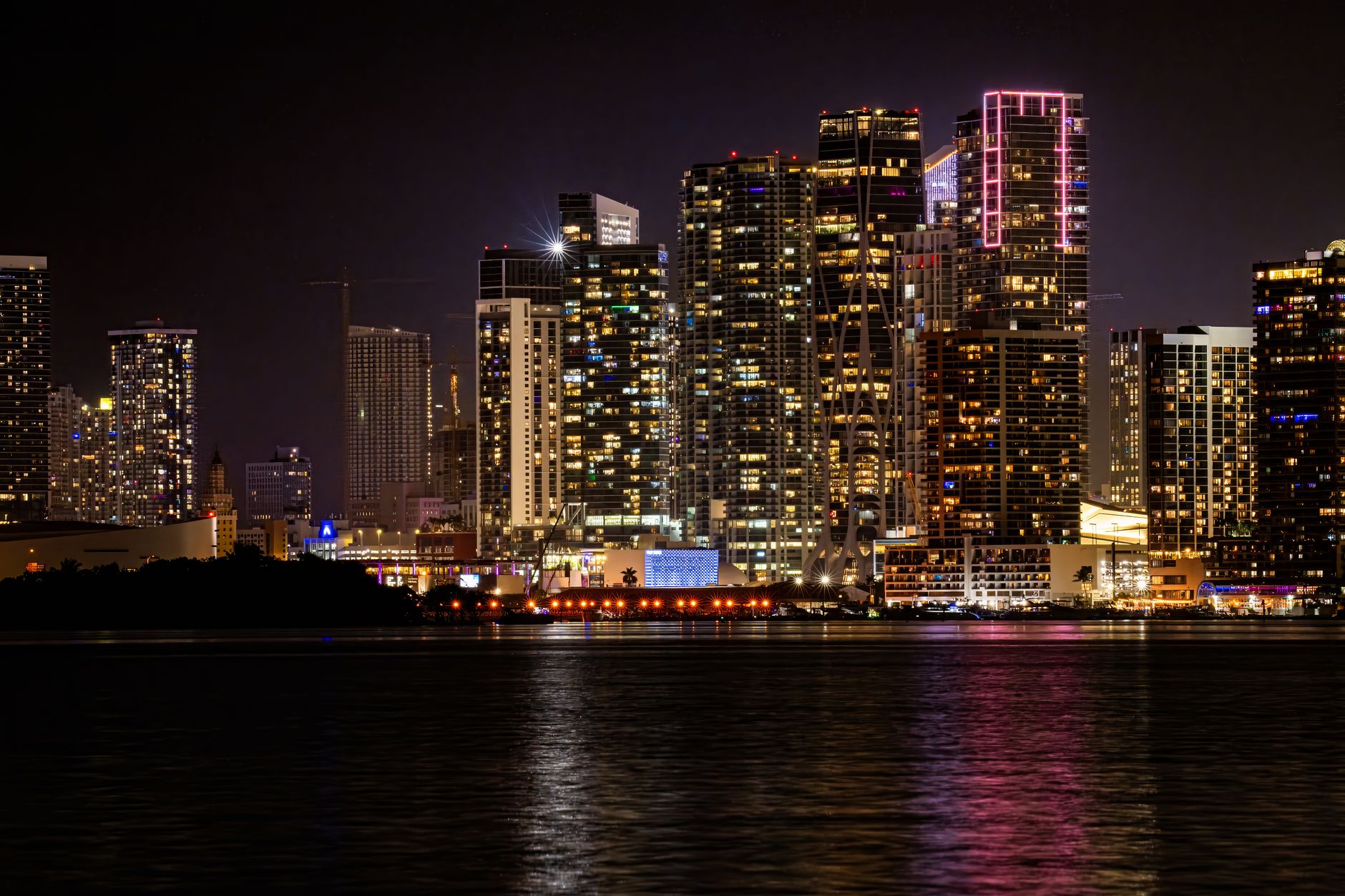
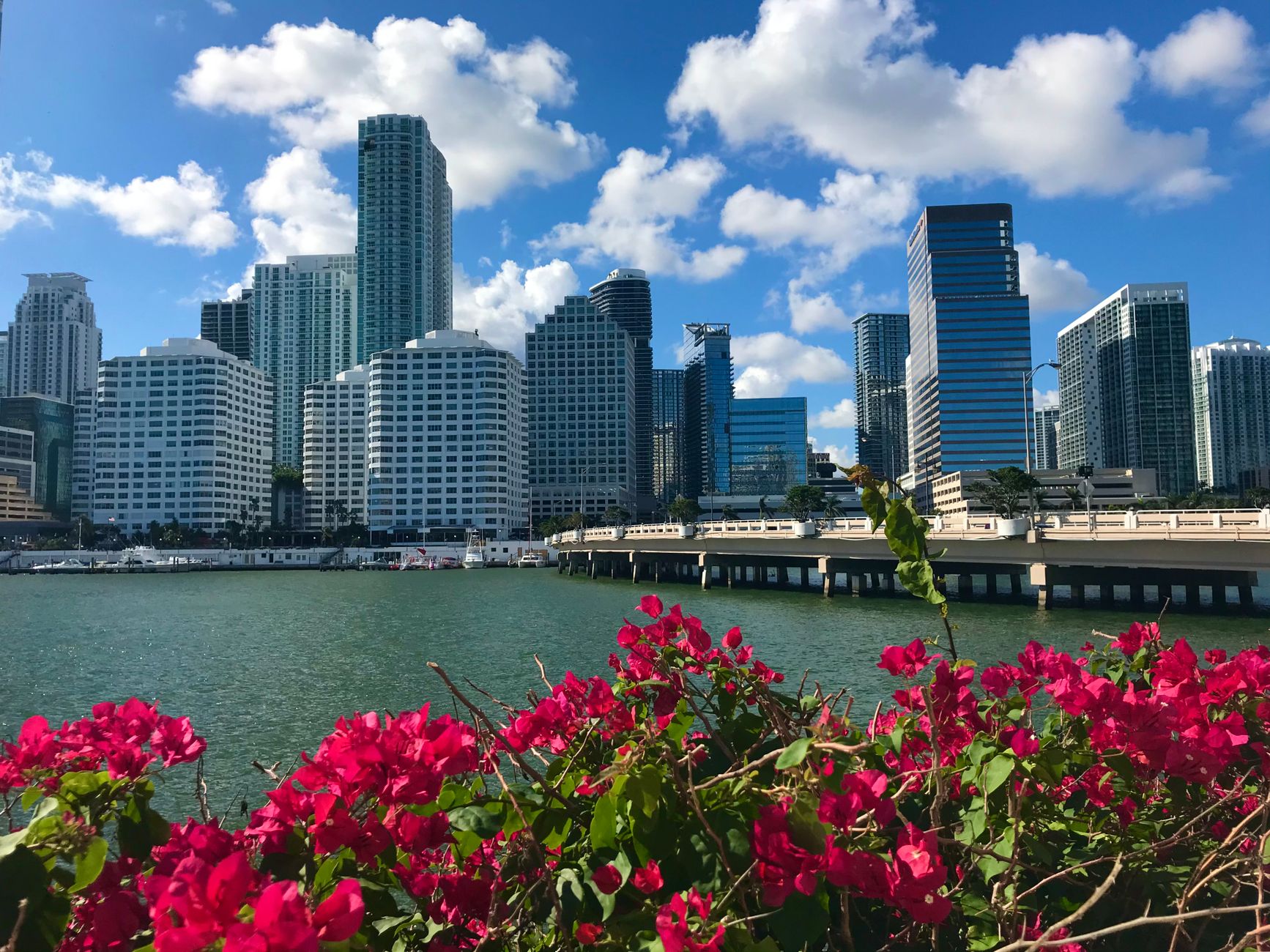
Stand at the edge of Brickell Key Park on a clear morning and you get the full picture at once: Biscayne Bay stretching south, the glass towers of South Florida's densest financial district rising behind you, and somewhere beneath the grass nearby, a 2,000-year-old circle of holes cut into the limestone by the Tequesta people long before any of this existed. That layering — ancient, gilded, then razed, then rebuilt taller — is what makes Brickell worth paying attention to.
Today the neighborhood runs on finance and new construction, but it rewards the curious visitor who looks past the lobby glass. The Metromover runs free between towers every few minutes. Atlantis on Brickell stops you mid-stride. And Simpson Park Hammock, tucked between streets, holds 7.8 acres of gumbo limbo and strangler fig that predate every skyscraper in sight.
💛 What travellers fall for
People who come back tend to get the Metromover rhythm down fast — hop on at Brickell Station, ride the loop for free, get off wherever something catches your eye. They know to cut through Simpson Park Hammock mid-afternoon when the canopy cools everything by several degrees, and they know that Brickell Key's southern tip is quieter than it looks from the bridge.
Experiences you don't want to miss


Deals in Brickell
Book directly at the provider

How Brickell came to be
William and Mary Brickell arrived by ship from Cleveland in 1871, settling on the south bank of the Miami River near the old Fort Dallas site, where they opened a trading post and post office. William joined Julia Tuttle as a co-founder of Miami; after his death in 1908, Mary became one of the city's more consequential real estate figures, laying out a subdivision of broad, landscaped avenues between 1910 and 1919. For a time the avenue that bears the family name was lined with mansions and called Millionaire's Row.
By the 1970s those mansions were coming down for office towers, and the 1980s brought a commercial construction boom that reshaped Brickell into the dense, vertical neighborhood it is now. In 1998, during a construction dig, workers uncovered the Miami Circle — a 38-foot ring of 24 holes cut into bedrock, now understood to be a Tequesta structure roughly 2,000 years old. The site is preserved where it was found.
Who and what shaped it
People who shaped it
Landmark buildings
See Brickell in motion
Plan your visit
On the map
When to go
Miami's subtropical climate means Brickell is warm year-round, but the stretch from roughly November through April brings lower humidity and temperatures in the mid-70s Fahrenheit — the most comfortable window for walking the neighborhood. Summer brings genuine heat, daily afternoon downpours, and humidity that makes the shade of Simpson Park Hammock feel earned.
Right now
Background & history adapted from Wikipedia (CC BY-SA) · specs from Wikidata (CC0) · weather from Open-Meteo · map data © OpenStreetMap contributors · photos from Wikimedia Commons / Unsplash with per-image credit. No third-party reviews or social posts reproduced.