
South Beach
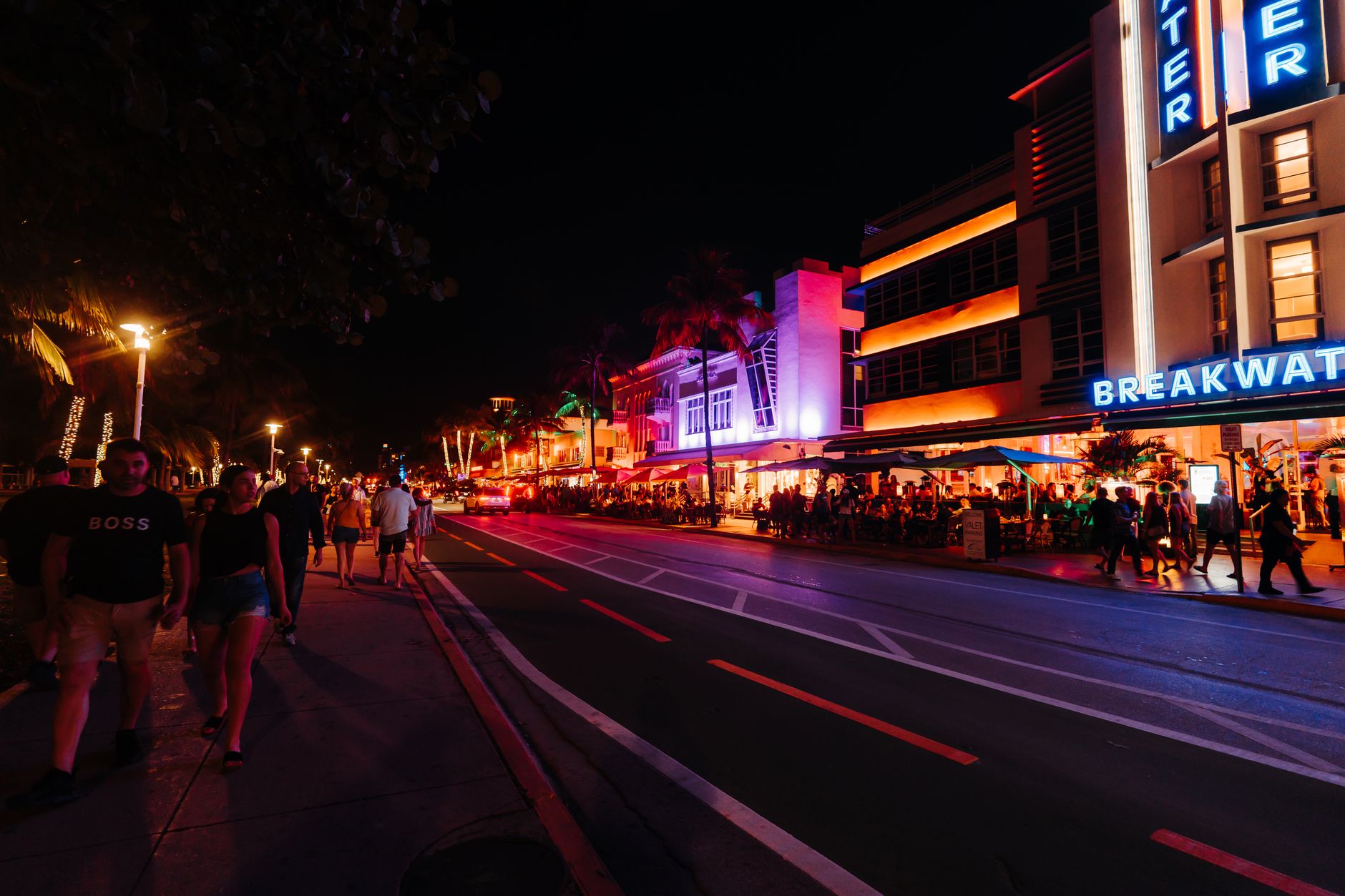
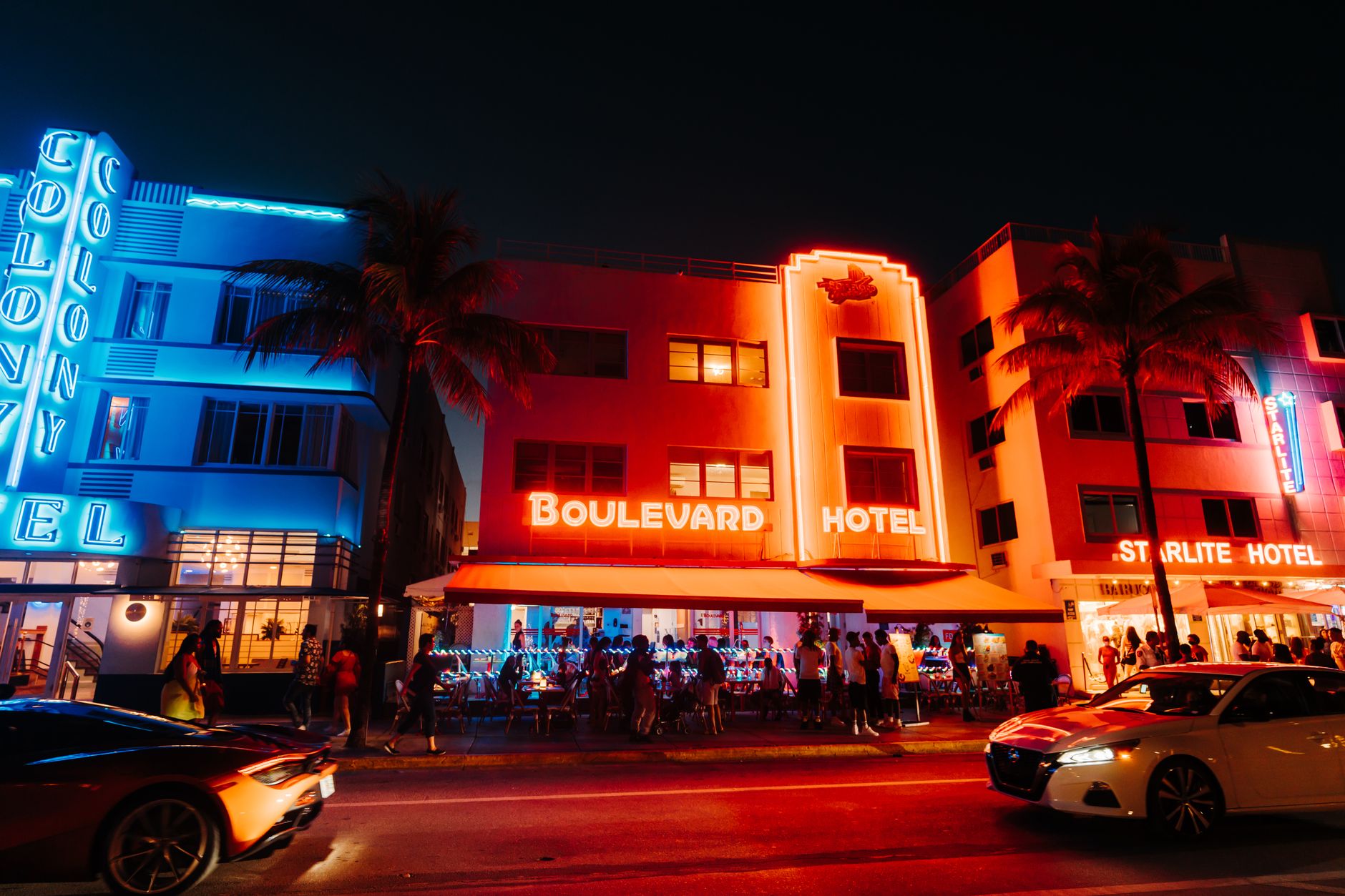
The first thing you notice on Ocean Drive is the geometry — curved corners, porthole windows, racing stripes of concrete frozen in motion. Over 800 buildings constructed between 1923 and 1943 line the streets of South Beach, forming the largest concentration of Art Deco architecture in the country. They survived neglect, hurricanes, and decades as a retirement enclave before anyone thought to protect them.
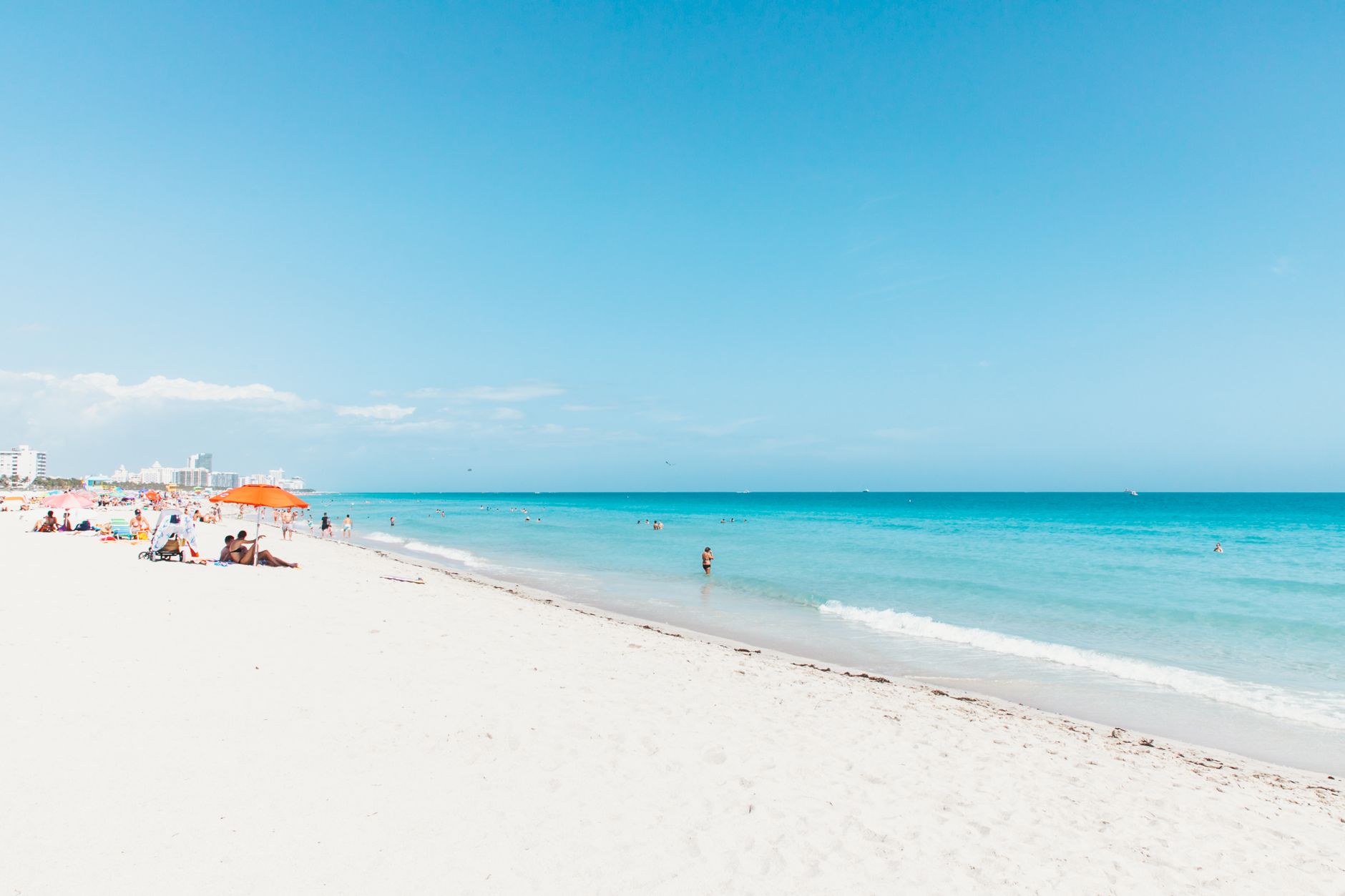
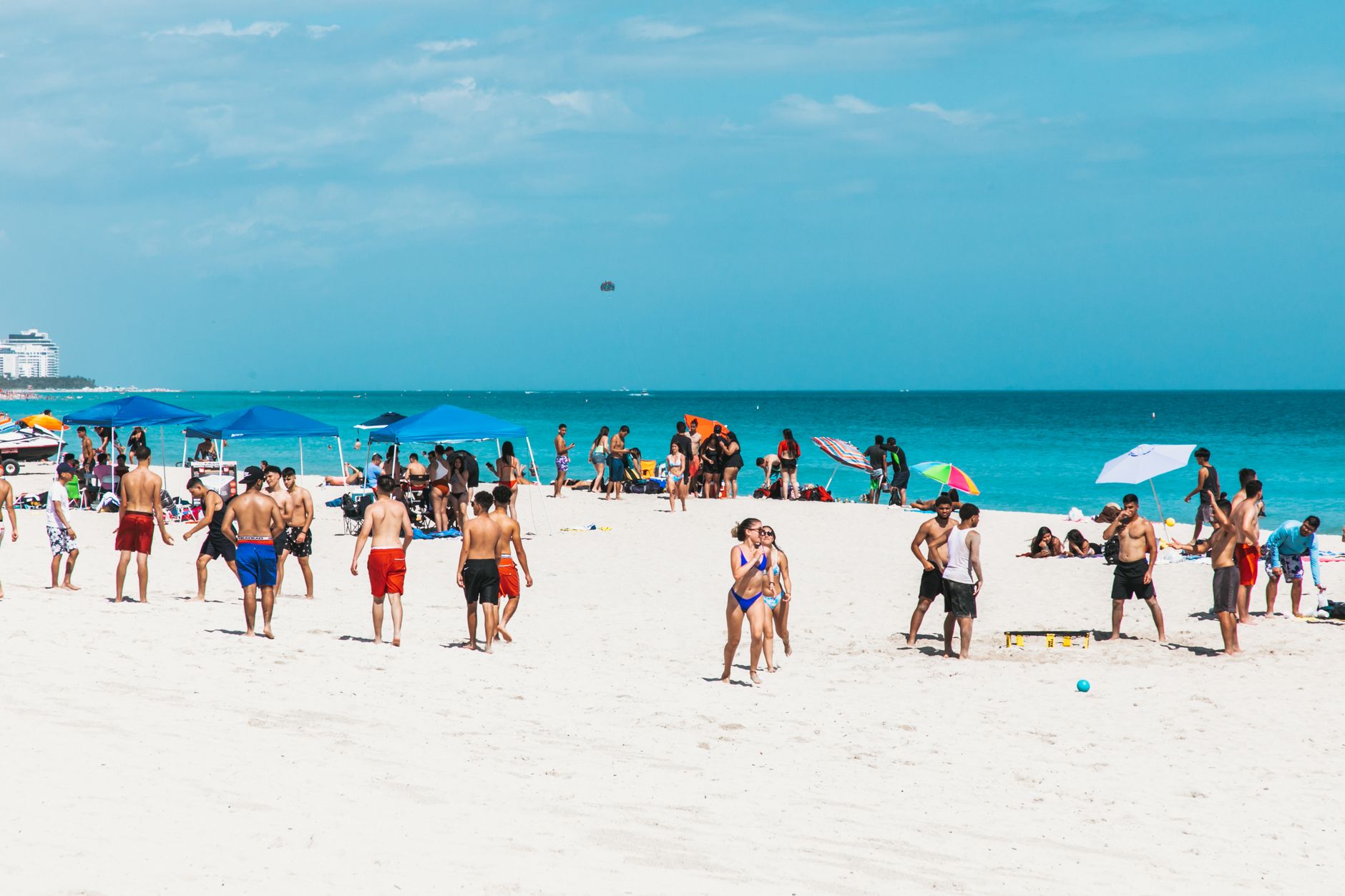
Today the neighborhood runs on two distinct rhythms: the daytime one belongs to the beach and the buildings, the evening one to the restaurants and bars that animate those same pastel facades. Both are worth your time, though you don't have to do them simultaneously.
💛 What travellers fall for
People who keep coming back tend to start at the Art Deco Welcome Center at 1001 Ocean Drive before the heat sets in — the 10:30 a.m. walking tour earns its two hours. They also tend to seek out the National Hotel's infinity pool and the quiet interior of the old Beth Jacob Synagogue on Washington Avenue, now the Jewish Museum of Florida-FIU.
Deals in South Beach
Book directly at the provider


How South Beach came to be
Henry and Charles Lum bought 165 acres here in 1870 to grow coconuts, and the land largely sat until Carl G. Fisher, the Lummus Brothers, and John S. Collins began developing it in the 1910s. Collins and Fisher completed a bridge from Miami to the beach in 1913 — then the longest wooden bridge in the world. The 1926 hurricane flattened much of what had been built, which turned out to be the district's architectural salvation: the rebuilding happened in the Art Deco moment, and the style took hold.
By the late 1970s the neighborhood had become a retirement community shadowed by the cocaine trade. It was Barbara Baer Capitman who pushed to place nearly a square mile of South Beach on the National Register of Historic Places in 1979 — the first urban 20th-century district in the country to earn that designation. Interior designer Leonard Horowitz then devised the now-iconic pastel color palette in the 1980s, making the architecture impossible to ignore.
Who and what shaped it
People who shaped it
Landmark buildings
See South Beach in motion
Plan your visit
On the map
When to go
December through April is the window most visitors aim for — temperatures sit in the mid-70s to low 80s Fahrenheit, with low humidity and clear skies. Summer brings genuine heat and afternoon downpours that can arrive without much warning; the trade-off is smaller crowds and lower prices.
Right now
Background & history adapted from Wikipedia (CC BY-SA) · specs from Wikidata (CC0) · weather from Open-Meteo · map data © OpenStreetMap contributors · photos from Wikimedia Commons / Unsplash with per-image credit. No third-party reviews or social posts reproduced.