
Coral Gables
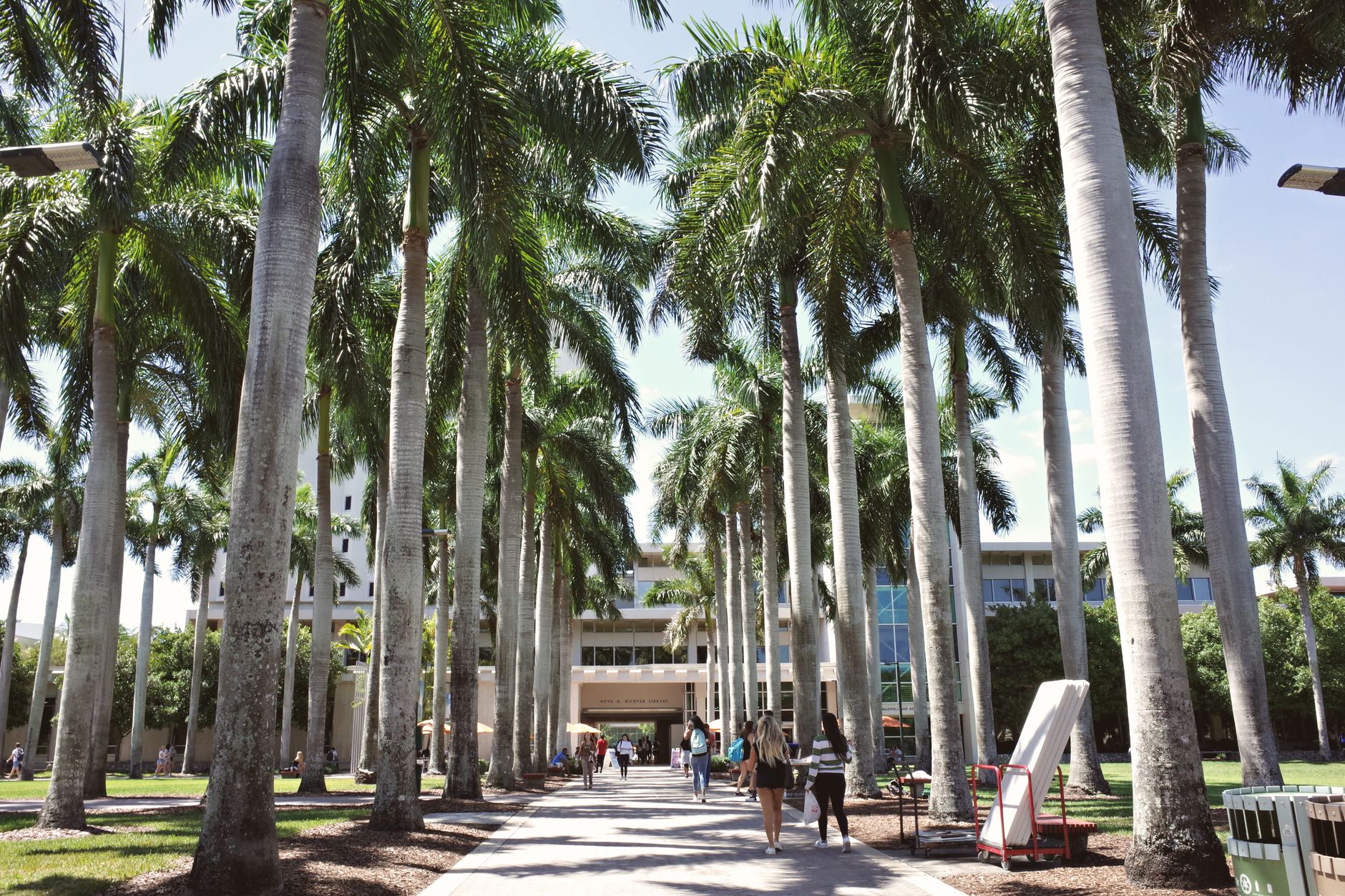
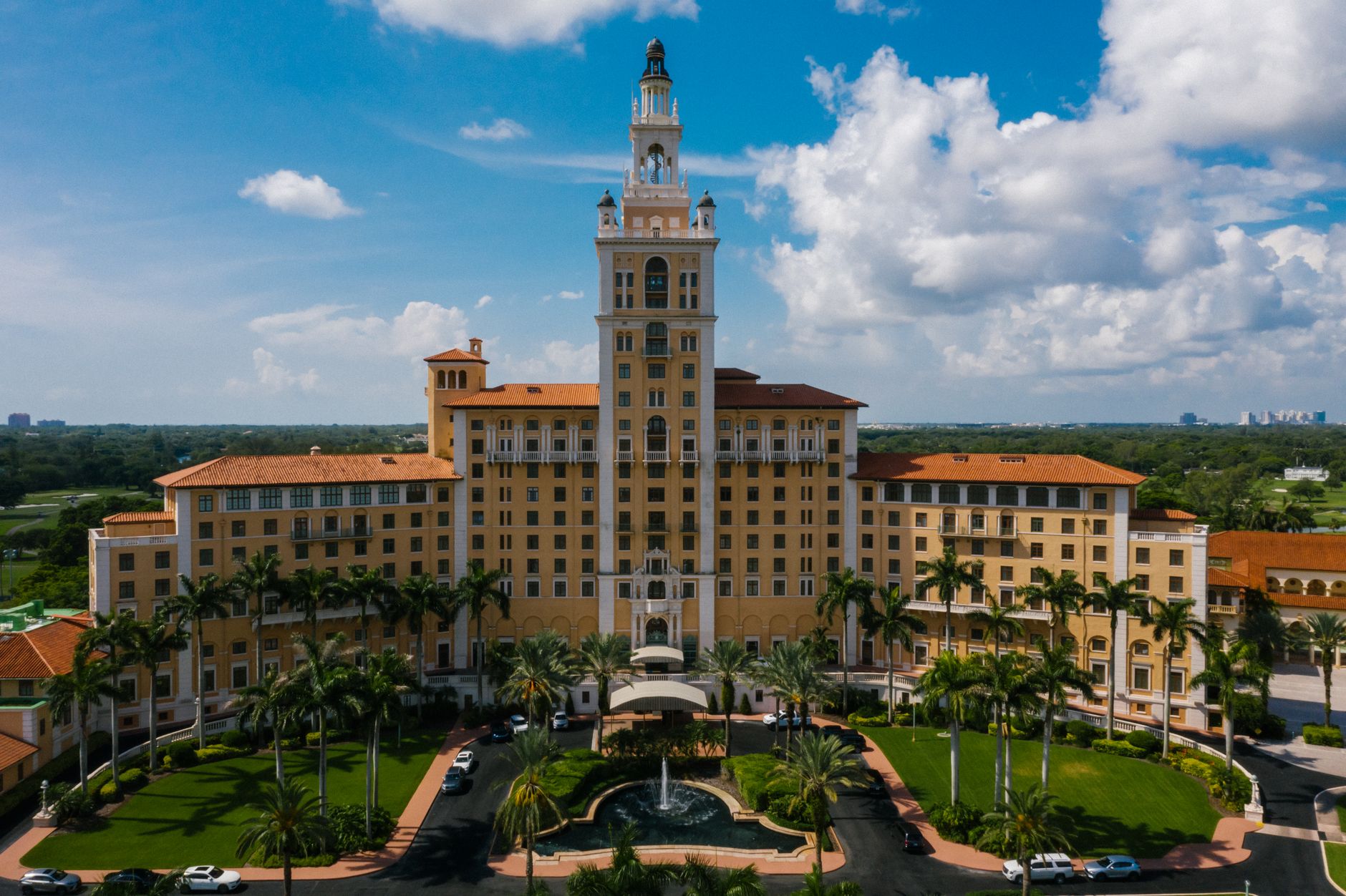
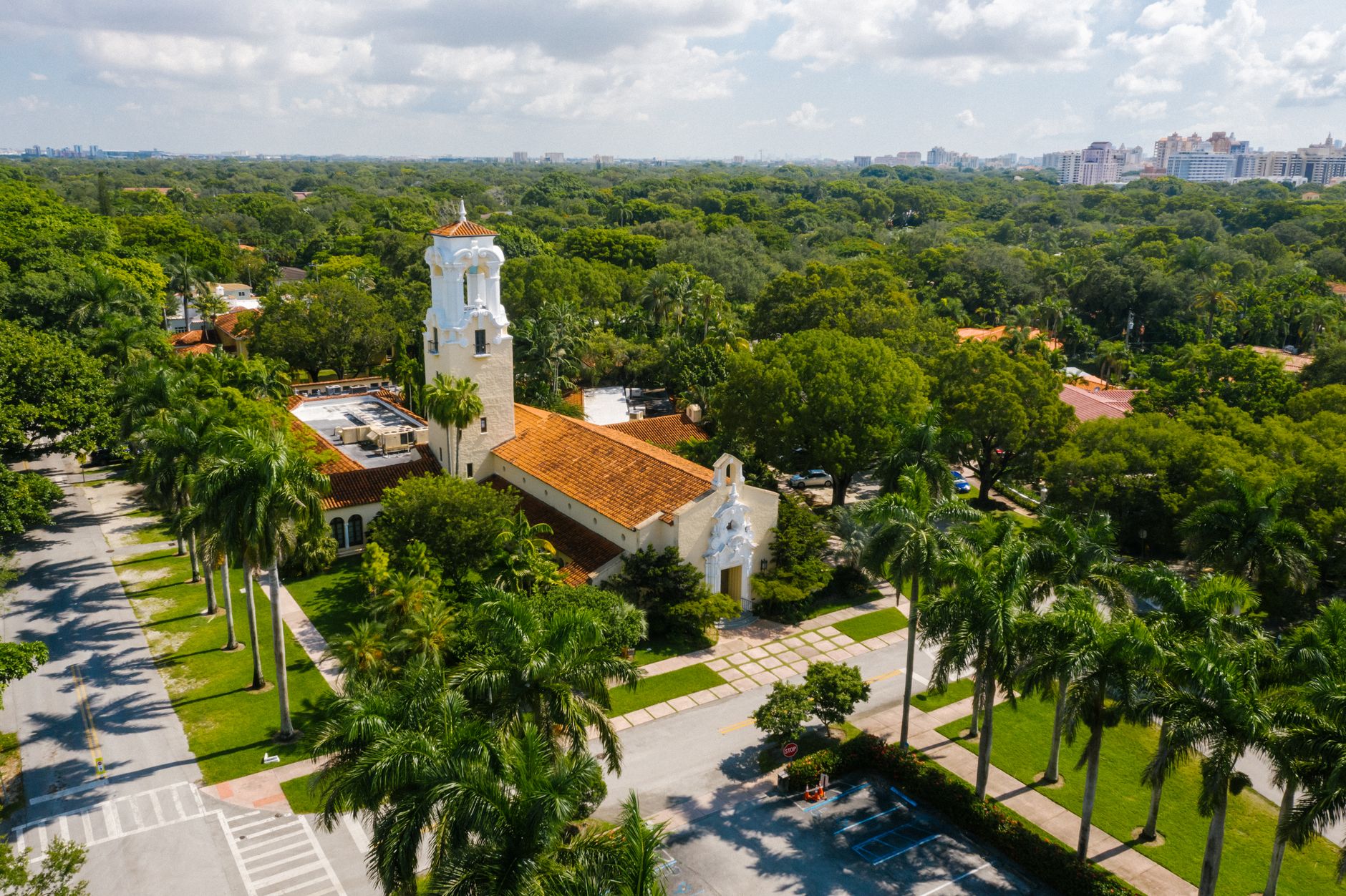
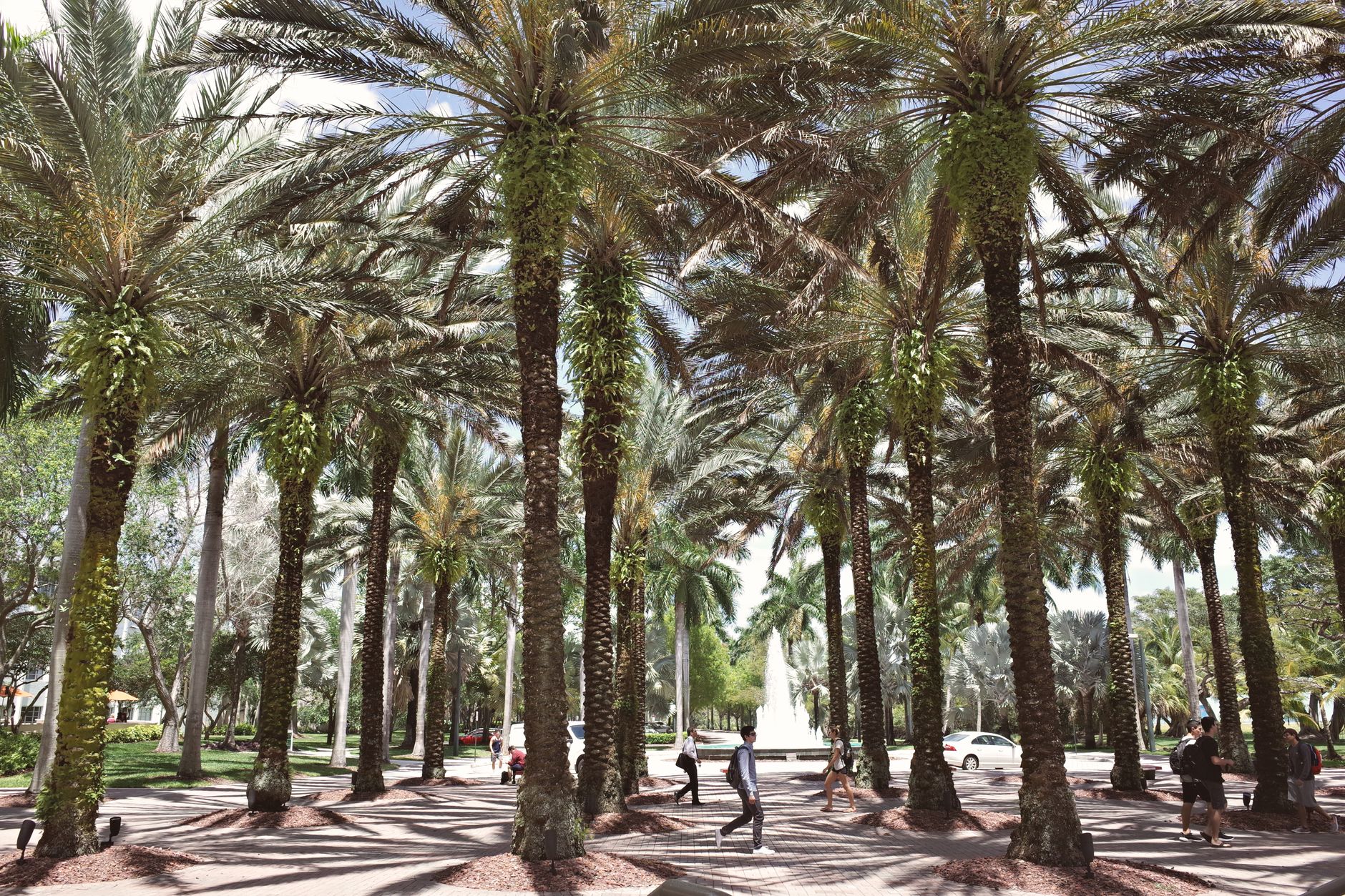
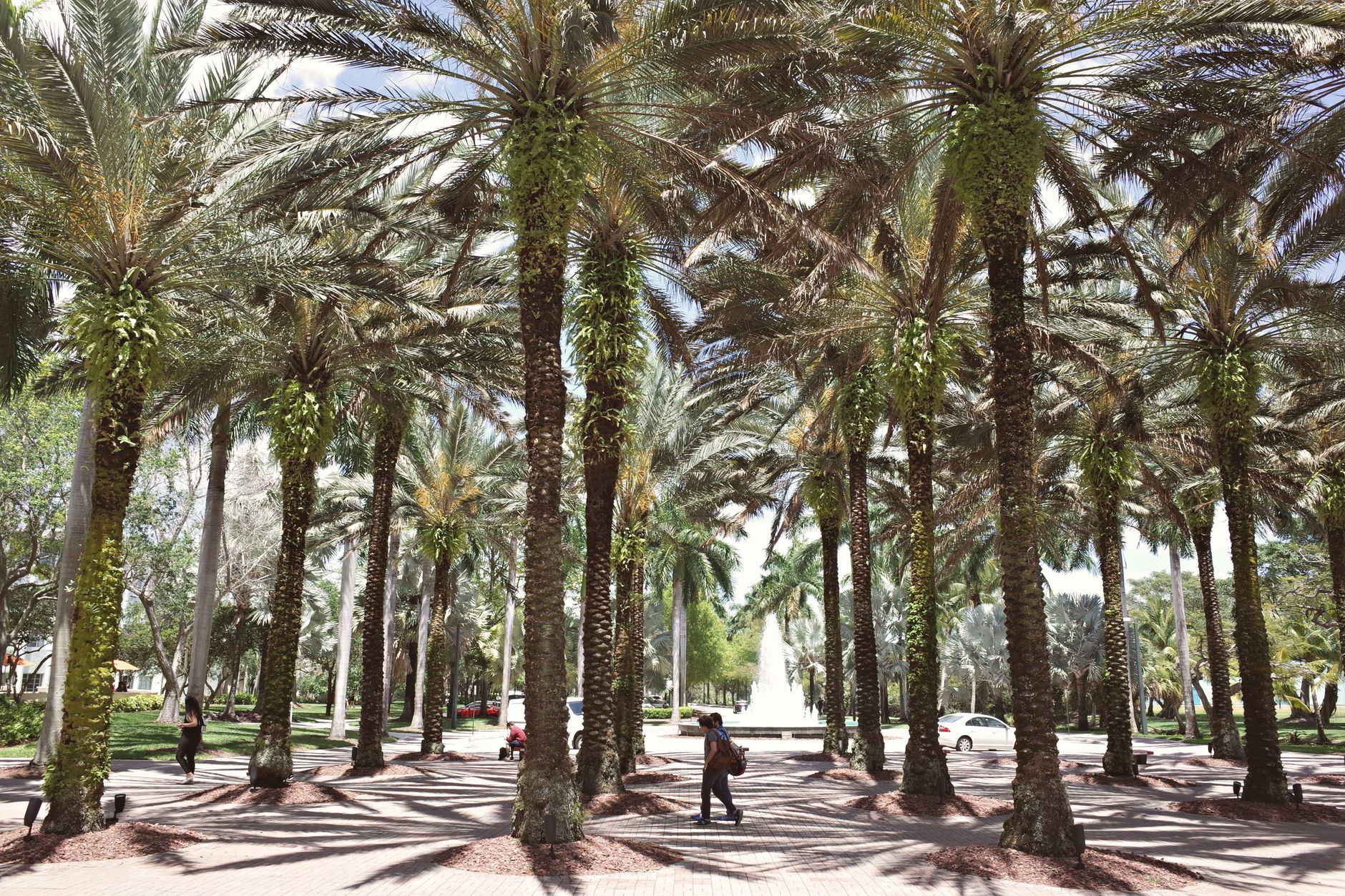
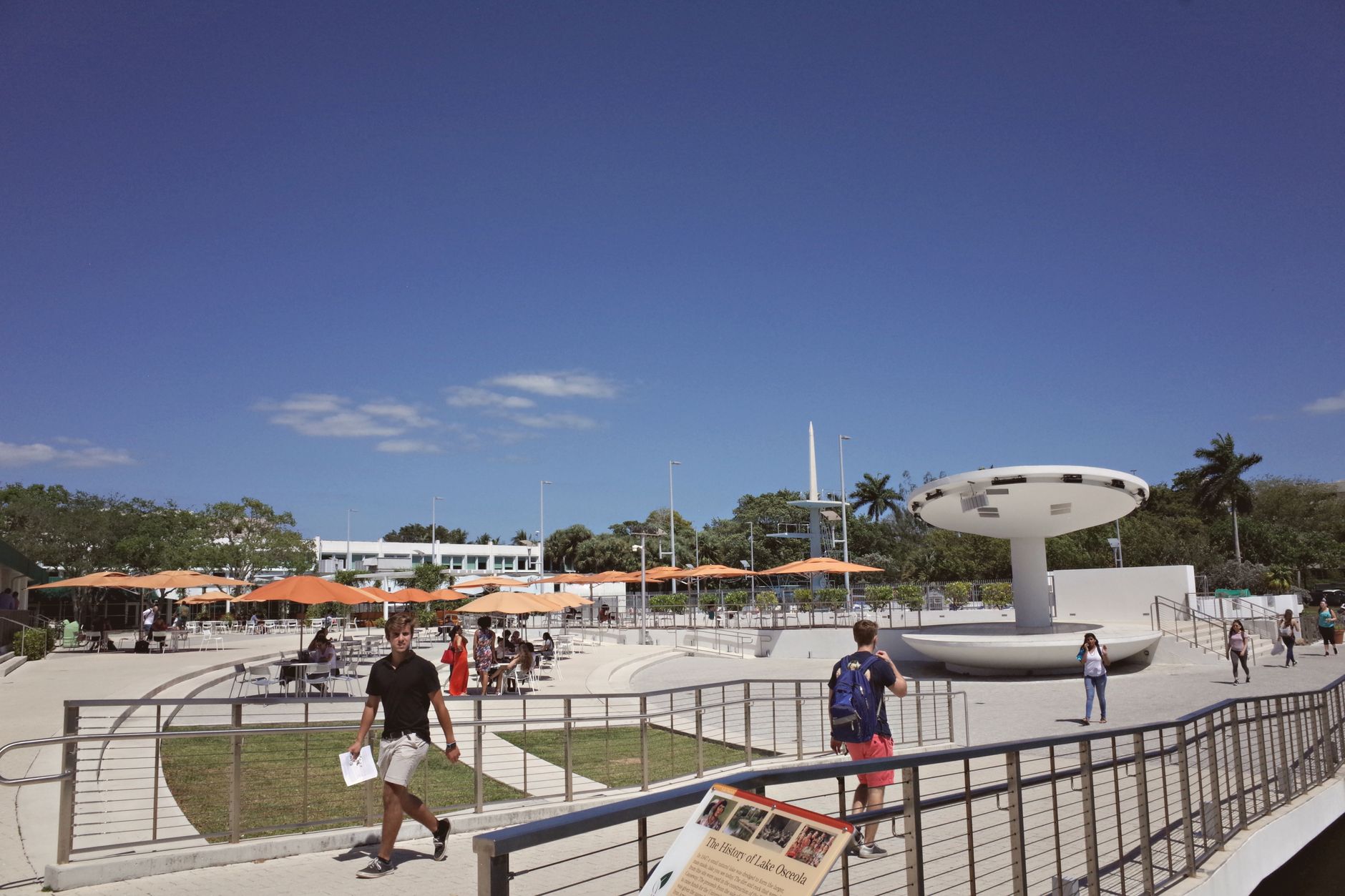
Coral Gables is a city that was drawn on paper before a single house went up — every street, every entrance gate, every Mediterranean roofline planned in advance by a developer who genuinely believed he was building something lasting. George Merrick sold the first lots in 1921 and incorporated the city four years later, and the bones of what he imagined are still legible today: limestone walls, terracotta tile, a quarry turned swimming pool, a hotel tower you can see from miles out.
Walking the streets here, you notice the coherence. The architecture doesn't fight itself. That's rare anywhere, and in South Florida it's almost startling.
💛 What travellers fall for
People who come back tend to anchor themselves at the Venetian Pool in the morning, before the crowds arrive, and find a table on Giralda Avenue in the evening. The free trolley becomes second nature by day two — catch it at Douglas Road off the Metrorail Orange Line and you won't need a car for most of what matters.
Deals in Coral Gables
Book directly at the provider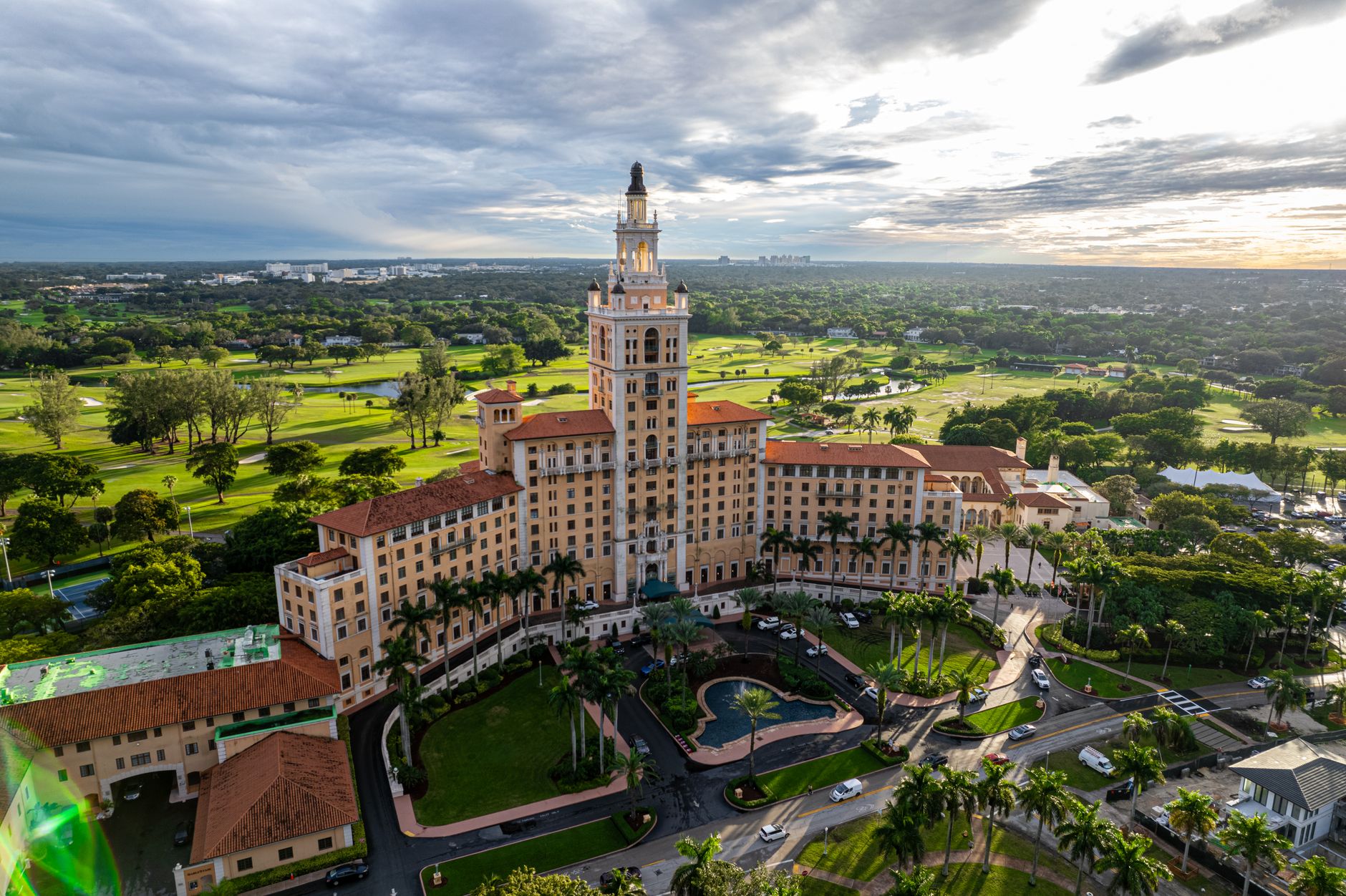

How Coral Gables came to be
George Merrick, a Pennsylvania-born developer, had the entire city mapped by early 1921. His family home — built from Miami limestone with coral-colored roof tile — gave the place its name, and he recruited his uncle, artist Denman Fink, as Art Director for the Coral Gables Corporation. Architects Phineas Paist and Schultze and Weaver shaped its civic and grand structures respectively. By October 1926, more than 4,000 buildings represented an investment of $150 million.
Then the 1926 hurricane hit and dismantled much of what had just been built. Merrick pushed on regardless, though the city's momentum never fully recovered its pre-storm pace. The Miami-Biltmore Hotel, opened January 15, 1926, survived and still stands. Coral Gables passed its first preservation ordinance in 1973 — early enough to protect the Mediterranean Revival fabric that Merrick had staked everything on.
Who and what shaped it
People who shaped it
Landmark buildings
See Coral Gables in motion
Plan your visit
On the map
When to go
Winters are short and comfortable, with highs around 73°F in January and mostly clear skies — genuinely pleasant for walking. Summers run long, hot, and wet, with temperatures climbing to 90°F and afternoon downpours arriving with near-daily reliability from June through September.
Right now
Background & history adapted from Wikipedia (CC BY-SA) · specs from Wikidata (CC0) · weather from Open-Meteo · map data © OpenStreetMap contributors · photos from Wikimedia Commons / Unsplash with per-image credit. No third-party reviews or social posts reproduced.