
Lesaka
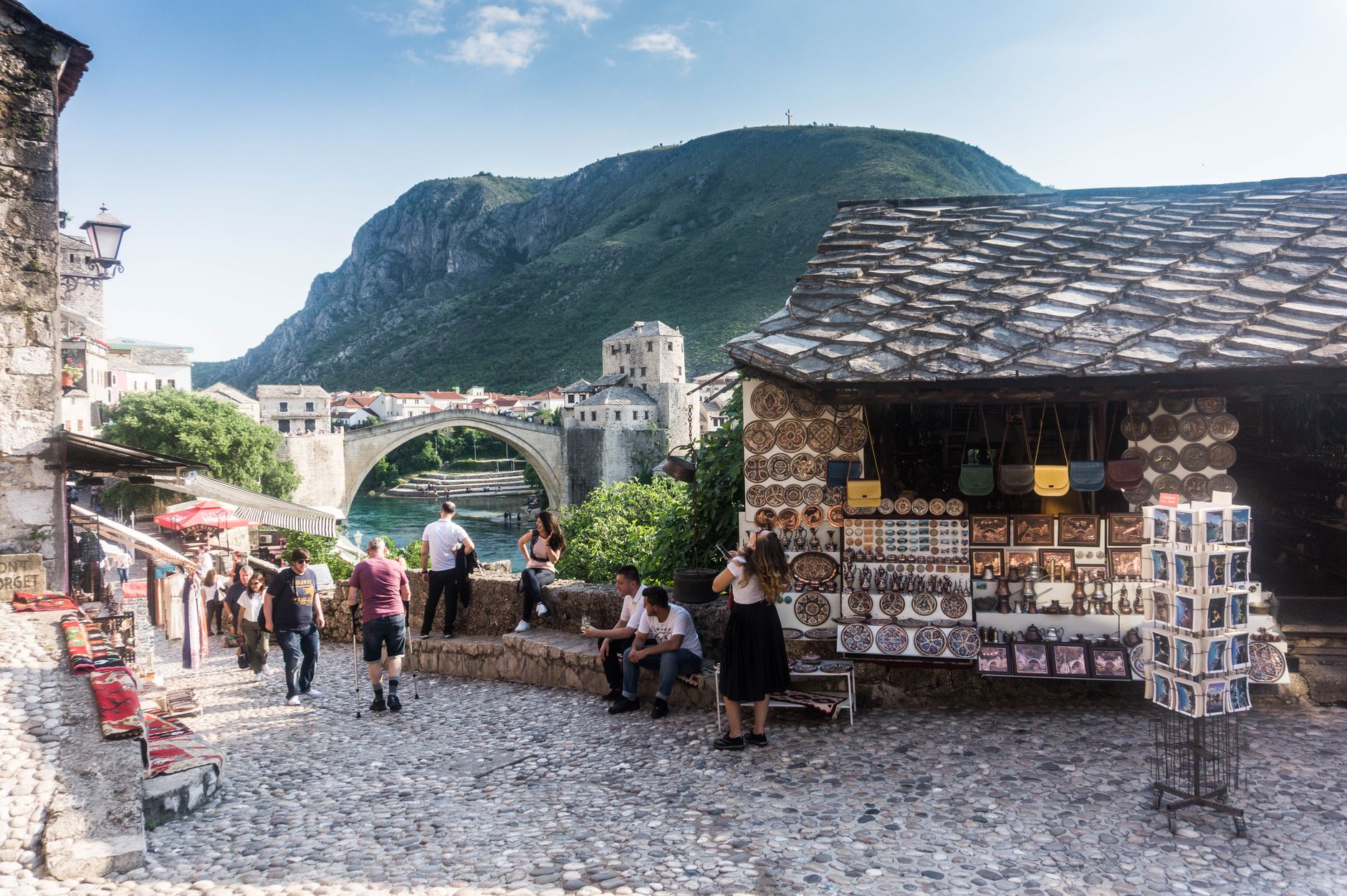
Lesaka sits in the green folds of northern Navarre where Basque is the language of the street and the Onín River divides the town into thirteen neighbourhoods. The thing that stops you first is San Martín de Tours — a parish church built across three centuries that somehow holds together, its late Gothic interior giving way to a Rococo altarpiece by Tomás Jauregui, the whole thing scaled more like a cathedral than a village church.
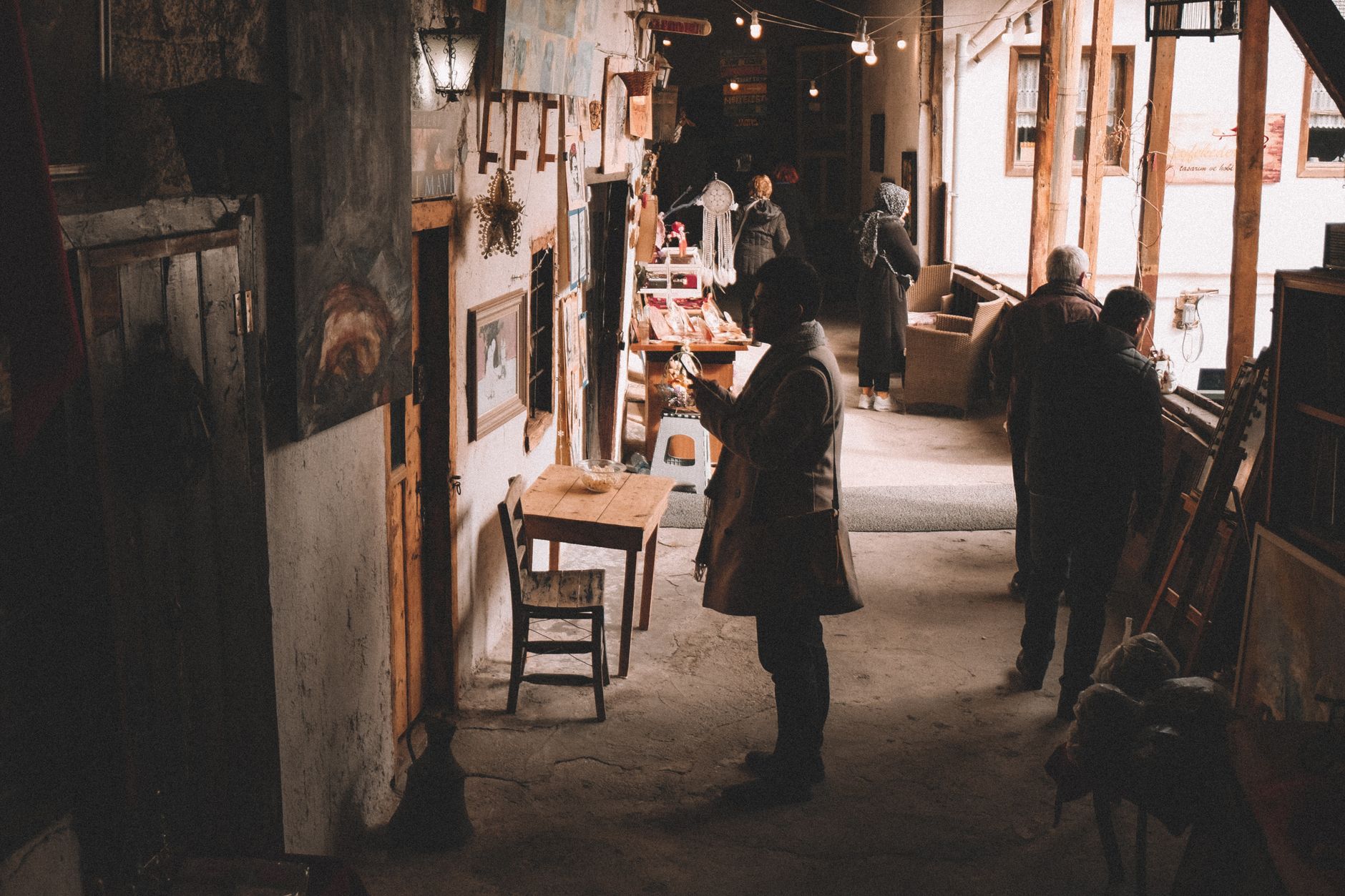
The town earned its early reputation through iron. Forges, flour mills, cider workshops and carpentry sheds from the 18th century still stand here, a trace of the heavy industry that made Lesaka matter long before anyone thought to visit. Traditional stone farmhouses line the cobbled streets, their carved windows and doors worn smooth by a few hundred years of Atlantic rain.
💛 What travellers fall for
People who come back tend to walk the Bidasoa Greenway — 42 flat kilometres along the old Tren Txikito rail bed, the small train that ran from 1916 to 1956. Do it in the morning before the clouds decide what they want to do. Then find the stone bridge by the Kaxerna Tower and watch the Onín from it for a while.
Experiences you don't want to miss



Deals in Lesaka
Book directly at the provider


How Lesaka came to be
The first written reference to Lesaka appears in 1203, though the urban centre only took shape in the early 14th century. Formal founding came in 1402. What gave the town its particular identity was iron: Lesaka became the region's first site of heavy industry, its forges and mills drawing workers and trade into this river valley long before roads made the journey easy.
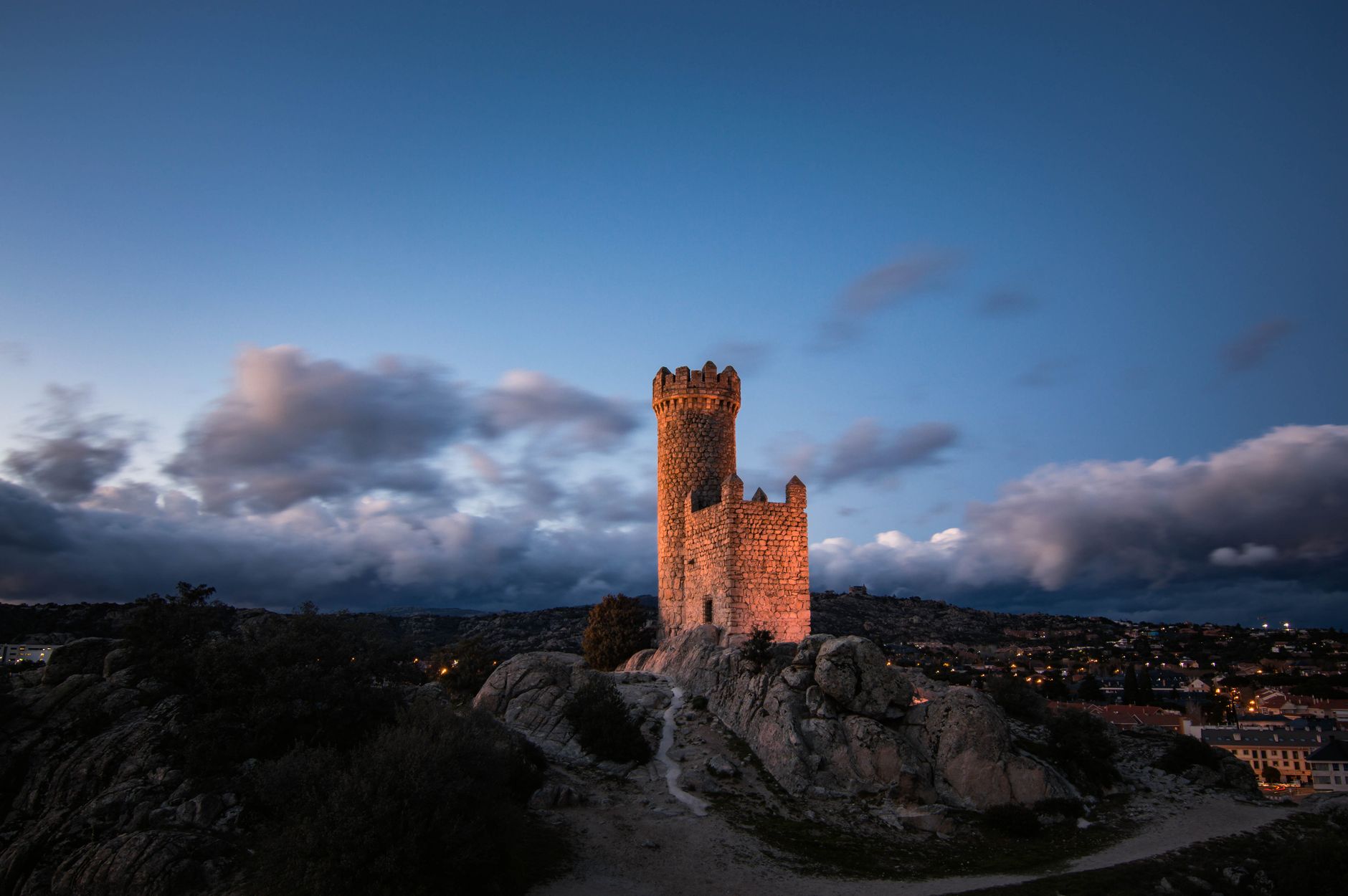
The 14th-century Minyurinea Tower is the oldest structure still standing; the Kaxerna Tower and its adjacent stone bridge over the Onín define the town's historic silhouette. A 15th-century stone palace, a Carmelite convent from the 18th century, and two rural hermitages fill out the layers. In the 1960s, Orson Welles used the upper floor of a 16th-century local farmhouse as a set for his film *Falstaff*.
Who and what shaped it
People who shaped it
Landmark buildings
See Lesaka in motion
Plan your visit
On the map
When to go
Summer (June to August) is the clearest and driest season, with daytime temperatures around 23–27°C — the sensible window for walking the greenway or attending the July festival. The rest of the year is genuinely wet; Lesaka receives over 1,600 mm of rain annually, so a waterproof layer earns its place in the bag any time outside high summer.
Right now
Background & history adapted from Wikipedia (CC BY-SA) · specs from Wikidata (CC0) · weather from Open-Meteo · map data © OpenStreetMap contributors · photos from Wikimedia Commons / Unsplash with per-image credit. No third-party reviews or social posts reproduced.