
Dubai, UAE
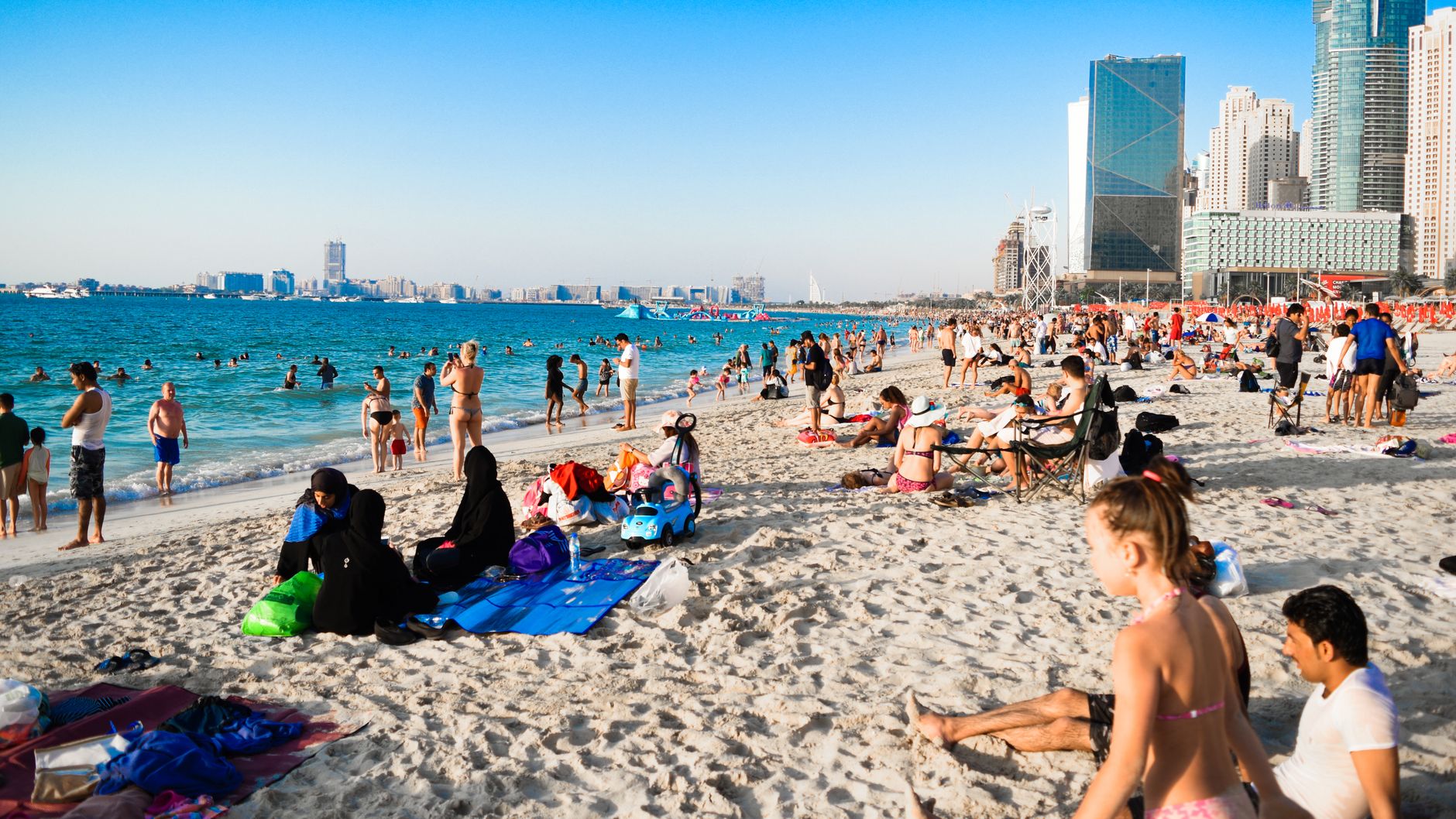
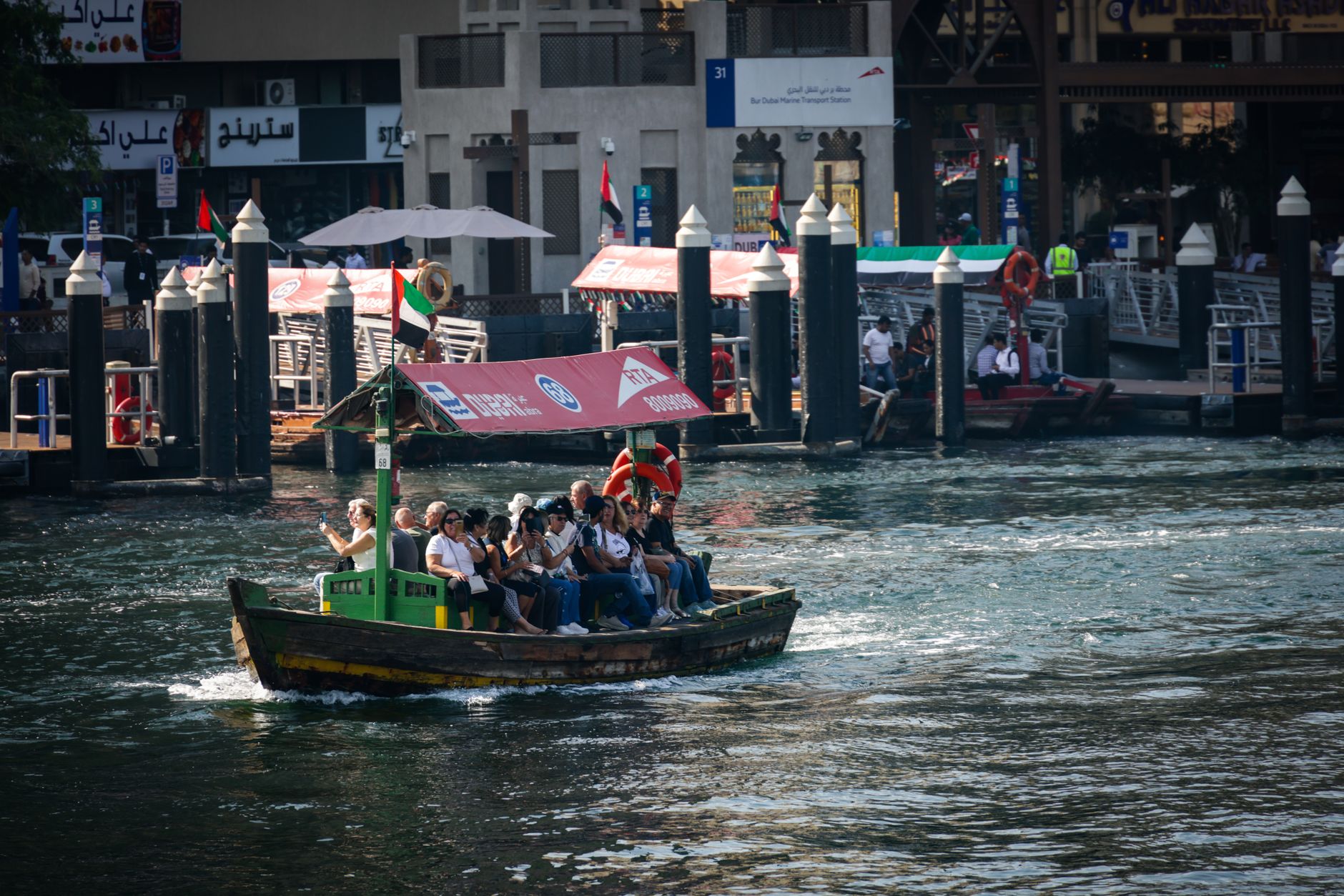
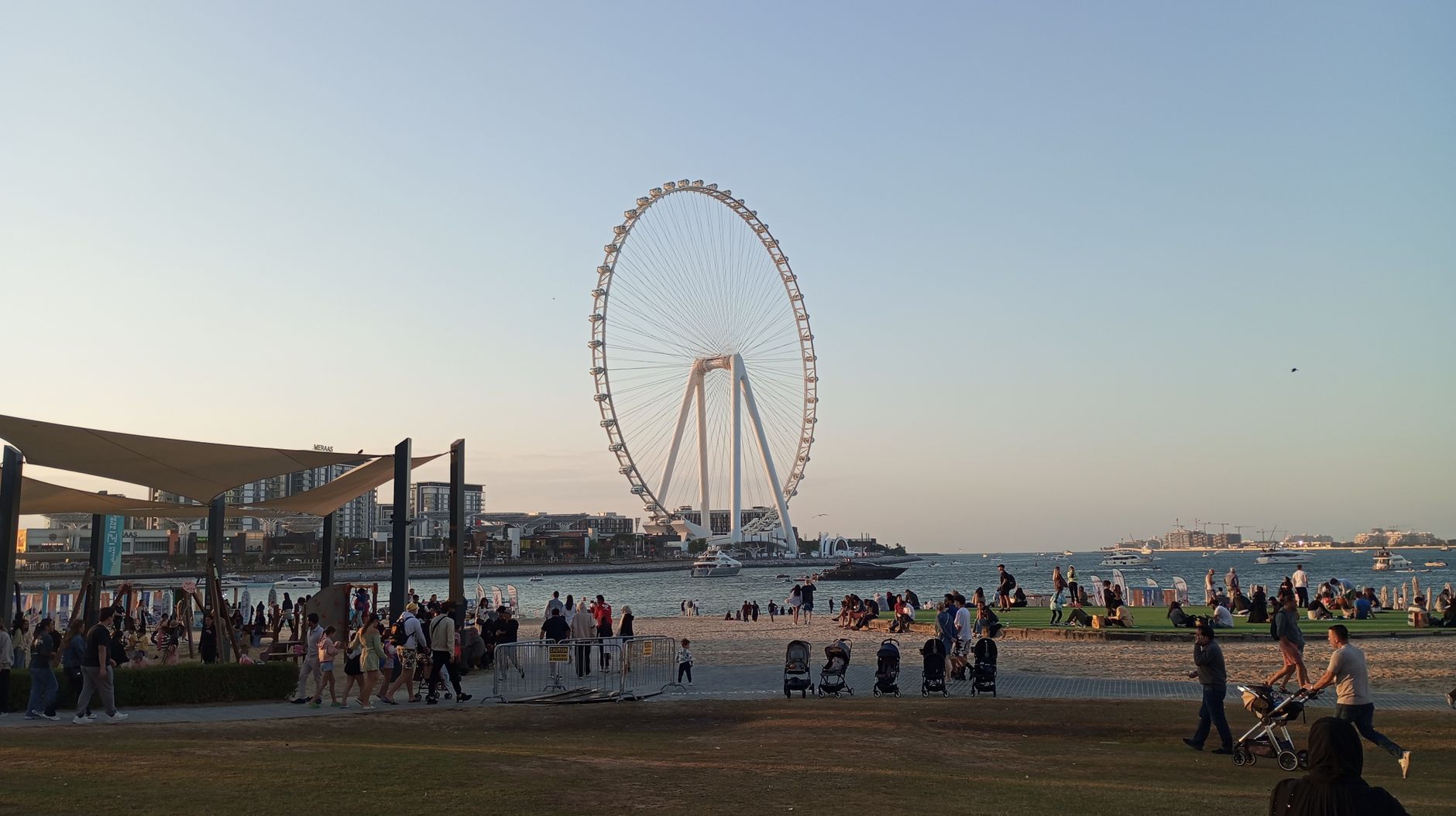
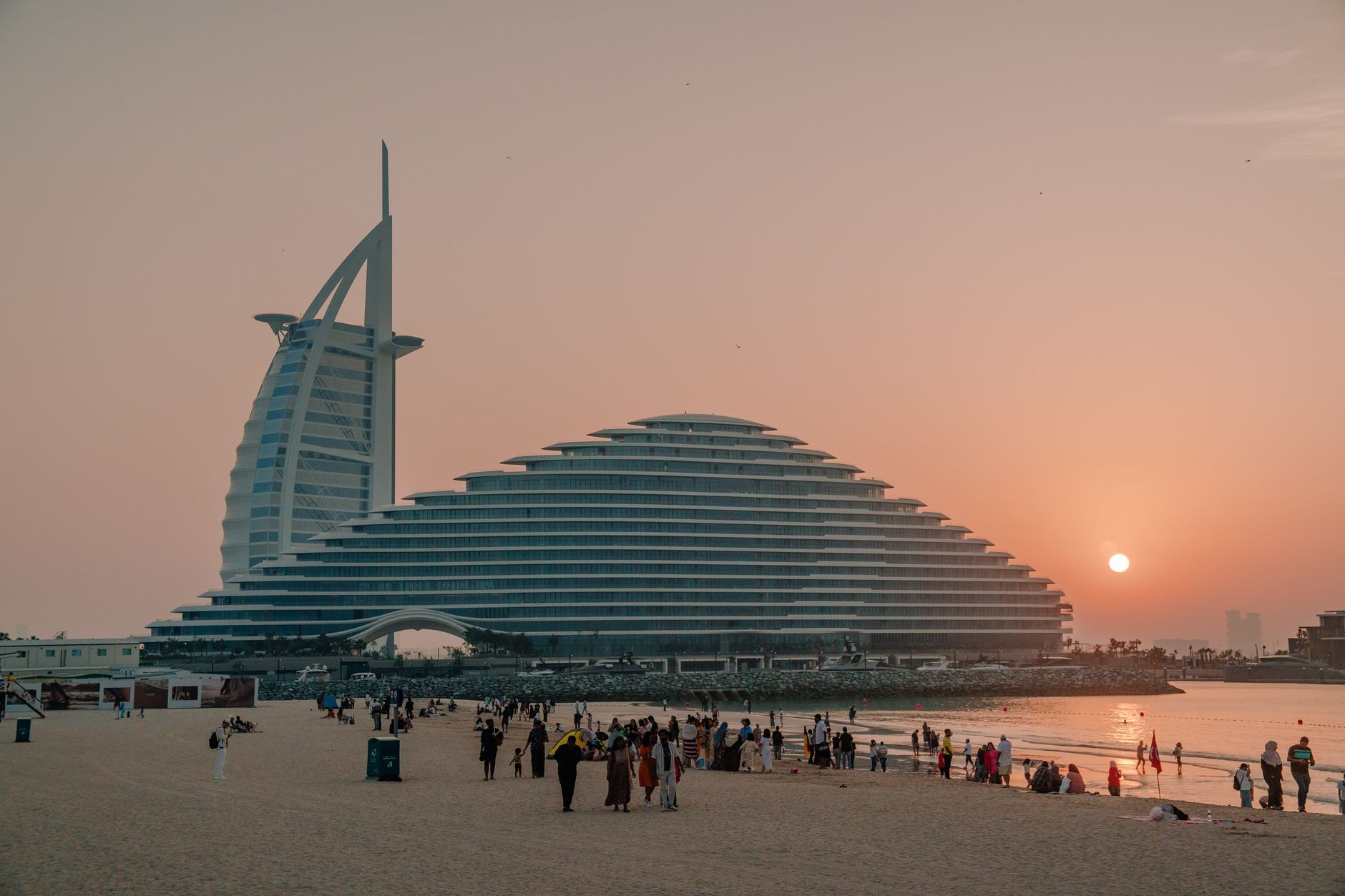
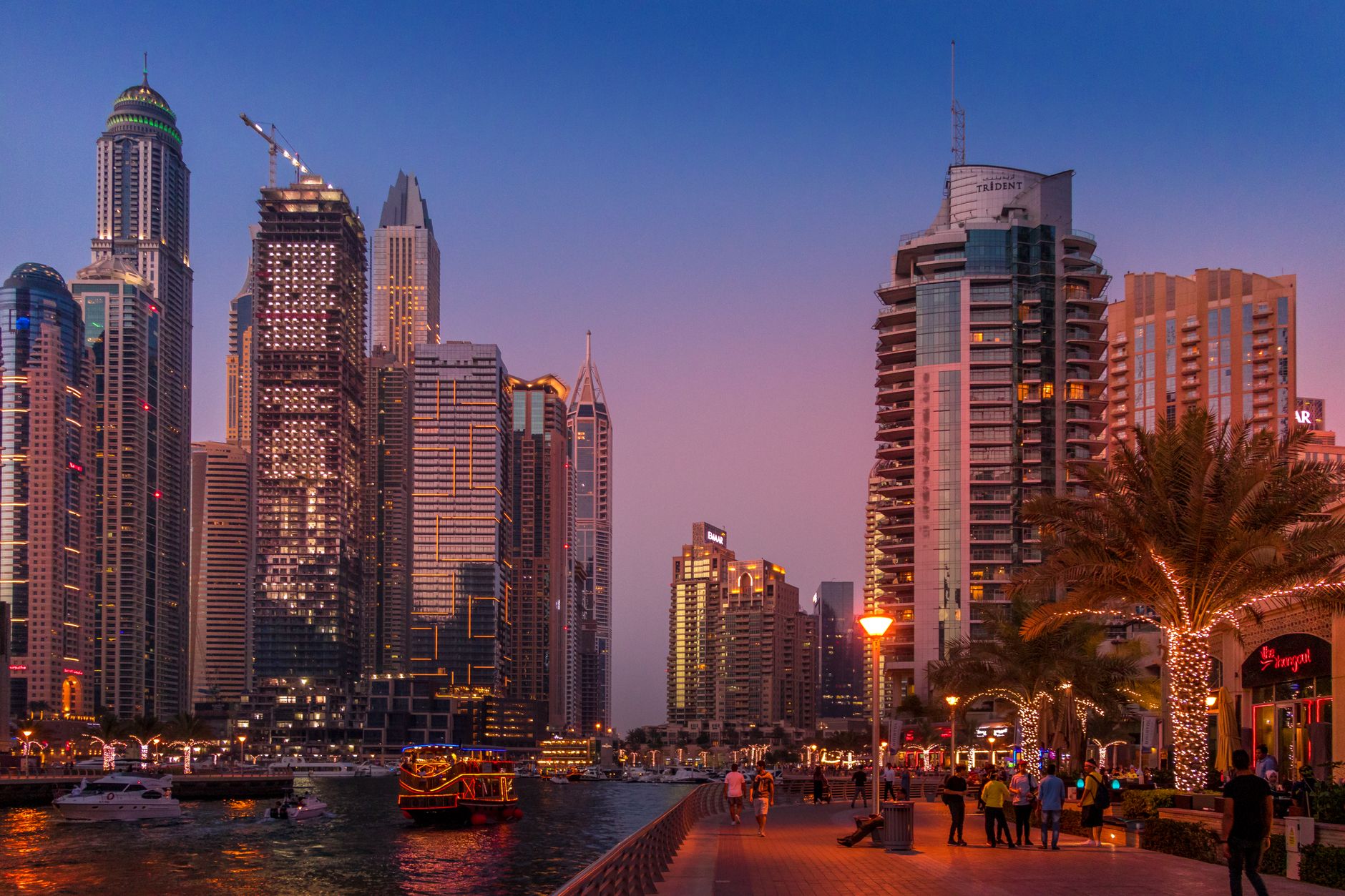
Dubai is a city that keeps rewriting its own skyline. The Burj Khalifa — 829.8 metres of steel and glass designed by Skidmore, Owings & Merrill — stands as the world's tallest structure, and yet it shares the horizon with a sail-shaped hotel on a man-made island, an artificial palm archipelago visible from space, and a torus-shaped museum that National Geographic ranked among the world's most beautiful. What makes Dubai worth your attention isn't the scale alone, but the speed: a fishing settlement in 1833, an oil discovery in 1966, a global city by the turn of the millennium.
The emirate rewards the curious traveller who looks past the superlatives. Al Fahidi Fort, built in 1787, still stands in the old quarter, and the Etihad Museum sits on the exact spot where seven emirates signed a nation into existence on 2 December 1971. Dubai is both of those things at once.
Popular cities in Dubai, UAE
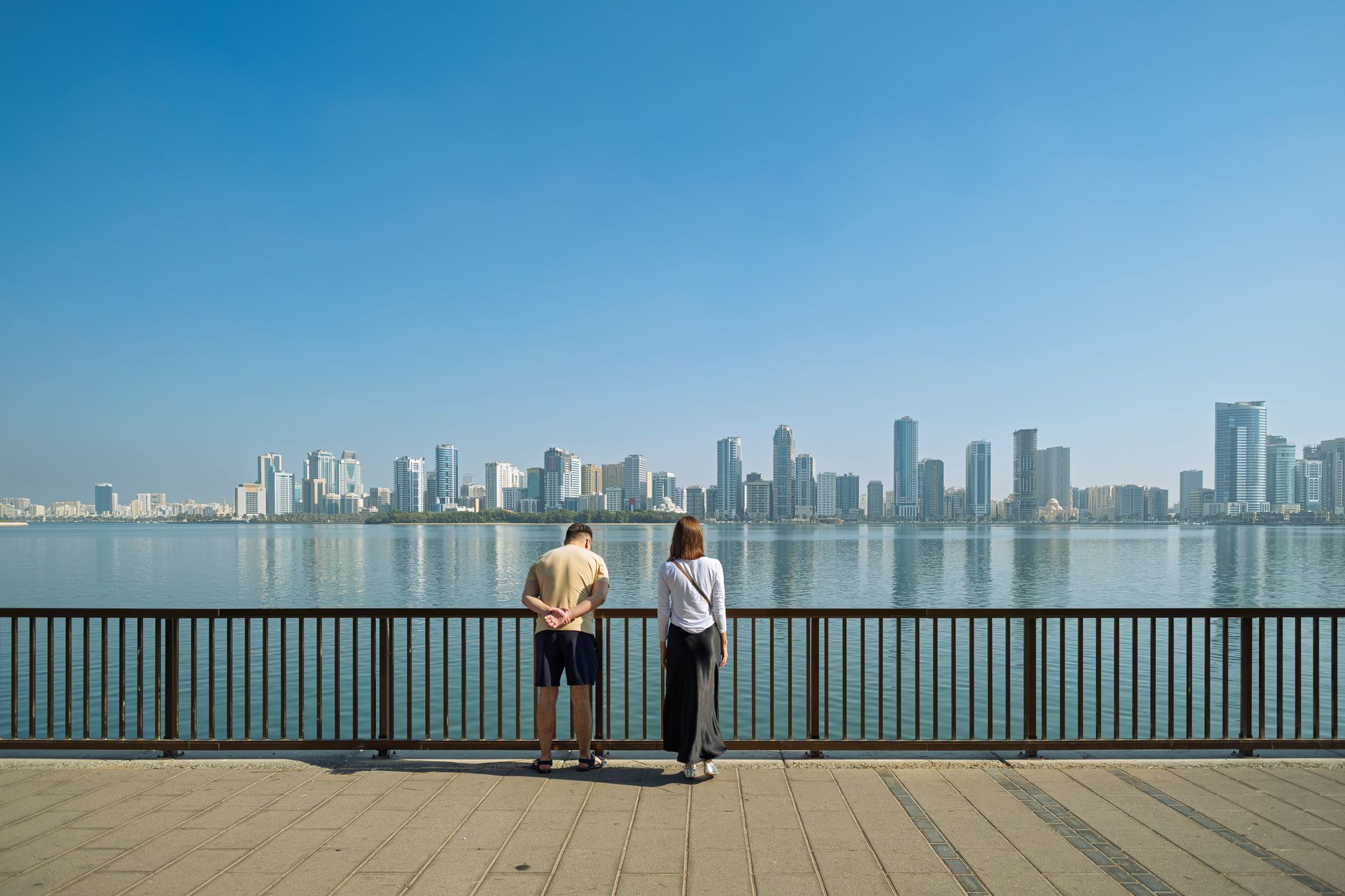
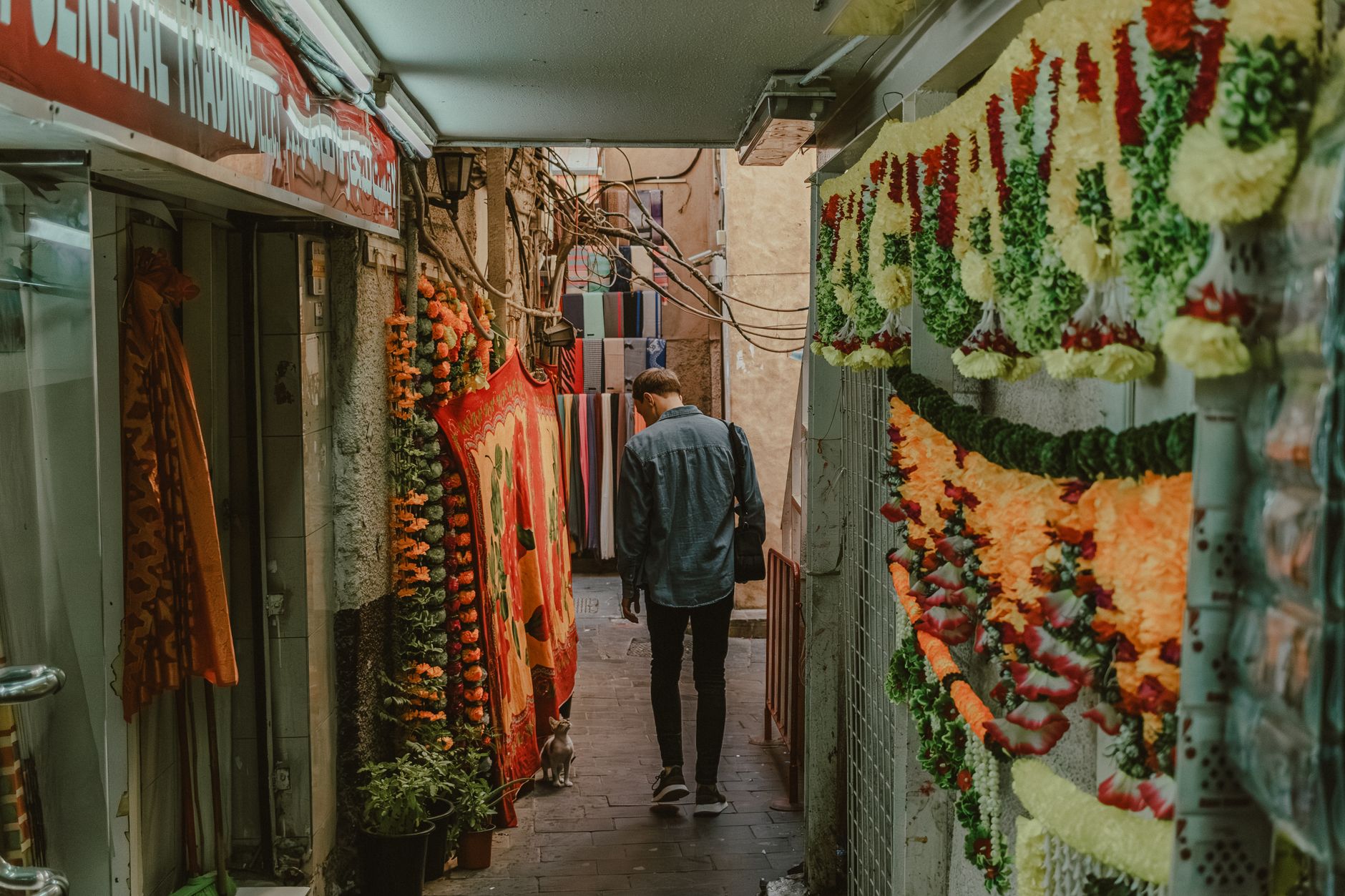
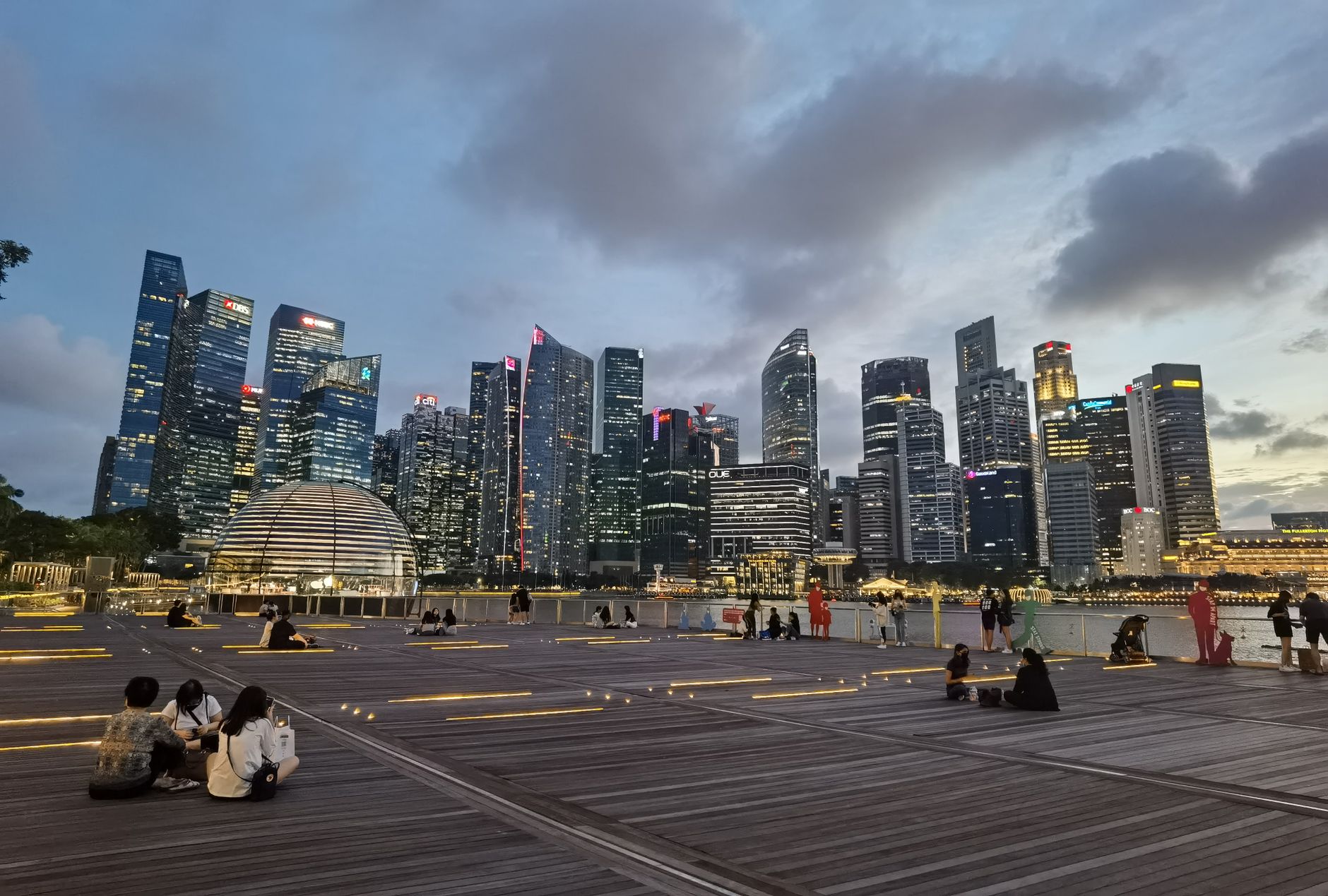
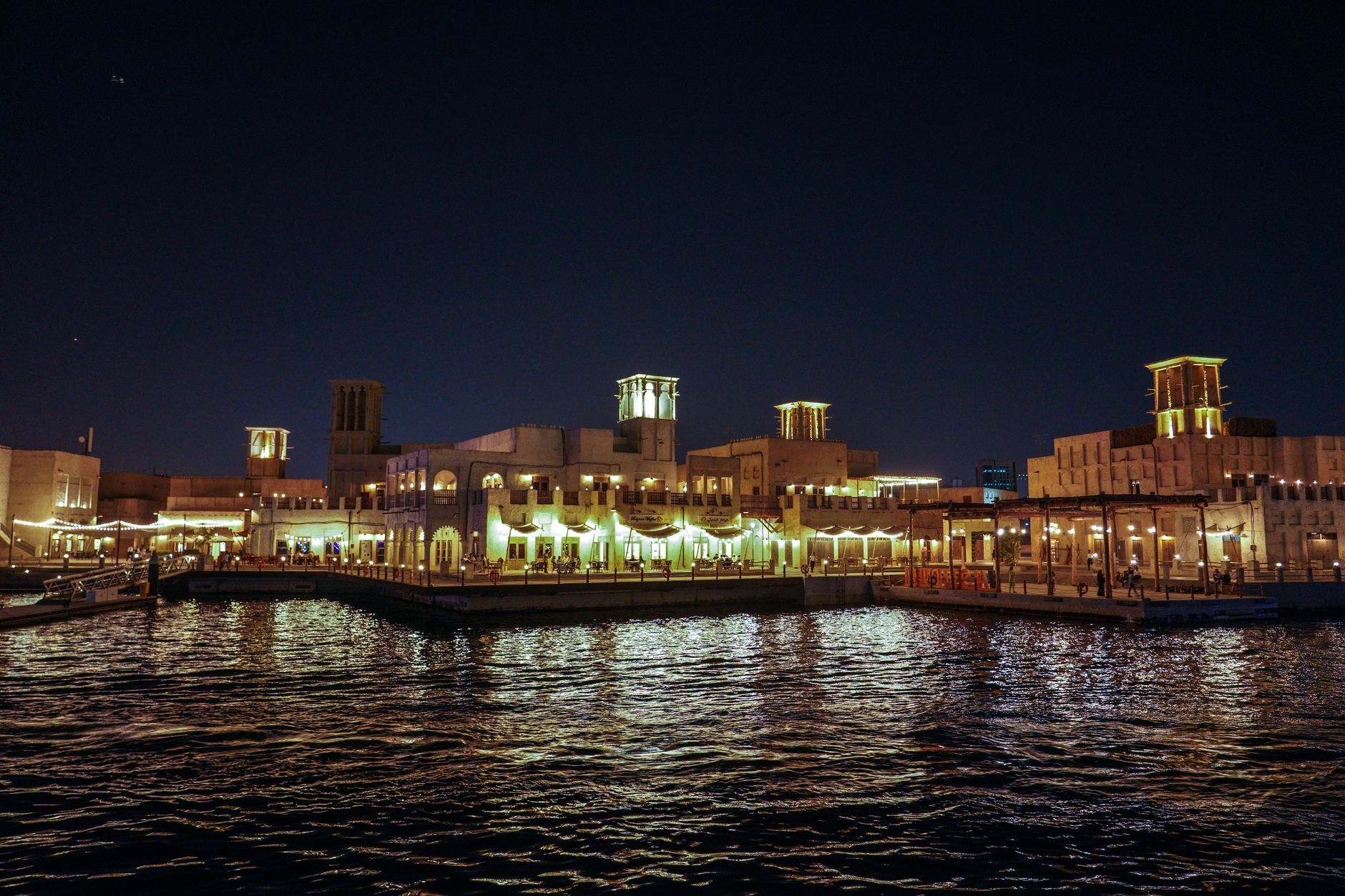
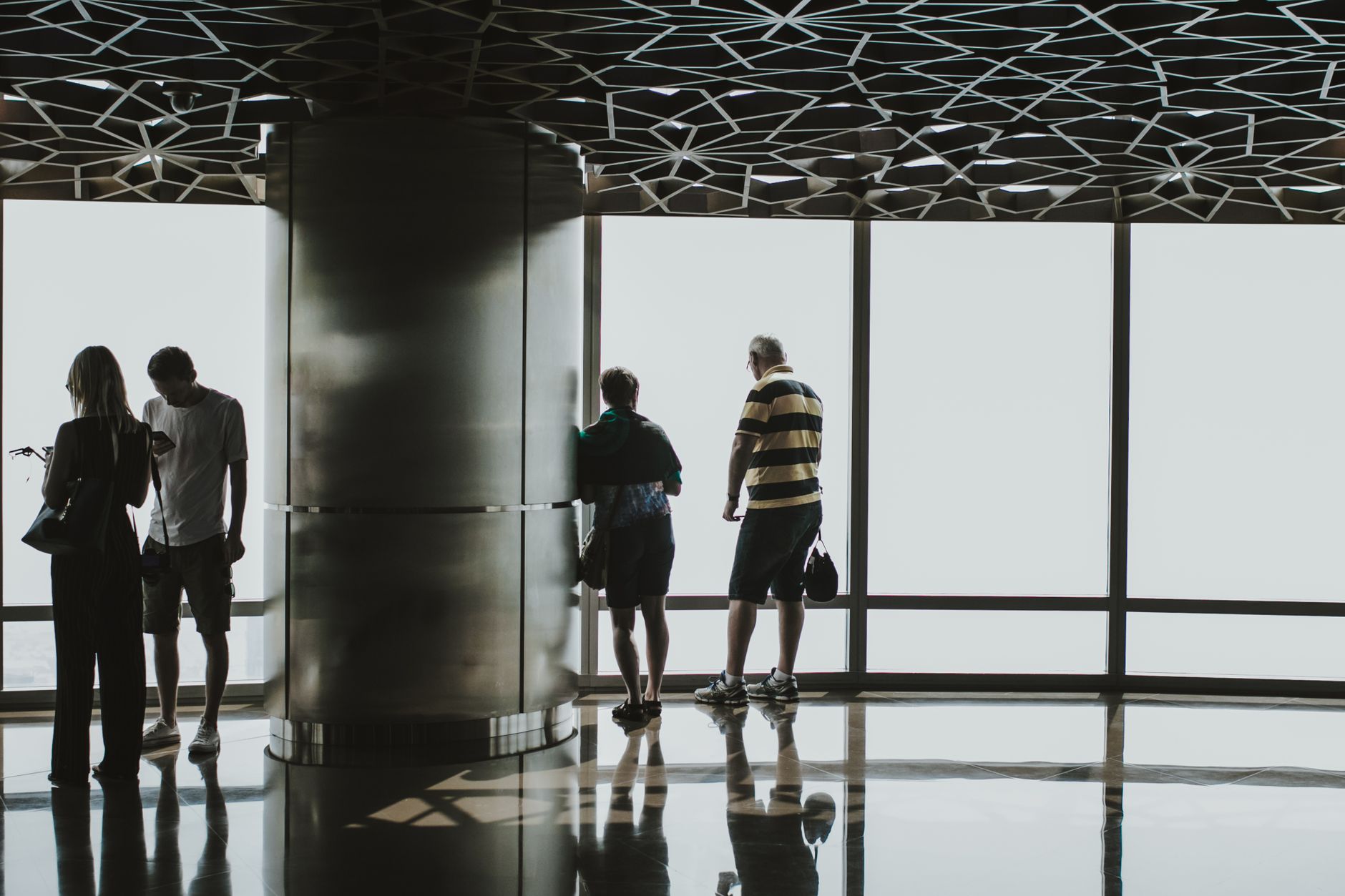
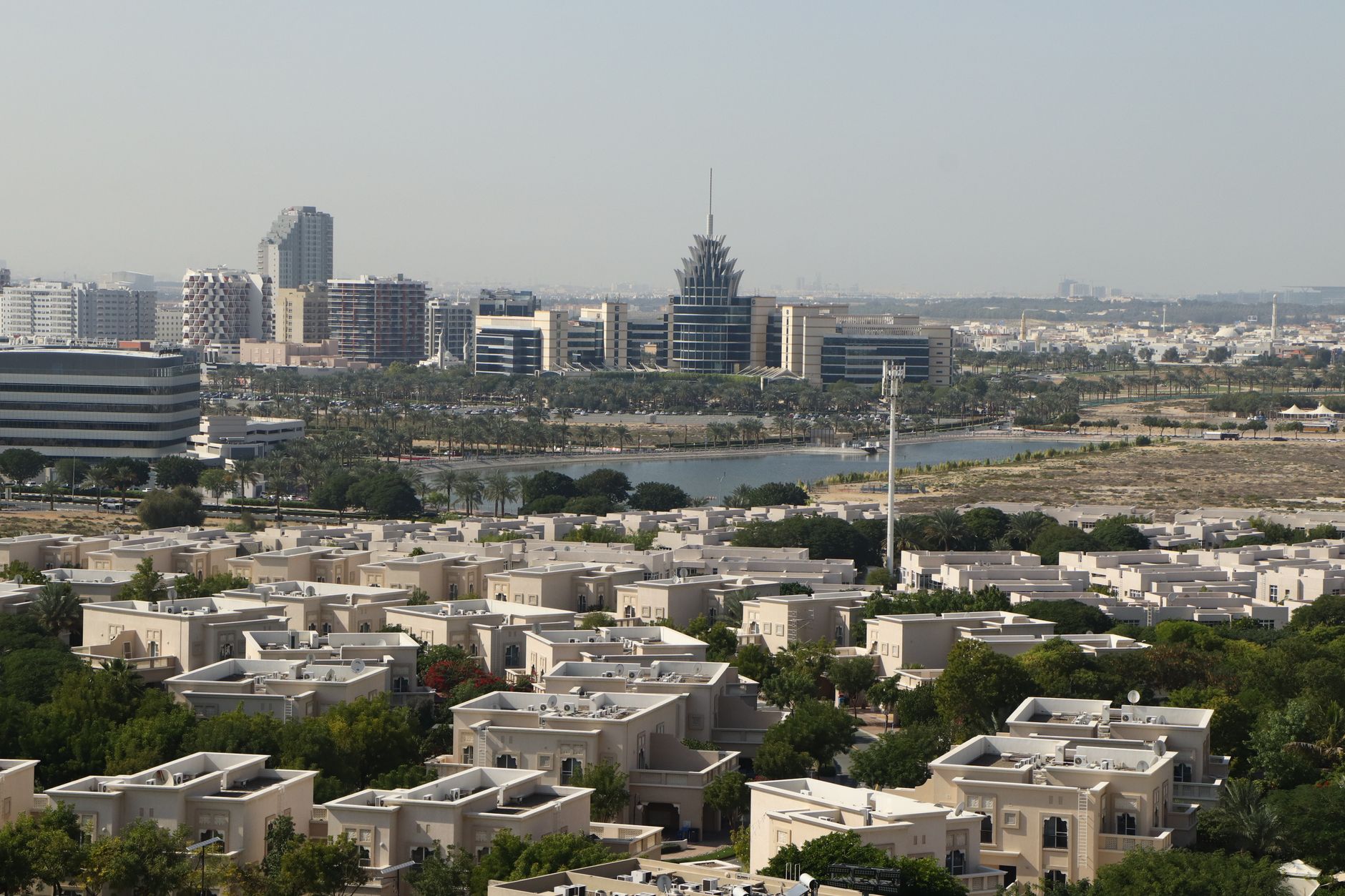
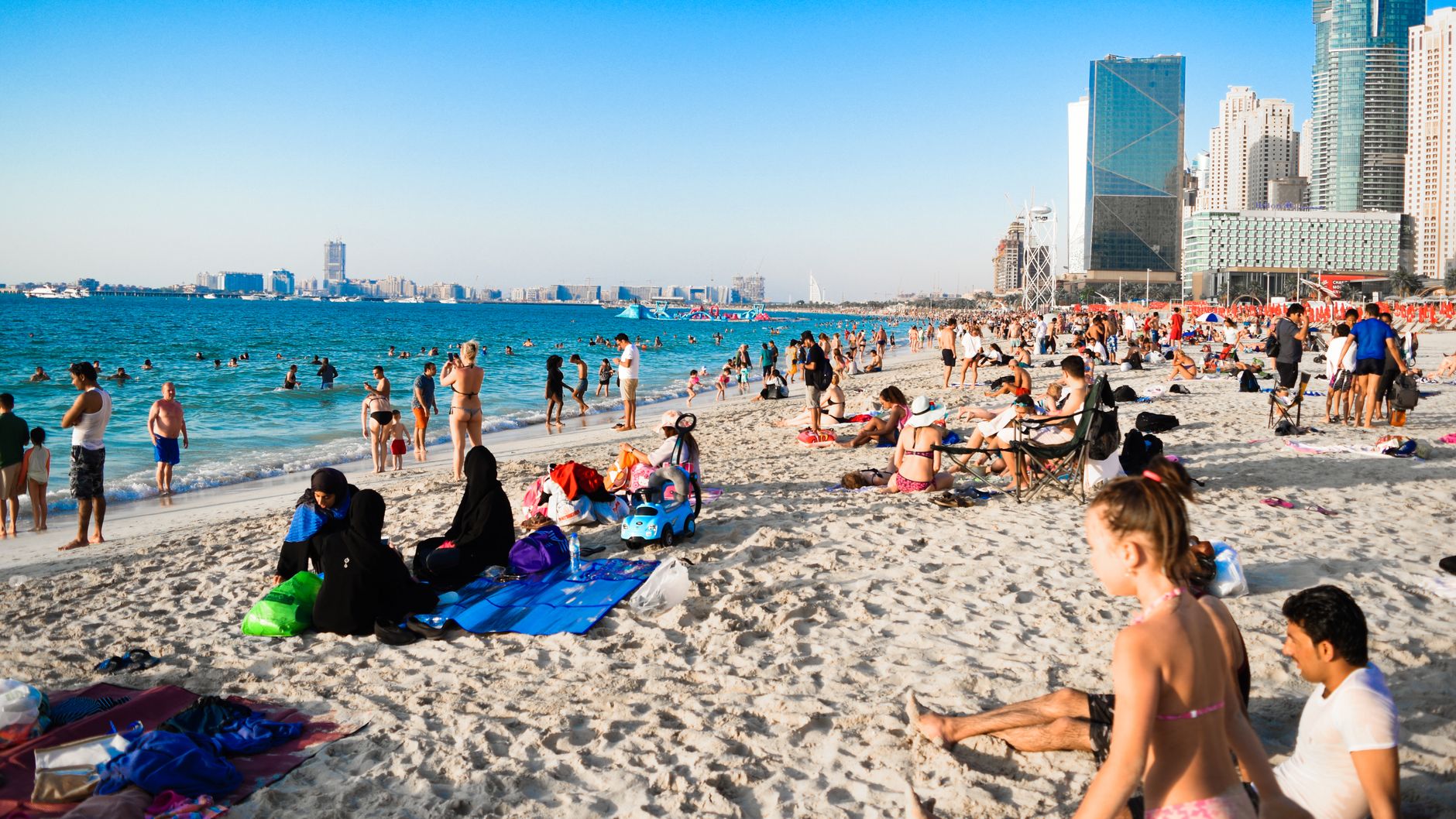
💛 What travellers fall for
People who return tend to time their visits around the cooler months and lean hard on the Dubai Metro — the Red Line gets you from the airport to the Burj Khalifa/Dubai Mall station without a taxi negotiation in sight. The Al Fahidi stop on the Green Line puts you in the heritage district, which moves at a different pace entirely from Downtown.
How Dubai, UAE came to be
In 1833, around 800 members of the Bani Yas tribe moved south from Abu Dhabi under Sheikh Maktoum bin Butti and Obeid bin Said, establishing control of Dubai's creek settlement. After Obeid bin Said died in 1836, Maktoum bin Butti ruled alone, founding the Al Maktoum dynasty that governs to this day. The economy began its outward turn in 1894, when Sheikh Saeed Al Maktoum granted full tax exemption to foreign traders, drawing merchants from Persia and the Indian subcontinent.
Oil discovered offshore in 1966 accelerated everything. Sheikh Rashid bin Saeed Al Maktoum, who led Dubai from 1958 to 1990, directed the revenues into infrastructure — ports, roads, an international airport — laying the physical foundation for the city that followed. On 2 December 1971, Dubai joined six other emirates to form the UAE after British withdrawal from the Gulf. The transformation from regional trading port to global destination compressed into roughly two generations.
Who and what shaped it
People who shaped it
Landmark buildings
See Dubai, UAE in motion
Plan your visit
On the map
When to go
From November to March, temperatures sit between 15°C and 25°C — genuinely pleasant for walking, with low humidity. April and October are transitional and still manageable, but from May through September the heat regularly exceeds 40°C and the humidity along the coast can make time outdoors brief and deliberate.
Right now
↡ Cities
Background & history adapted from Wikipedia (CC BY-SA) · specs from Wikidata (CC0) · weather from Open-Meteo · map data © OpenStreetMap contributors · photos from Wikimedia Commons / Unsplash with per-image credit. No third-party reviews or social posts reproduced.