
Deira
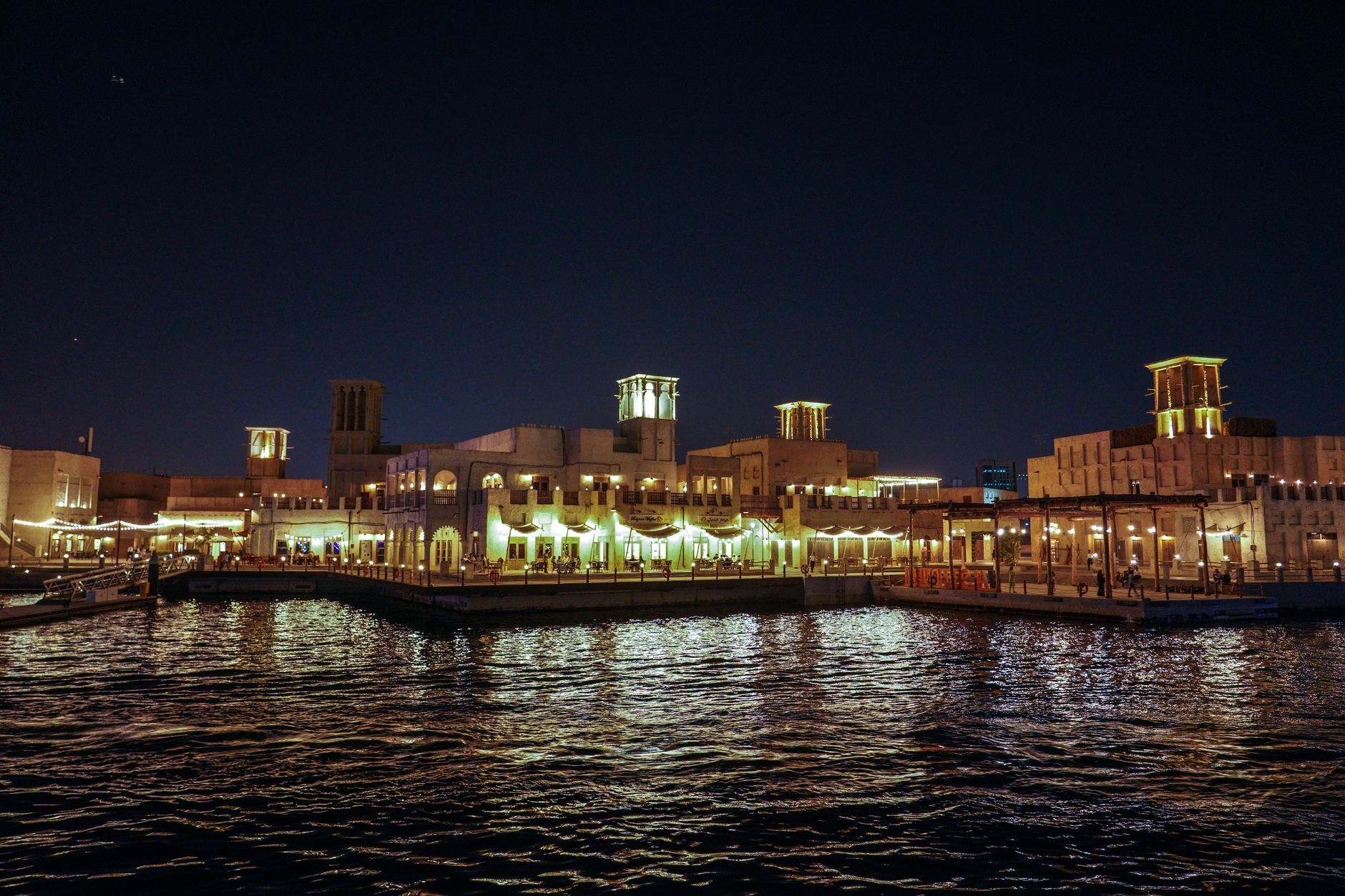
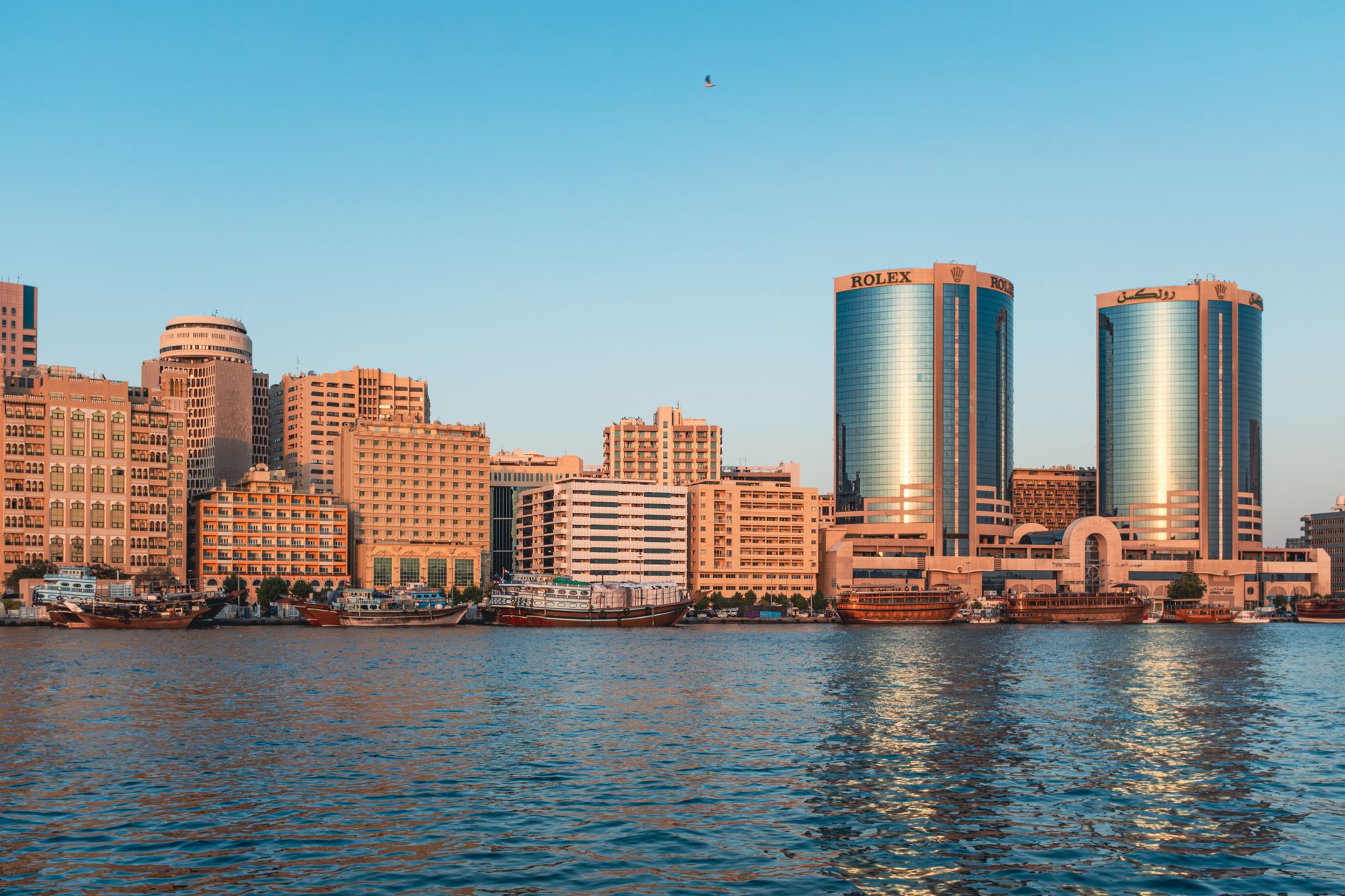
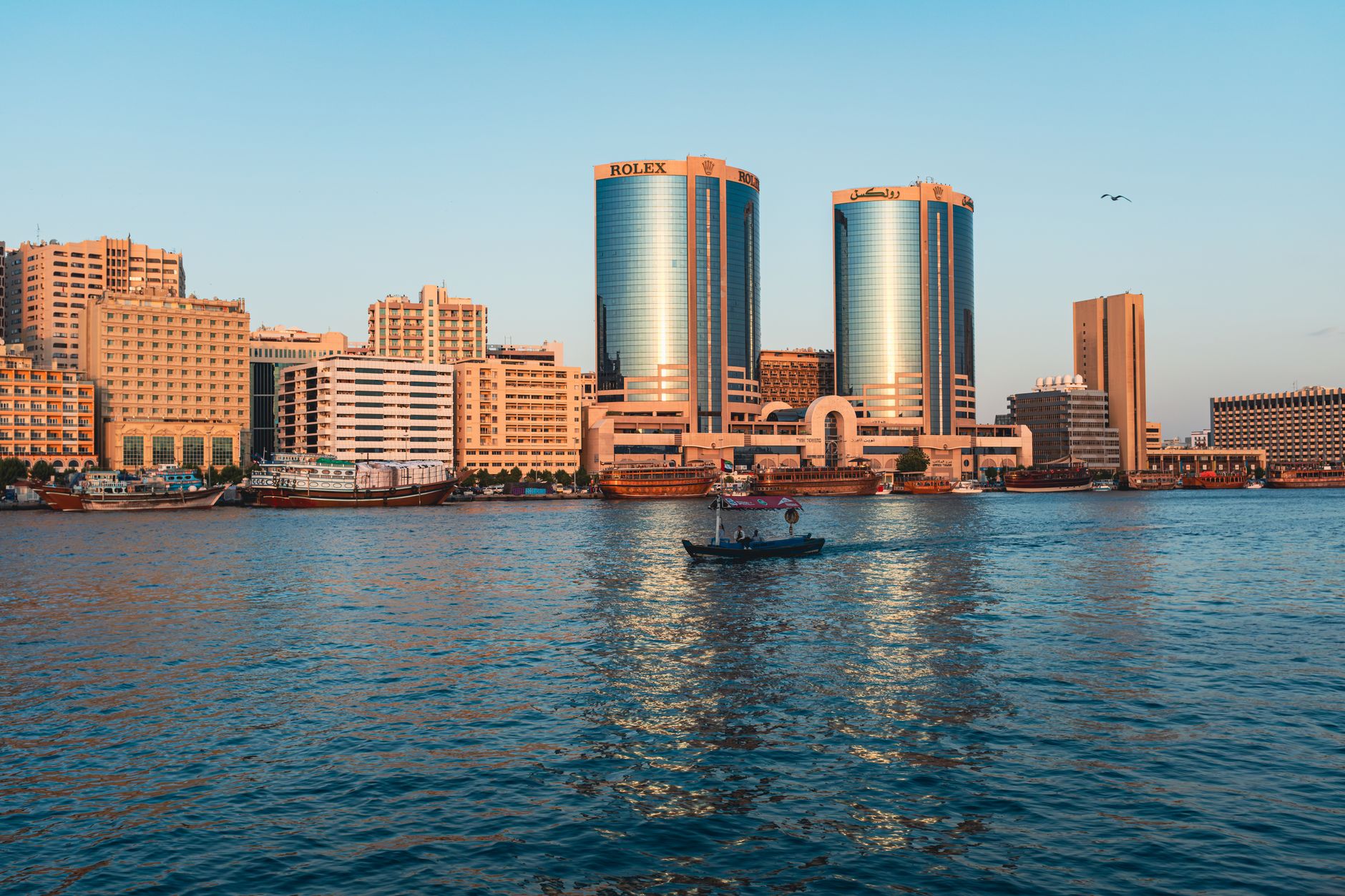
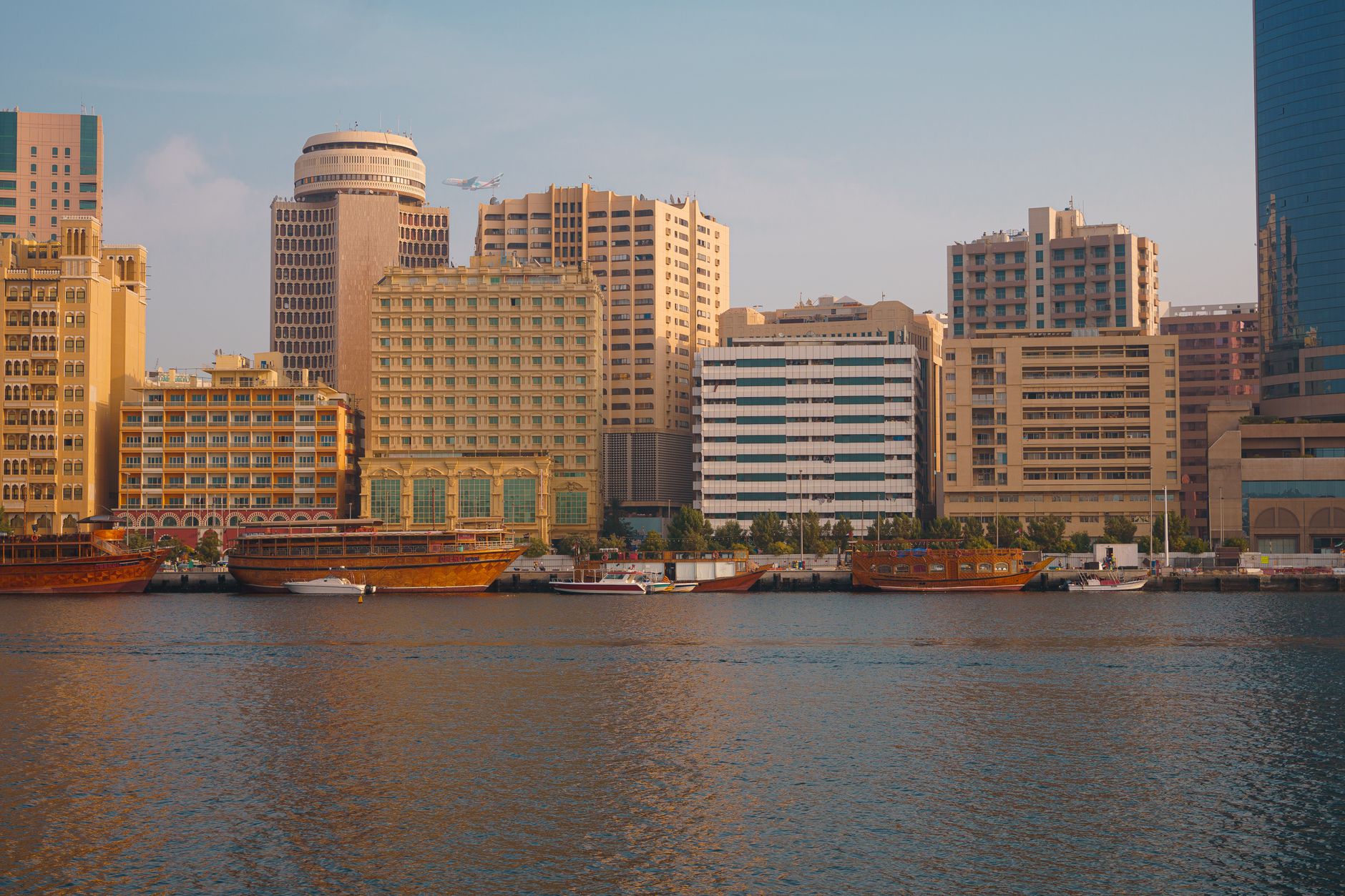
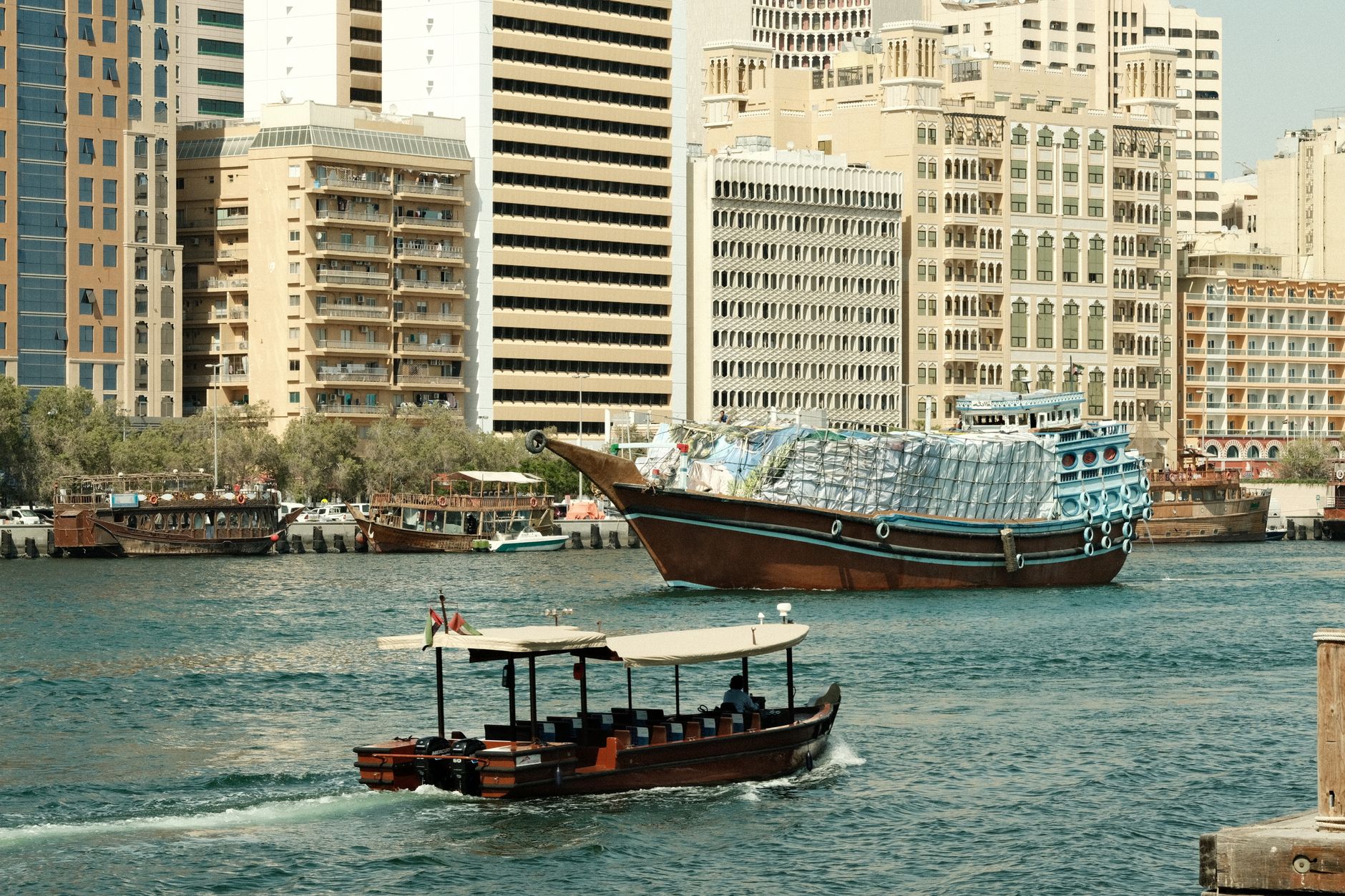
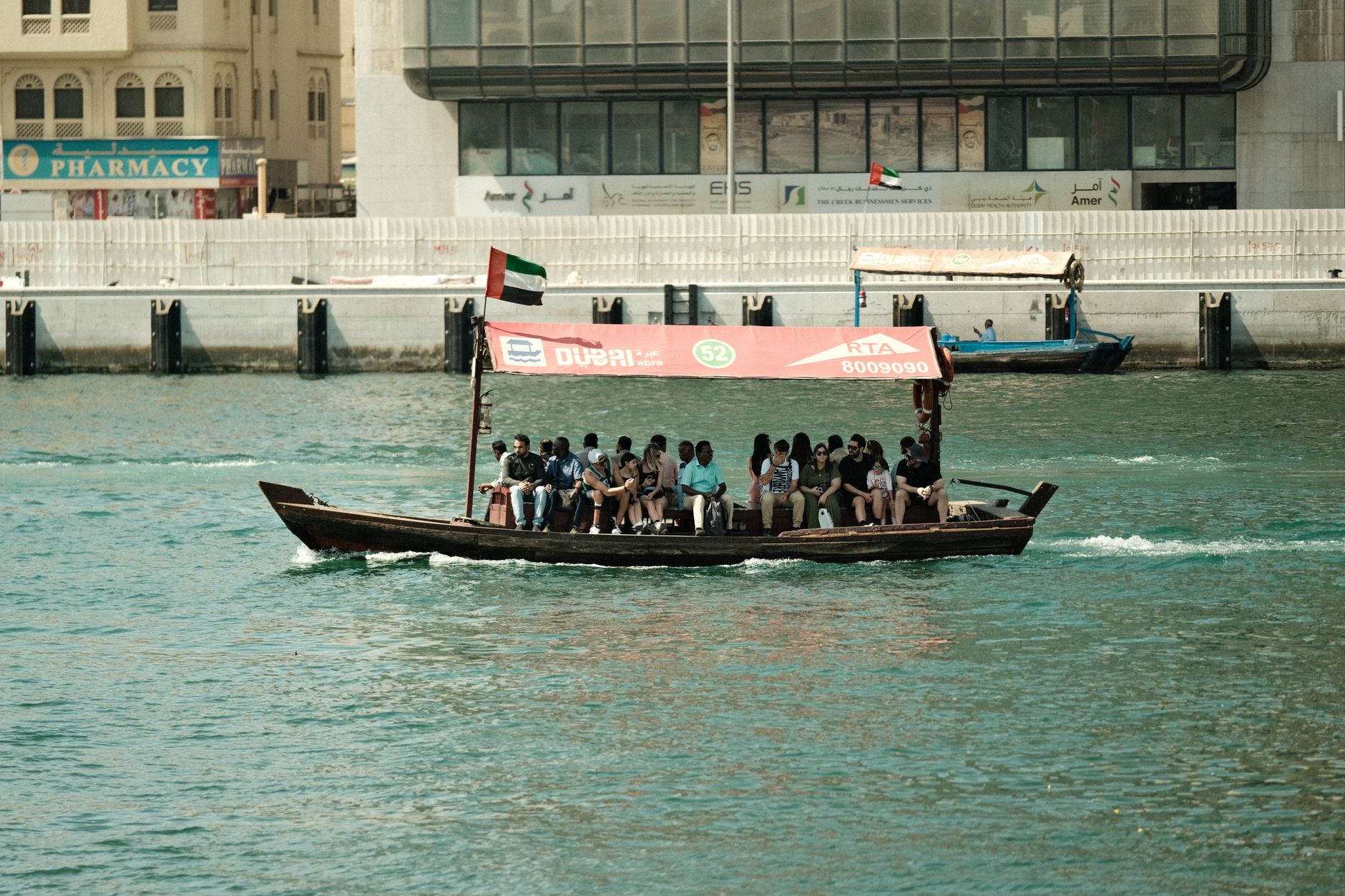
Stand at the creek's edge and watch a wooden dhow low in the water with refrigerators, car tyres and bolts of fabric, and you understand immediately that Deira has always been about trade. This is the older, rougher, more honest half of Dubai — the part that predates the towers and the airports, where saffron and cardamom spill out of open sacks and a one-dirham abra ride across the water is still the most useful thing the city offers.
Around 400,000 people live and work here, representing roughly a third of Dubai's trading activity. Walk one block and the signage shifts from Arabic to Urdu to Amharic. The Gold Souk's display cases run unbroken for what feels like a city block. The Spice Souk smells like a kitchen that has been cooking for decades.
💛 What travellers fall for
People who keep coming back tend to arrive at the Gold Souk before 10 a.m., when it's cooler and less crowded, and leave time to actually bargain — shopkeepers expect it and the conversation is half the point. The AED 1 abra crossing to Bur Dubai is worth doing at least twice: once for the view, once to time it right at dusk.
Deals in Deira
Book directly at the provider

How Deira came to be
Deira's origins stretch back to the mid-1700s, when it grew as a trading settlement along Dubai Creek. In 1841, a smallpox outbreak in Bur Dubai pushed residents across the water to settle here in greater numbers. The community that formed thrived on pearl fishing and creek commerce — until 1896, when fire tore through the neighbourhood and reportedly destroyed it entirely. It was rebuilt.
The pearl trade sustained Deira through the late 19th and early 20th centuries, but collapsed in the early 1930s when Japanese cultivated pearls undercut the Gulf's natural harvest. After the UAE's formation in 1971, government investment shifted toward Sheikh Zayed Road and the coastline further south, leaving Deira to evolve on its own terms — which it has, as a working, polyglot trading district that still moves hundreds of tons of goods along its docks every day.
Who and what shaped it
Landmark buildings
See Deira in motion
Plan your visit
On the map
When to go
December through February is the window: daytime temperatures around 25°C, cool enough at night near the water to need a light layer. From late April through October, heat and coastal humidity combine to make long outdoor stretches genuinely punishing — July and August average highs above 43°C.
Right now
Background & history adapted from Wikipedia (CC BY-SA) · specs from Wikidata (CC0) · weather from Open-Meteo · map data © OpenStreetMap contributors · photos from Wikimedia Commons / Unsplash with per-image credit. No third-party reviews or social posts reproduced.