
Karama
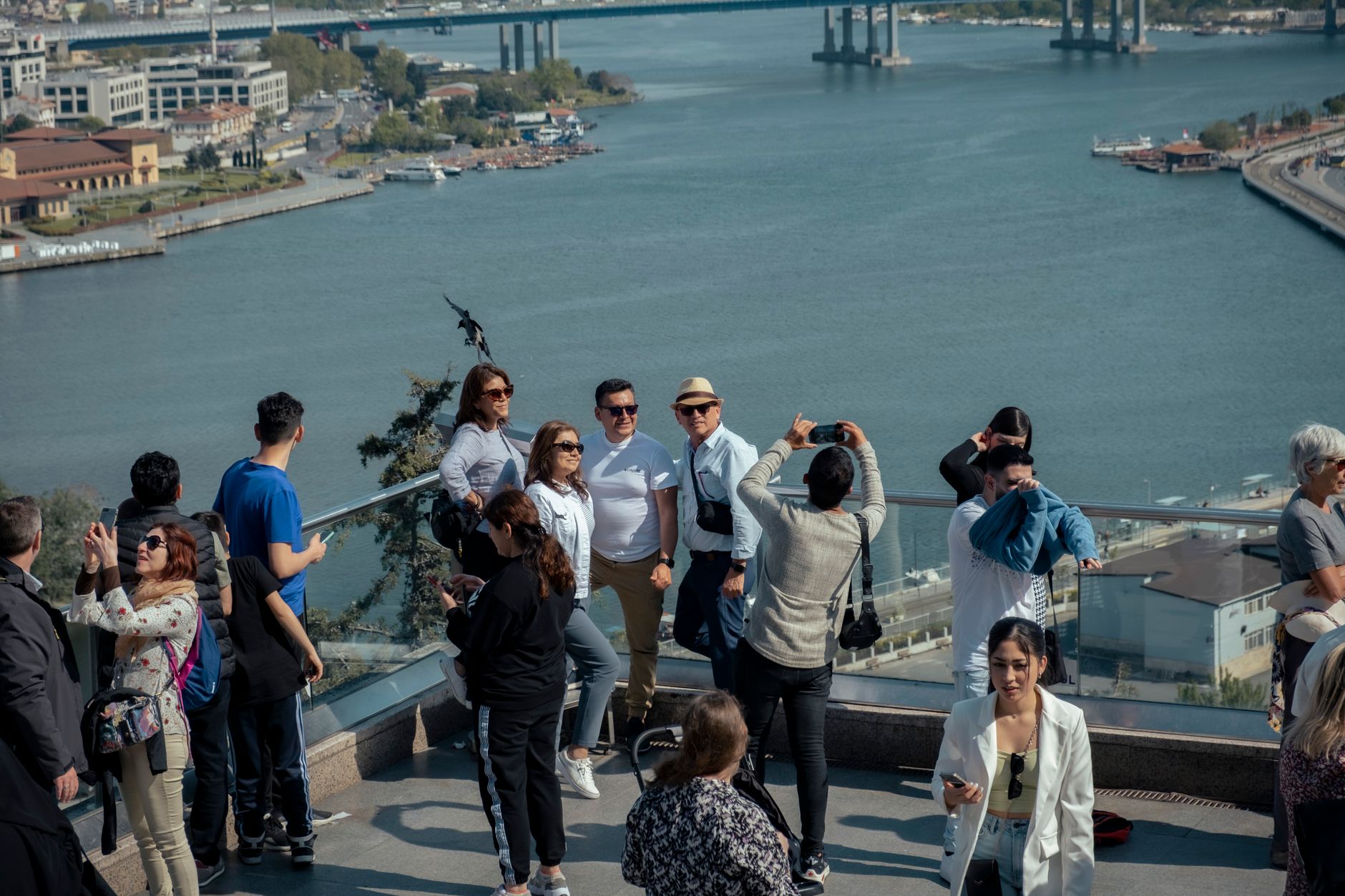
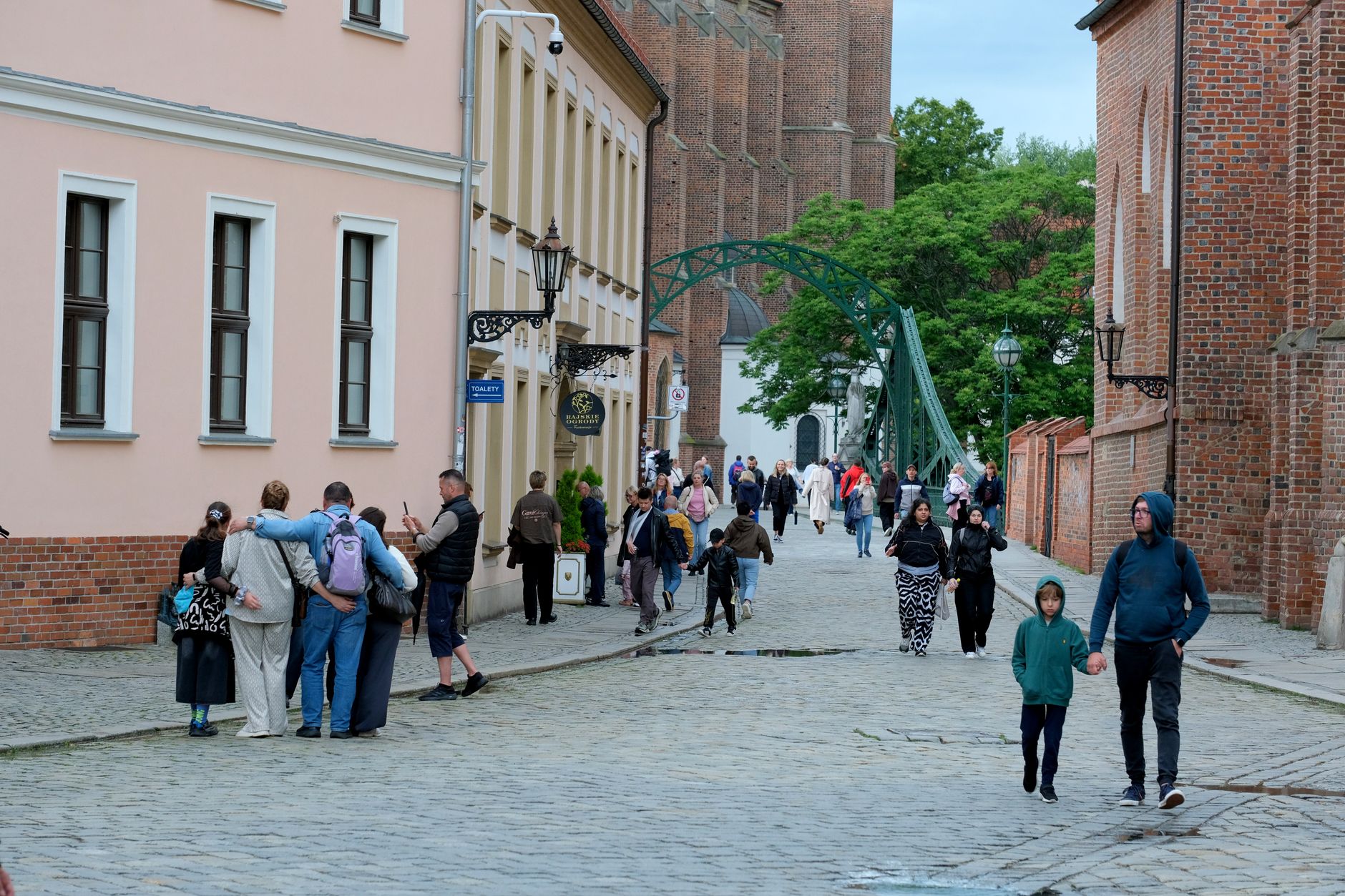
The smell reaches you first — shawarma smoke drifting from a pavement grill, cut through by cardamom from a tea stall two doors down. Karama is two square kilometres of five- to seven-storey concrete blocks arranged on a tight grid, and it holds more daily life per square metre than almost anywhere else in Dubai. Shaded arcades keep the pavements walkable. Tailors, salons, sari boutiques, and mini-marts occupy every ground floor.
This is the Dubai that preceded the skyline — functional, dense, and shaped by the people who built the city rather than came to photograph it. Karama's 300-plus-shop market, its murals of pearl divers and giant birds on 18B Street, and Jaffer Bhai's biryani keep drawing people back long after they've moved on to newer postcodes.
💛 What travellers fall for
Return visitors tend to converge on the same two anchors: a bowl of biryani at Jaffer Bhai's Restaurant — the "Biryani King of Mumbai" transplanted to 16th Street — and a slow walk down 18B Street to see which new mural has gone up since last time. The LuLu Hypermarket sorts out everything else.
Deals in Karama
Book directly at the provider
How Karama came to be
Sheikh Rashid bin Saeed Al Maktoum conceived Karama — then called Sheikh Rashid Colony — in the late 1970s as affordable housing for low-income families and the expatriate workforce flooding into a rapidly expanding Dubai. The blocks went up fast, and the neighbourhood filled faster.
In the early 1980s, a quieter chapter unfolded within it. Around 8,000 Omanis who had been among the tens of thousands displaced from Zanzibar in the 1960s revolution had spent years stateless and without a settled home. Sheikh Rashid offered them sanctuary, and Hamdan Colony — a cluster of apartment blocks that still stand in Karama today — was built to house them. The Dubai Central Post Office, constructed in 1975, was at the time one of the largest buildings in the entire country.
Who and what shaped it
People who shaped it
Landmark buildings
See Karama in motion
Plan your visit
On the map
When to go
November through March is when Karama makes the most sense on foot — temperatures settle between 15 and 25°C and the shaded arcades do their job. Between May and September, the heat climbs past 40°C and the open-air market and street-art walks become a different proposition entirely.
Right now
Background & history adapted from Wikipedia (CC BY-SA) · specs from Wikidata (CC0) · weather from Open-Meteo · map data © OpenStreetMap contributors · photos from Wikimedia Commons / Unsplash with per-image credit. No third-party reviews or social posts reproduced.