
Al Quoz
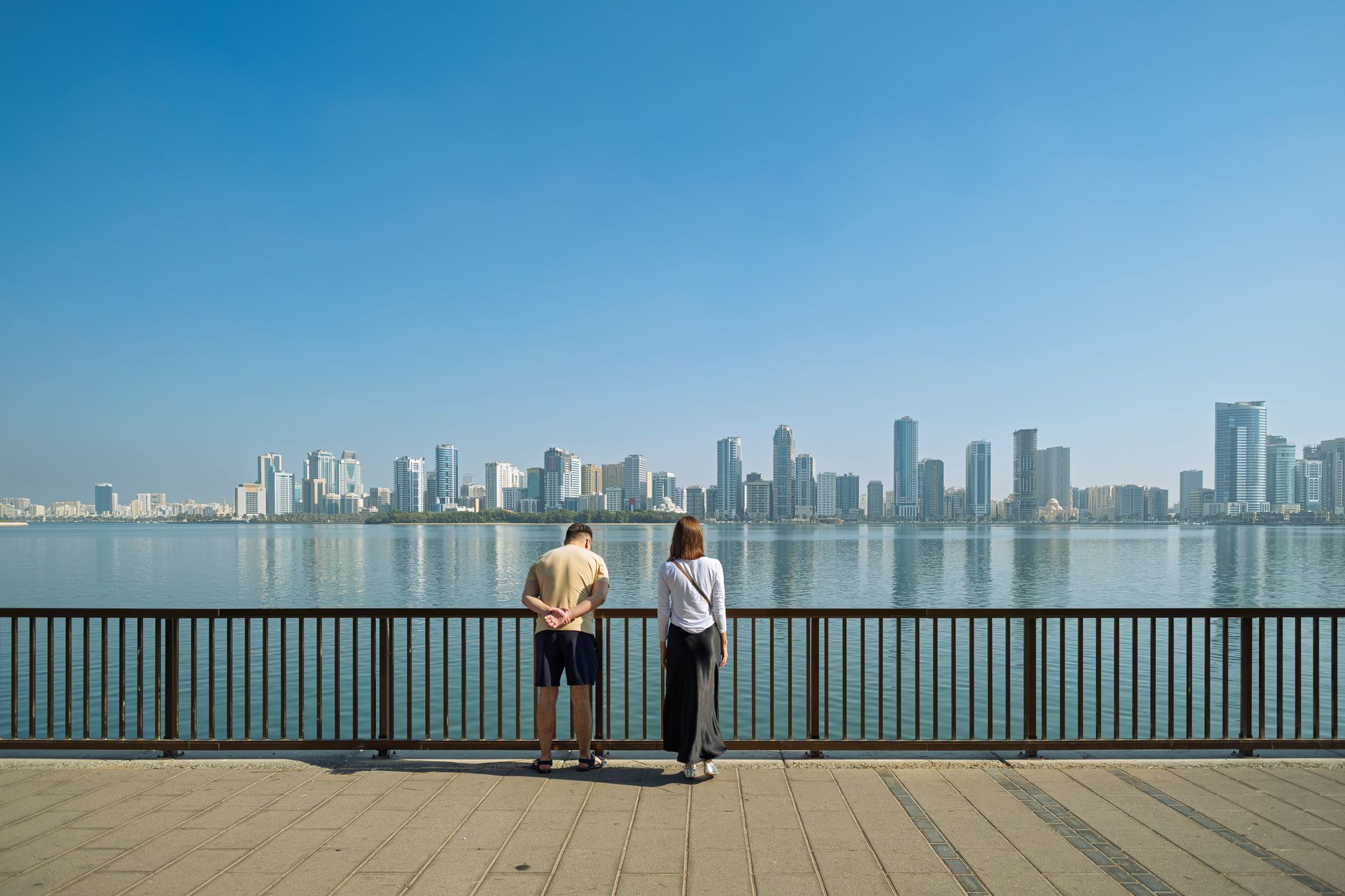
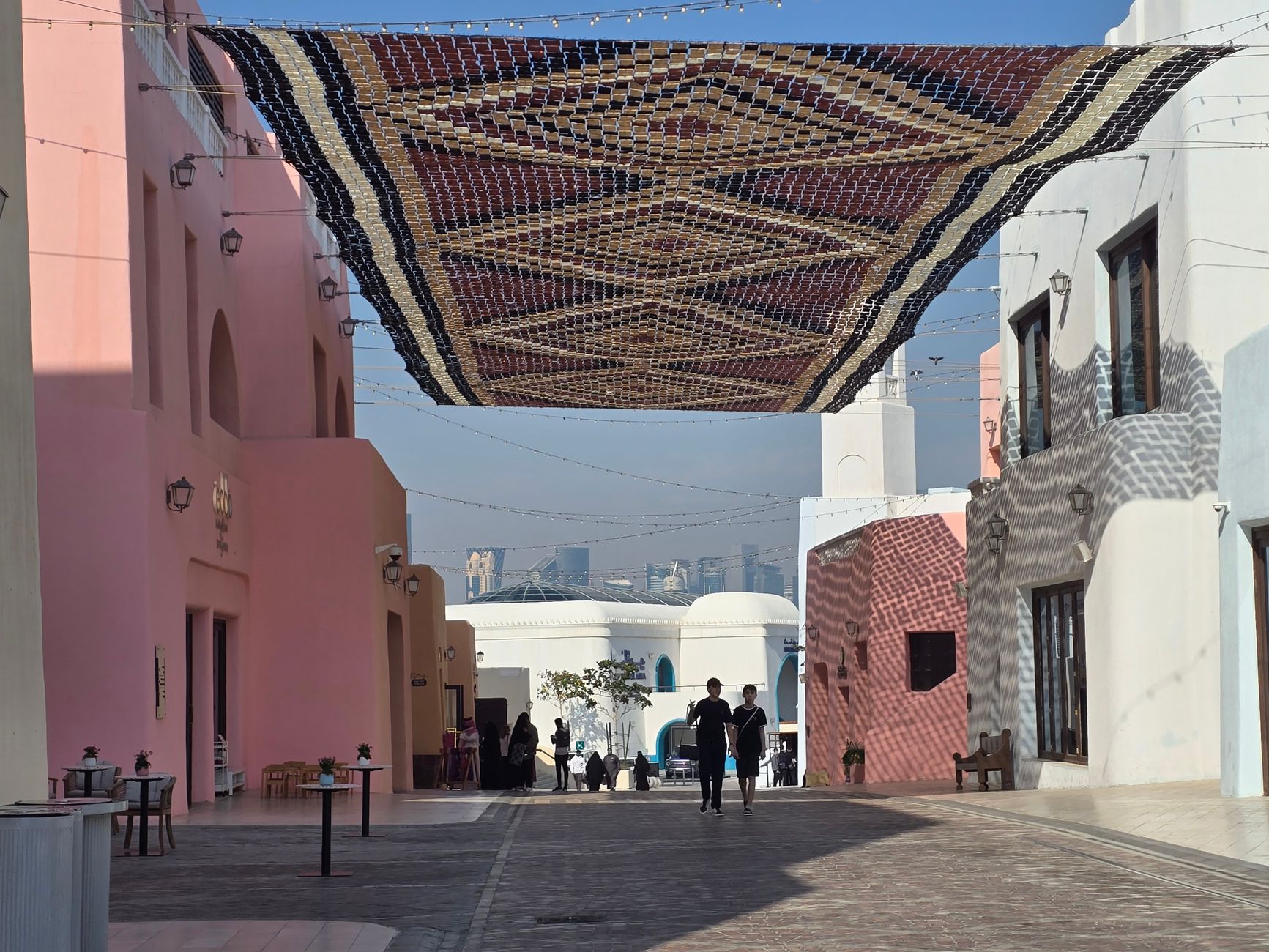
Al Quoz is a 27-square-kilometre rectangle of warehouses, loading bays, and low-slung industrial sheds wedged between Sheikh Zayed Road and Al Khail Road. That sounds unpromising until you notice the gallery names stencilled on the corrugated steel doors, the line of people waiting outside a repurposed cement factory on a Friday morning, the mangroves at the edge of a genuine urban pond where herons ignore the traffic entirely.
The district splits roughly in two: a residential northeast where Emirati families have lived for generations, and an industrial southwest that has spent the last two decades quietly becoming one of the more interesting square kilometres of cultural real estate in the Gulf.
💛 What travellers fall for
People who come back tend to arrive before noon on a weekday, when Alserkal Avenue is calm enough to actually read the wall text. They know Maxzi — originally an online grocer, now a counter-service spot in Al Quoz whose burger took the Time Out Dubai award — and they end at Al Quoz Pond Park, which costs nothing and asks nothing of you except that you slow down.
Experiences you don't want to miss


Deals in Al Quoz
Book directly at the provider


How Al Quoz came to be
Before the warehouses, before the galleries, there was a pond — a natural watering point that drew Bedouin travellers and their livestock through this stretch of desert. The name itself encodes the landscape: Quoz, from the Arabic for a crescent-shaped barchan dune, the kind that wind sculpts and then moves on. By the early 20th century the area had settled into small-scale farming and herding, quietly peripheral to what would become Dubai.
The industrial phase came first, then something stranger. In 1992, Dariush Zandi began transforming a waterlogged site using reclaimed materials into what became The Courtyard, inaugurated in 1998 with a Bruce Oldfield fashion show — an unlikely opening act for an arts district. Alserkal Avenue followed in 2008 inside a former warehouse complex, eventually growing to 100,000 square feet of studios, galleries, and performance spaces. In April 2021, the Government of Dubai formalised what had been accumulating organically by launching the Al Quoz Creative Zone, targeting a full creative-industry hub by 2025.
Who and what shaped it
People who shaped it
Landmark buildings
See Al Quoz in motion
Plan your visit
On the map
When to go
Dubai's summers are genuinely punishing — temperatures push past 40°C from June through September, and Al Quoz's open industrial grid offers little shade between buildings. The window from November to March is when the district is most comfortable to walk: mild days in the mid-teens to low twenties, with evenings cool enough to linger.
Right now
Background & history adapted from Wikipedia (CC BY-SA) · specs from Wikidata (CC0) · weather from Open-Meteo · map data © OpenStreetMap contributors · photos from Wikimedia Commons / Unsplash with per-image credit. No third-party reviews or social posts reproduced.