
Downtown Dubai
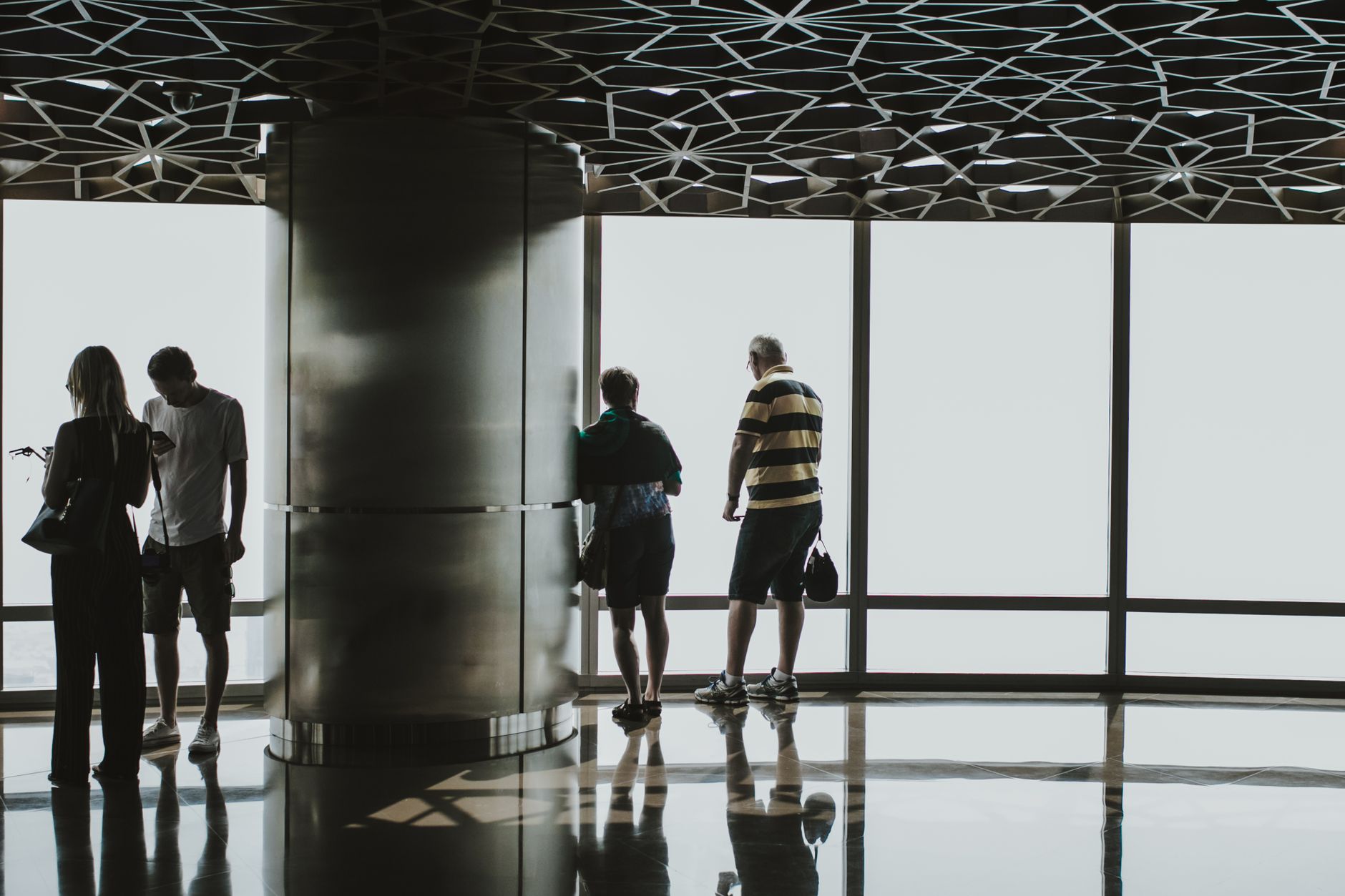
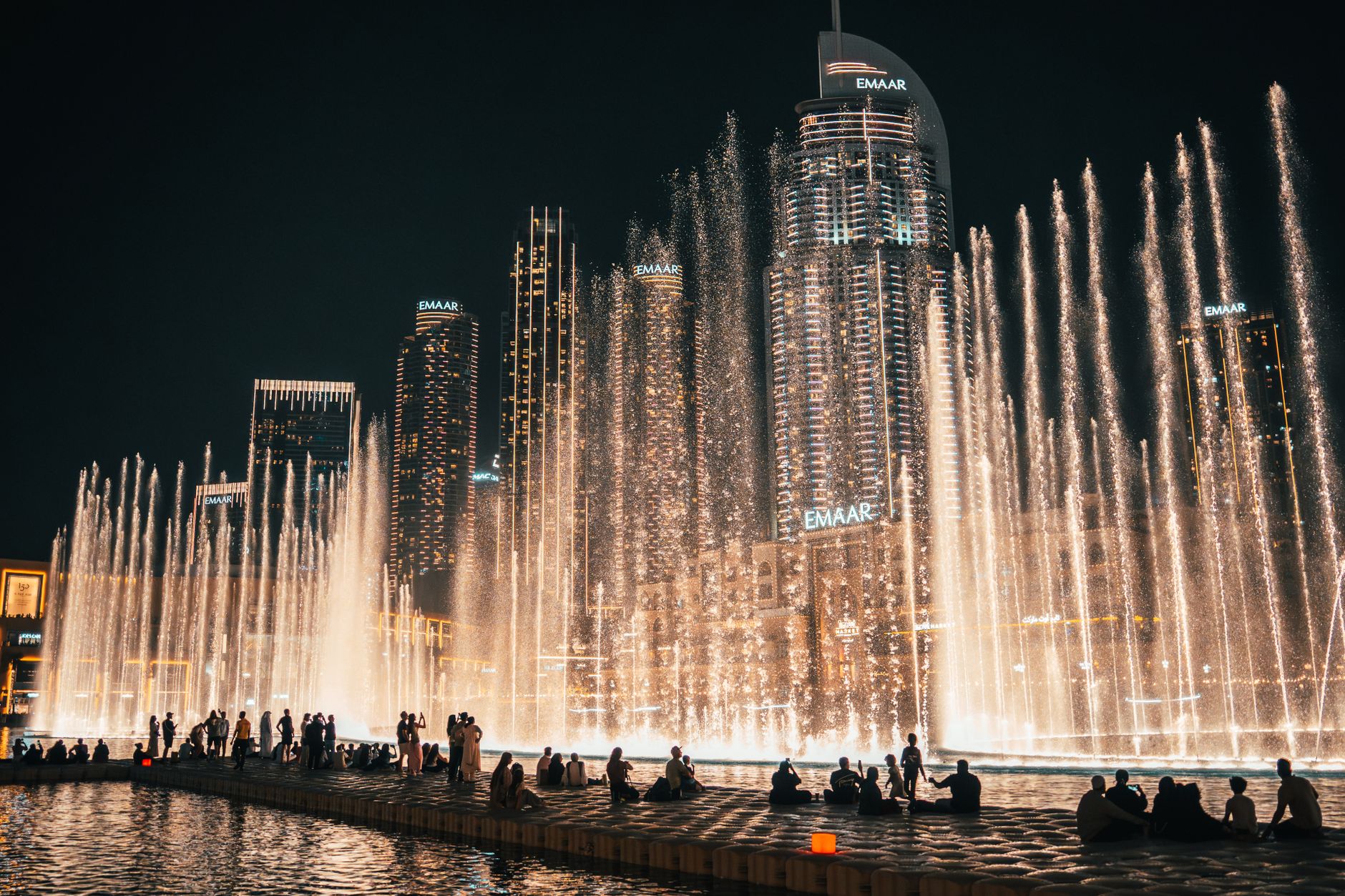
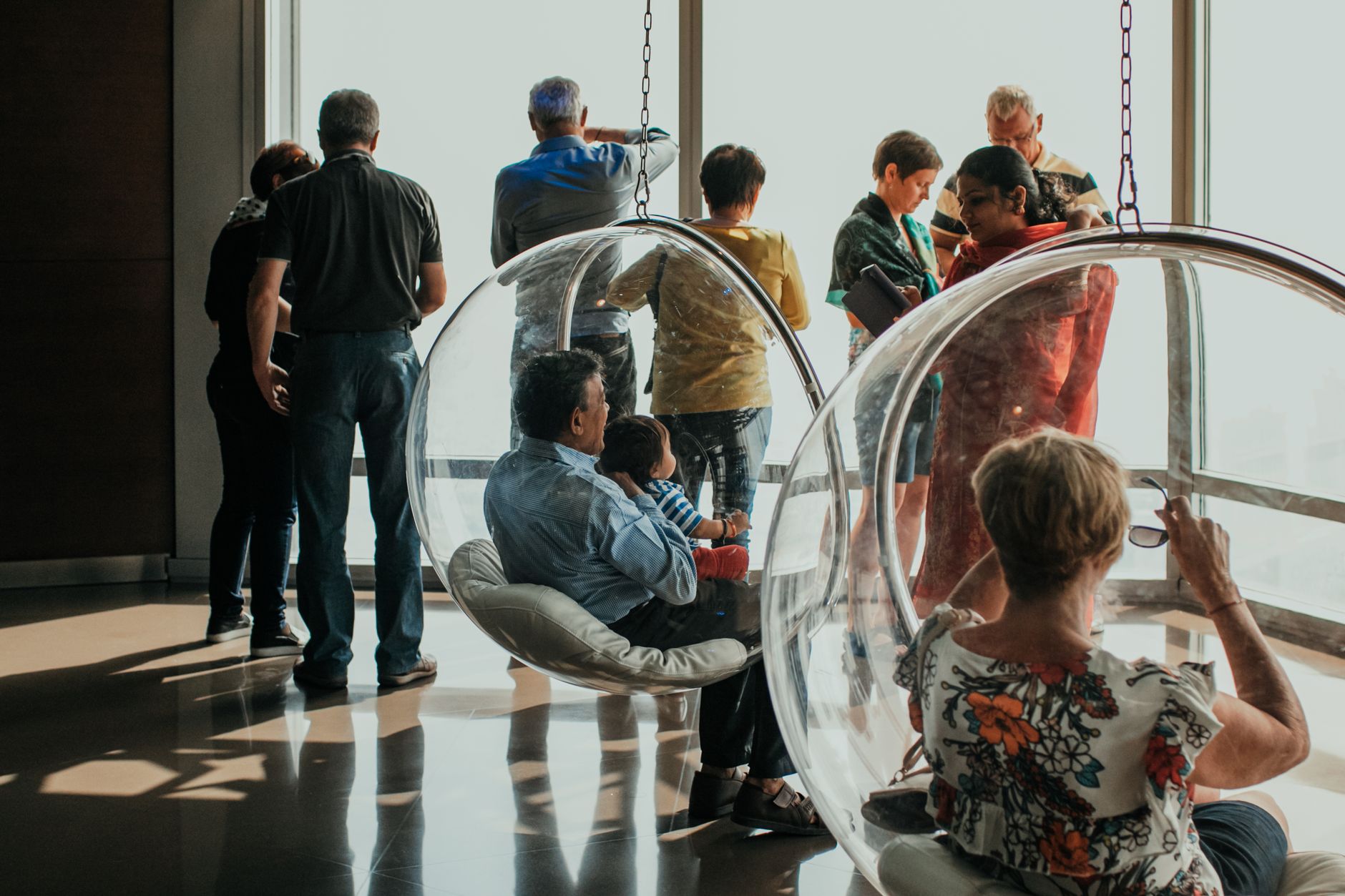
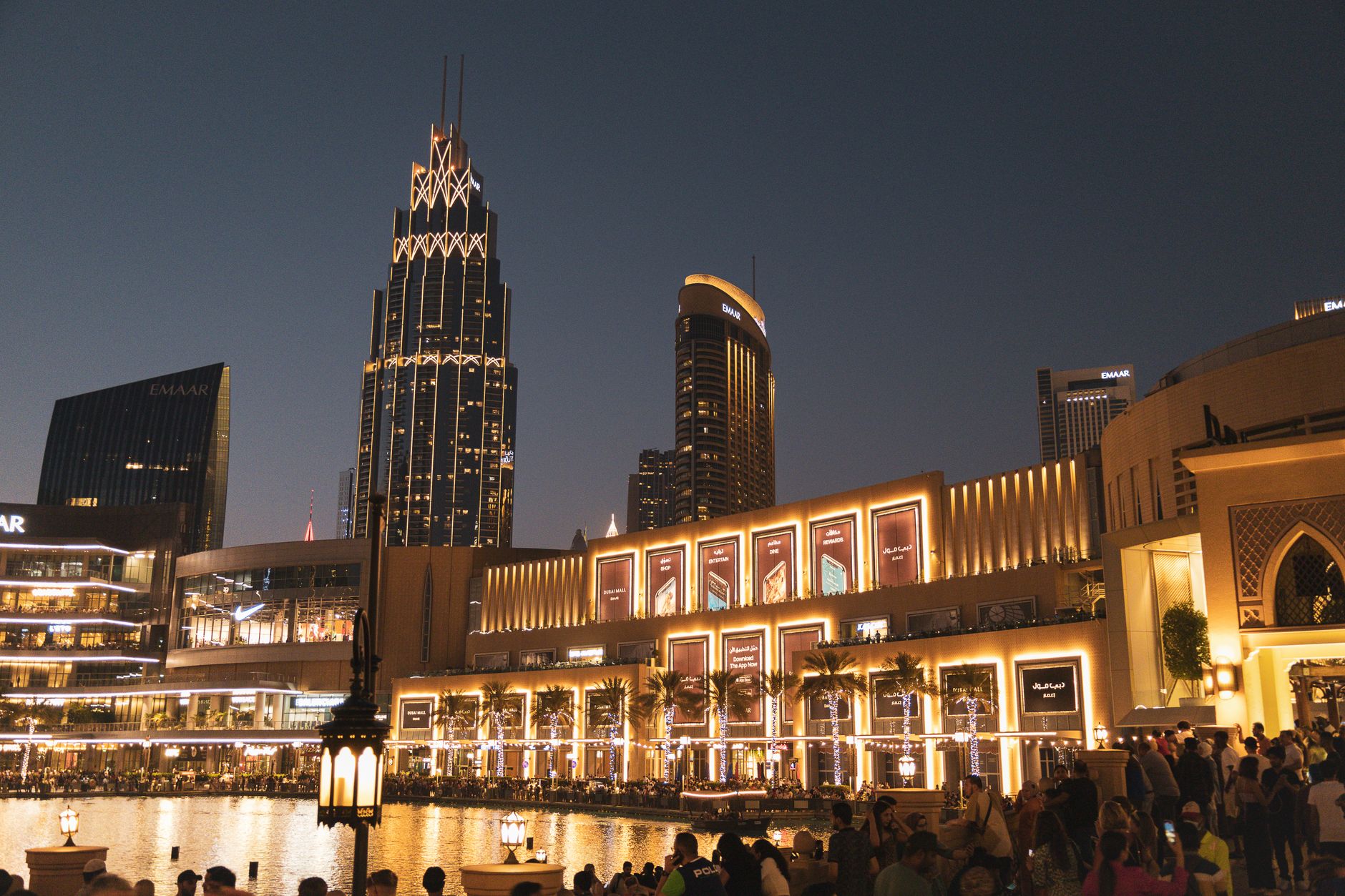
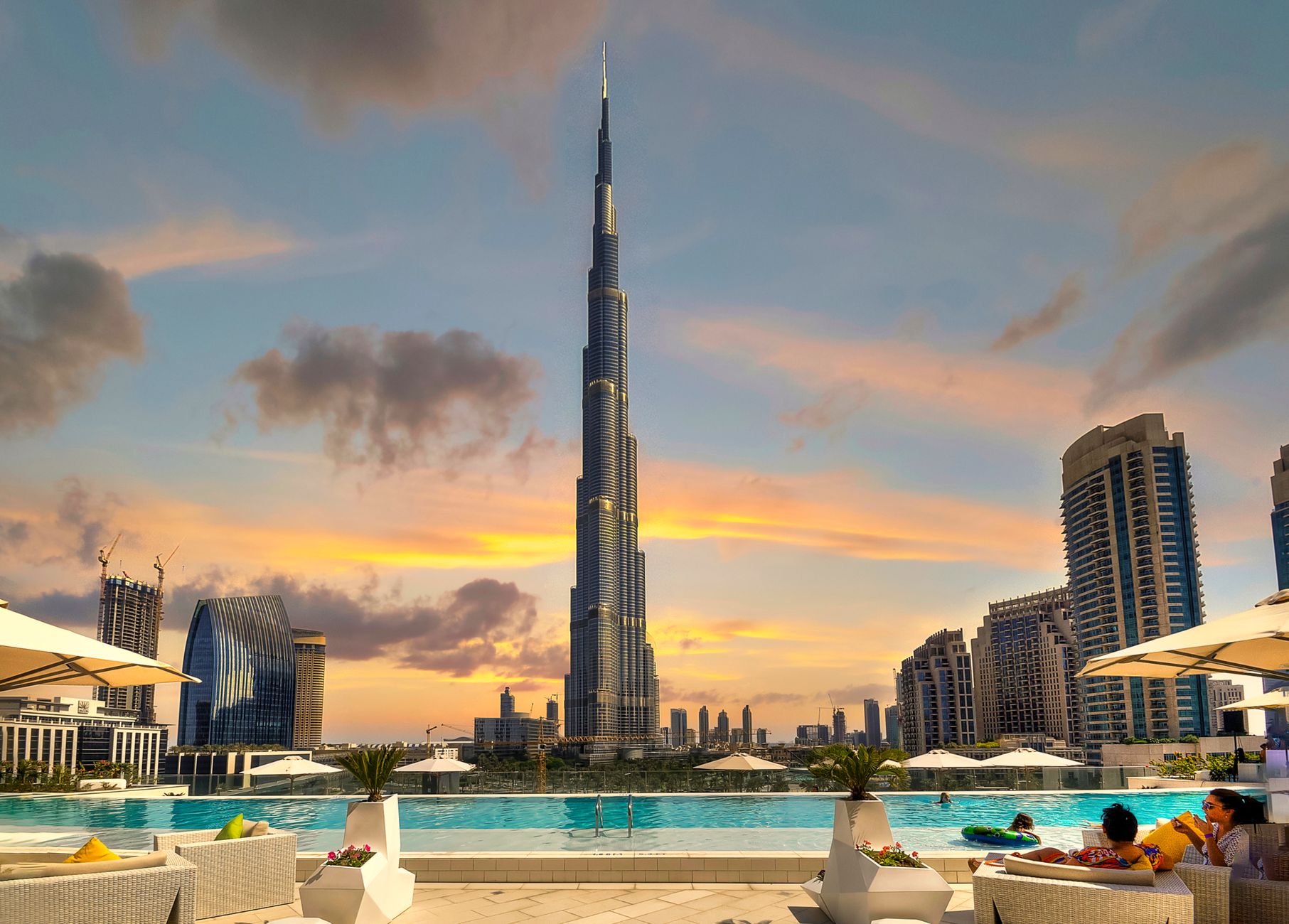
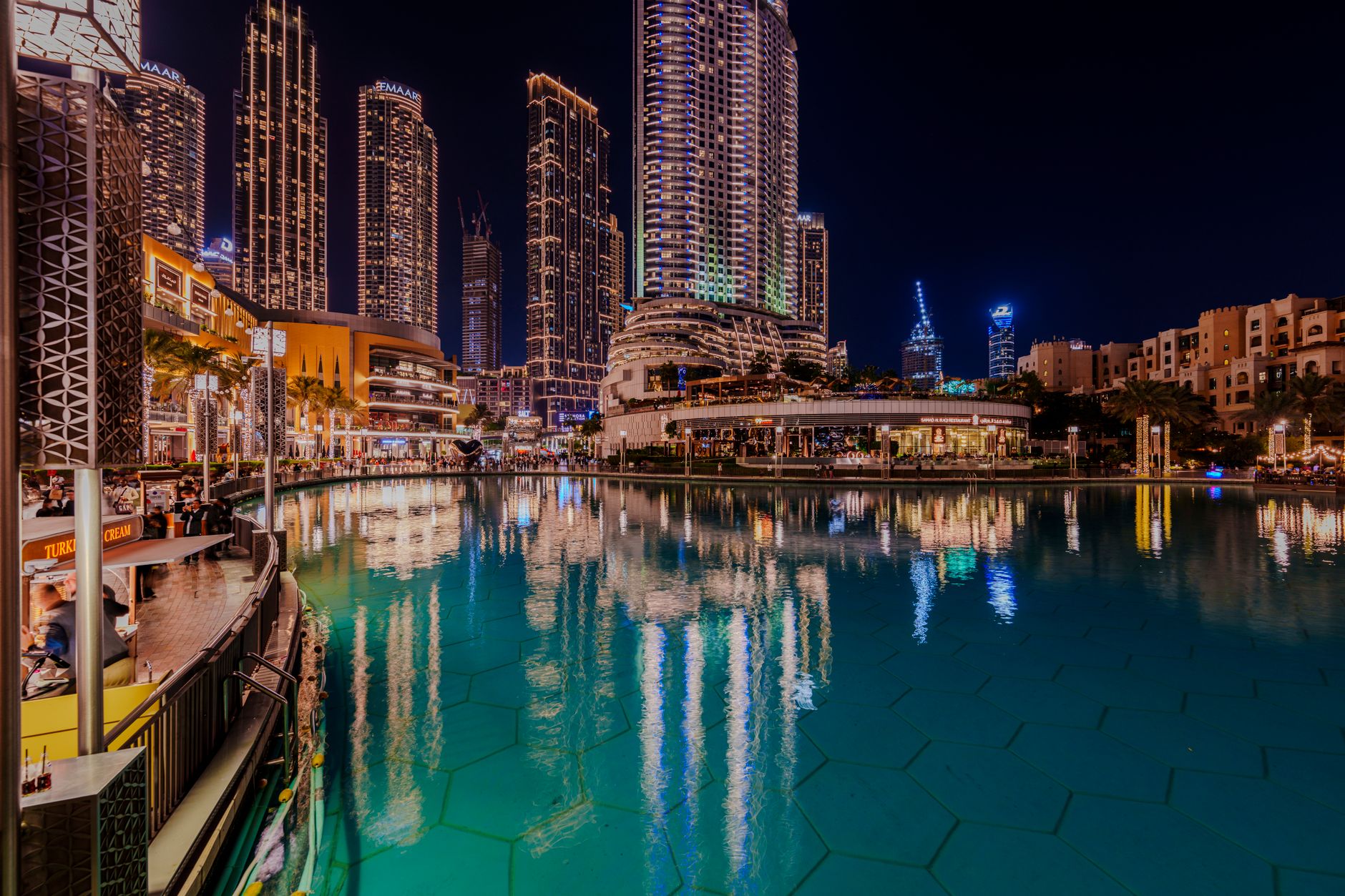
The Burj Khalifa announces itself long before you reach it — a slender needle of steel and glass that appears above the highway while you're still kilometres away, then keeps growing until you're standing at its base looking straight up at 828 metres of engineered ambition. Downtown Dubai is the district built around that single fact: a 2-square-kilometre patch of desert that didn't exist in any recognisable form before 2004, now holding the world's tallest tower, one of its largest malls, and a choreographed fountain that throws 22,000 gallons of water into the air every evening.
The scale is the point. Sheikh Mohammed bin Rashid Boulevard loops the whole district for 3.5 kilometres, lined with restaurants, outdoor art from Emaar's cultural programme, and a steady current of people moving between landmarks. It rewards a slow walk more than a rushed itinerary.
💛 What travellers fall for
Regulars tend to sidestep the mall's main entrances and come through the Metro Link Bridge from Burj Khalifa/Dubai Mall station — air-conditioned, direct, and it drops you right into the action. For the fountain, the terrace at Souk Al Bahar gives you a clear sightline across the water without the crowd pressed against the main boardwalk railing.
Deals in Downtown Dubai
Book directly at the provider


How Downtown Dubai came to be
Before any of this existed, the area was called Umm Al Tarif — undeveloped desert on the edge of the city. Emaar Properties conceived the Downtown project in the early 2000s, broke ground in 2004, and ramped into full construction by 2006. The ambition was explicit: a self-contained urban district built from scratch at a cost eventually estimated at US$20 billion.
The Burj Khalifa, designed by Adrian Smith and structural engineer Bill Baker of Chicago's Skidmore, Owings & Merrill, took just over five years to build and opened on 4 January 2010. Dubai Mall had already launched in November 2008; Dubai Opera followed in August 2016. The boulevard encircling the district was renamed in December 2012 to honour Sheikh Mohammed bin Rashid Al Maktoum. By 2017 the resident population stood at just over 13,000 people — a city quarter conjured from sand in under fifteen years.
Who and what shaped it
People who shaped it
Landmark buildings
See Downtown Dubai in motion
Plan your visit
On the map
When to go
October through April is when Downtown Dubai is genuinely comfortable to walk — daytime temperatures sit between the mid-20s and low 30s Celsius, and evenings on the boulevard are pleasant. Summer, particularly July and August, pushes daily highs to around 40°C with humidity that makes outdoor time between the landmarks a short-distance endurance test; most visitors stick to the air-conditioned interiors during those months.
Right now
Background & history adapted from Wikipedia (CC BY-SA) · specs from Wikidata (CC0) · weather from Open-Meteo · map data © OpenStreetMap contributors · photos from Wikimedia Commons / Unsplash with per-image credit. No third-party reviews or social posts reproduced.