
Jumeirah
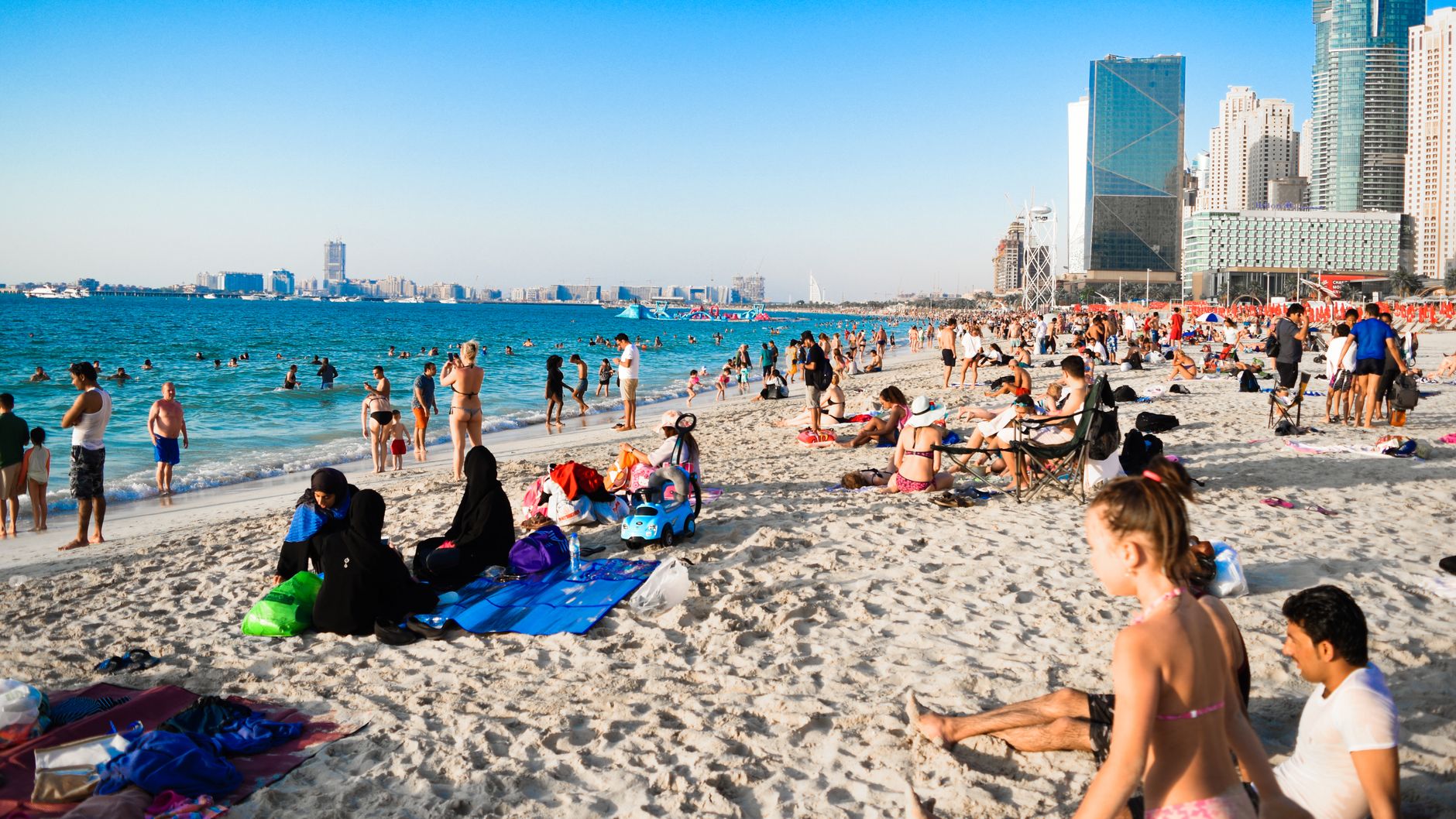
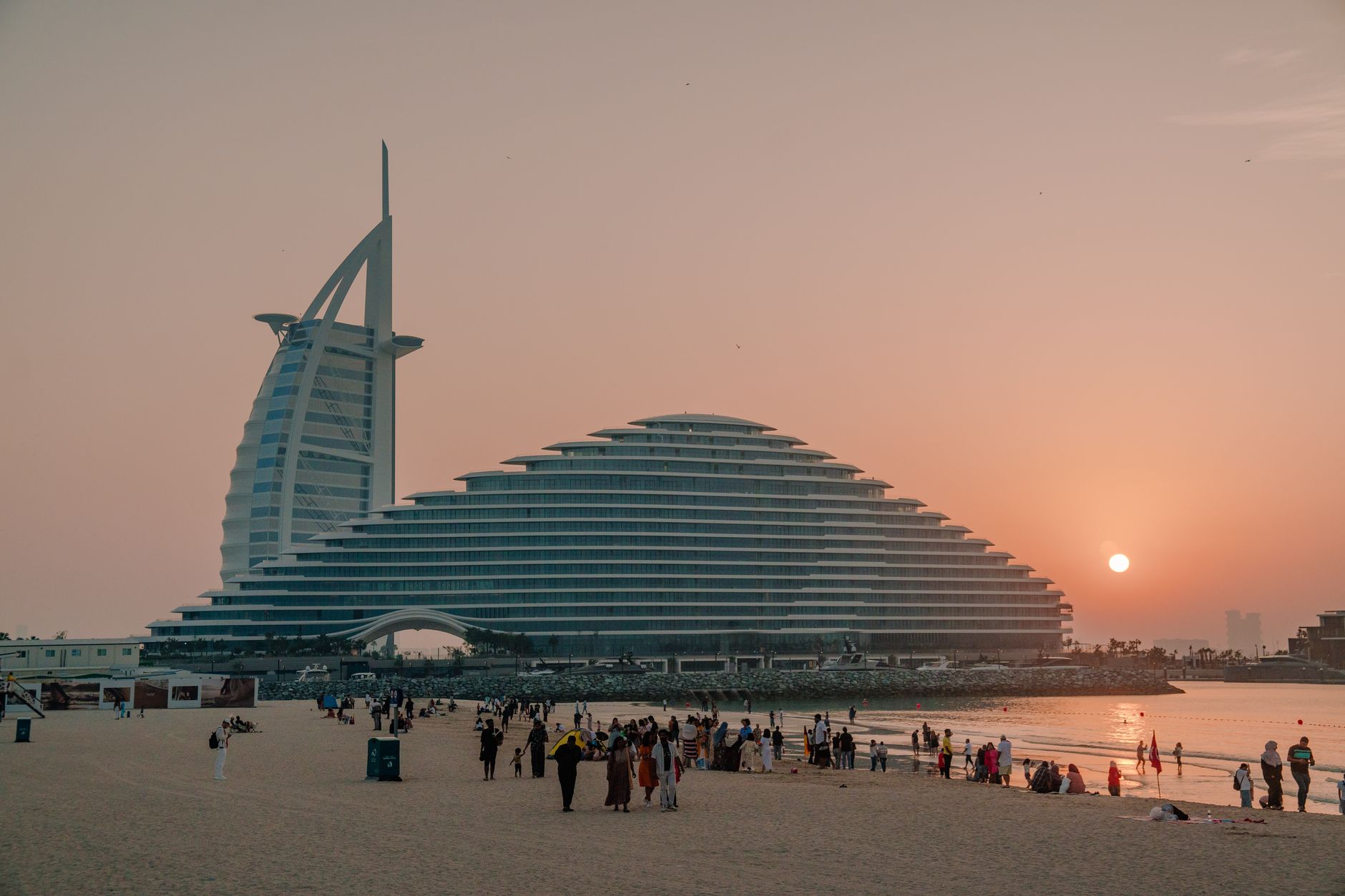
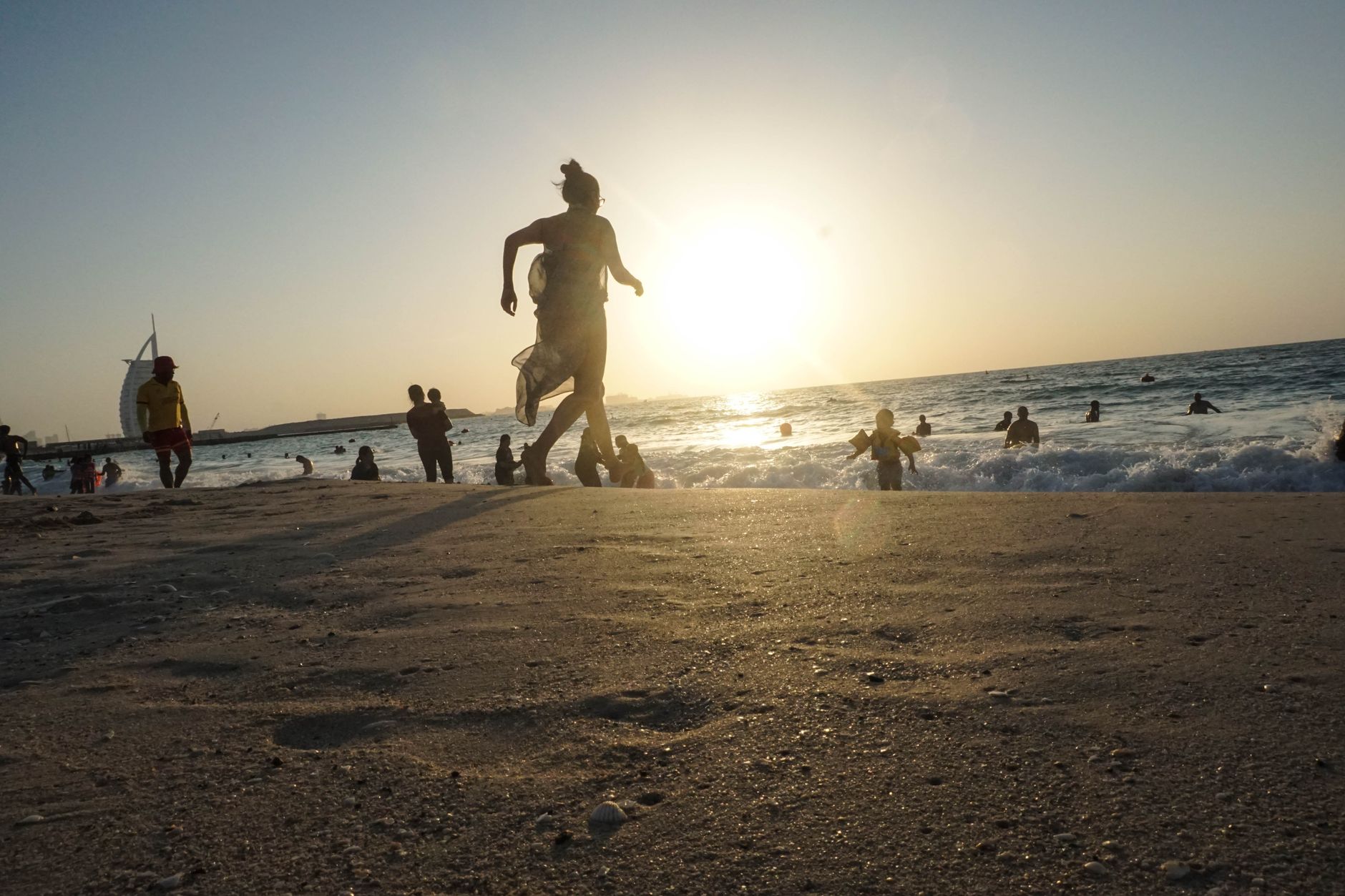
Before the sail-shaped silhouette of the Burj Al Arab became Dubai's most-photographed skyline, this strip of coastline was known as Chicago Beach — named not for any American glamour but for the Chicago Bridge & Iron Company, which once welded floating oil storage tankers on the shore. That layering of the industrial and the improbable runs through Jumeirah's whole character.
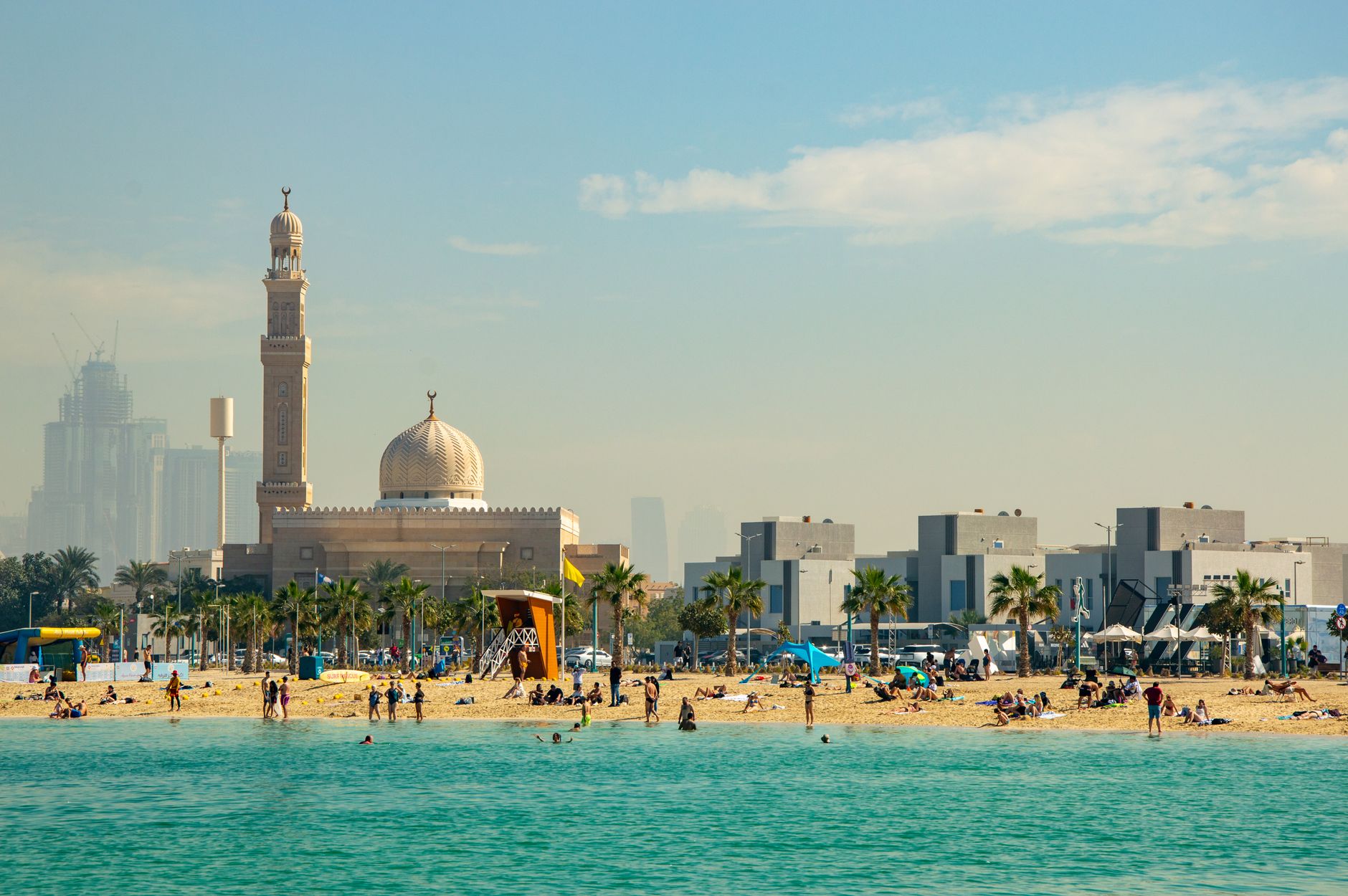
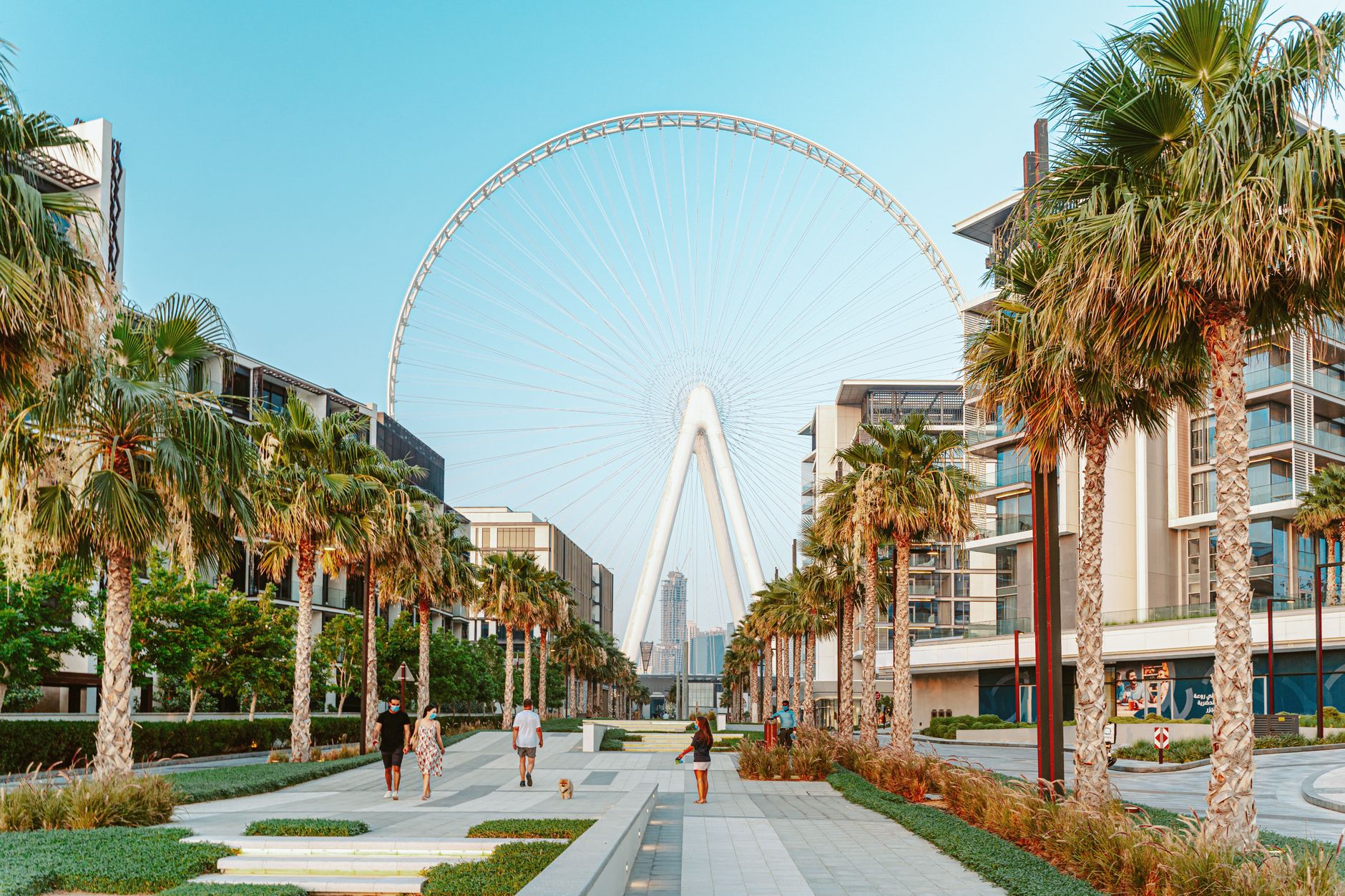
Today it stretches from the low-rise residential streets where Dubai's first western expats settled in the 1960s out to a palm-shaped island that didn't exist until 2001. The white-stone mosque on the main road appears on the 500-dirham note. The coastline it guards has been remade several times over — and keeps remaking itself.
💛 What travellers fall for
Regulars tend to time a visit to Jumeirah Mosque for the morning open-door session, when the Fatimid-style interior is coolest and least crowded. The View at The Palm on the 52nd floor of Palm Tower is worth the detour for the one clear sight that makes the island's geometry suddenly legible — you can't really understand the scale from ground level.
Deals in Jumeirah
Book directly at the provider


How Jumeirah came to be
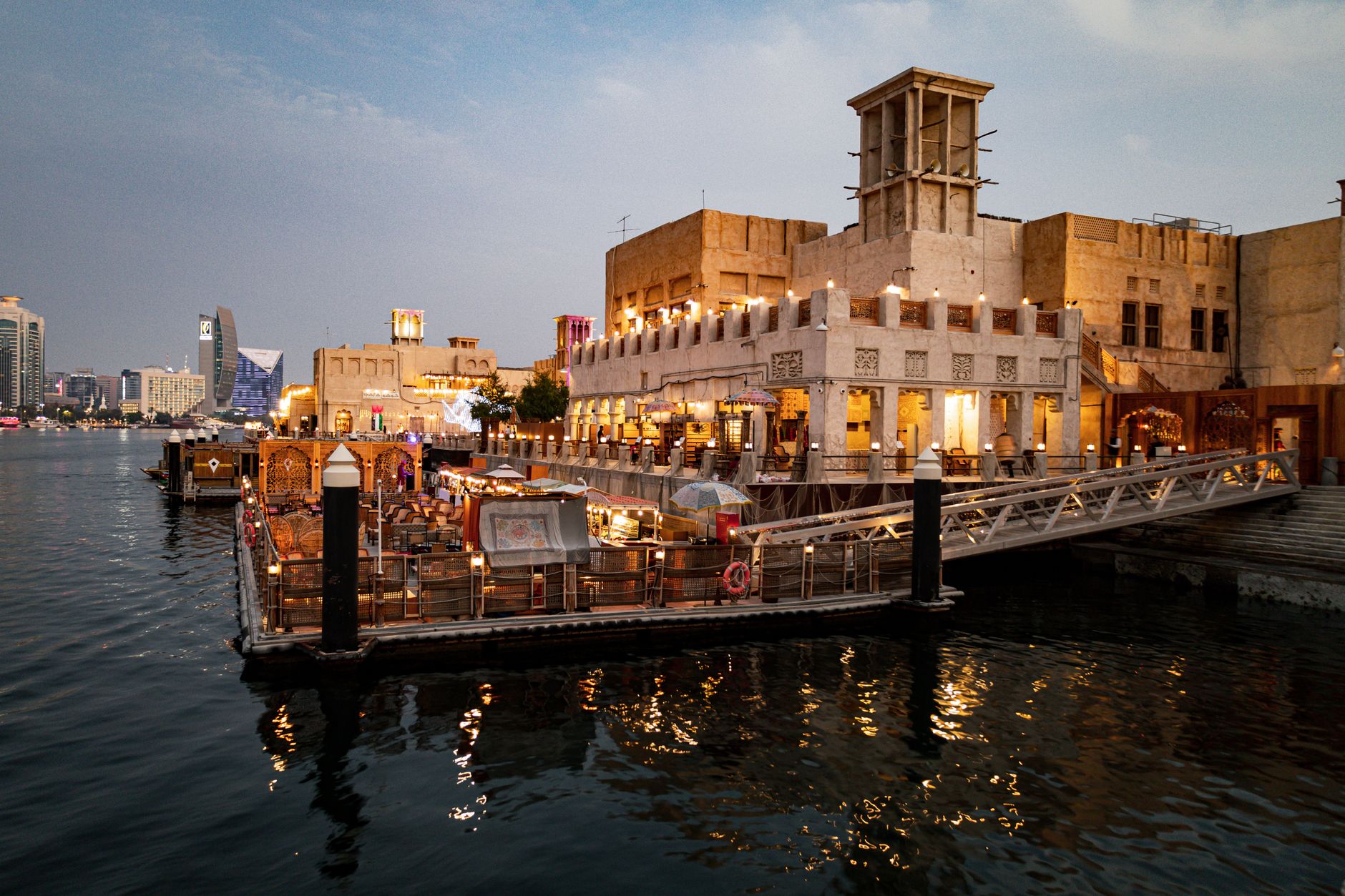
Excavations begun in 1969 at the Jumeirah Archaeological Site placed human settlement here as far back as the 10th century CE, when the area sat on a caravan route connecting the Indian subcontinent and China to Oman and Iraq. By the early 20th century it had contracted to a village of roughly 45 palm-leaf huts, home to settled Bedouin of the Bani Yas and Manasir tribes who fished, dived for pearls and traded along the coast.
The modern neighbourhood began taking shape in the 1960s as the primary address for western expatriates arriving during Dubai's oil era. The opening of the Jumeirah Beach Hotel in 1997 — and the Burj Al Arab two years later, designed by Tom Wright of Atkins and rising 321 metres from its own artificial island — signalled the ambition that would eventually produce Palm Jumeirah, conceived by Sheikh Mohammed bin Rashid Al Maktoum and officially opened in November 2008.
Who and what shaped it
People who shaped it
Landmark buildings
See Jumeirah in motion
Plan your visit
On the map
When to go
From November to March, sea breezes keep the coast mild and the water swimmable, with daytime temperatures in the low-to-mid twenties Celsius. From June through September, humidity and heat above 40°C make the beach impractical for most of the day.
Right now
Background & history adapted from Wikipedia (CC BY-SA) · specs from Wikidata (CC0) · weather from Open-Meteo · map data © OpenStreetMap contributors · photos from Wikimedia Commons / Unsplash with per-image credit. No third-party reviews or social posts reproduced.