
Al Nahda
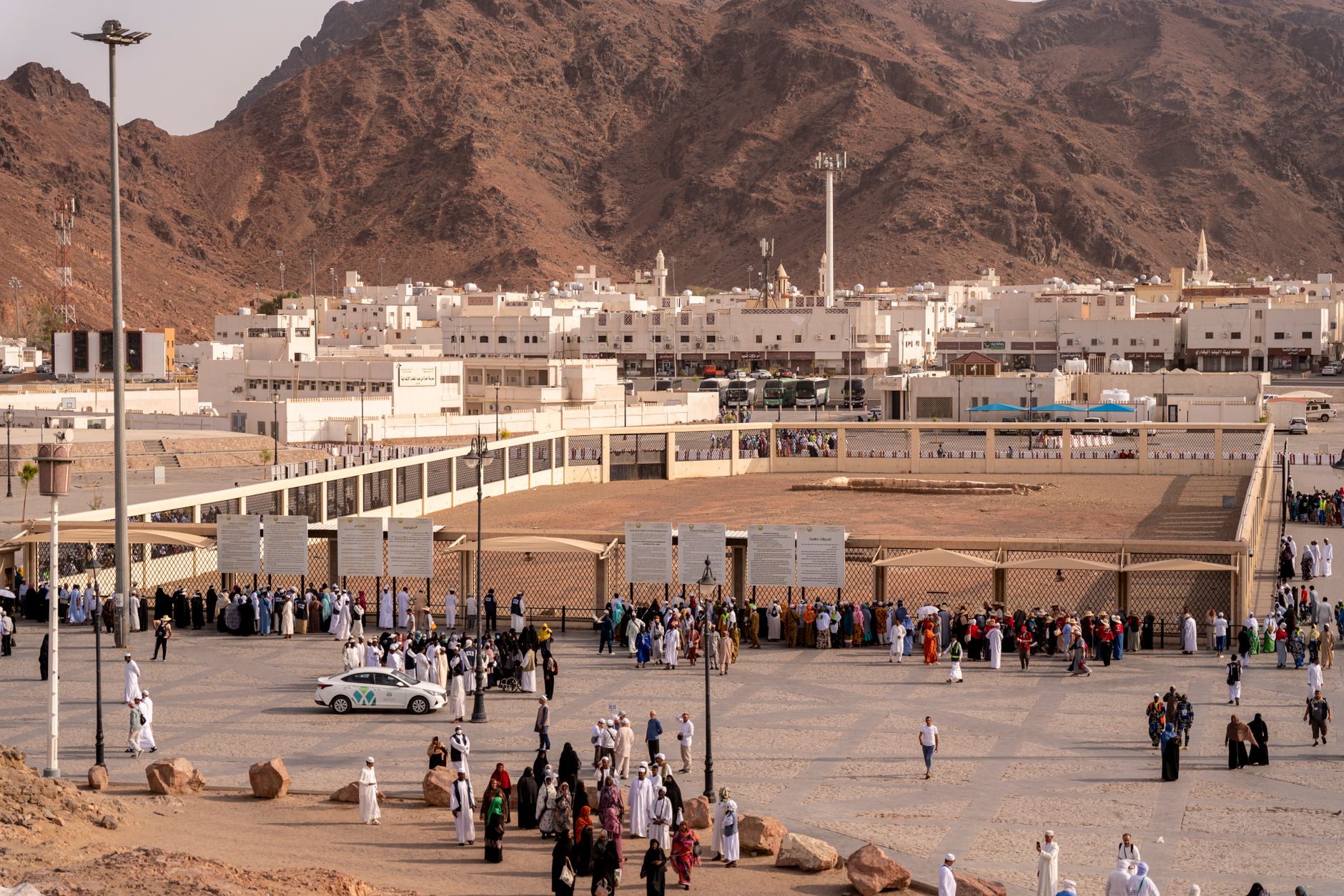
Al Nahda sits at Dubai's eastern edge, where the emirate quietly hands off to Sharjah along a boundary that means little to the families who live across it. The streets here have a domestic rhythm — tailors working in ground-floor units, bakeries doing steady trade, pharmacies on every other corner. This is a neighbourhood built for people who are actually staying.
Divided into Al Nahda 1 and Al Nahda 2, the district draws largely South Asian families who found here a combination of affordable rents, familiar food, and decent schools. The Pond Park offers a circuit of jogging track and water; Rashid Stadium anchors the western edge. It is not a place you pass through — it's a place people set down roots.
💛 What travellers fall for
Regulars tend to mention the same few things: get to Al Nahda Pond Park in the early morning before the heat arrives, find your tailor in one of the ground-floor shops along the residential blocks rather than a mall, and use the F21 feeder bus to connect Stadium Metro with Al Nahda 2 — it runs every fifteen minutes and saves you the walk.
Experiences you don't want to miss


Deals in Al Nahda
Book directly at the provider
How Al Nahda came to be
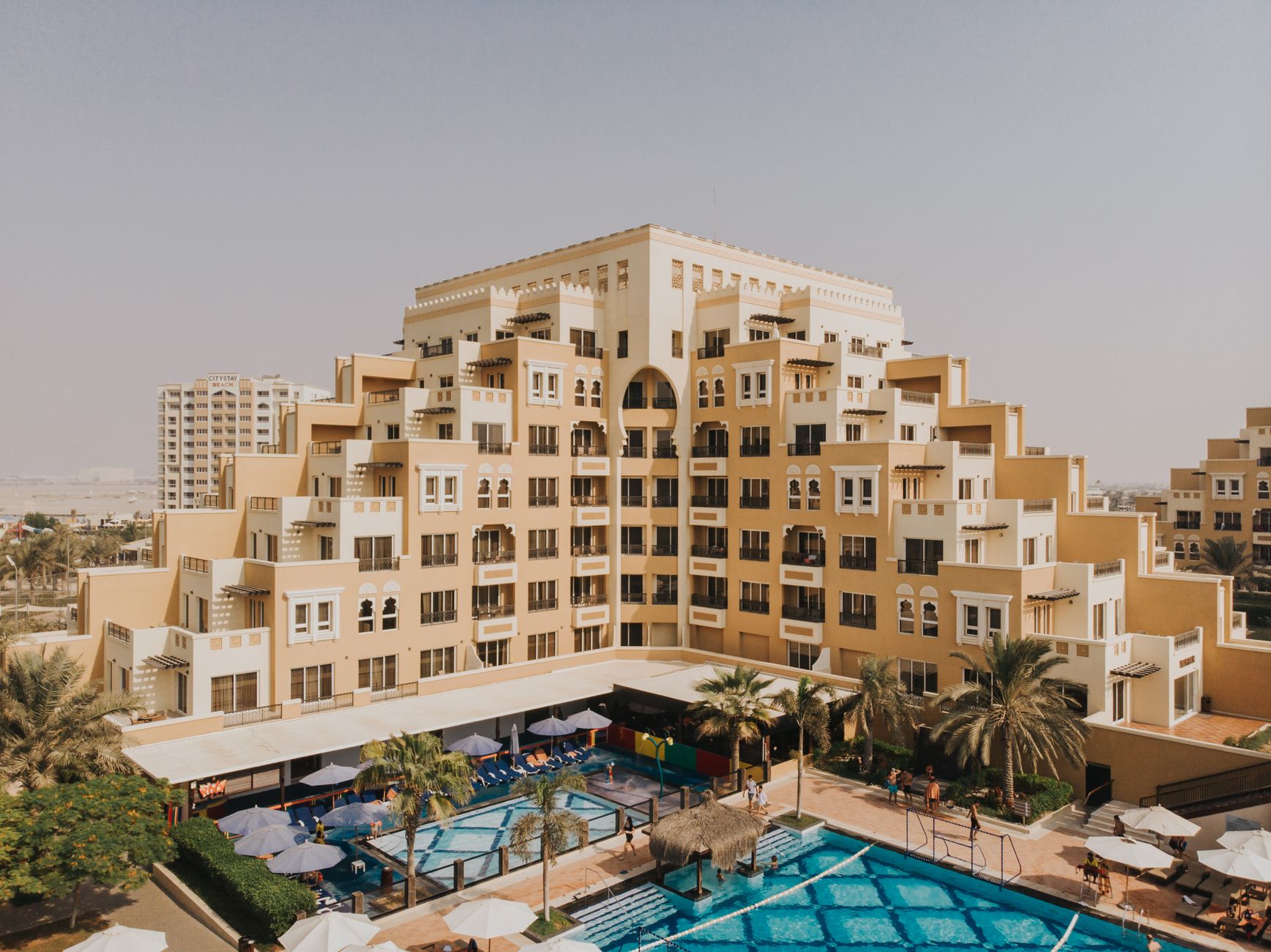
Al Nahda was not always residential. The land was carved from the Al Qusais Industrial Area, and it was only around 2000 that the first residential buildings went up under Dubai Municipality oversight. The shift was deliberate — part of Dubai's 1993–2012 Strategic Plan, which pushed housing development into peripheral zones to absorb a growing population and support the emirate's broader economic diversification goals.
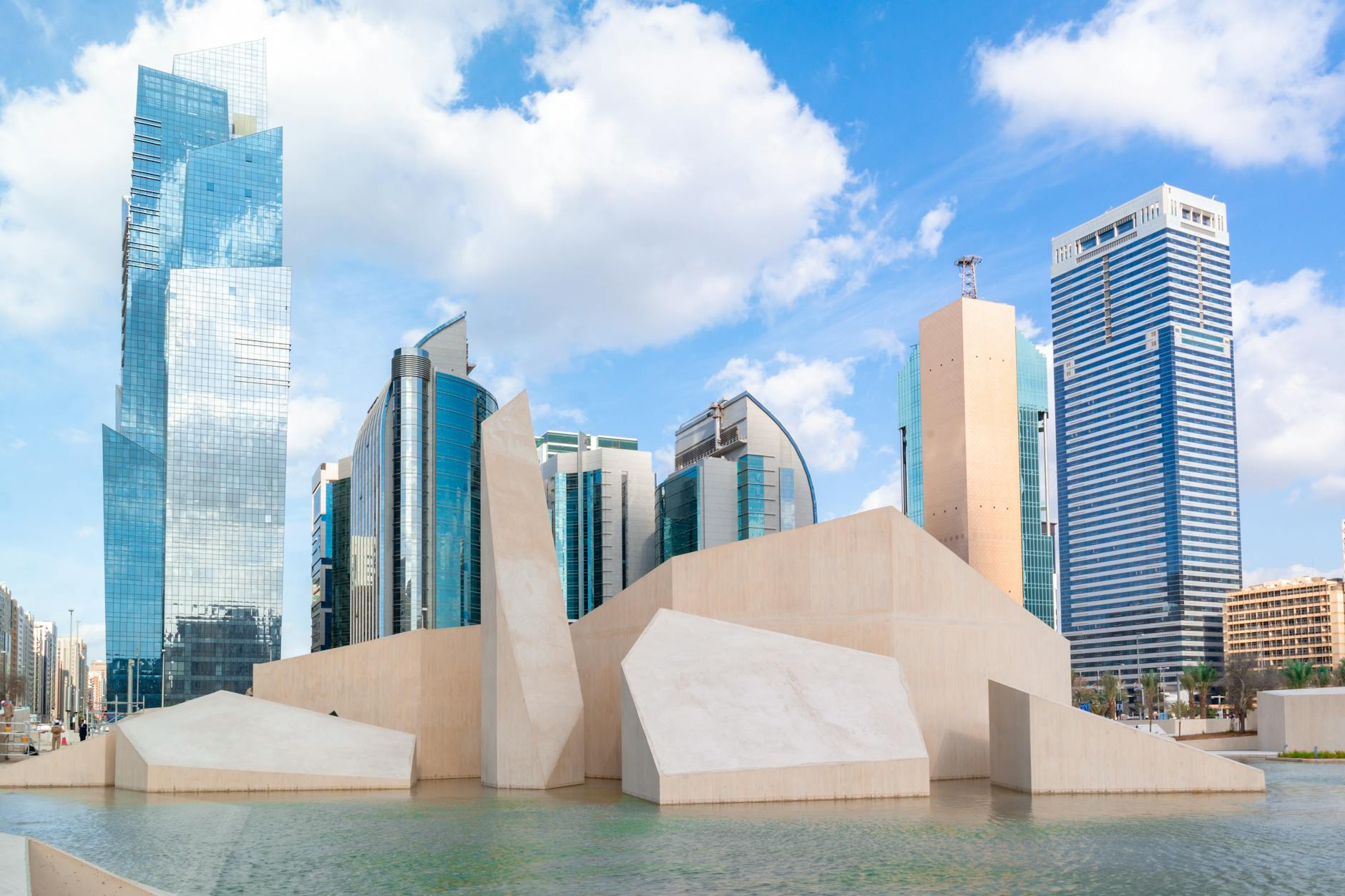
The Green Line metro station that now bears the neighbourhood's name opened on 9 September 2011, connecting Al Nahda to the wider city and accelerating its transformation into a settled, self-sufficient community. In little more than two decades, what had been sparse industrial land became a district of mid- and high-rise apartment blocks, community parks, and a college campus.
Who and what shaped it
Landmark buildings
See Al Nahda in motion
Plan your visit
On the map
When to go
November through March brings the most comfortable conditions — daytime temperatures around 25°C, with cooler nights near 12–15°C and occasional short downpours. From late April through October the heat is serious: suburban highs reach 43°C in July and August, with high humidity and dust storms making time outdoors genuinely uncomfortable.
Right now
Background & history adapted from Wikipedia (CC BY-SA) · specs from Wikidata (CC0) · weather from Open-Meteo · map data © OpenStreetMap contributors · photos from Wikimedia Commons / Unsplash with per-image credit. No third-party reviews or social posts reproduced.