
Bur Dubai
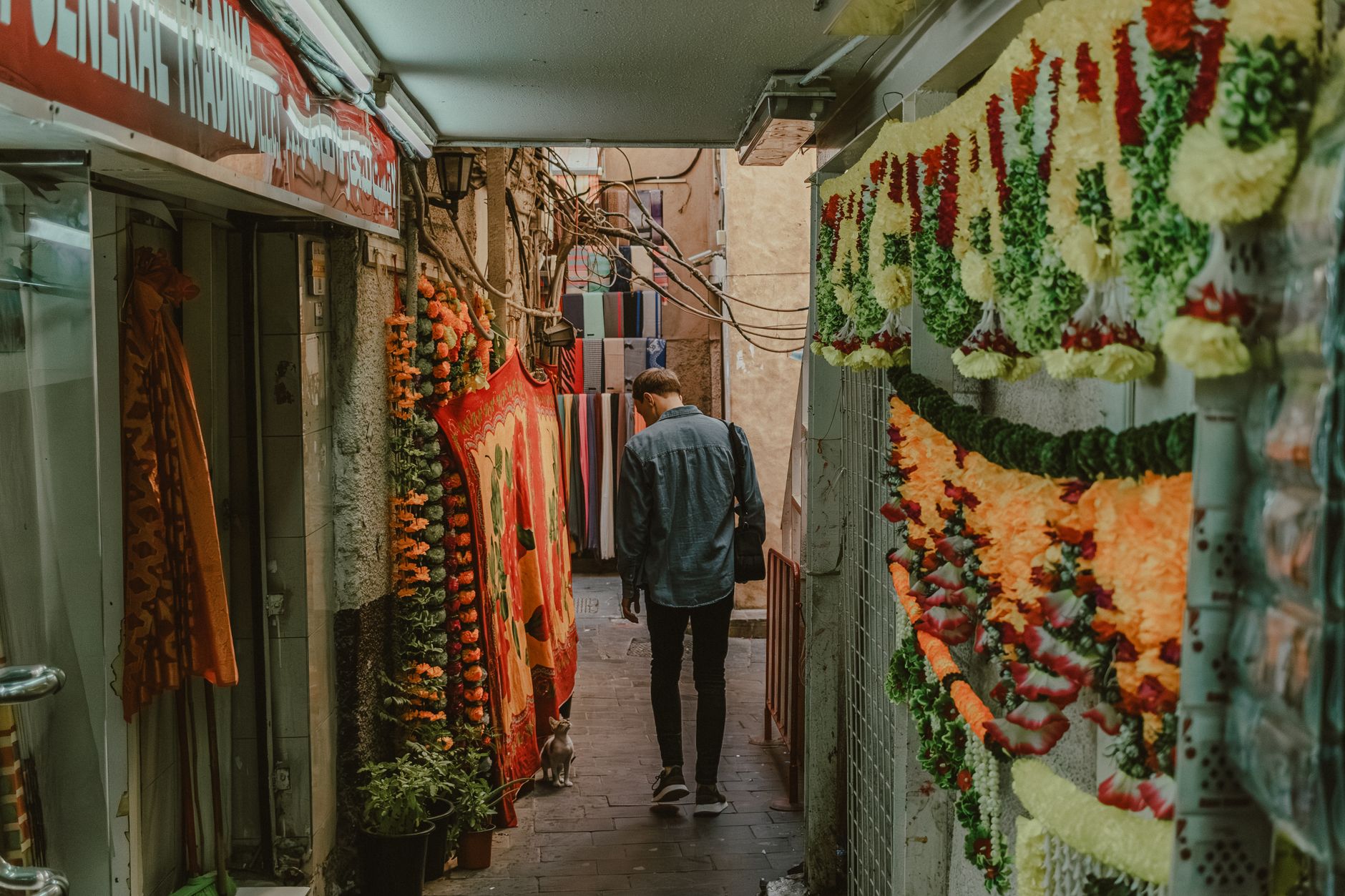
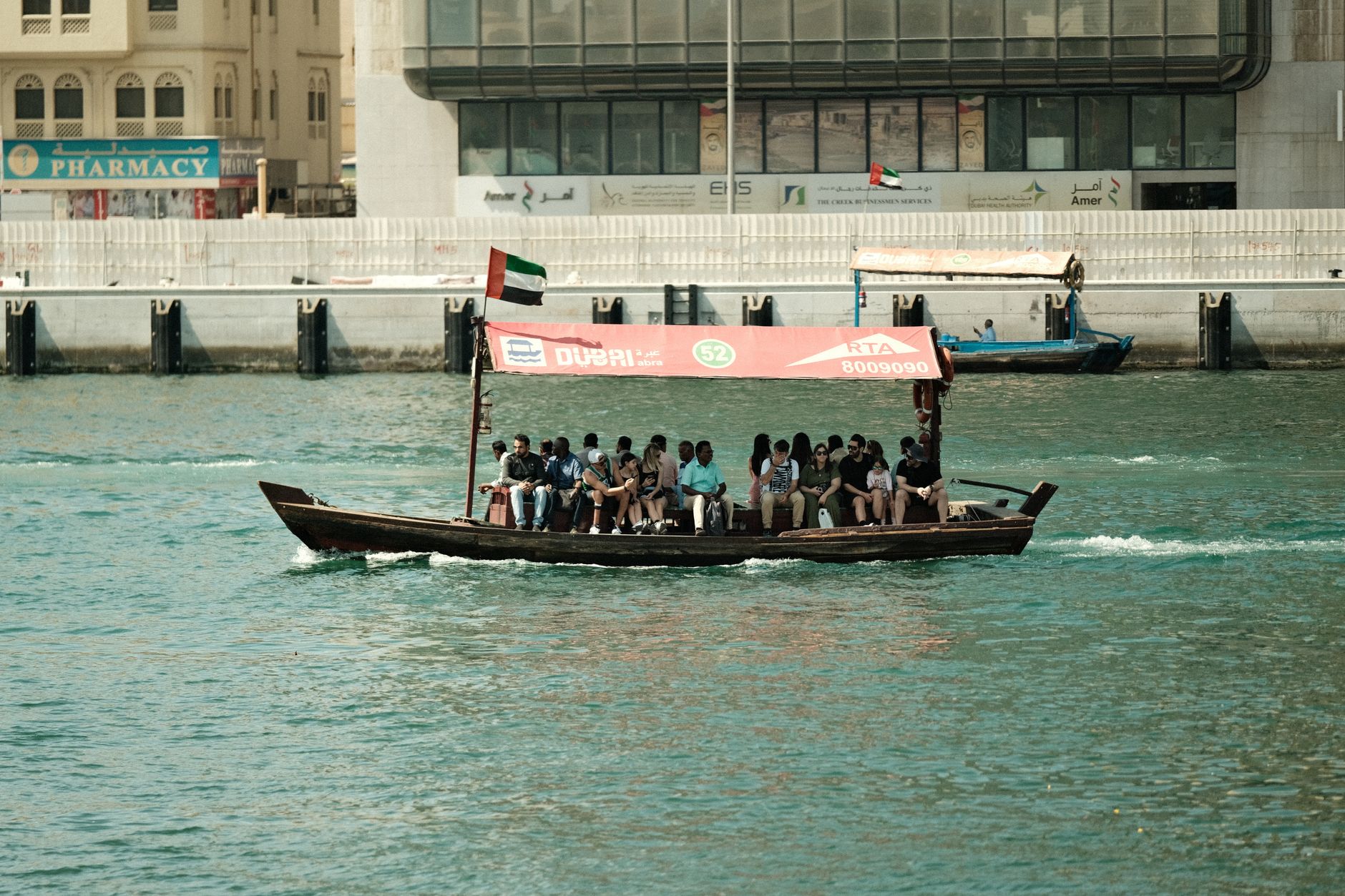
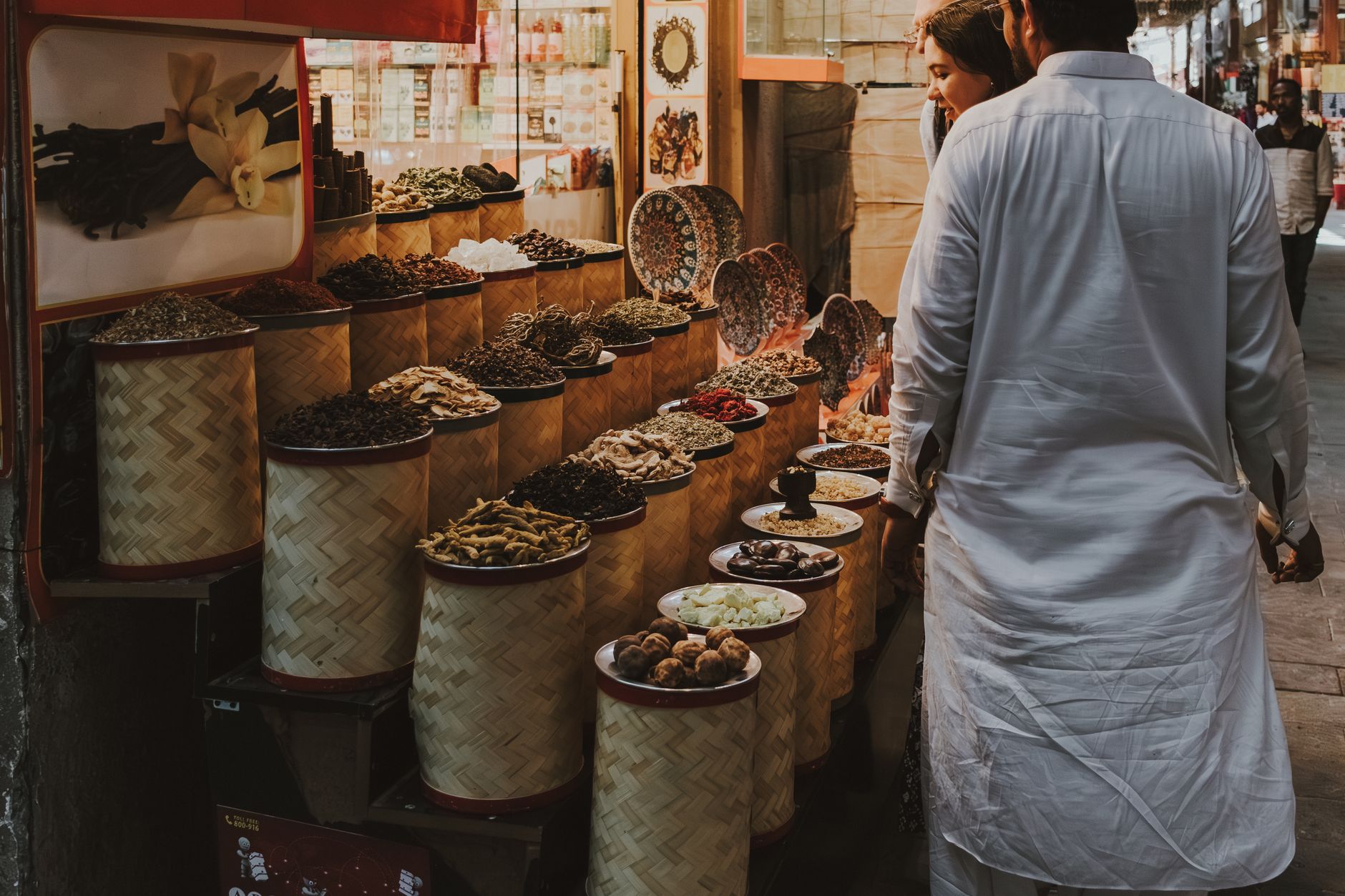
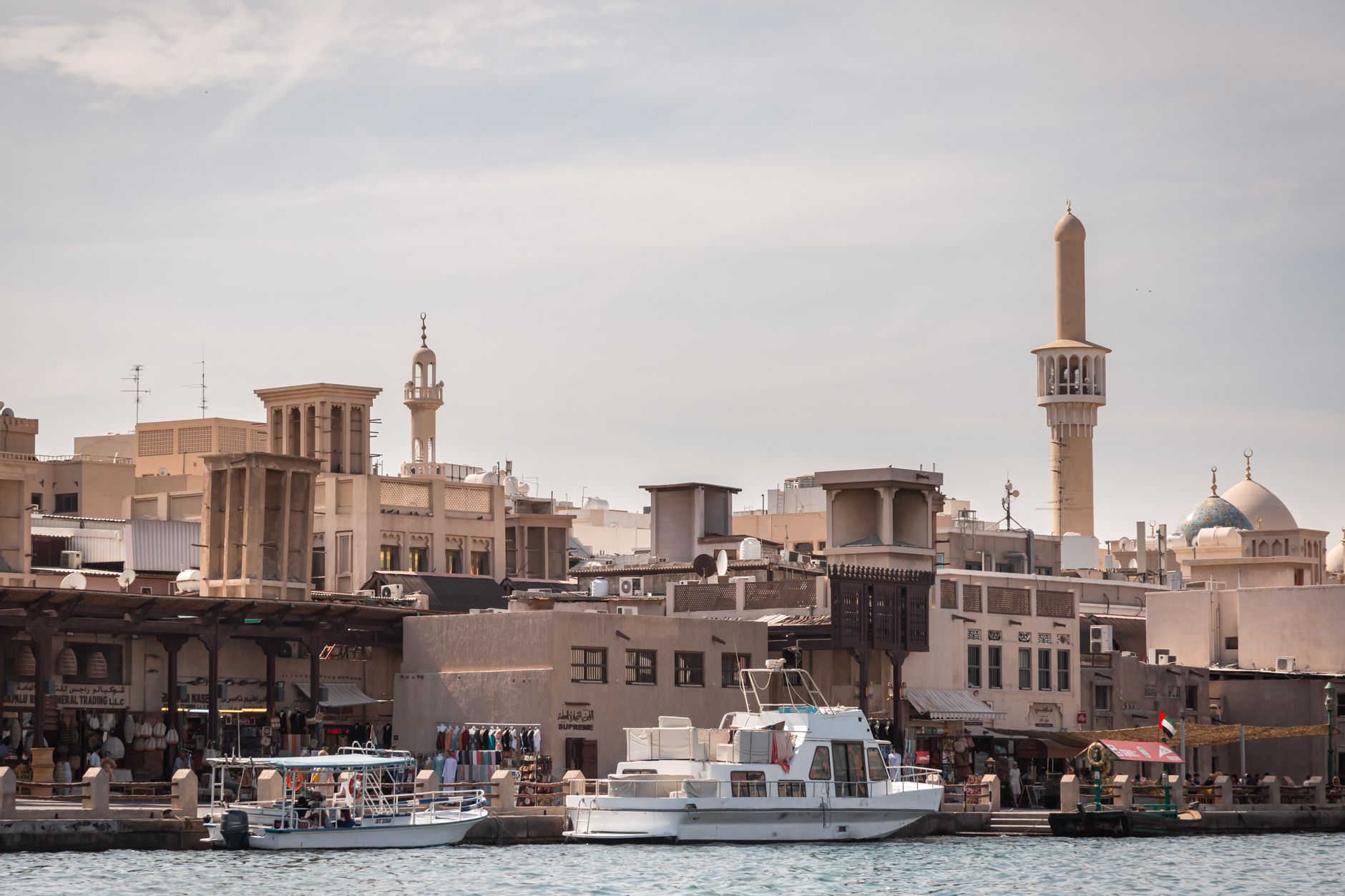
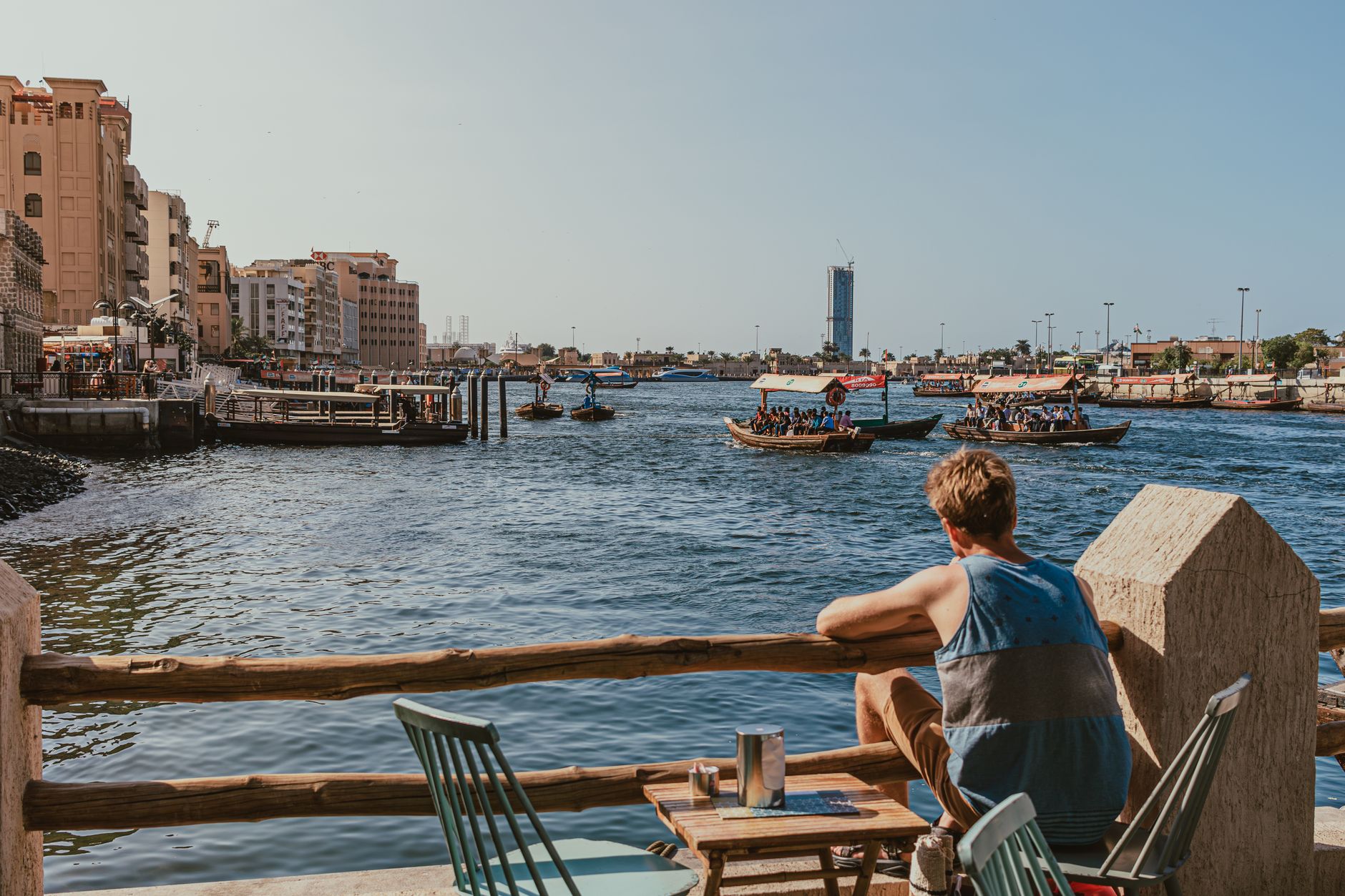
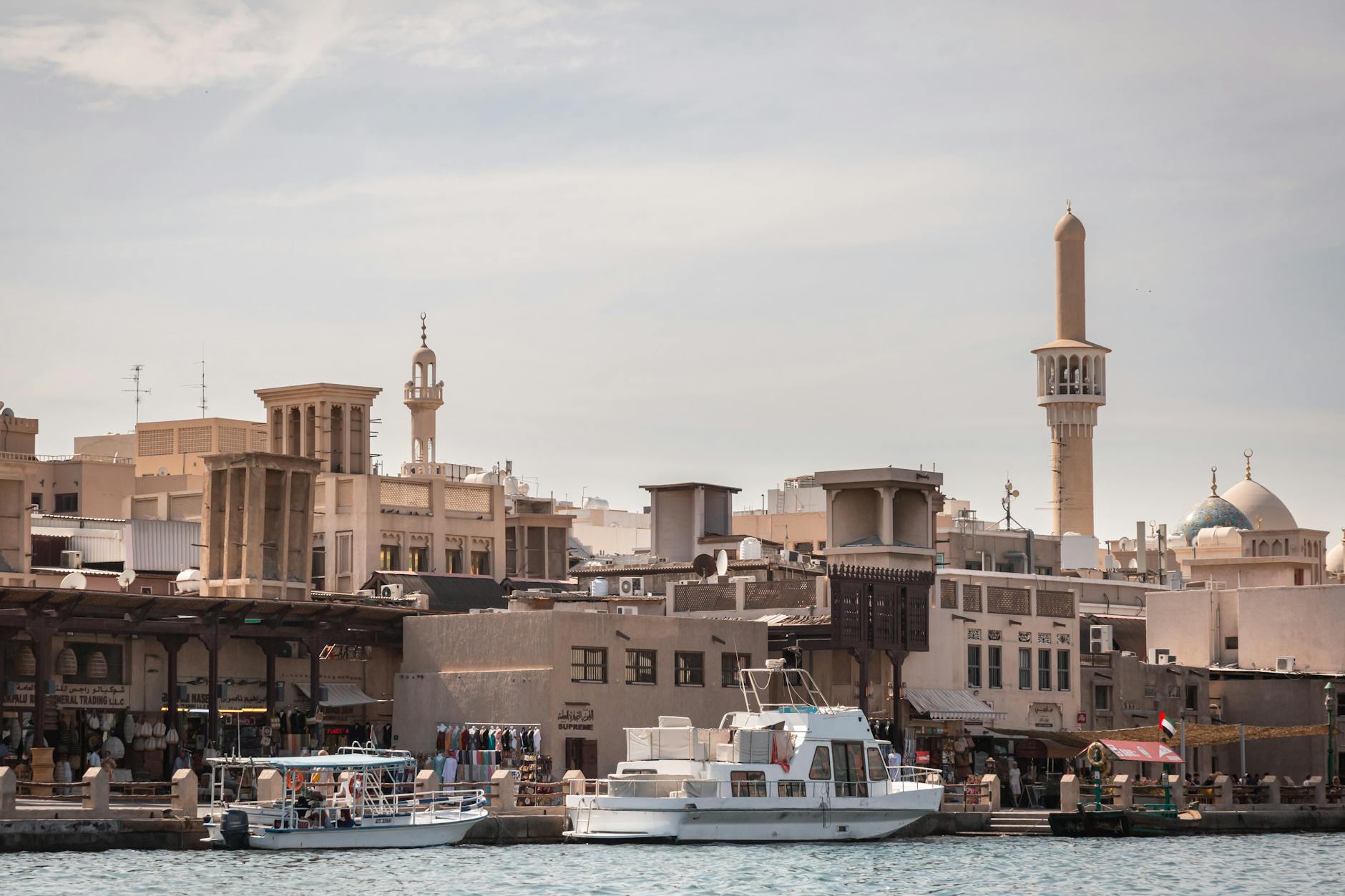
Stand on the waterfront at Al Fahidi and you can read several centuries at once: wind towers rising above courtyard houses, an abra cutting across the creek for 2 dirhams, and the minaret of the Grand Mosque marking the skyline at 70 metres. Bur Dubai is the older half of the city, the side that grew up before oil changed everything.
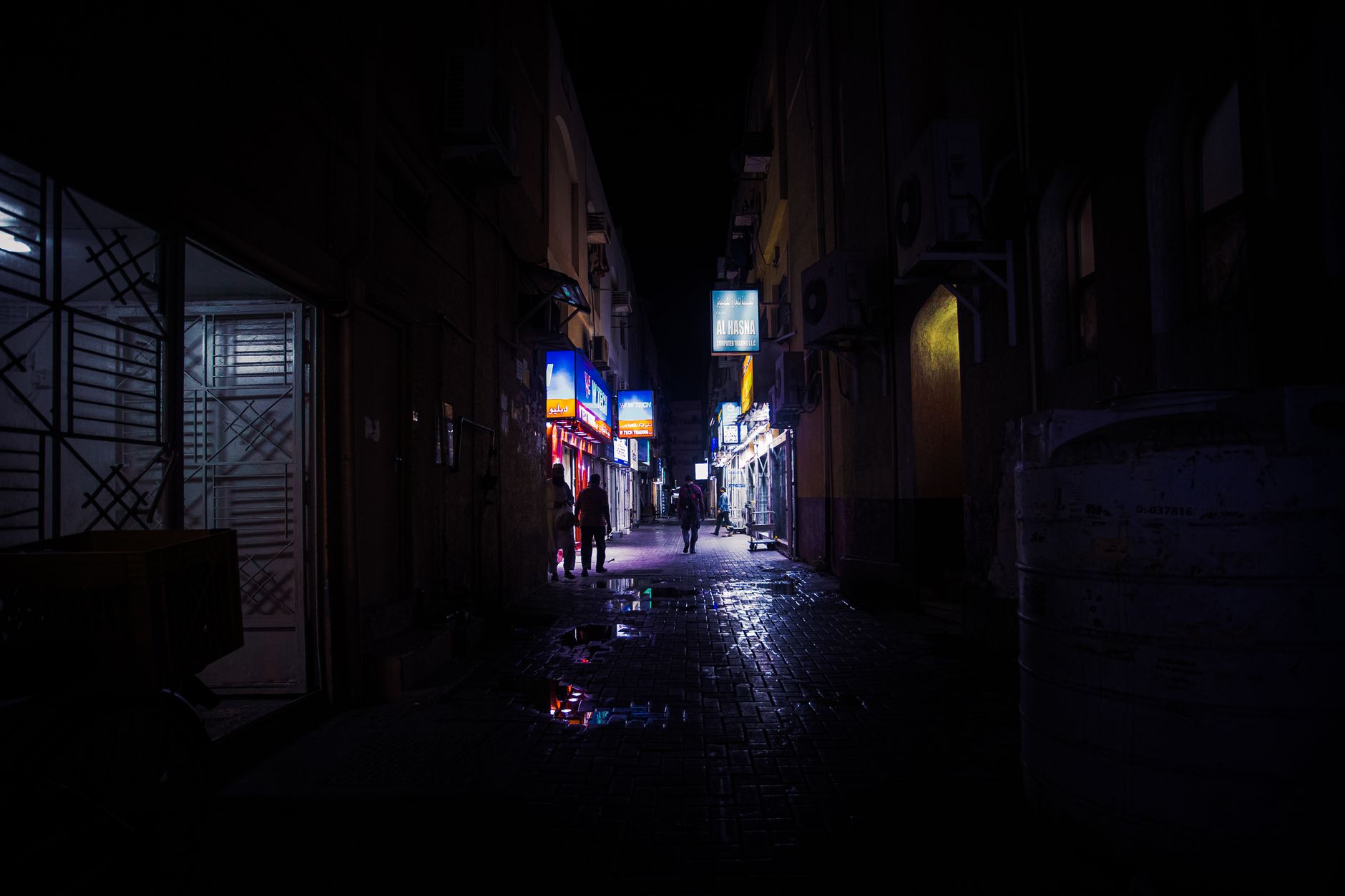
Today it doubles as Dubai's Little India — Al Fahidi Street runs east to west through a corridor of neon-lit shops, sari displays catching the light, and curry houses that don't bother with décor because the food doesn't need it. The two identities sit together without friction, which is part of what makes the neighbourhood worth your time.
💛 What travellers fall for
People who keep coming back tend to start at the Textile Souk before the heat builds, cross to Deira by abra just to make the crossing, and end up at Al Bastakiya in the late afternoon when the wind towers actually do their job. The Dubai Museum charges 3 dirhams — almost everyone agrees it earns it.
Experiences you don't want to miss


Deals in Bur Dubai
Book directly at the provider
How Bur Dubai came to be
In 1833, members of the Al Bu Falasah tribe made the journey from Abu Dhabi to the western shore of Dubai Creek, led by Obeid bin Saeed and Maktoum bin Butti. When Obeid died in 1836, Maktoum bin Butti consolidated power and founded the dynasty that still governs Dubai. The neighbourhood's oldest surviving structure, Al Fahidi Fort, predates even that arrival — built around 1800 to defend the settlement against raids, it later served as the ruler's residence before becoming a museum in 1971.
A smallpox outbreak in 1841 temporarily emptied Bur Dubai, pushing residents east across the creek to Deira. The area recovered, and by 1901 ruler Maktoum bin Hasher Al Maktoum had declared Dubai a free port, drawing traders — many of them from the Indian subcontinent — whose descendants still shape the neighbourhood's character. Between 2013 and 2016, the extension of the creek southward to form the Dubai Water Canal quietly turned Bur Dubai into an island.
Who and what shaped it
People who shaped it
Landmark buildings
See Bur Dubai in motion
Plan your visit
On the map
When to go
December through February is the window when Bur Dubai is genuinely pleasant to walk — daytime temperatures in the low-to-mid twenties, low humidity, comfortable evenings. From late April through October the heat is serious business: daily highs of 40–45°C, with August and September adding humidity that makes shade feel almost irrelevant.
Right now
Background & history adapted from Wikipedia (CC BY-SA) · specs from Wikidata (CC0) · weather from Open-Meteo · map data © OpenStreetMap contributors · photos from Wikimedia Commons / Unsplash with per-image credit. No third-party reviews or social posts reproduced.