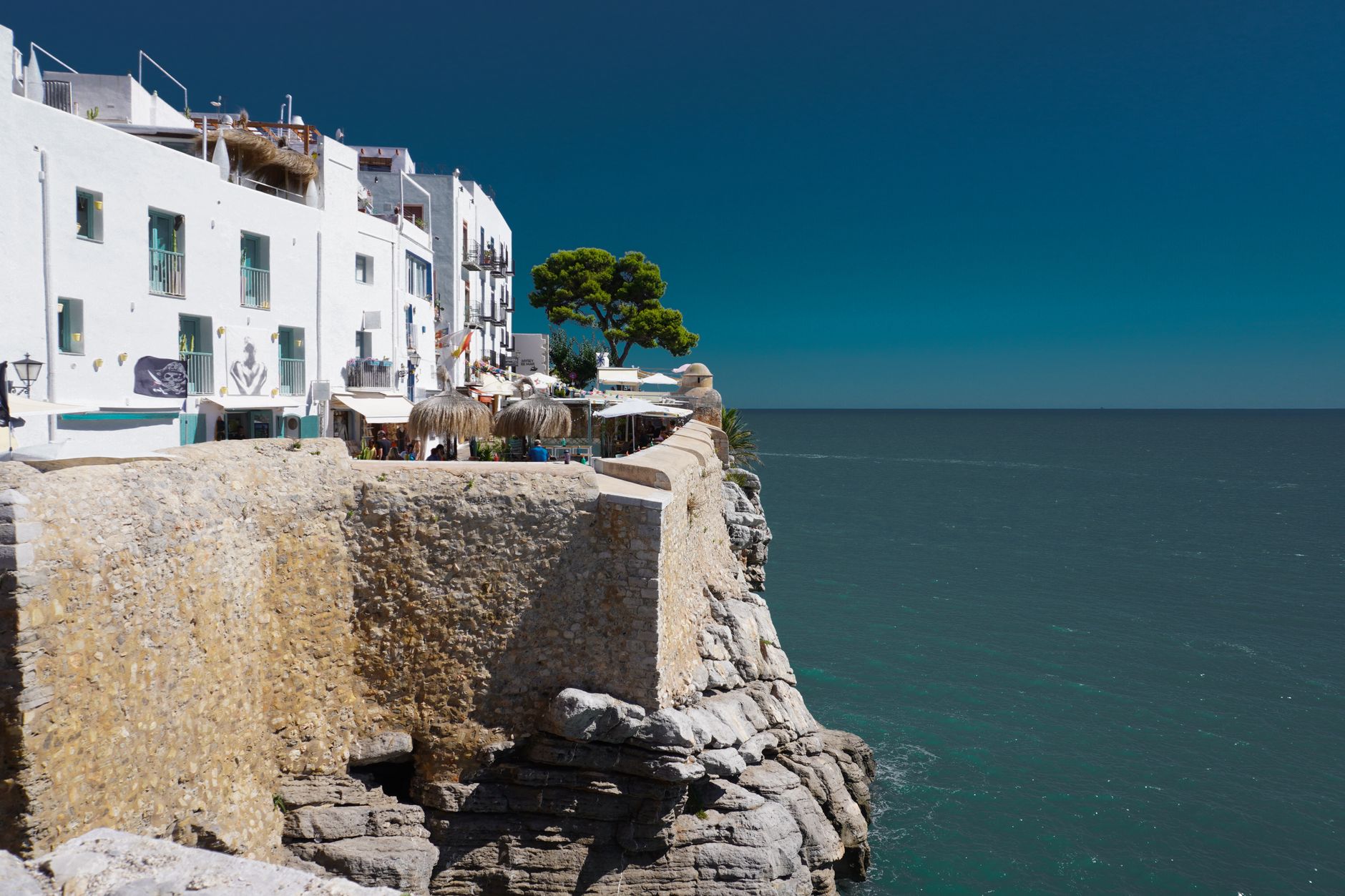
Peñíscola Castle (Castillo del Papa Luna)
Perched on a volcanic rock jutting into the Mediterranean, Peñíscola's castle is one of Spain's most dramatic medieval fortresses. Built by the Knights Templar in the 14th century and later home to the stubborn antipope Benedict XIII, it dominates every postcard of the Costa del Azahar.

A Pope's Last Stronghold
Pedro de Luna — Benedict XIII to his followers — retreated here in 1411 after being deposed by the Council of Constance, ruling his rump papacy from these sea-lashed ramparts until his death in 1423. The throne room and private chambers have been preserved, giving visitors a rare glimpse into medieval ecclesiastical power.
The castle was also a star of the 1961 Hollywood epic El Cid, and the cinematic views from the battlements — sea on three sides, whitewashed old town tumbling below — are just as spectacular today as they were on film.

What to See Inside
The Gothic hall housing Benedict's papal throne is the emotional centrepiece, but don't rush past the Sala de Armas, the cistern that stored rainwater for sieges, or the tiny chapel where the antipope prayed daily. Interpretive panels in Spanish, Valencian and English make context easy to absorb.
Climb to the highest terrace just before the castle closes for the most golden light over the sea. The contrast of honey-coloured stone against deep blue water is extraordinary in late afternoon.

Practical Pointers
Tickets are sold at the base of the rock; the climb through the old town is steep but short — about ten minutes on cobblestones. Combine your visit with a walk along the full circuit of the town walls, which are included in the same admission.
Arrive when the gates open (usually 10 am) in July and August to avoid the midday crowds that can make the narrow passageways feel claustrophobic.
More of Peñíscola
Discover where to stay, what to do and the best deals for your trip.
Explore Peñíscola →