Judería de Hervás
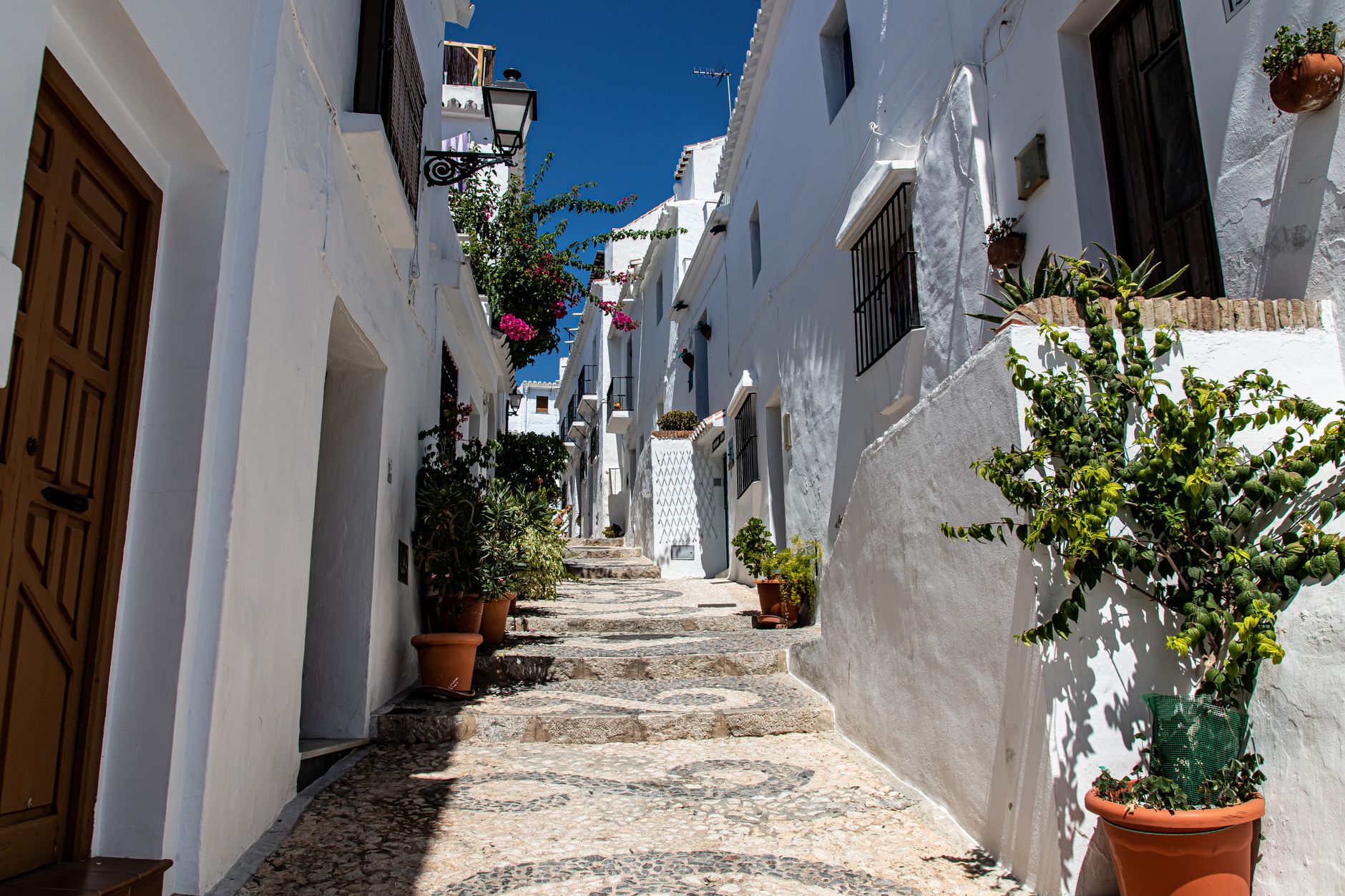
Tucked into the folds of the Sierra de Béjar, Hervás preserves one of the most intact medieval Jewish quarters in all of Spain — a labyrinth of whitewashed houses, steep cobbled lanes and timber-framed balconies dripping with geraniums. Walking its streets feels less like sightseeing and more like stepping into a living illuminated manuscript.

A quarter frozen in time
The Judería dates to the 15th century, when a thriving Sephardic community settled along the banks of the Ambroz river. After the 1492 expulsion, the neighbourhood was simply absorbed rather than demolished, which is why its medieval street plan survives almost untouched today.
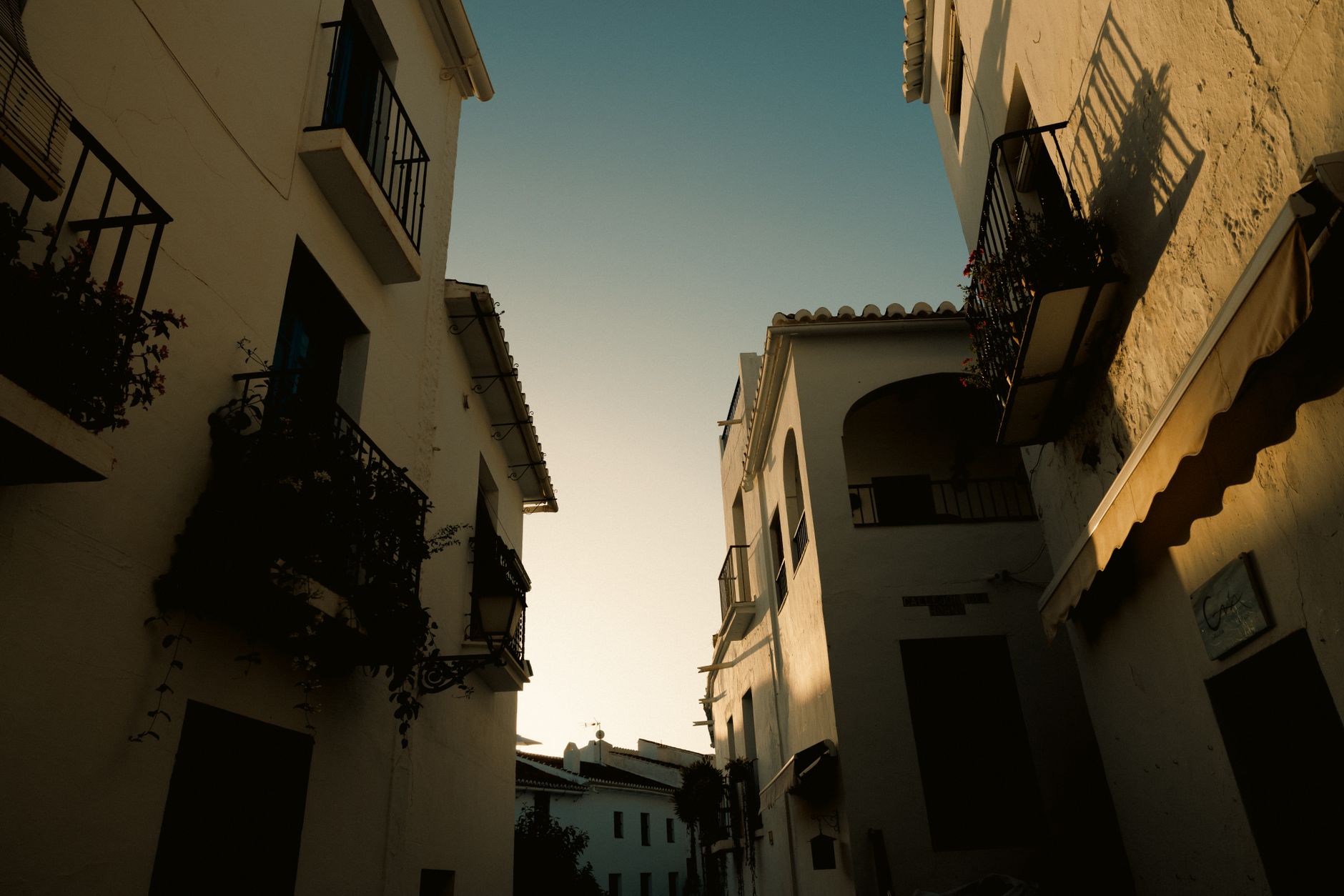
Wander Calle Rabilero — the spine of the quarter — and look up at the carved wooden eaves and wrought-iron lanterns. At dusk, when the day-trippers thin out, the amber light turns the whole street into a scene from another century.
What to look for as you walk
Seek out the small Plaza de la Picota, where a stone pillory still stands, and the old mikve site near the river bank, marked with an interpretive panel. The Jewish cemetery on the hillside above town is one of the few medieval Hebrew burial grounds still visible in Extremadura.
Don't miss the Museo Pérez Comendador-Leroux on nearby Plaza de la Corredera — technically outside the Judería but a five-minute walk away and often overlooked by visitors focused solely on the old lanes.
More of Hervás
Discover where to stay, what to do and the best deals for your trip.
Explore Hervás →