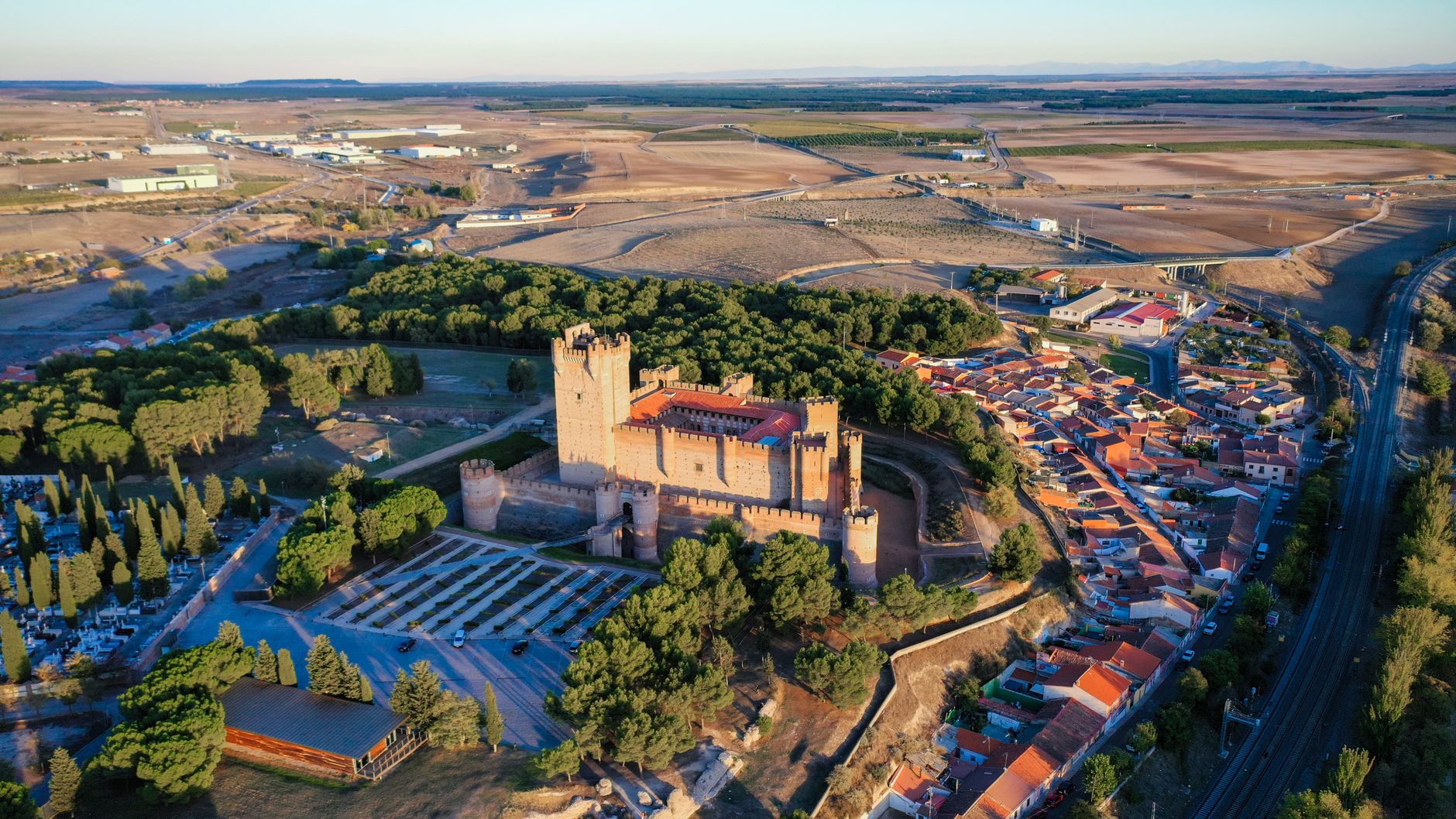
Barrio Judío de Hervás
Tucked into the folds of the Sierra de Béjar, Hervás harbours one of the most intact medieval Jewish quarters on the Iberian Peninsula. Its cobbled lanes, whitewashed houses and overhanging timber balconies have changed remarkably little since the 15th century.
Walking the Judería
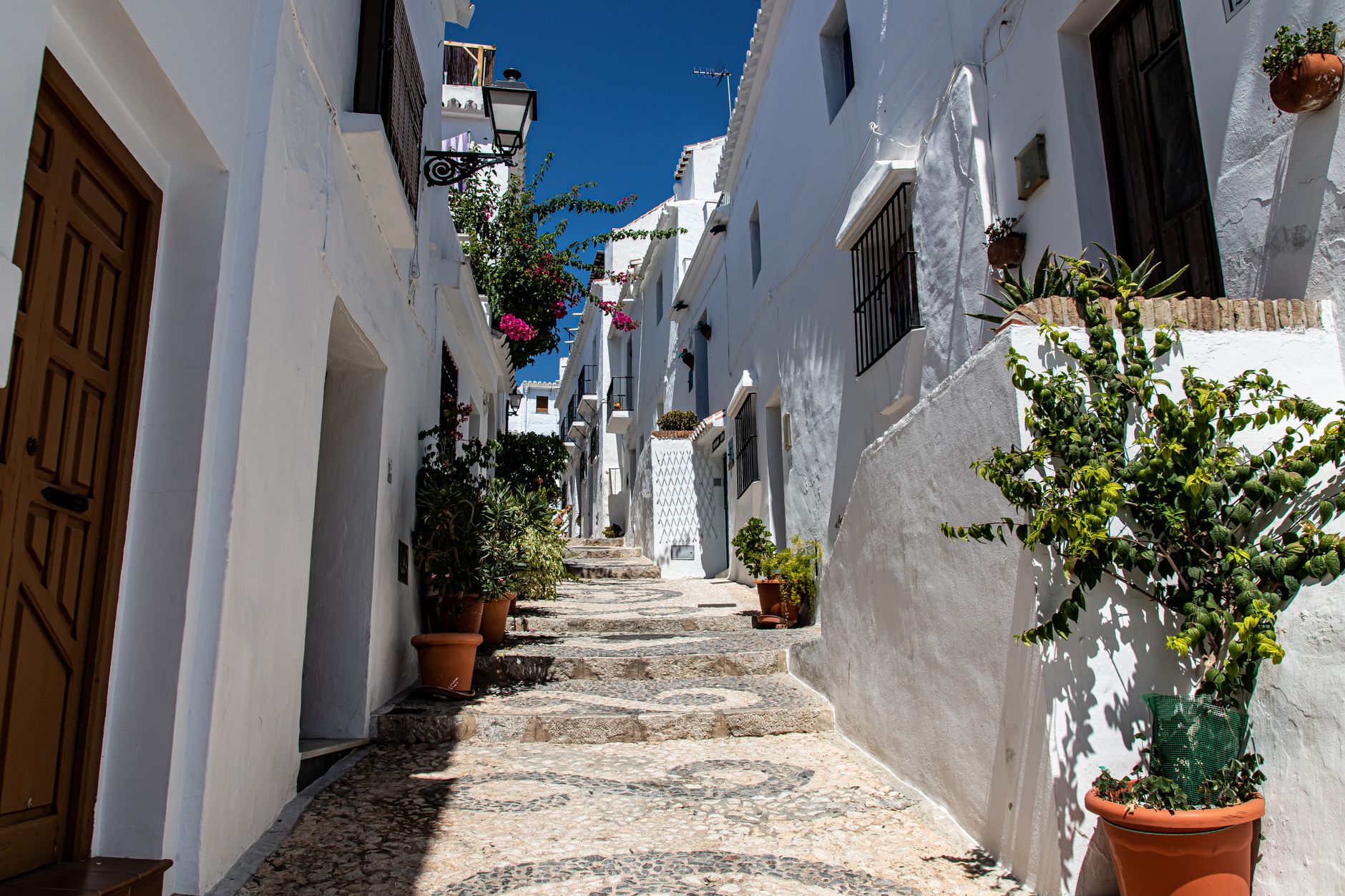
The neighbourhood fans out from Calle Rabilero, a narrow artery of uneven stone where geranium pots blaze against whitewash and neighbours chat from window to window. Every turn reveals a new alley — Calle Sinagoga, Calle Camberos — each one a living document of Sephardic history.
The quarter's layout still follows the medieval street plan, with houses built flush to the lane to maximise shade in summer. Look up and you'll spot the characteristic wooden eaves that jut out over the path, a design borrowed from Moorish building tradition.
History You Can Touch
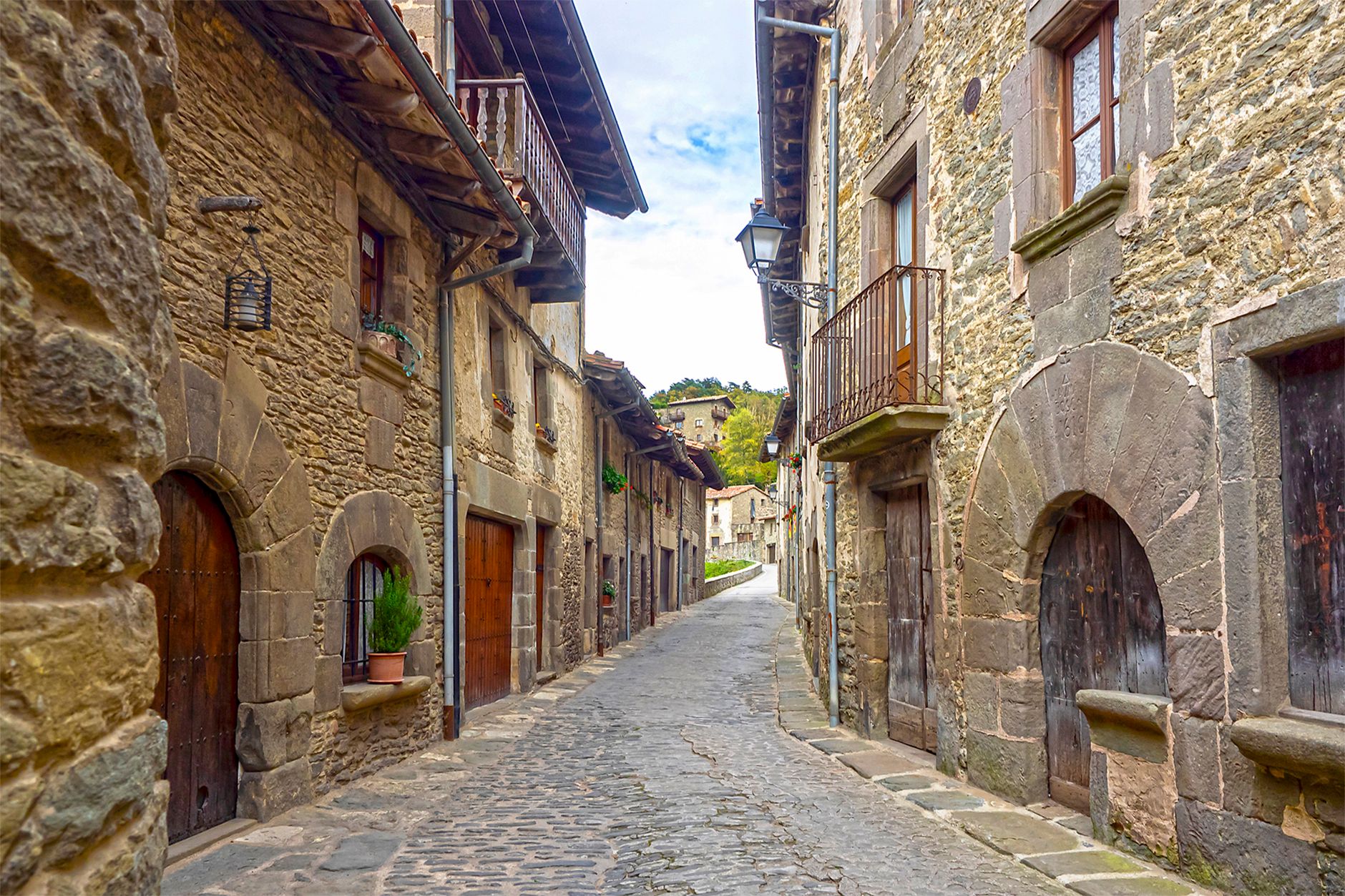
After the expulsion of Jews from Spain in 1492, many converso families remained in Hervás, quietly maintaining their traditions. The Museo Pérez Comendador-Leroux on the edge of town provides essential context, but the barrio itself is the real open-air exhibit.
Don't miss the small plaza at the heart of the quarter where a stone fountain still trickles — locals say it marks the site of the original communal washing area used by Jewish residents centuries ago.
More of Hervás
Discover where to stay, what to do and the best deals for your trip.
Explore Hervás →