Jameos del Agua
A volcanic lava tube that runs from the Corona volcano all the way under the sea, Jameos del Agua is one of the most surreal and beautiful spaces in the Canary Islands — part natural wonder, part Manrique masterpiece, part concert venue. The albino blind cave crabs living in its subterranean lagoon are found nowhere else on Earth.
The Geology Beneath Your Feet
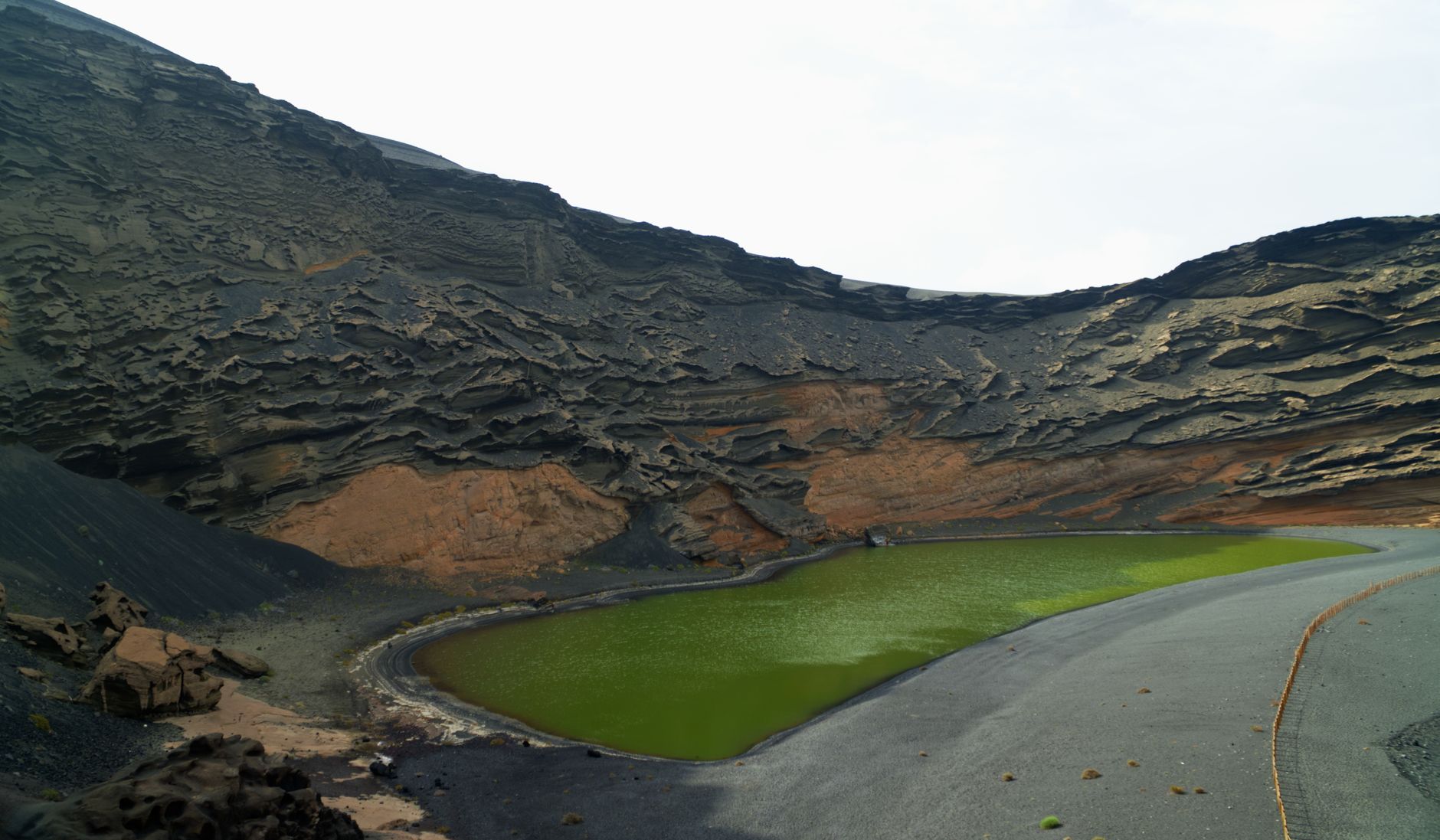
The tunnel was formed 3,000 years ago when lava from the Corona volcano flowed to the coast and the outer crust cooled while molten rock continued to move inside, leaving a hollow tube 1.5 kilometres long. Where the sea has flooded the lowest section, a brackish lagoon formed — and in that lagoon lives Munidopsis polymorpha, a tiny blind albino crab that evolved in complete darkness over millennia.
The crabs are visible from the walkway above the lagoon: dozens of pale, almost translucent creatures moving slowly across the submerged volcanic rock. Touching the water or making loud noises disturbs them, so the atmosphere inside is hushed and reverential in a way that feels entirely appropriate.

Manrique's Transformation of the Tube
César Manrique opened Jameos del Agua to the public in 1966, adding a restaurant, a bar built into the lava walls, a dazzling white auditorium carved from the rock (with natural acoustics so good that international concerts are still held here), and a rooftop garden of cacti and bougainvillea that feels like stumbling into a private paradise.
The auditorium seats 600 people and has hosted everyone from classical orchestras to flamenco companies. Check the Cabildo de Lanzarote events calendar before your visit — catching a concert inside a lava tube under the sea is a genuinely once-in-a-lifetime experience.
The exit route takes you through the cactus garden and up to a panoramic terrace overlooking the Malpaís de la Corona lava field and the coast — a disorienting but wonderful transition from darkness to blazing Lanzarote sunlight.

More of Costa Teguise
Discover where to stay, what to do and the best deals for your trip.
Explore Costa Teguise →