
Costa Teguise
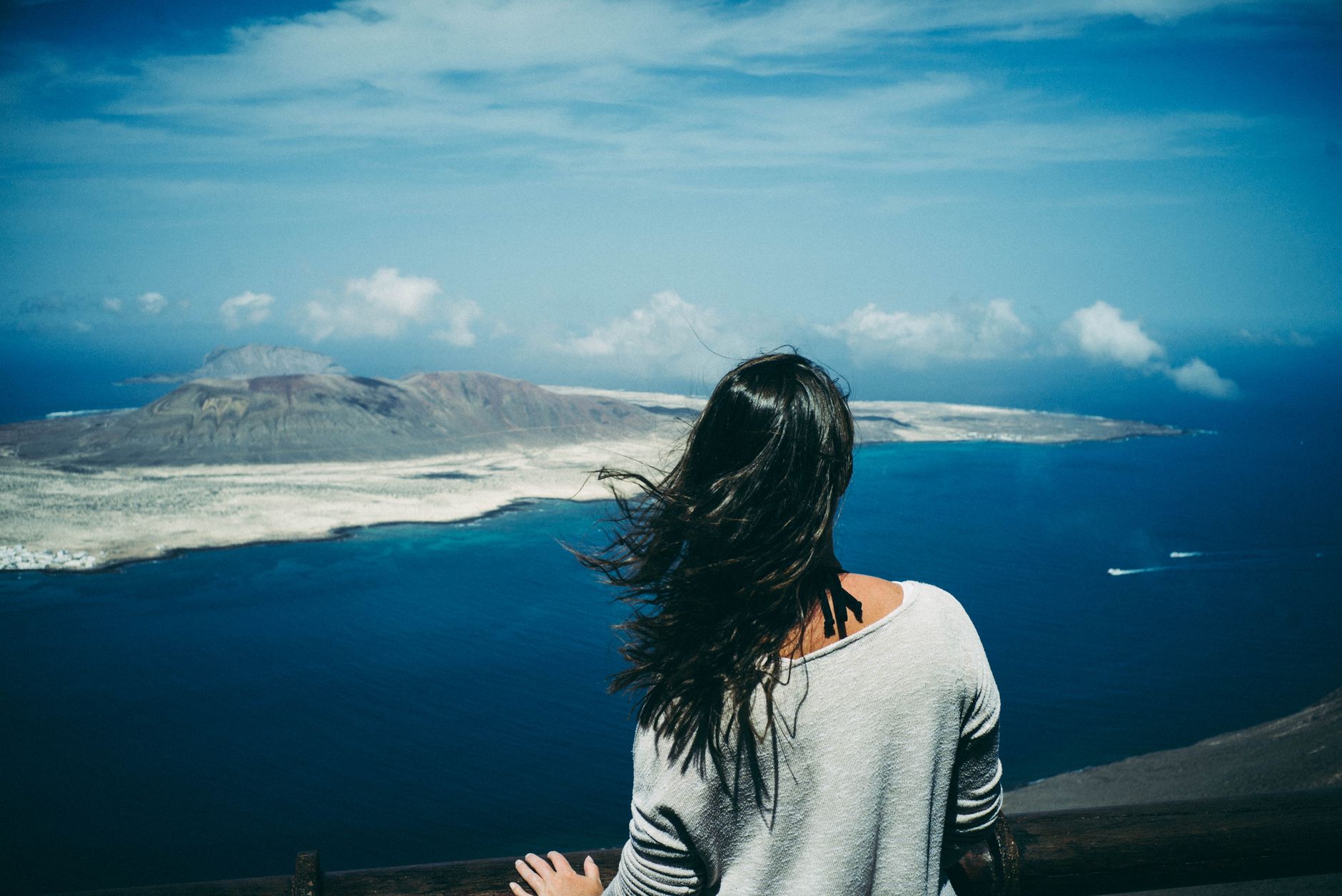
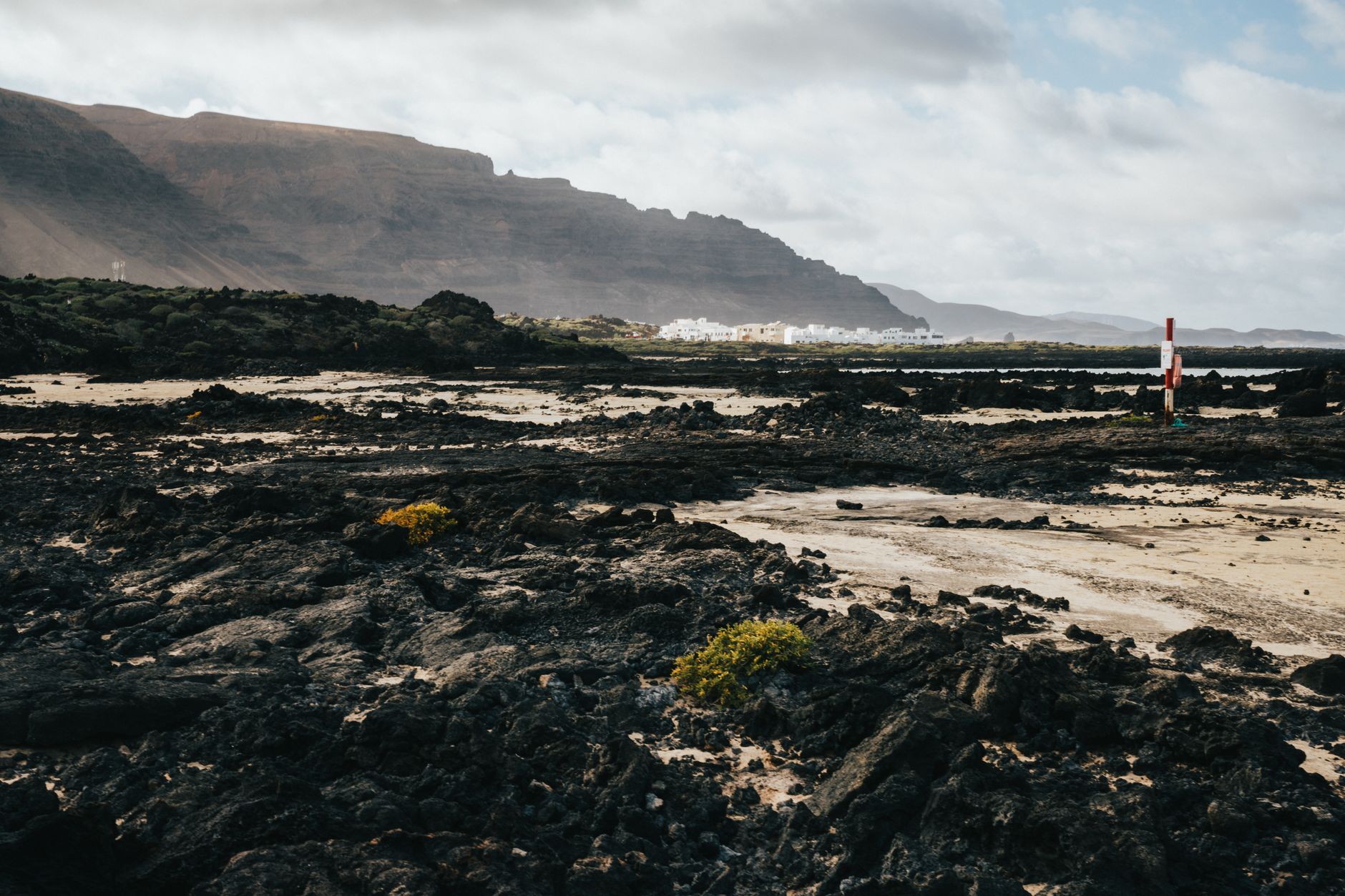
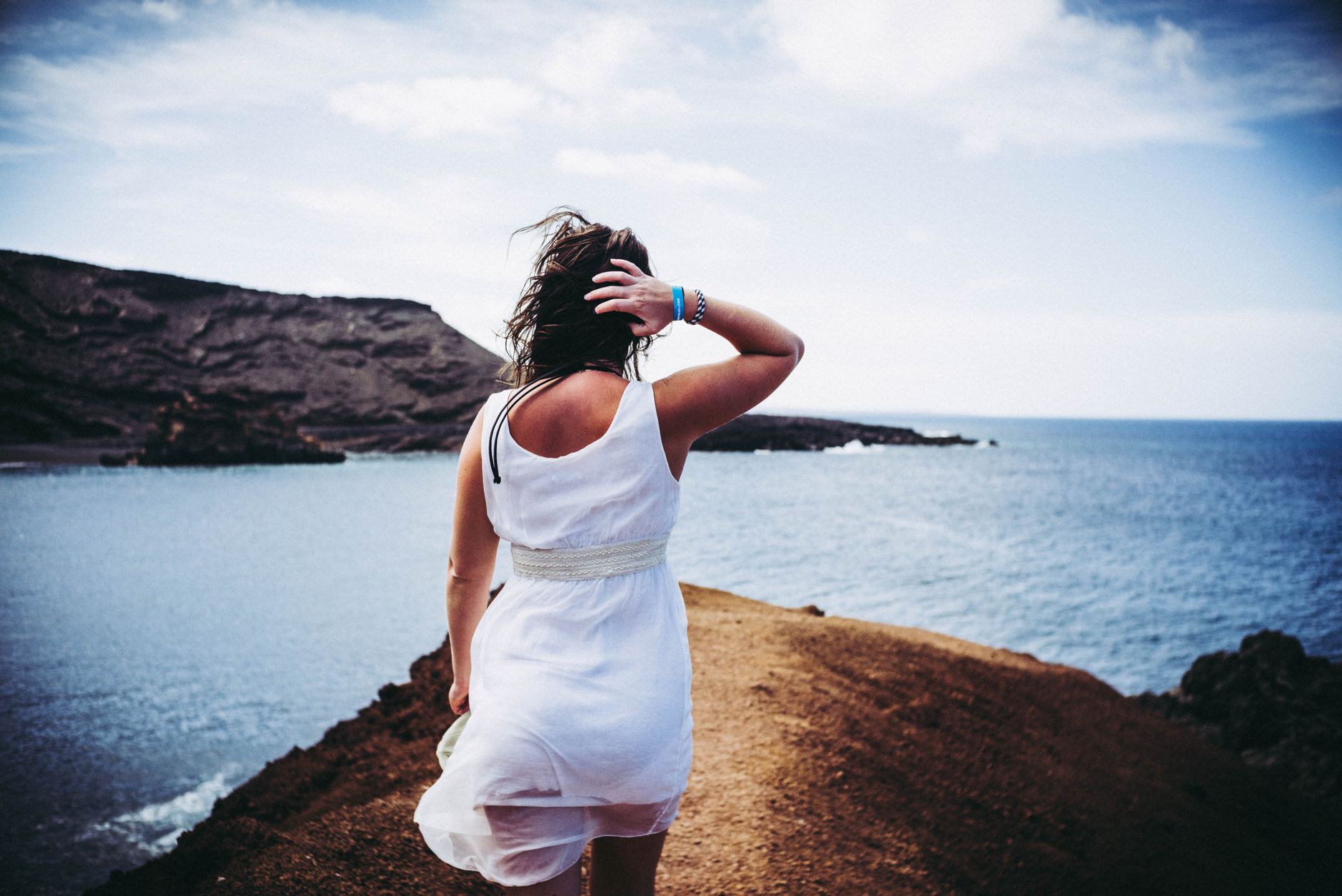
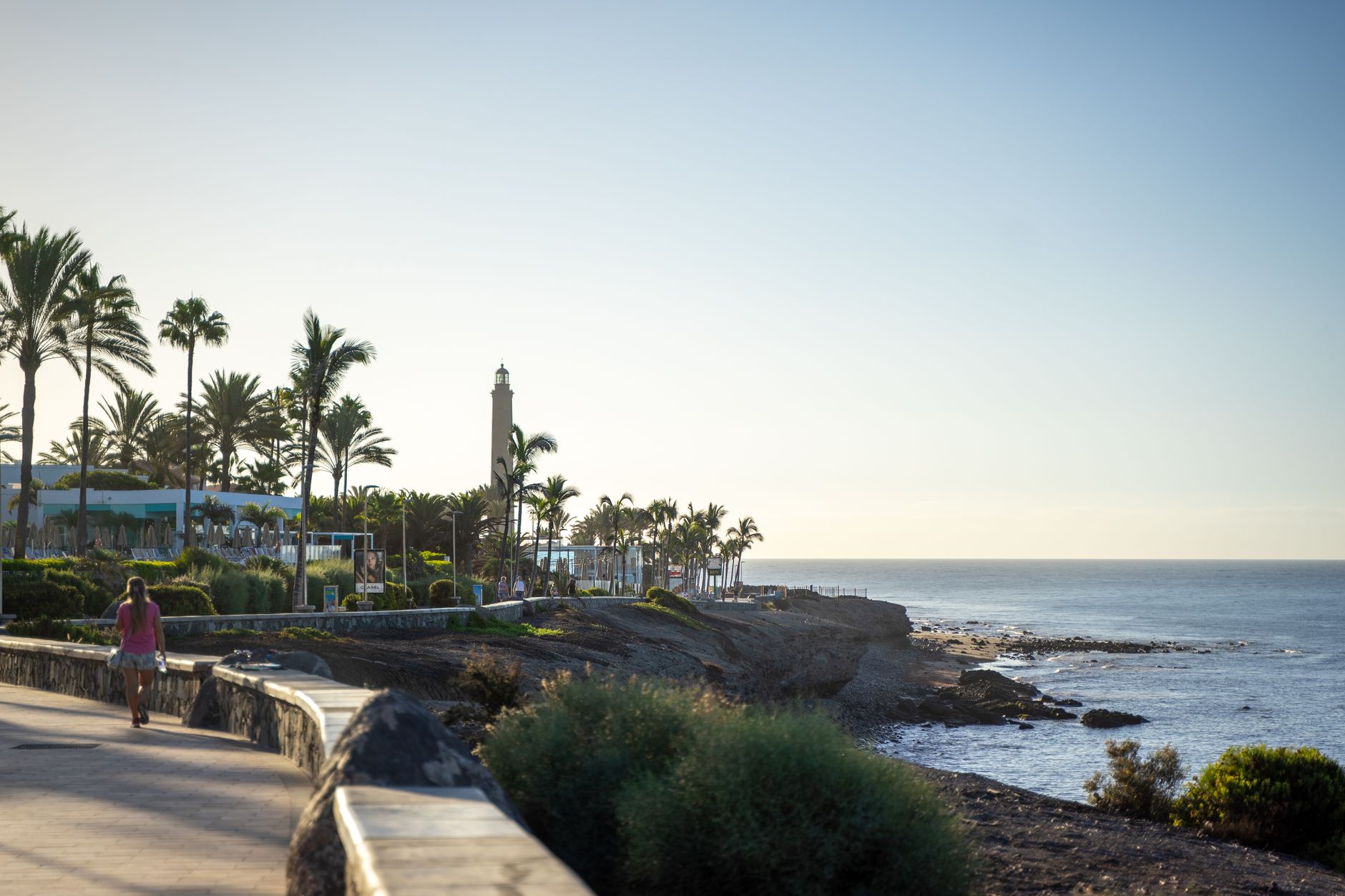
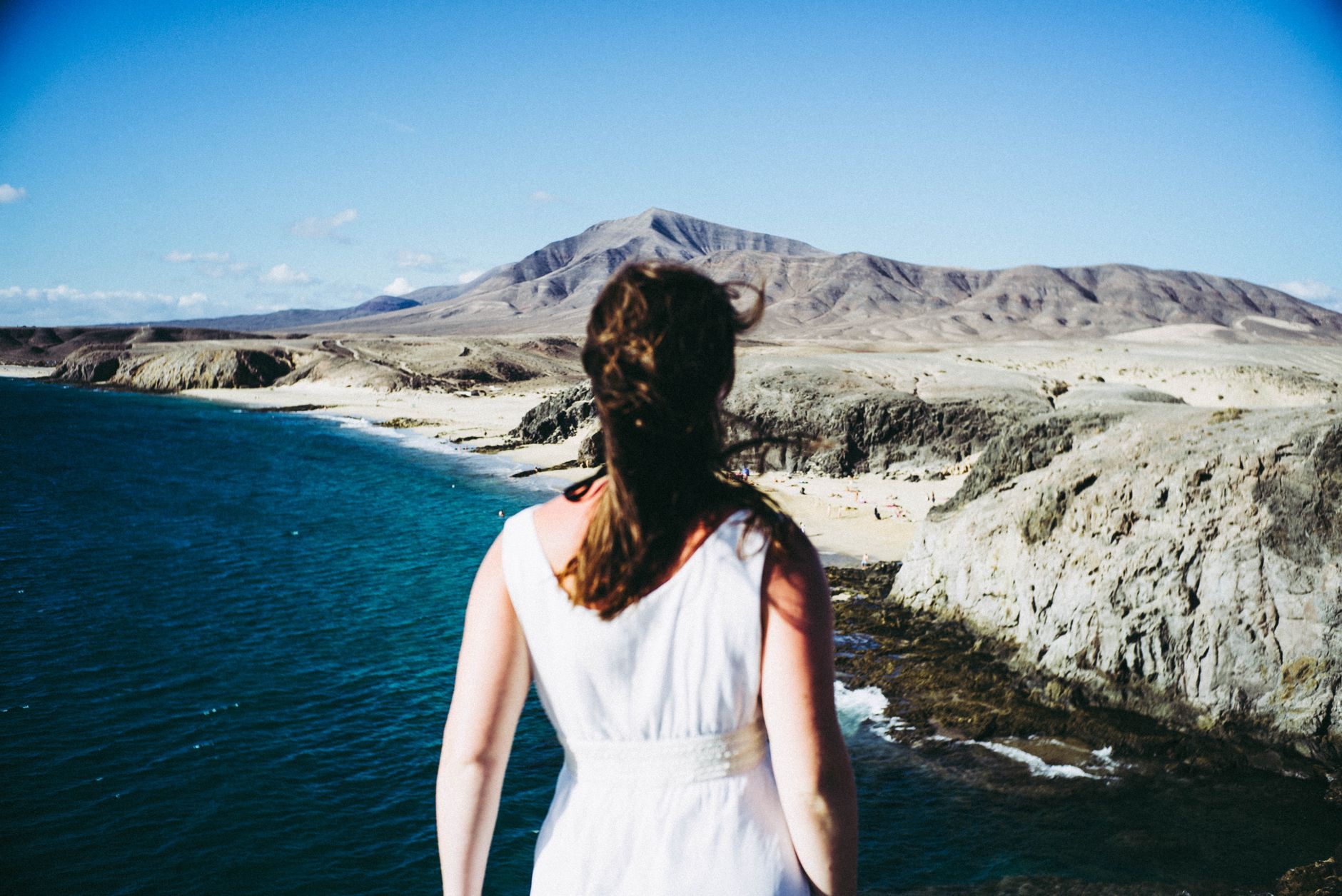
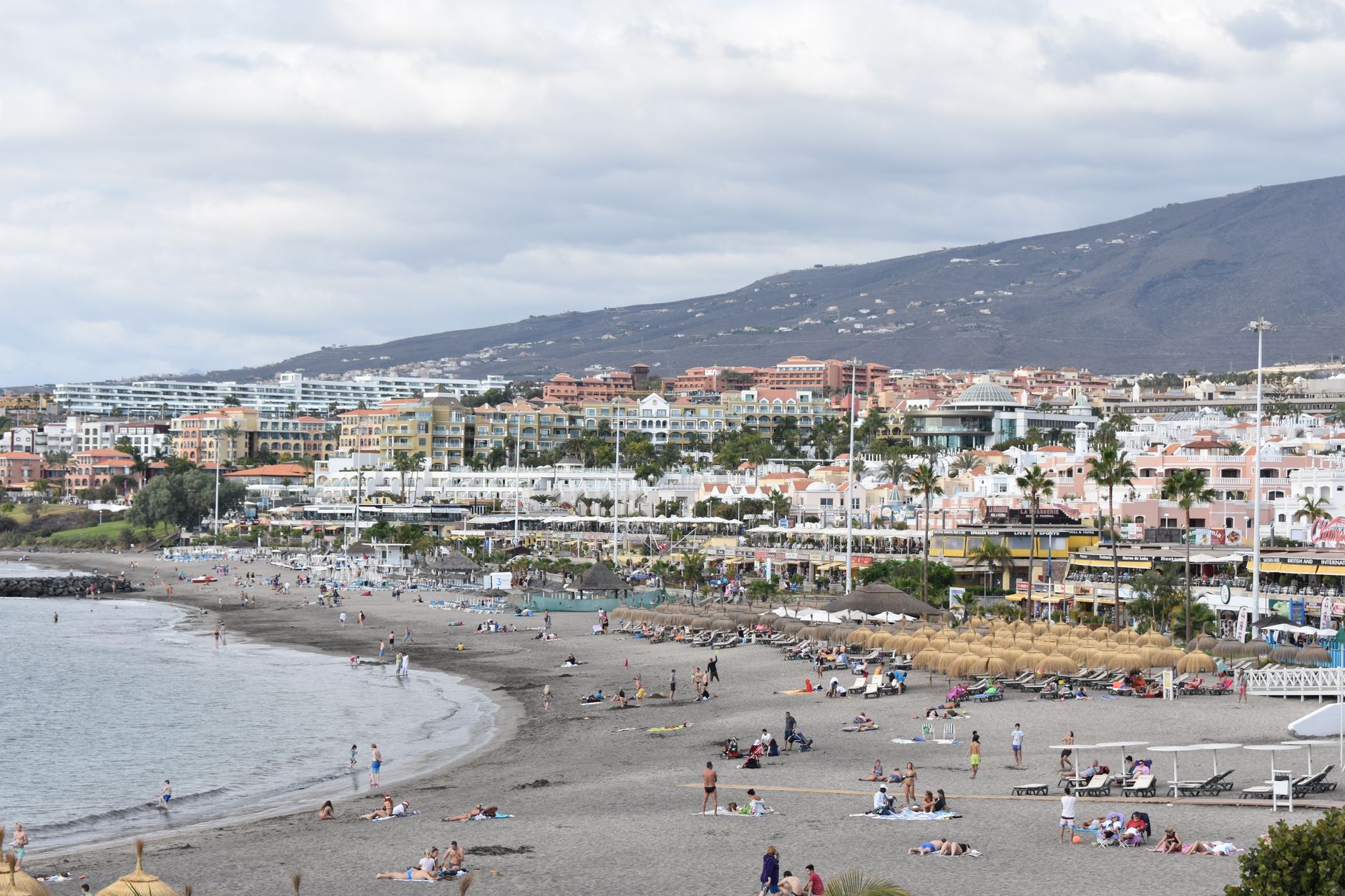
Costa Teguise was built from scratch — streets laid and services connected before a single building went up, which explains the slightly uncanny tidiness of the place. White flat-roofed houses with green window frames line roads that were planned on paper in 1972, and the trade winds that draw windsurfers to Playa de las Cucharas have been blowing through those streets ever since.
Four natural beaches run along the coast here, linked by a seafront promenade stretching more than five kilometres. The salt mines that once worked this shoreline are long gone, replaced by windsurf schools, dive centres, and the kind of unhurried café life that tends to pause between two and five in the afternoon.
💛 What travellers fall for
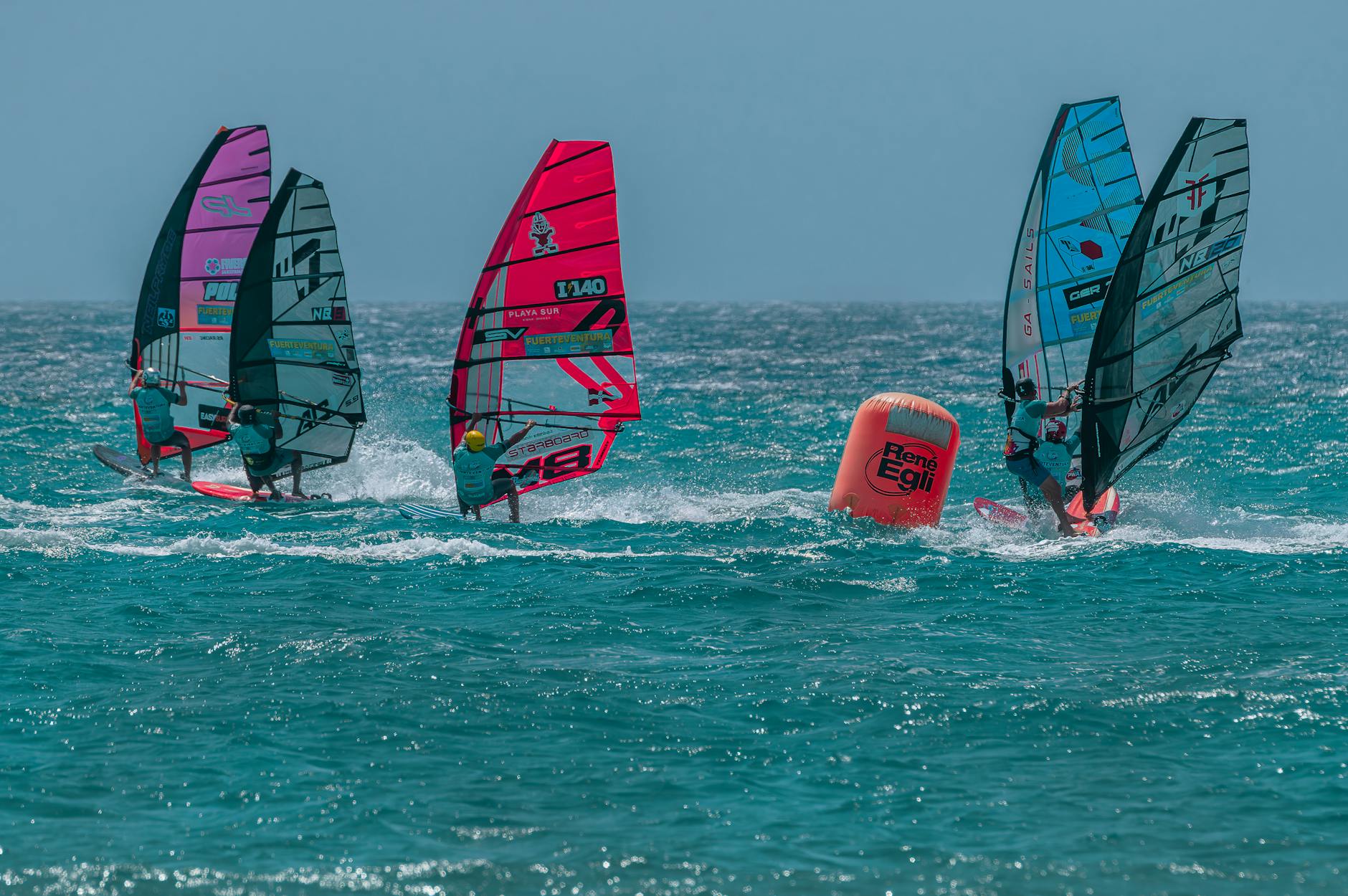
People who come back tend to time their visit around the PWA windsurfing championship in June or the EFPT freestyle event in July — even if they don't surf, the spectacle on Las Cucharas is worth it. They also know to walk into the Salinas hotel gardens, designed by César Manrique, which are open without a room key.
Experiences you don't want to miss


Deals in Costa Teguise
Book directly at the provider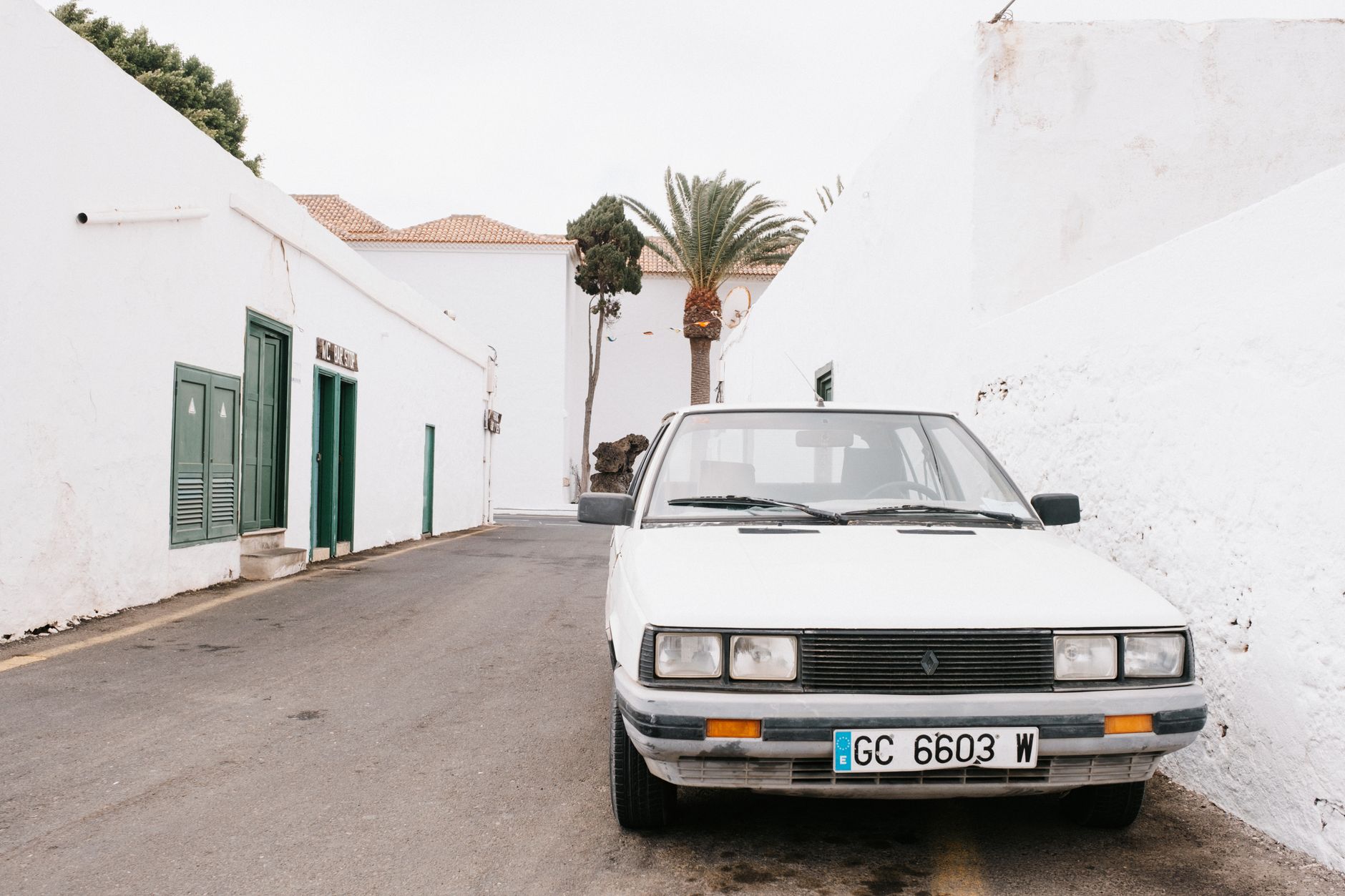
How Costa Teguise came to be
Before tourism arrived in 1973, this stretch of Lanzarote's northeast coast was productive in a different way: salt mines worked the land from the late nineteenth century onward. The transformation came when Explosivos Río Tinto, directed by Leopoldo Calvo-Sotelo — later President of the Government of Spain — acquired twelve million square metres with the intention of building a high-end resort from nothing.
Construction of the Gran Meliá Salinas began in 1970, making it Lanzarote's first five-star hotel. Fernando Higueras designed the building; César Manrique shaped its gardens. The plan received municipal licence in October 1974, projecting seventeen hotels and thousands of apartments. Urbanización Los Molinos followed between 1974 and 1977, and the golf course — designed by John Harris and the only one on the island for roughly three decades — appeared in the late 1970s.
Who and what shaped it
People who shaped it
Landmark buildings
See Costa Teguise in motion
Plan your visit
On the map
When to go
The temperature barely moves: January days sit around 21°C, August peaks near 27°C, and the northeast trade winds keep things comfortable year-round. Rain is almost theoretical — the wettest month, December, averages just four rainy days, and July delivers up to ten hours of sun daily.
Right now
Background & history adapted from Wikipedia (CC BY-SA) · specs from Wikidata (CC0) · weather from Open-Meteo · map data © OpenStreetMap contributors · photos from Wikimedia Commons / Unsplash with per-image credit. No third-party reviews or social posts reproduced.