
Torre della Gabbia
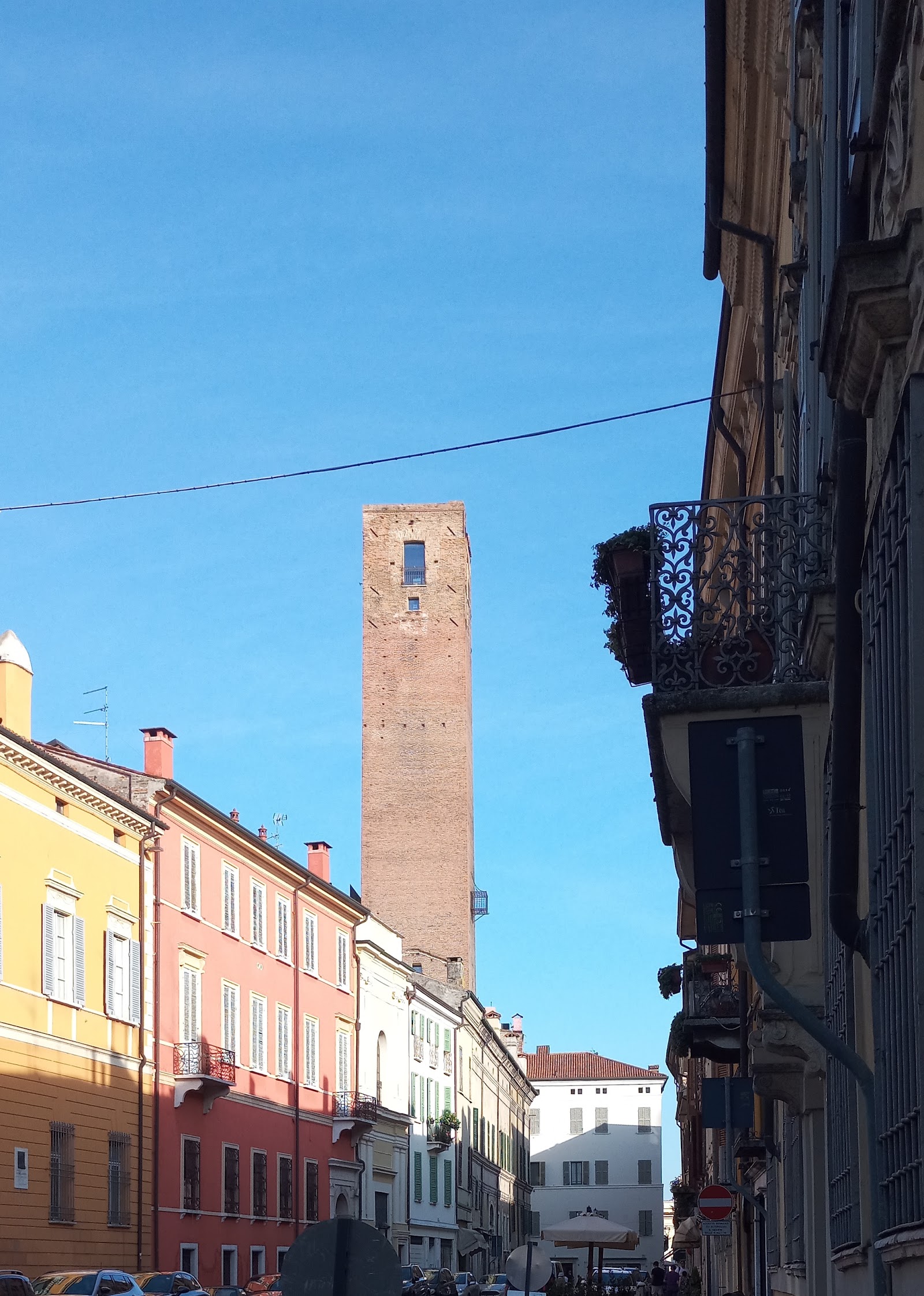
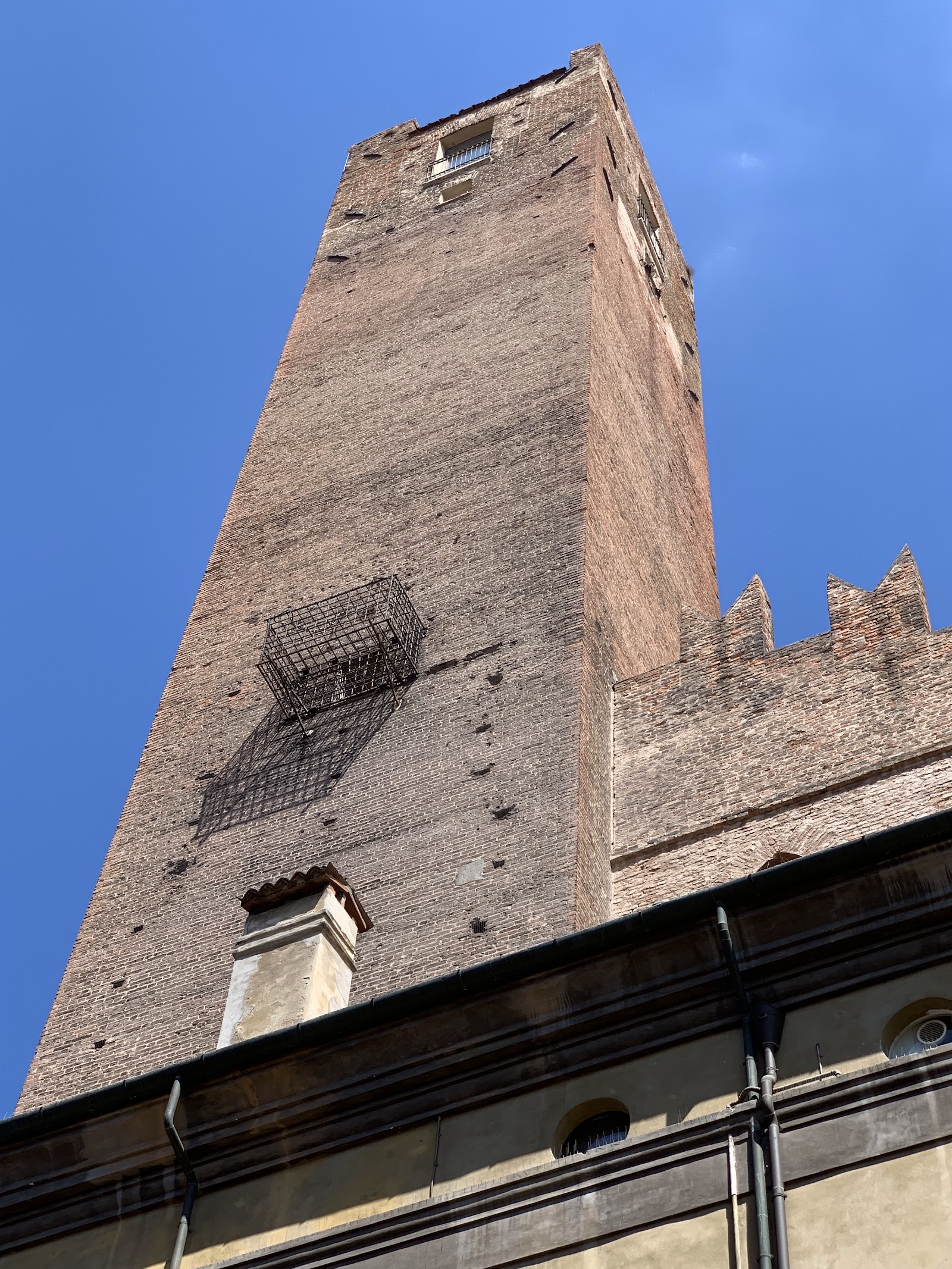
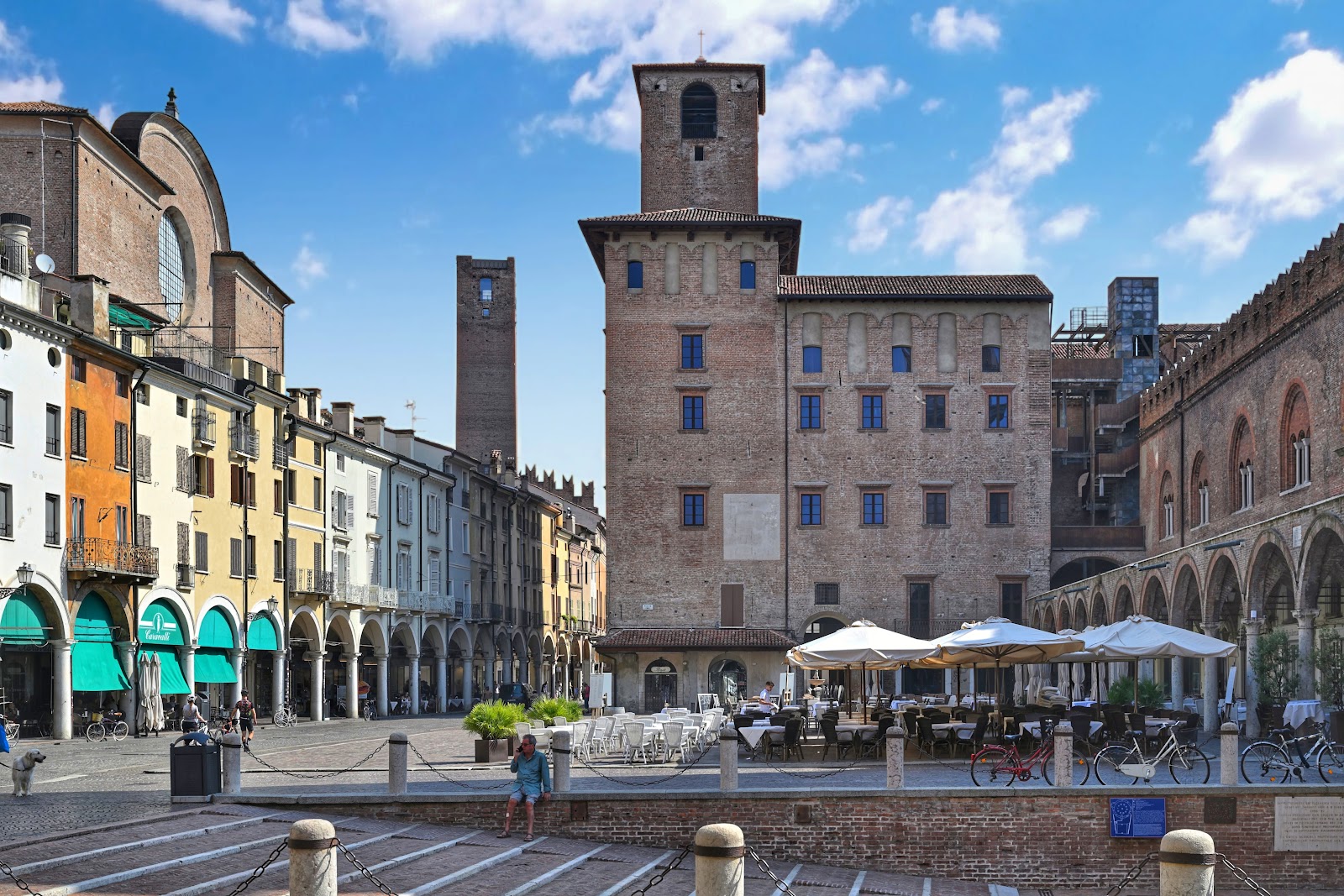
Halfway up the medieval tower at Via Cavour 102, a small rectangular iron cage juts out from the stonework — two metres long, barely a metre deep. It has been there since 1576, when Duke Guglielmo Gonzaga had it fixed to the facade, and it is the reason the tower carries its name: Torre della Gabbia, the Tower of the Cage.
The cage was used to expose criminals to public view, and some accounts record executions carried out within it, including a Dominican friar in 1500, caught in circumstances the documents describe with considerable specificity. In 1798, the new order instructed the owner to tear it down as a symbol of tyranny. The owner kept it anyway.
💛 What travellers fall for
People who find this tower tend to stand on the pavement for a while, looking up at that cage and doing the mental arithmetic of its dimensions. It is small — the kind of detail that makes history land differently than a museum panel ever quite manages. The tower is also, for what it's worth, still the tallest in Mantua.
The story behind Torre della Gabbia
The tower was built in 1281 by the Acerbi family and later passed to the Bonacolsi, one of Mantua's ruling dynasties. When the Gonzaga defeated the Bonacolsi in 1328 and took control of the city, the tower came under their long influence. By 1380 it appears to have housed Mantua's first public clock — a function it held until 1473, when the Gonzaga commissioned a dedicated Clock Tower on Piazza delle Erbe.
In 1526 the tower was donated to the Guerrieri family. Fifty years later, Duke Guglielmo Gonzaga had the iron cage attached. The street alongside, long since gone, was once called Via del Comune, which suggests the city's earliest town hall may have stood somewhere in this same stretch of the city.
Good to know
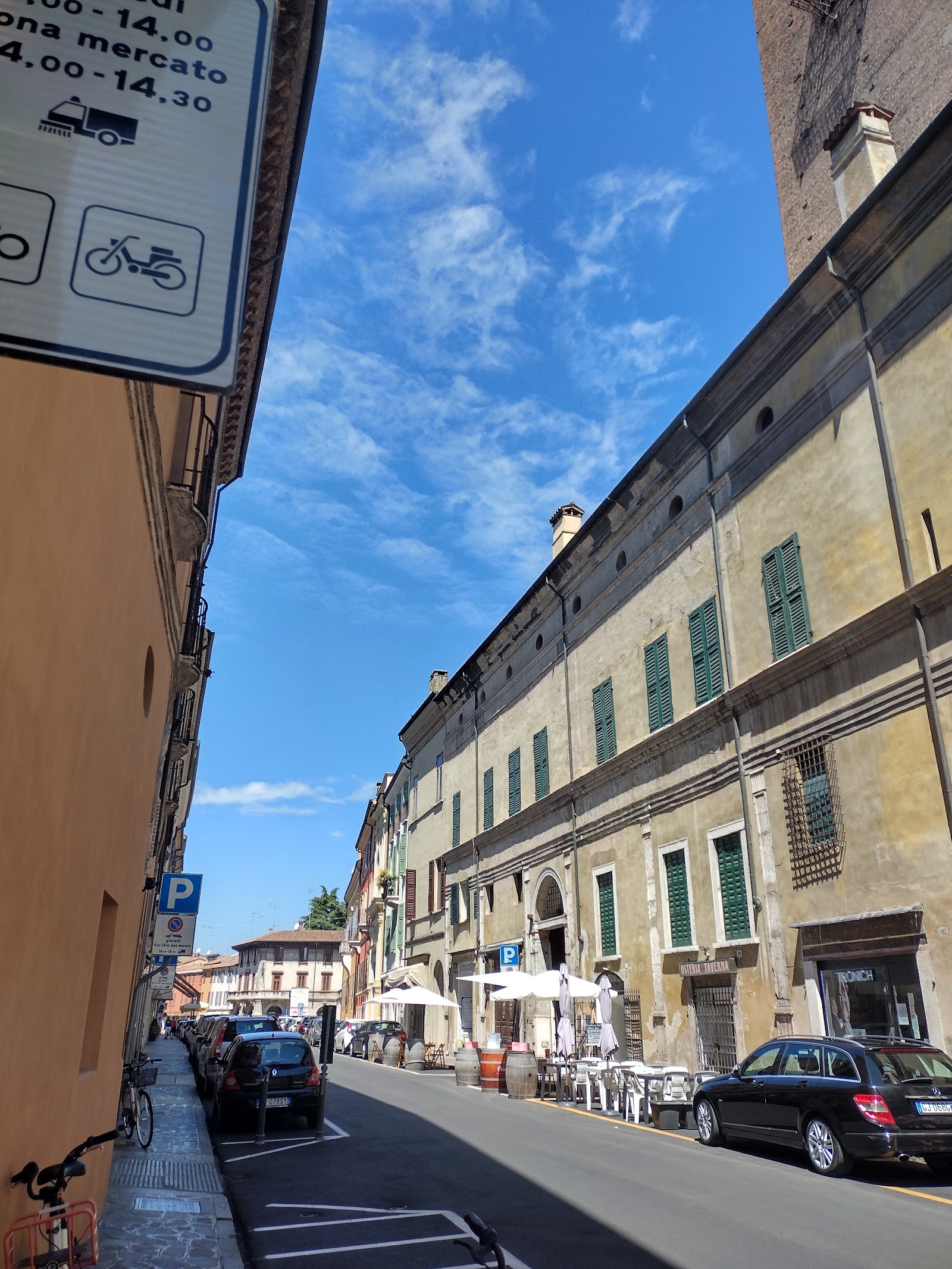
The tower stands on Via Cavour, close to Piazza Sordello. Opening hours can vary by season, so check ahead before making it the centrepiece of your day. No ticketing details are confirmed. It reads well as a brief stop folded into a longer walk through the historic centre.
Where is Torre della Gabbia?
More tickets & tours for Torre della Gabbia
Book directly at the provider
What travellers say about Torre della Gabbia
Nice tower
A characteristic tower of the city of Mantua, the cage was built to imprison criminals: left exposed to the elements for quite considerable periods. You have to look up to see it.
Look up as you leave Piazza Sordello and you will see the cage.
La torre costruita dalla famiglia Acerbi fu venduta nel 1281 a Pinamonte Bonacolsi. Dopo la decadenza dei Bonacolsi la torre fu trascurata a lungo fino a quando fu ristrutturata per essere ricompresa nel sottostante palazzo Guerrieri Gonzaga. In particolare fu rifatta la facciata rivolta verso l'attuale Via Cavour. La torre acquisì il suo nome attuale quando, nel 1576, il duca Guglielmo Gonzaga fece costruire la grande gabbia in ferro come "carcere all'aperto". Fino ad allora era nota come torre degli Acerbi. Nella gabbia sospesa venivano esposti alla pubblica piazza i condannati che a volte vi rimanevano anche per lungo tempo; famoso è il caso di un borsaiolo dell'epoca, tale Marchino Ziganti, che vi fu rinchiuso per ben tre mesi. Il 10 gennaio 1526 Francesco II Gonzaga ne fece dono, con il palazzo attiguo, alla famiglia Guerrieri Gonzaga.
A very pretty monument, it's a shame it was under construction. The area is home to several businesses, including bars, a clothing and home store, restaurants, and an excellent ice cream shop. Located near Piazza delle Erbe, the arcades offer a peaceful stroll through the various shops.
More of Mantua
Discover where to stay, what to do and the best deals for your trip.
Explore Mantua →More attractions in Mantua
All of Mantua →

Background adapted from Wikipedia (CC BY-SA) · map data © OpenStreetMap contributors · ratings & place photos via Google · other photos with per-image credit. Ticket links may earn us a commission at no extra cost to you.