
Paestum
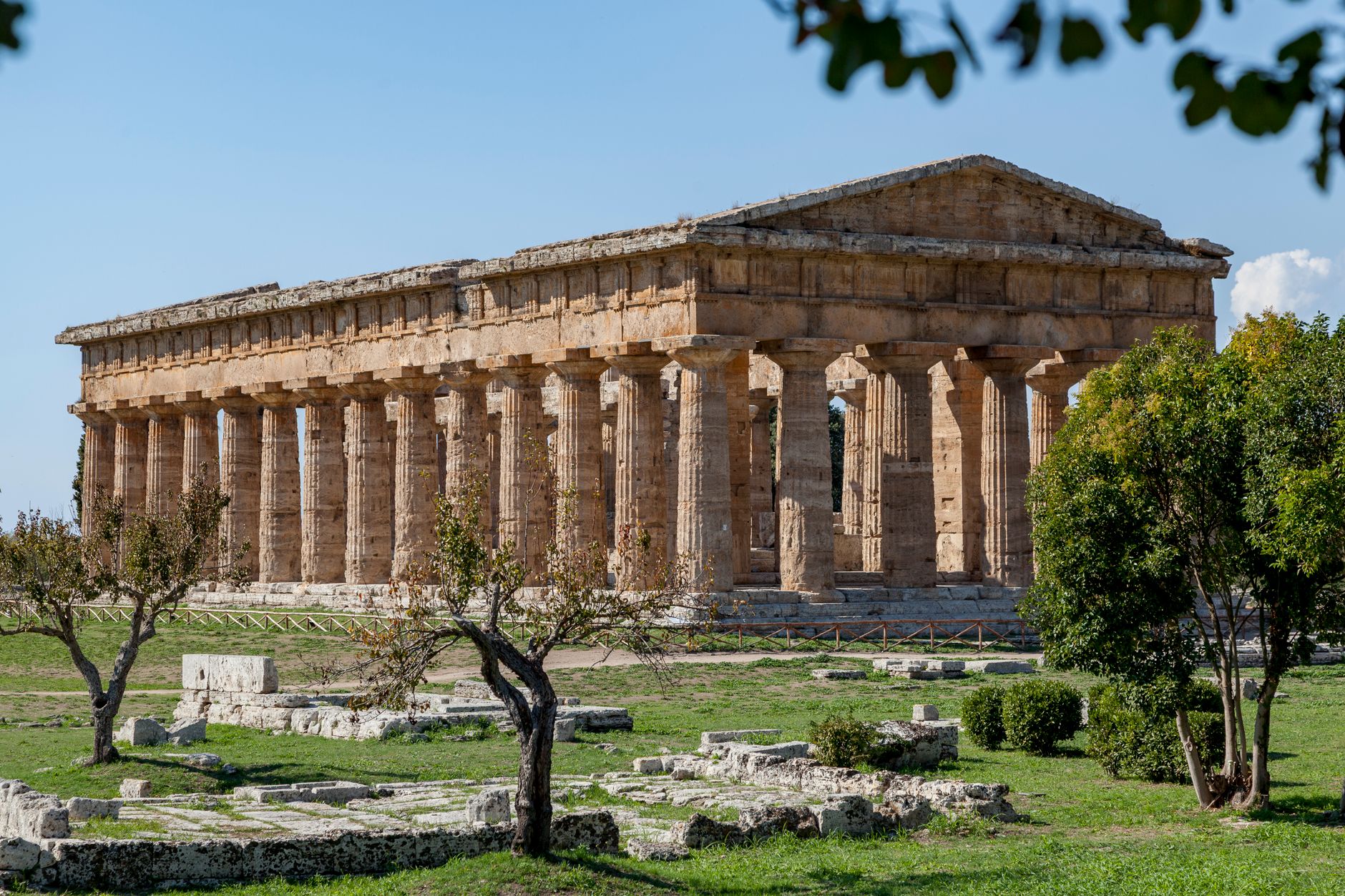
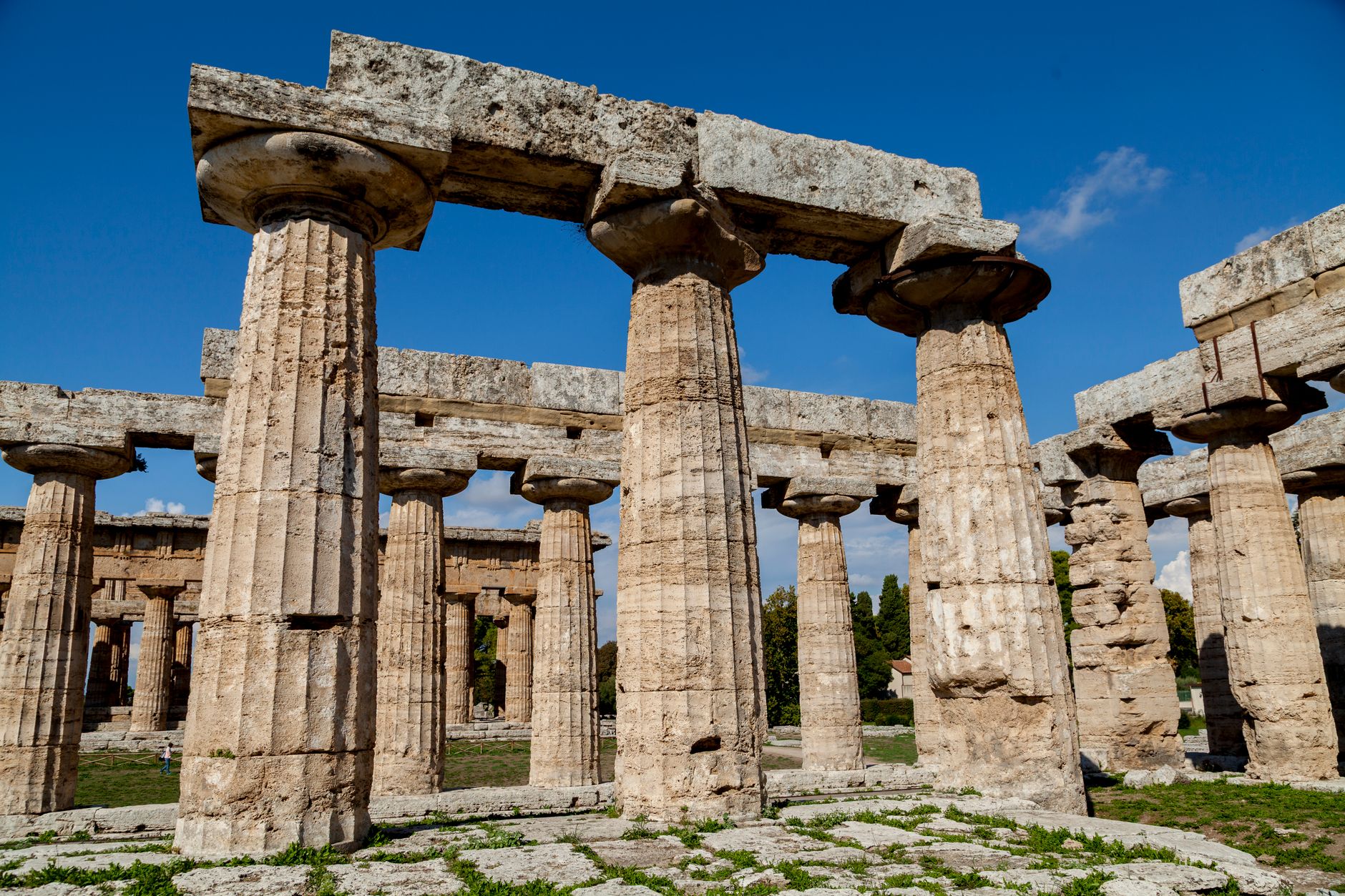
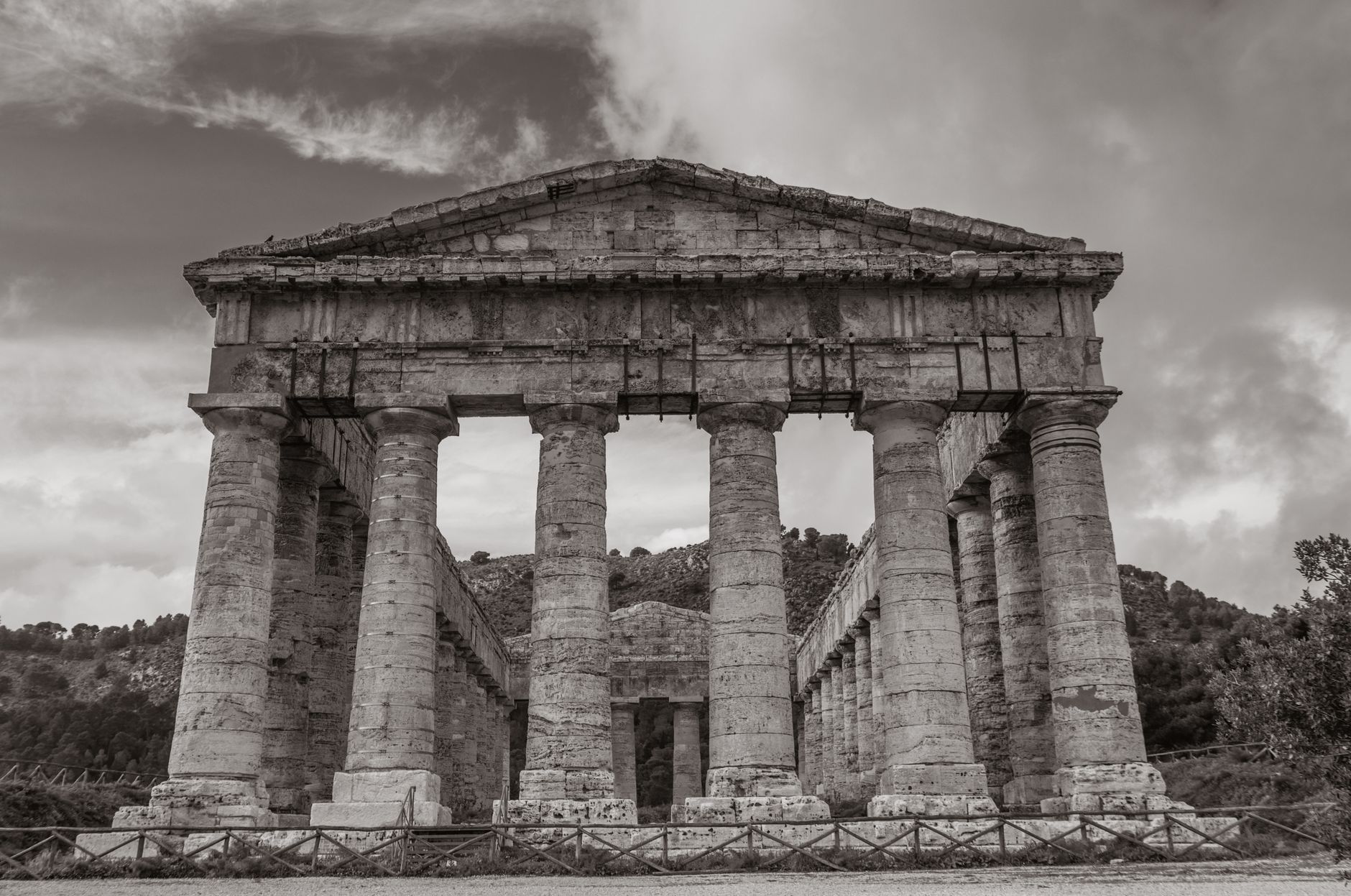

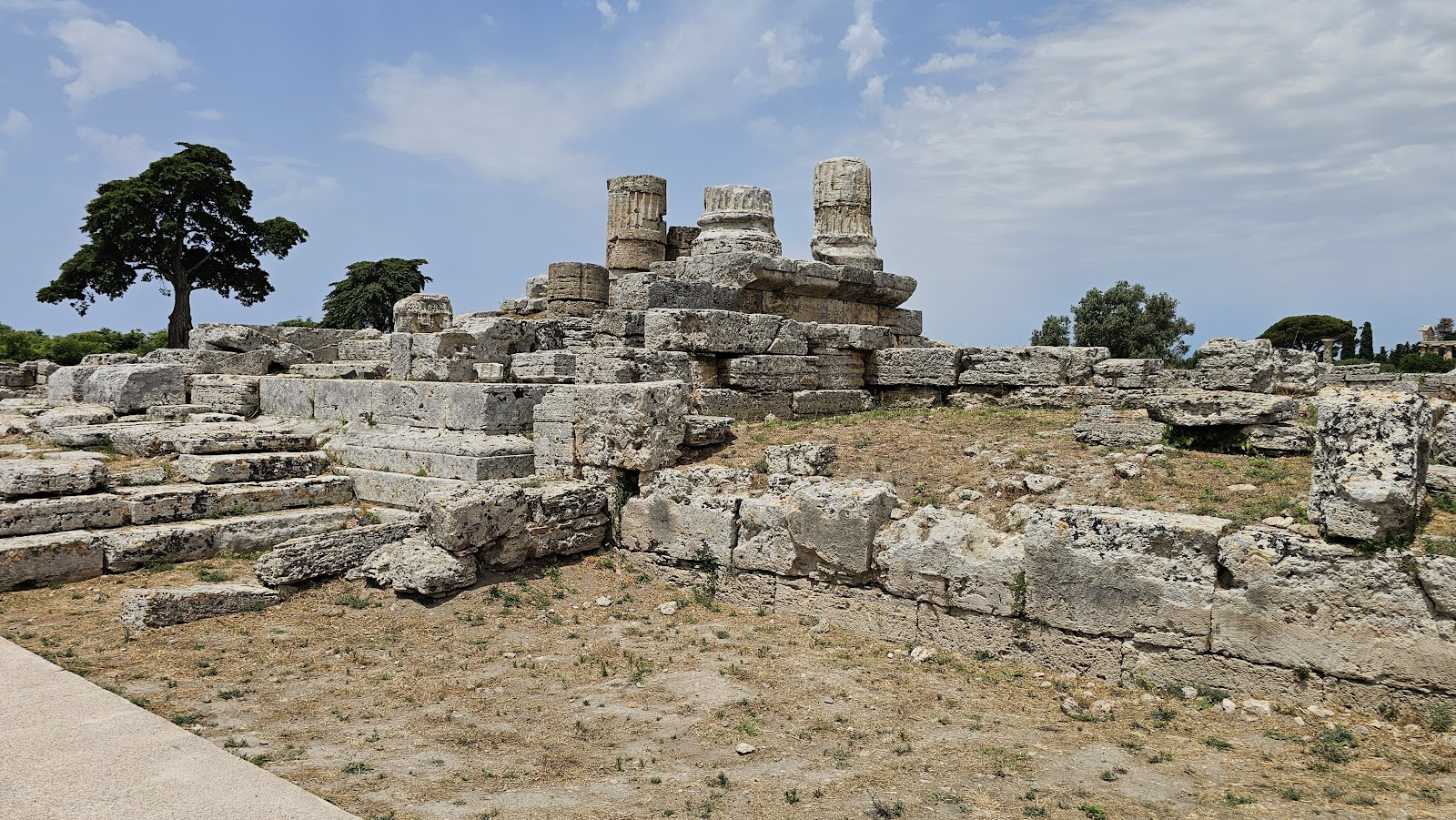
Three Greek temples stand in a flat coastal plain south of Salerno, their honey-coloured limestone columns intact after two and a half millennia. No reconstruction, no partial ruin — just the temples themselves, open to the sky, with the Cilento hills behind them and the smell of wild fennel in the grass. Paestum is one of the few places in the Mediterranean where the ancient world presents itself without scaffolding or apology.
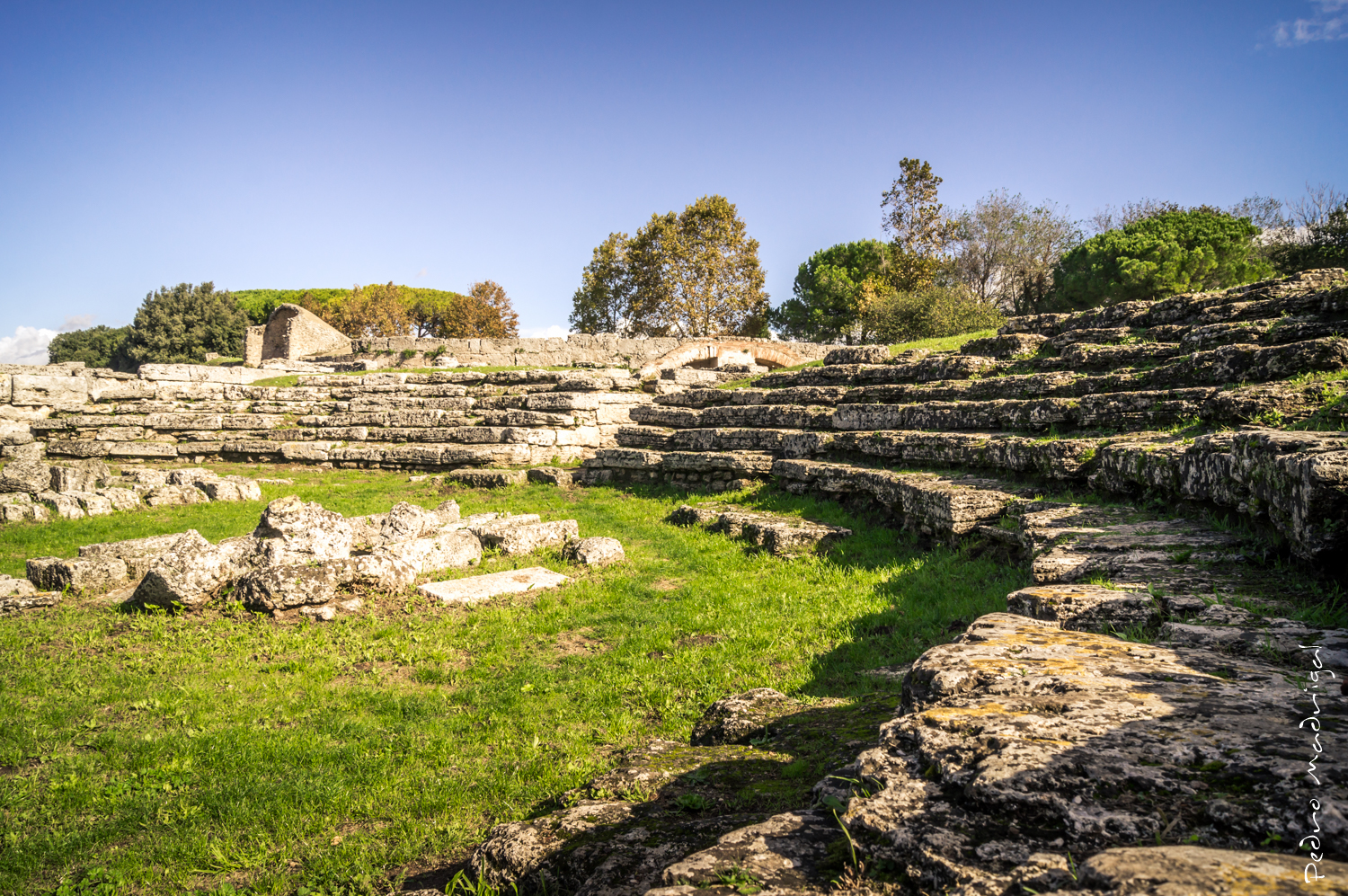
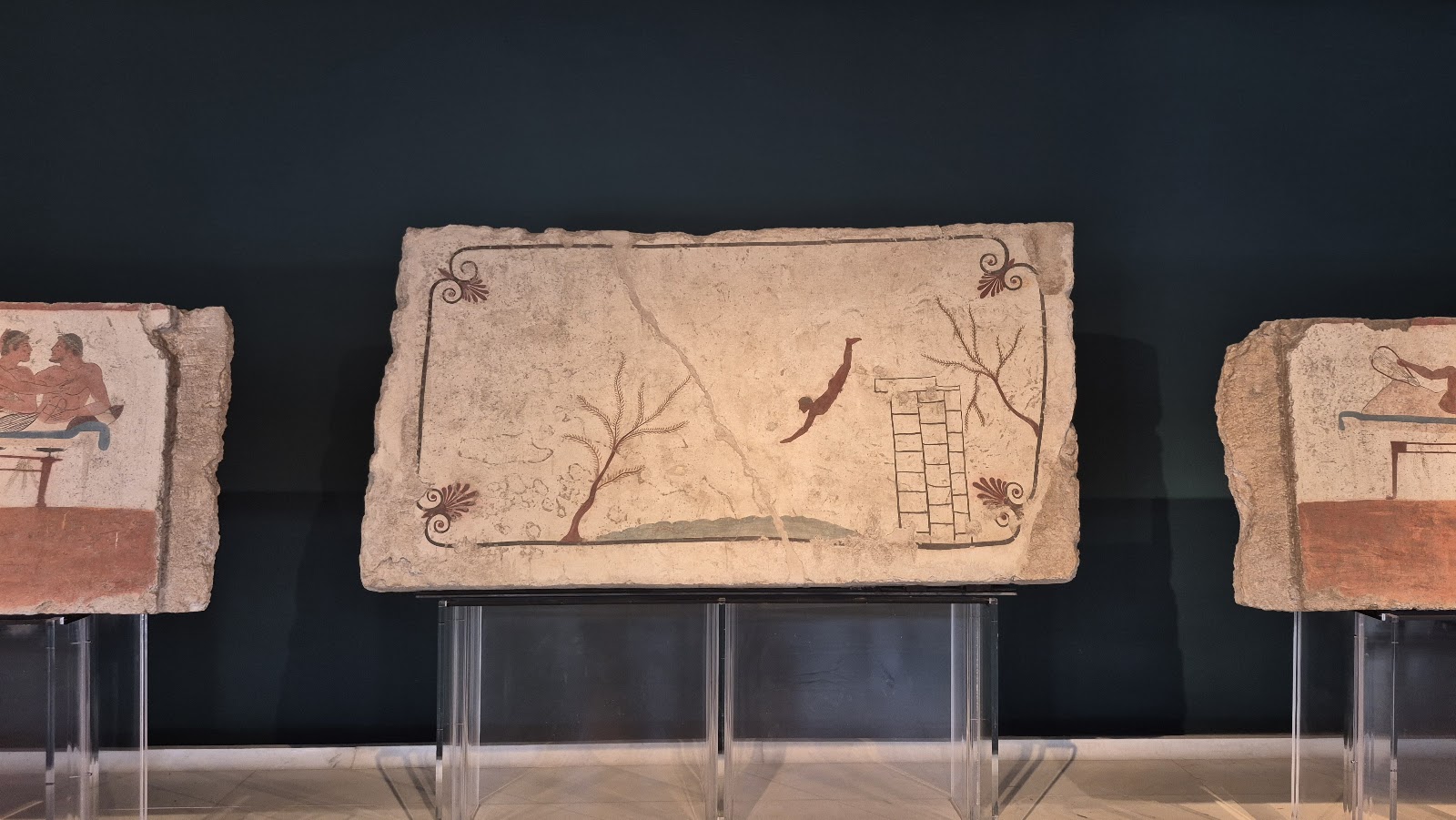
The site covers more than the temples. Roman streets, a well-preserved amphitheatre, and four original city gates punctuate walls that still run nearly five kilometres around the old perimeter. The National Archaeological Museum holds the Tomb of the Diver — a fifth-century BCE painted burial slab that is among the rarest surviving examples of Greek figurative painting anywhere.
💛 What travellers fall for
People who come back tend to arrive early, before the tour groups, and walk the walls along Porta Marina toward the sea. The museum is best saved for the afternoon heat. Most regulars buy the combined ticket — it's valid three days, and the second visit to the temples, when the light has shifted, is often the better one.
Deals in Paestum
Book directly at the provider


How Paestum came to be
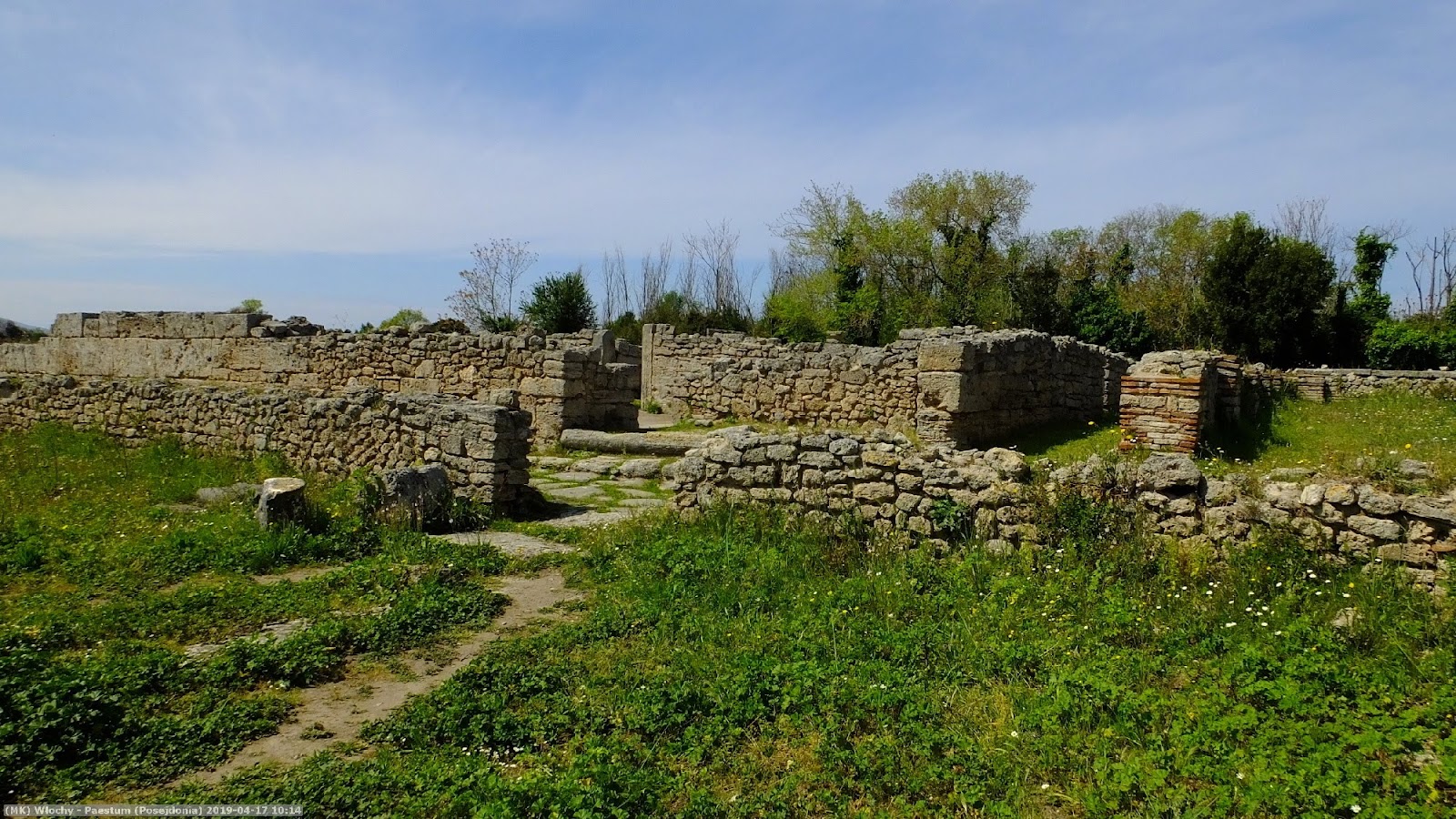
Greek Achaeans from Sybaris founded the city around 600 BCE, naming it Poseidonia after the god of the sea. For roughly two centuries it functioned as a prosperous Greek colony, producing the temples that still stand. In 400 BCE the Lucanians took control, and Alexander of Epirus defeated them here in battle around 332 BCE — though he left no lasting mark on the city. Rome absorbed it in 273 BCE, renaming it Paestum and planting a Latin colony; the old Greek agora was cleared and a Roman forum built in its place.
The eruption of Vesuvius in 79 CE damaged the city's drainage infrastructure, and the low-lying plain grew increasingly marshy and malarial. Paestum shrank, eventually became a minor bishopric, and was finally abandoned after Muslim raiders sacked it in 871 CE. The site was left largely undisturbed — which is precisely why so much of it survived — until eighteenth-century travellers began to take notice.
Who and what shaped it
People who shaped it
Landmark buildings
See Paestum in motion
Plan your visit
On the map
When to go
Spring (April to June) and early autumn (September to October) offer the most comfortable conditions — warm enough to spend hours outdoors without the punishing heat of July and August, when midday temperatures regularly exceed 35°C. Winter visits are quiet and mild by northern European standards, though shorter daylight hours and earlier closing times (5:00 PM) compress the day.
Right now
↡ Attractions





Background & history adapted from Wikipedia (CC BY-SA) · specs from Wikidata (CC0) · weather from Open-Meteo · map data © OpenStreetMap contributors · photos from Wikimedia Commons / Unsplash with per-image credit. No third-party reviews or social posts reproduced.