
Gymnasium of Paestum
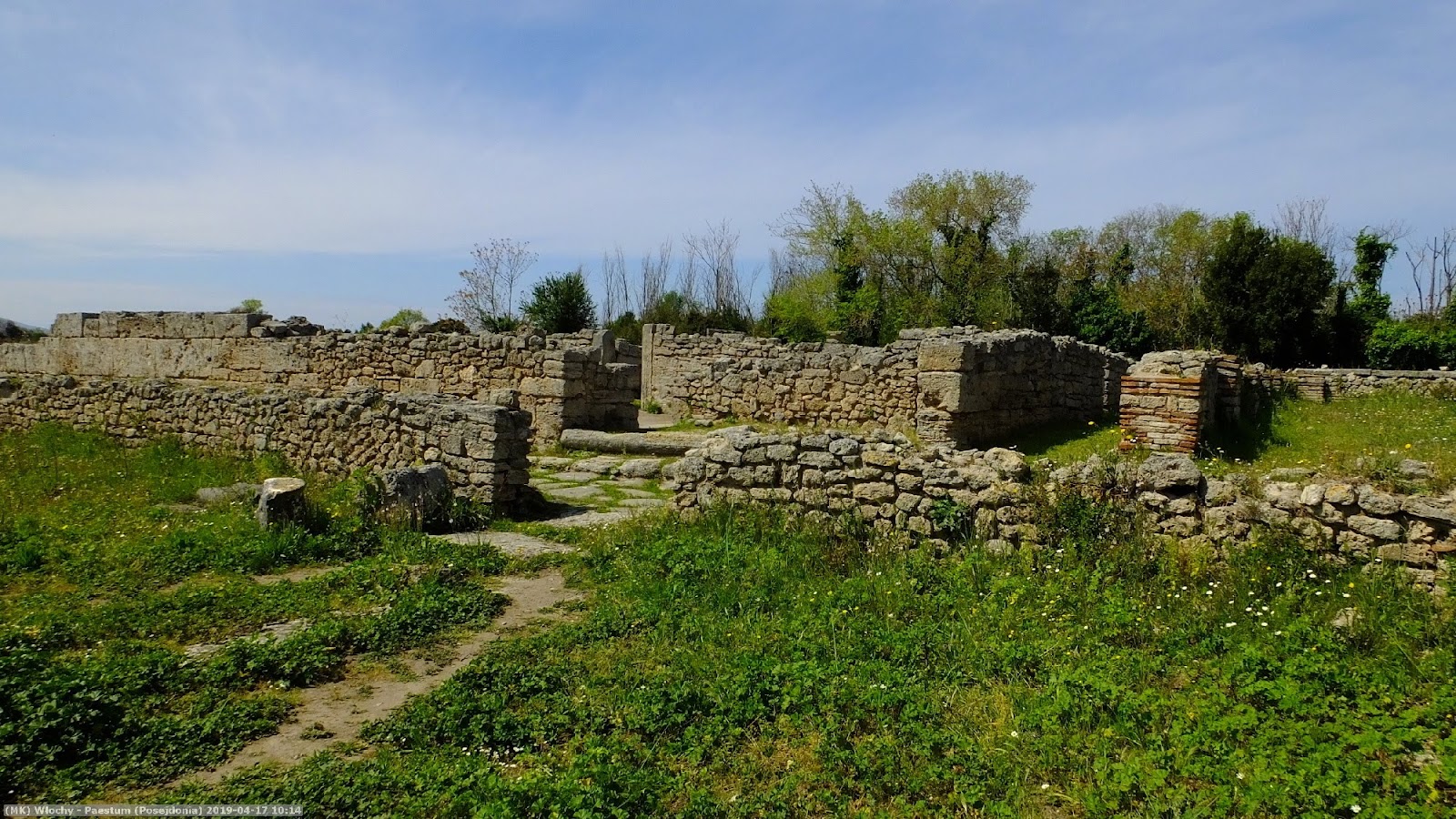
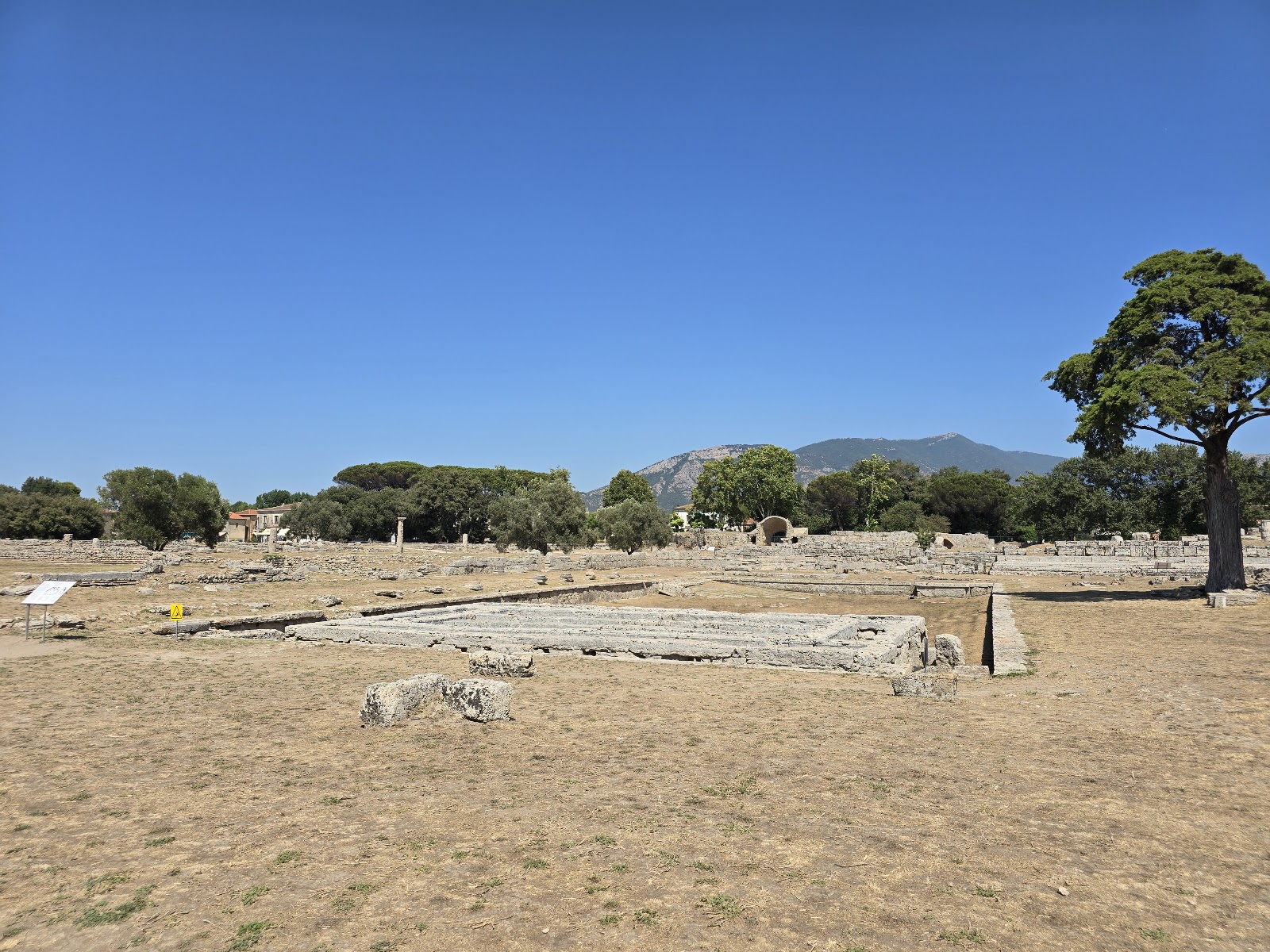
Toward the southern end of the Paestum archaeological park, past the Forum and the amphitheatre, you come across a large rectangular pool sitting open to the sky. It is one of the biggest ancient pools of its kind known to survive, and it belongs to what was once the city's gymnasium — a place where Greek athletes trained and, in the same breath, where a goddess of fertility was worshipped.
The combination is less strange than it sounds. The gymnasium was always more than a sports ground: it was civic space, sacred space, a place where the body and the divine were thought to occupy the same ground.

💛 What travellers fall for
People who return to Paestum a second time often make straight for this end of the park, away from the temple crowds. The pool, unroofed and matter-of-fact, reads differently once you know it was already ancient when Rome took over the city — a Greek structure quietly repurposed, then quietly forgotten.
The story behind Gymnasium of Paestum
Paestum began as Poseidonia, founded around 600 BCE by Greek settlers from Sybaris. The gymnasium and its large pool were built in the 3rd century BCE, serving both athletic competition and the worship of a female deity associated with fertility — an unusual pairing that reflects how fluidly Greek civic life blended sport, religion and public ceremony.
The arrangement did not outlast the Republic. When Rome established a Latin colony here in 273 BCE, a new generation of Roman youth — the iuventus — arrived with different customs. By the late 3rd or early 2nd century BCE, gymnastic functions had transferred to a Roman campus elsewhere in the city, and the old Greek gymnasium was given over to other uses, its original purpose slowly dissolving into the new colonial order.
Good to know
The gymnasium sits inside the Archaeological Park of Paestum, reached from Salerno by a 30-minute train ride or the CSTP Bus 34 (about an hour). A single ticket (€12 in season, €6 in winter) covers the park and museum for three days, plus entry to Velia. The museum closes on Mondays; the whole park closes 25 December and 1 January.
Summer (June to August) is dry and can push close to 29°C in August — comfortable enough for walking the park in the morning, heavy by early afternoon. May, June, July and September draw the most visitors. October is quieter and pleasant at around 22°C by day, though rainfall picks up noticeably from that month onward.
Where is Gymnasium of Paestum?
More tickets & tours for Gymnasium of Paestum
Book directly at the provider
What travellers say about Gymnasium of Paestum
Nice work, but very important for that time
An enormous artefact whose remains clearly demonstrate its original beauty.
Archaeological example of the importance of sport for men of all times
This part of archaeology is also simply amazing.
More of Paestum
Discover where to stay, what to do and the best deals for your trip.
Explore Paestum →More attractions in Paestum
All of Paestum →

Background adapted from Wikipedia (CC BY-SA) · map data © OpenStreetMap contributors · ratings & place photos via Google · other photos with per-image credit. Ticket links may earn us a commission at no extra cost to you.