
Mombasa
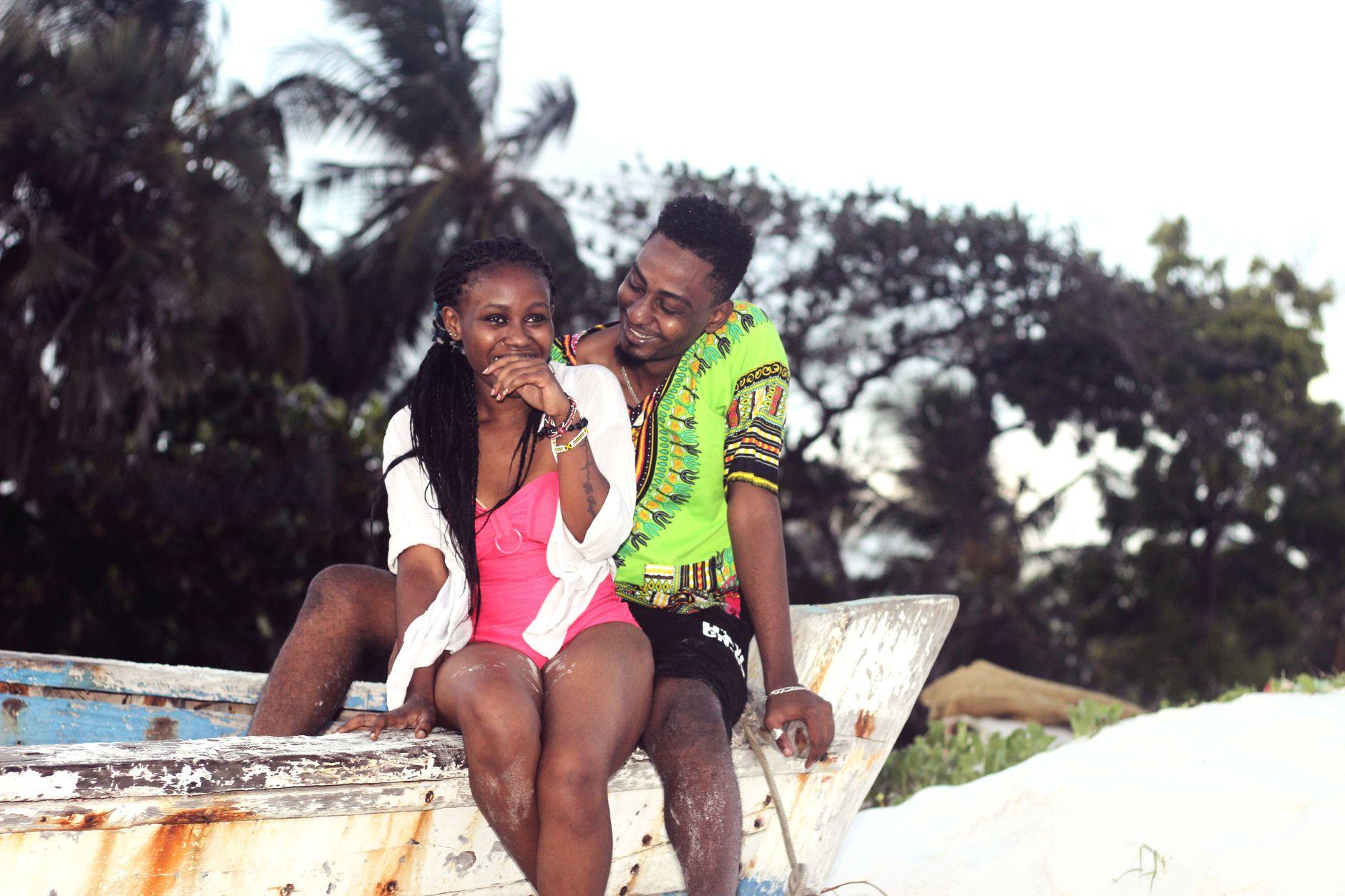
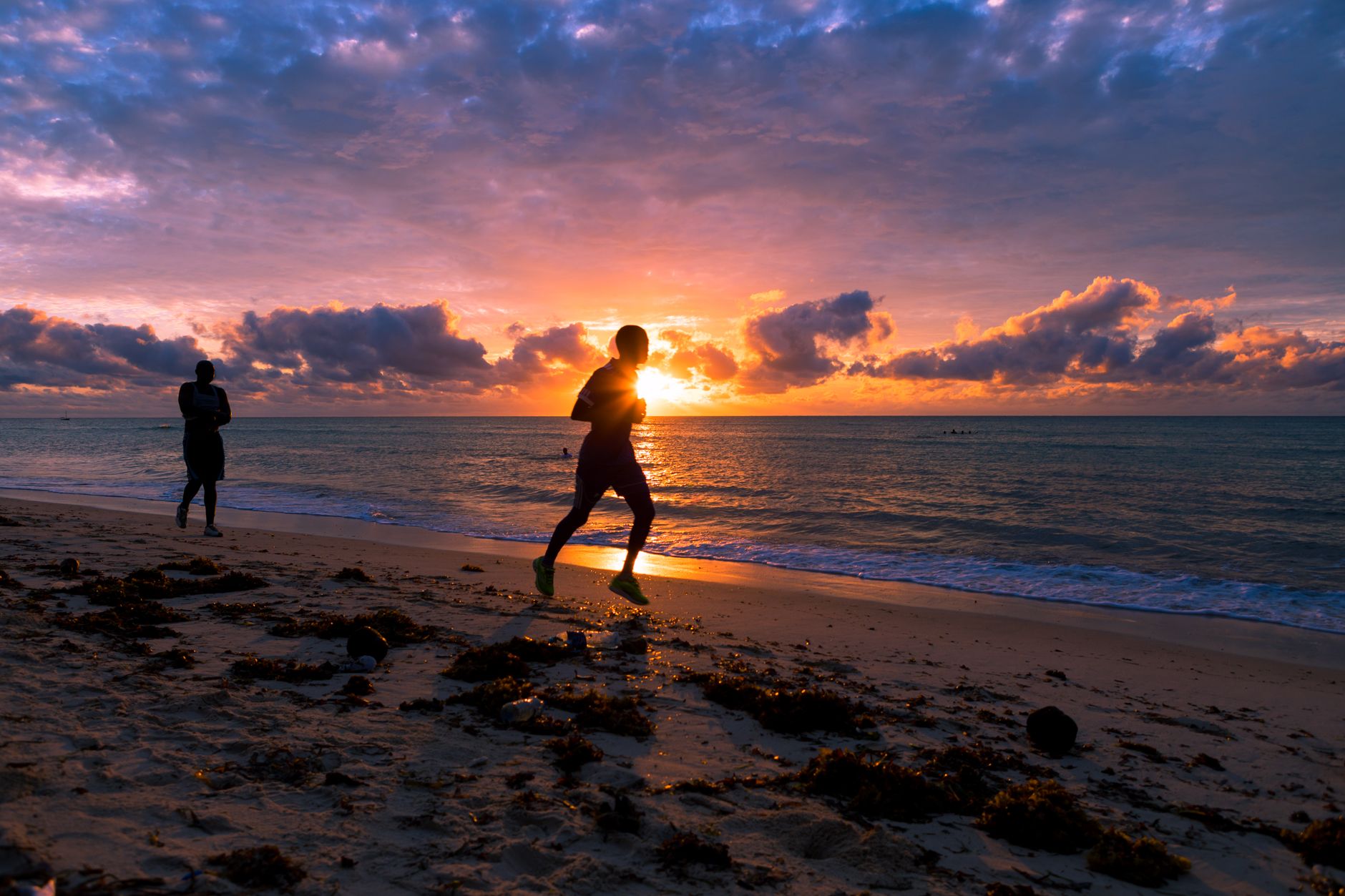
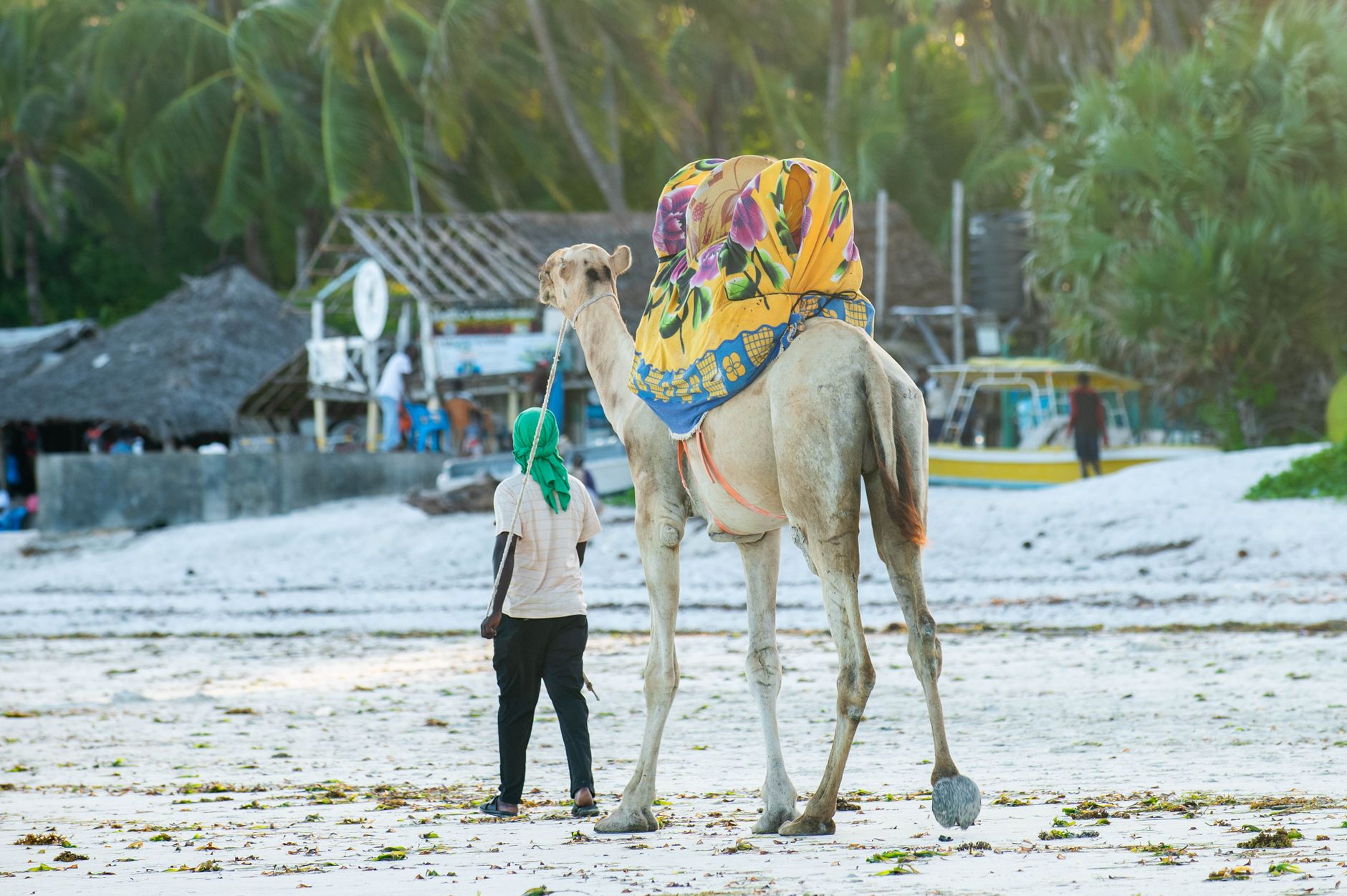
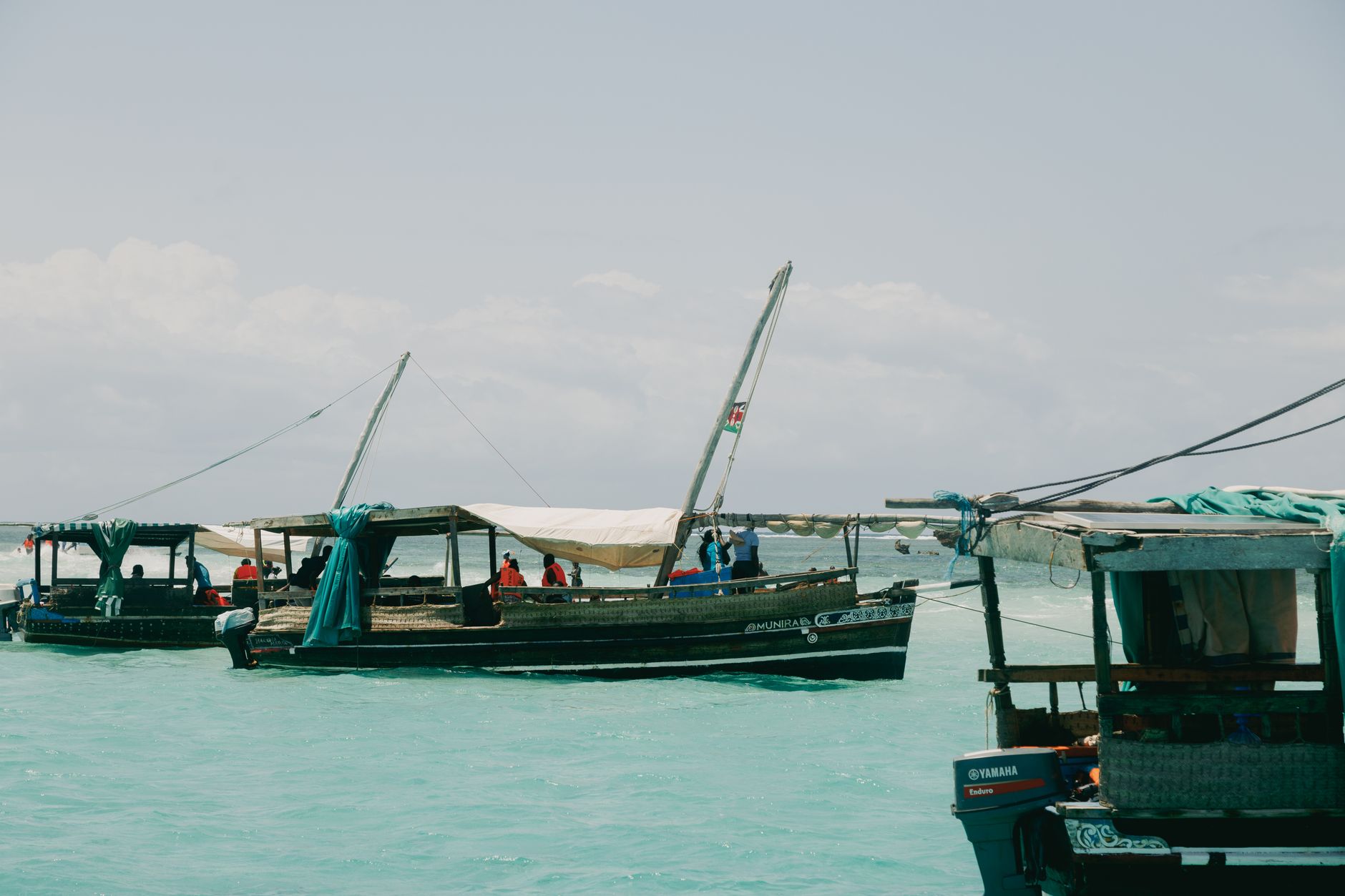
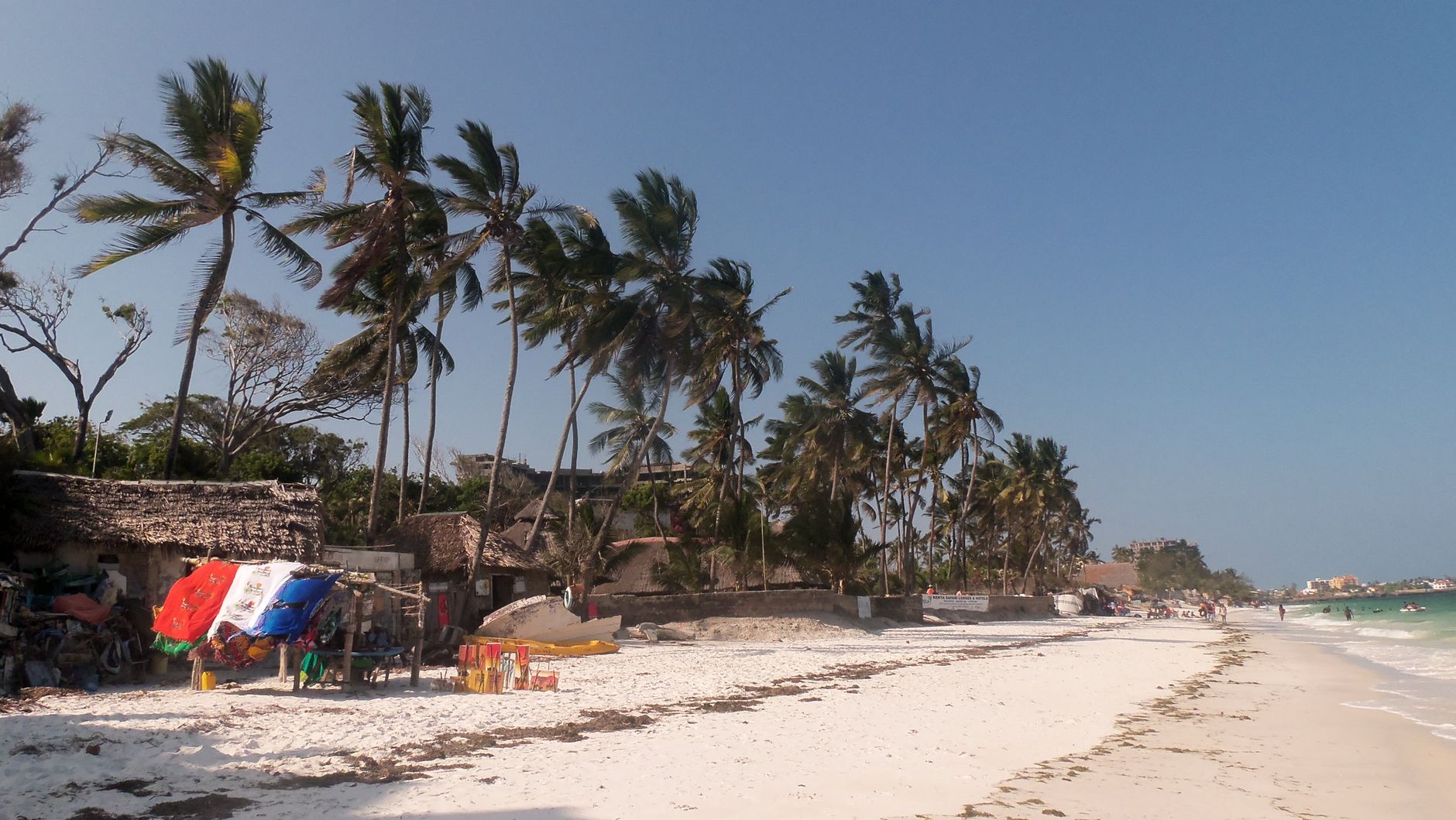
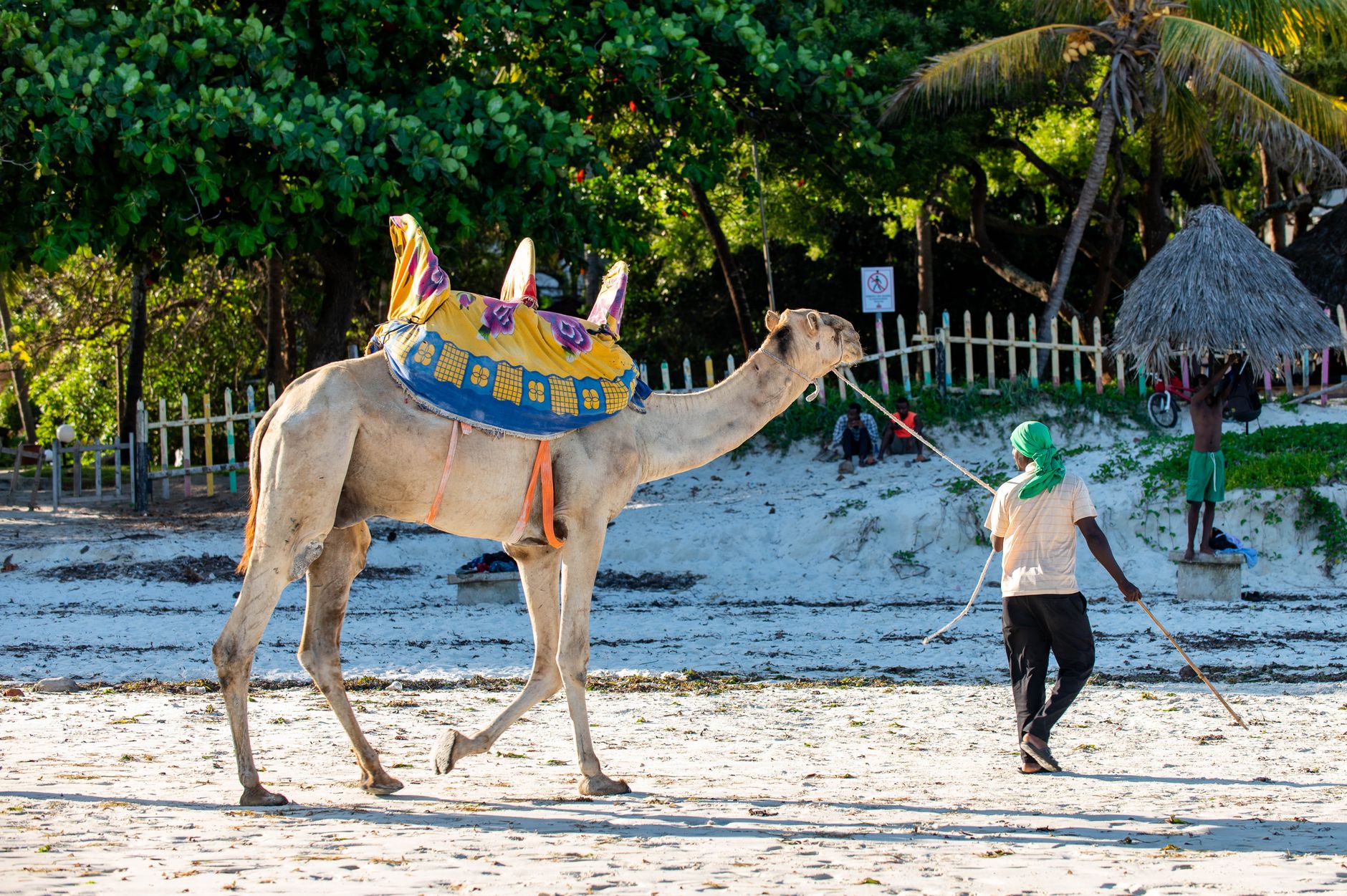
Mombasa is a city that has been doing business with the world for over a thousand years, and you can feel the weight of that in the air — salt, spice, and something older underneath. The island sits at the edge of the Indian Ocean, and almost every power that ever wanted a foothold on the East African coast has left a mark here: a mosque wall, a fort, a carved wooden door.
The main draws are Fort Jesus, the layered streets of Old Town, and the beaches north and south of the island. Three or four days covers the sights at a relaxed pace; add a few more if you plan to head inland toward the game parks.
Popular cities in Mombasa
How Mombasa came to be
Arab geographer al-Idrisi was already describing Mombasa as a prosperous trading town in 1151, though the city's origins likely reach back to around 900 AD. Tradition credits a pre-Islamic queen, Mwana Mkisi, with founding the original settlement of Kongowea; the dynasty that followed her built Mnara, the island's first stone mosque, around 1300. By the early 14th century Mombasa was part of the Kilwa Sultanate, drawing trade from across the Indian Ocean world.
Vasco da Gama arrived in 1498, and the Portuguese eventually seized the city in 1593, raising Fort Jesus — designed by Italian architect João Batista Cairato — to hold it. They lost it to the Sultan of Oman in 1698. The city later passed to the Sultan of Zanzibar in 1837, then to the British, who made it the capital of their East Africa Protectorate until Nairobi took that role in 1907.
Who and what shaped it
People who shaped it
Landmark buildings
See Mombasa in motion
Plan your visit
On the map
When to go
Mombasa has two rainy seasons: the long rains run from April through June, the short rains in November. July through September is dry, reliably warm, and the most popular time to visit; the coast stays hot year-round, with temperatures rarely falling below 22°C even at night.
Right now
↡ Cities
Background & history adapted from Wikipedia (CC BY-SA) · specs from Wikidata (CC0) · weather from Open-Meteo · map data © OpenStreetMap contributors · photos from Wikimedia Commons / Unsplash with per-image credit. No third-party reviews or social posts reproduced.